The Books of Kings · The Angel Night
He spread itbefore the LORD.
Ten tribes walk into the fog and out of the Bible. Then the same army arrives at Jerusalem, and a king carries the letter that is frightening him up to the temple and lays it flat on the floor. Every scene below is a real frame from our animated film.
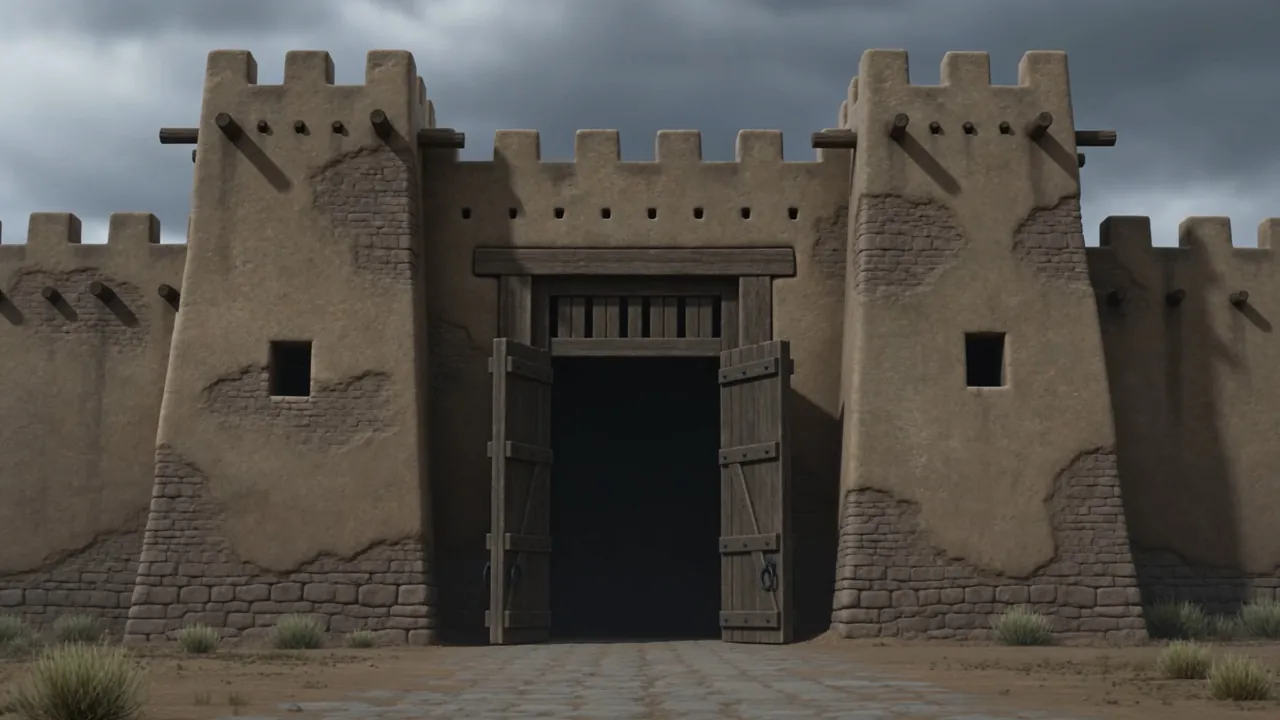
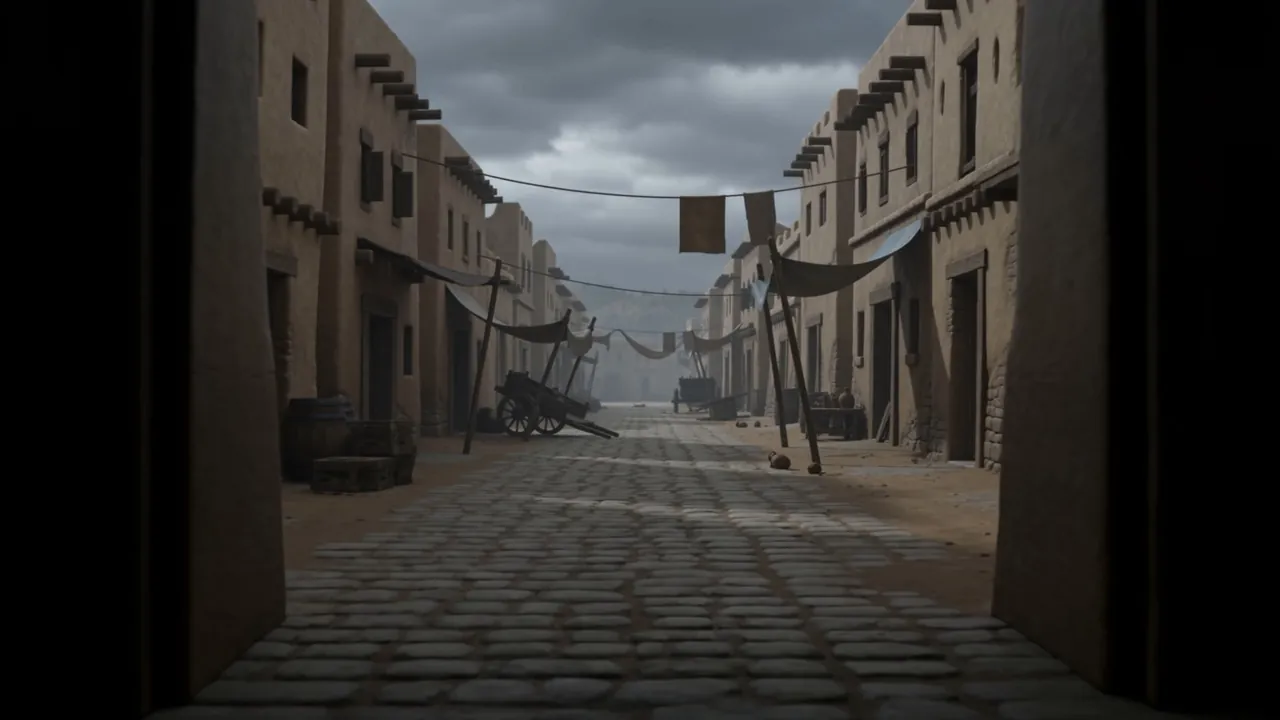
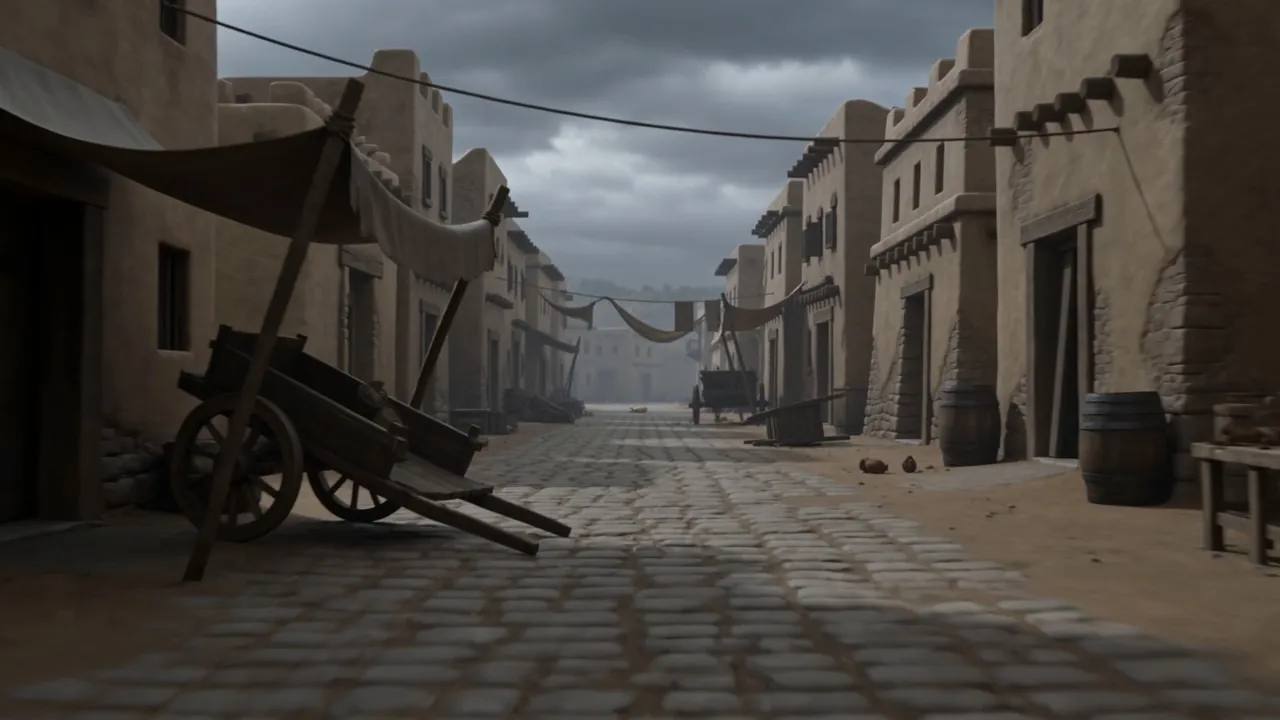
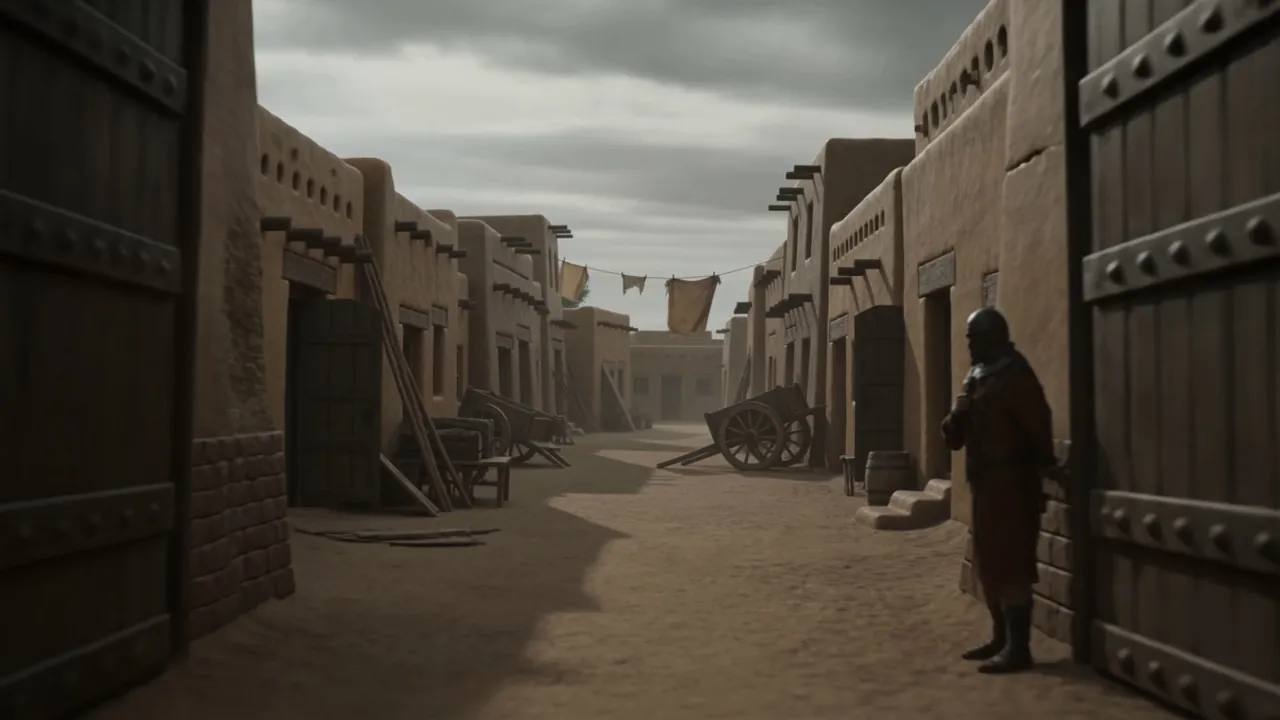
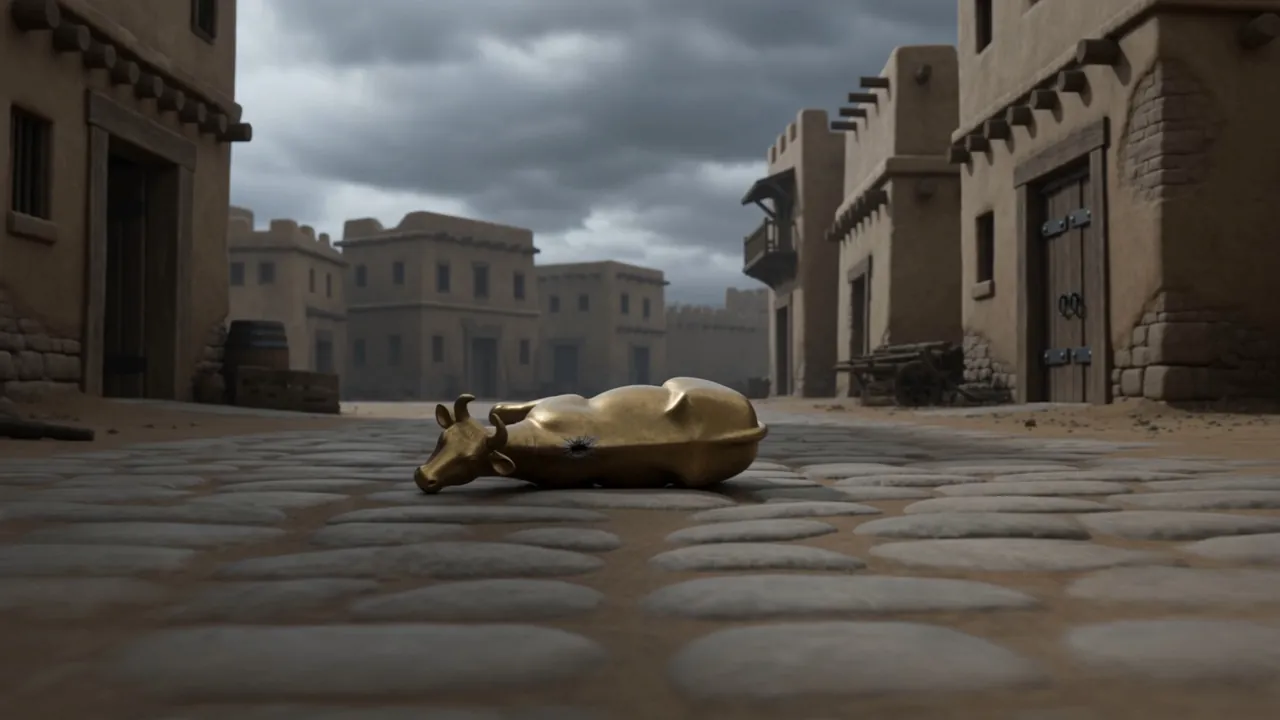
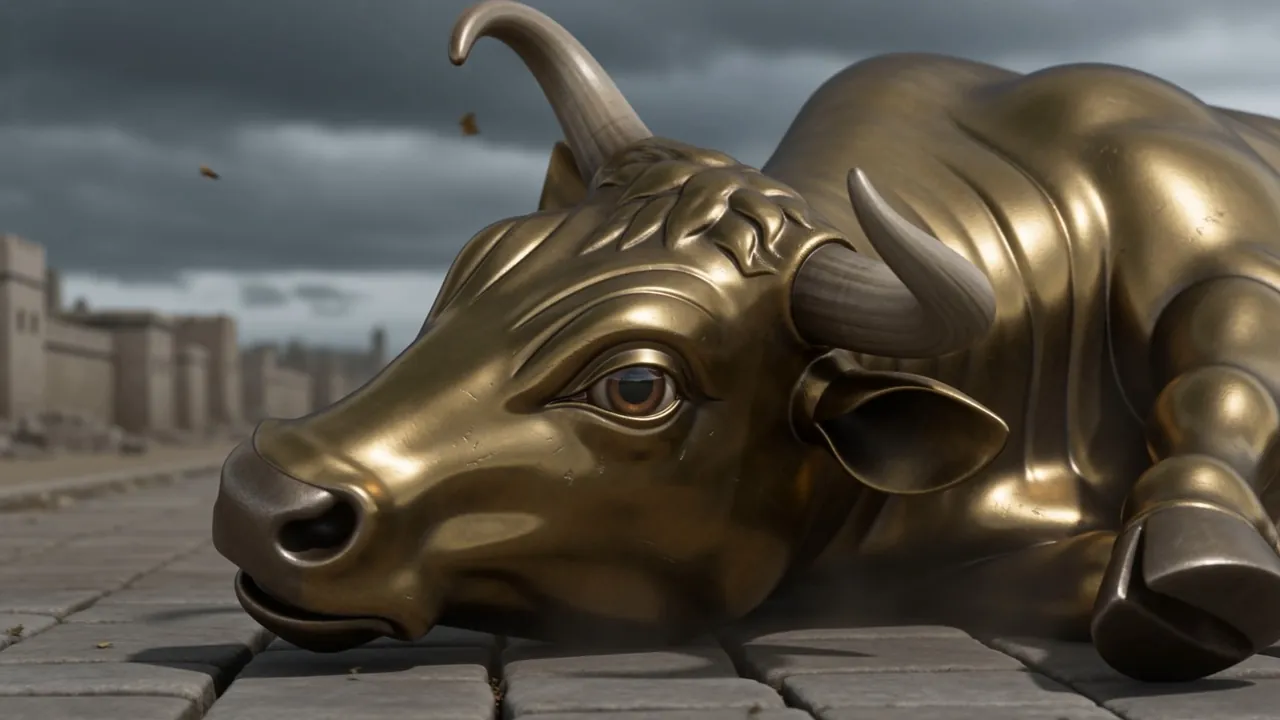
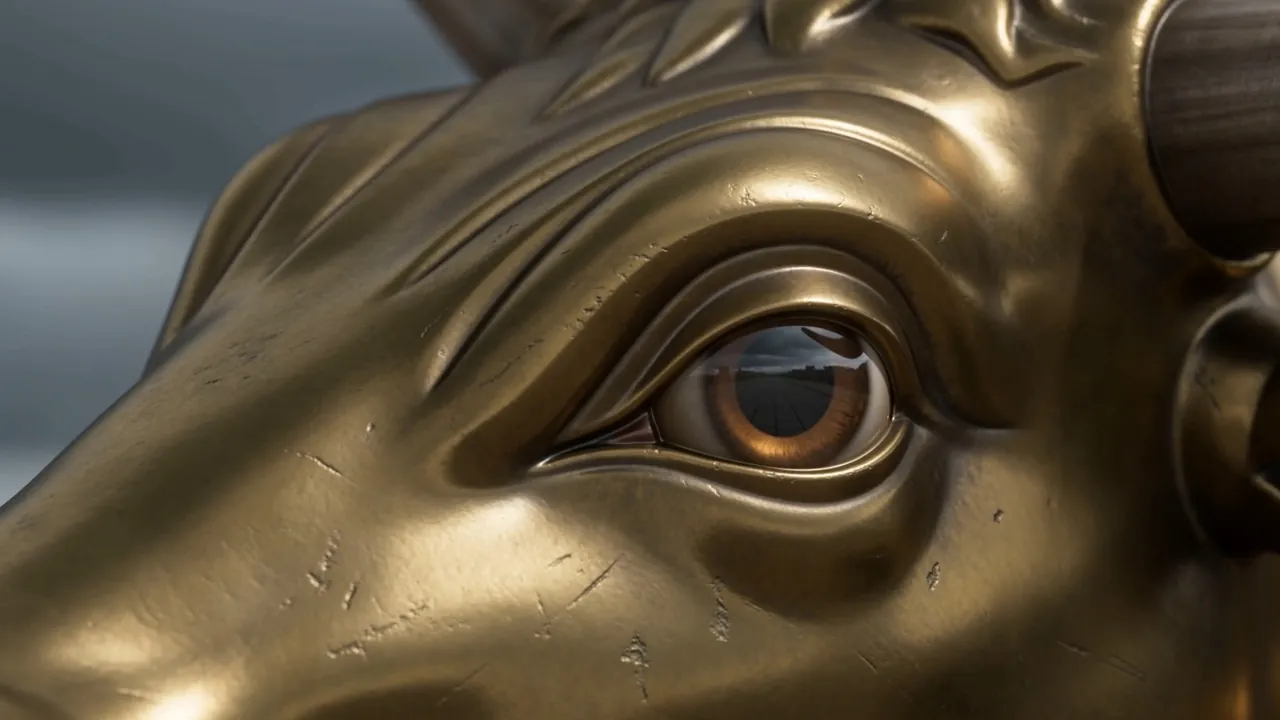
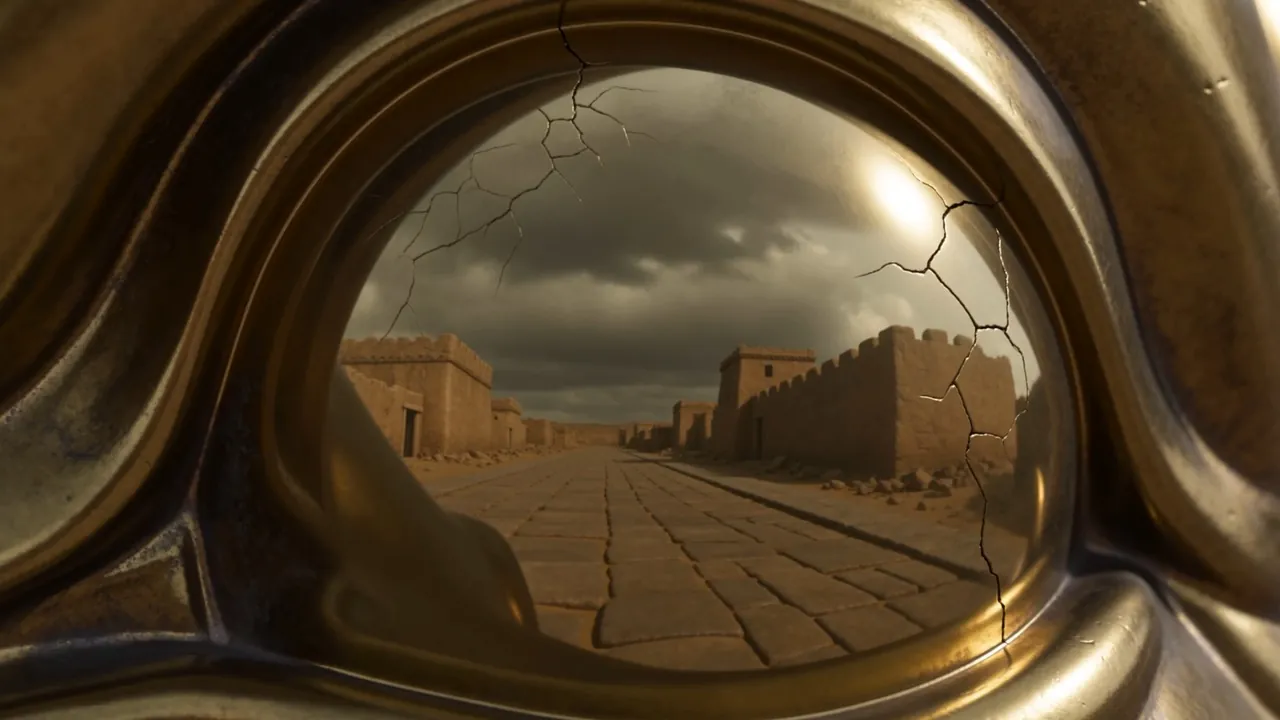
Samaria held out for three years and then it did not. In the ninth year of Hoshea the king of Assyria took Samaria, and carried Israel away. The fall of the northern kingdom comes with no battle at all — just a gate nobody bothered to shut, and the golden calf they had made two hundred years earlier lying face-down in an empty street with the whole city reflected in its eye. 2 Kings 17 : 5–6
Nobody closed them.
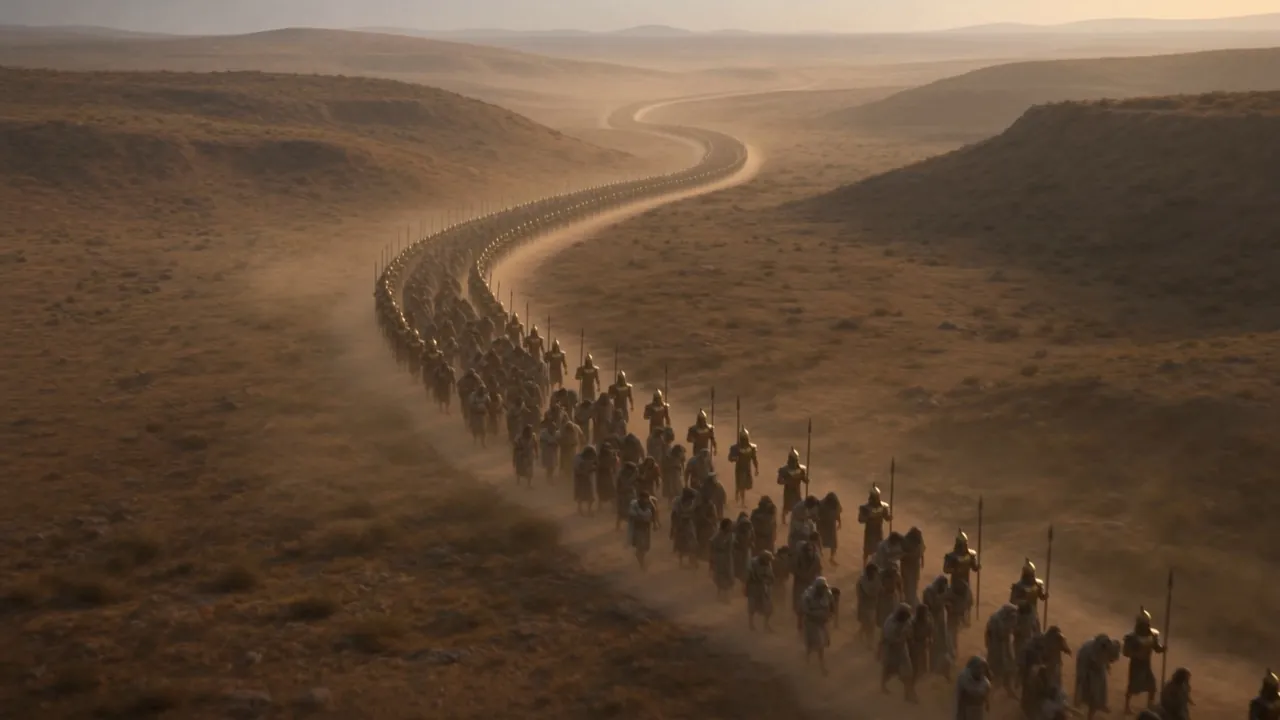
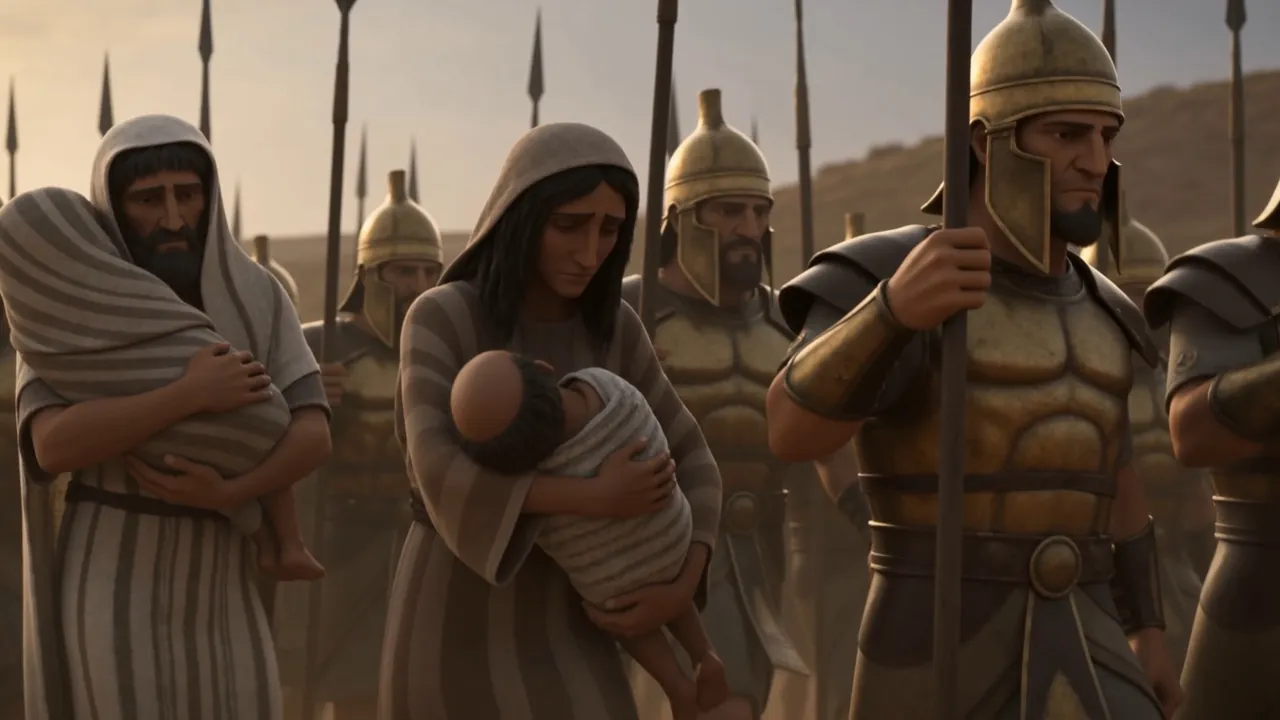
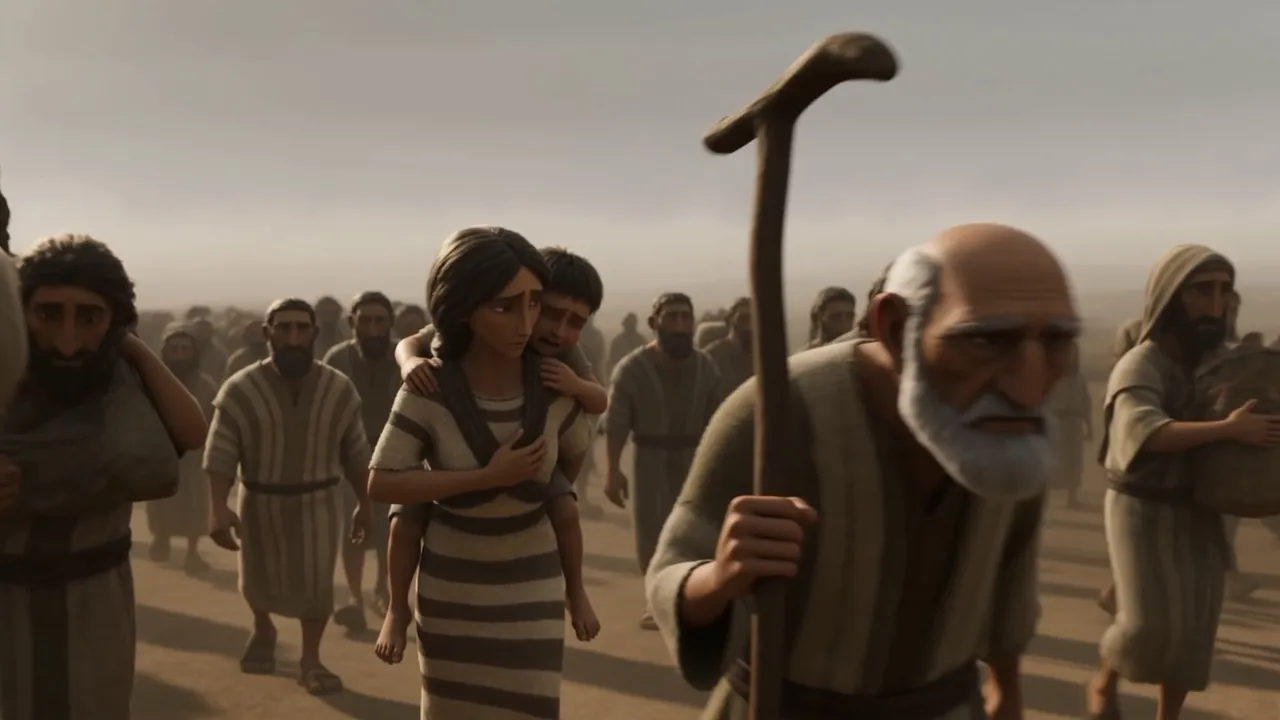
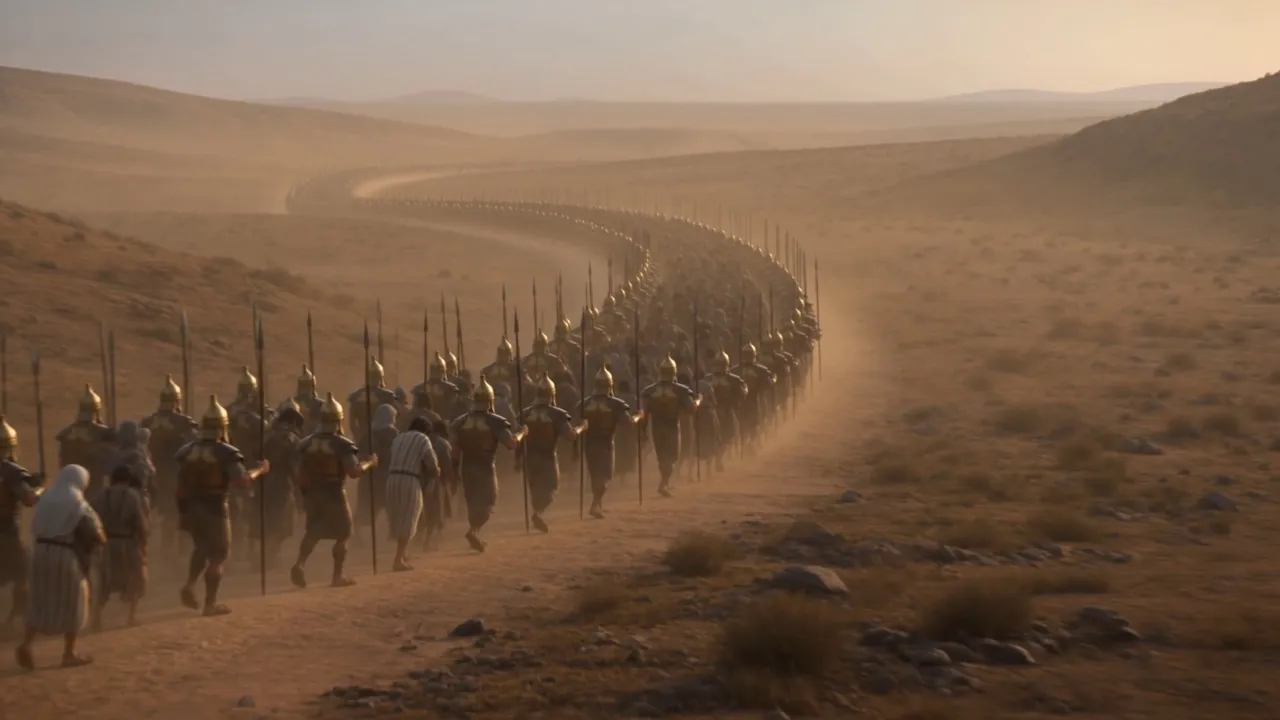
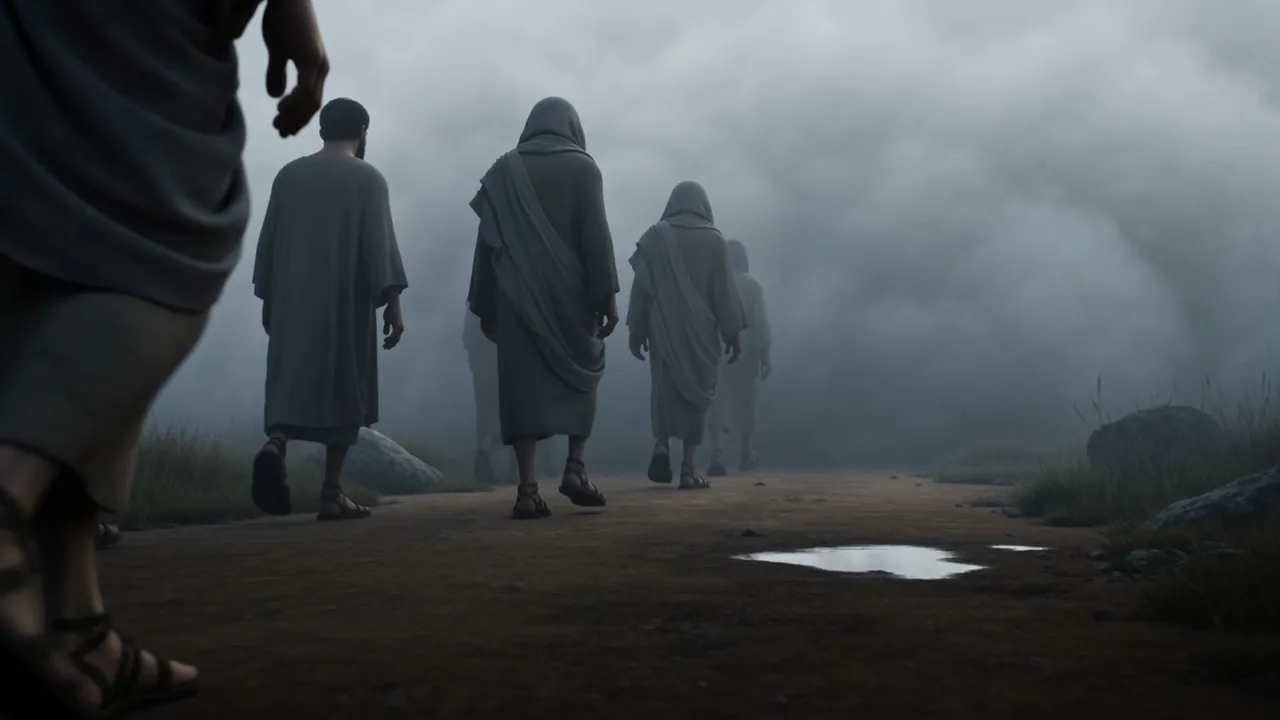
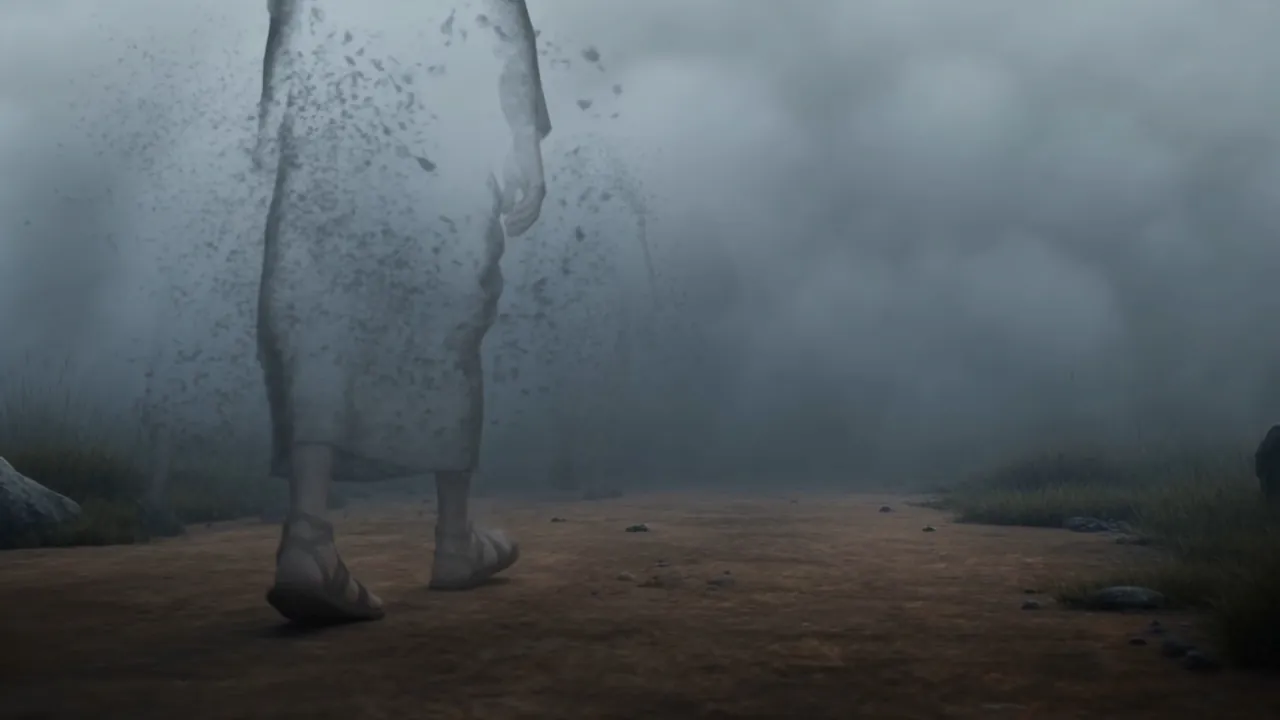


They were resettled in Halah, on the Habor, and in the cities of the Medes, and the ten northern tribes walk out of the Bible here and do not come back. It passes like weather: a column going into fog, and then footprints on wet stone slowly filling with rain. 2 Kings 17 : 6–23
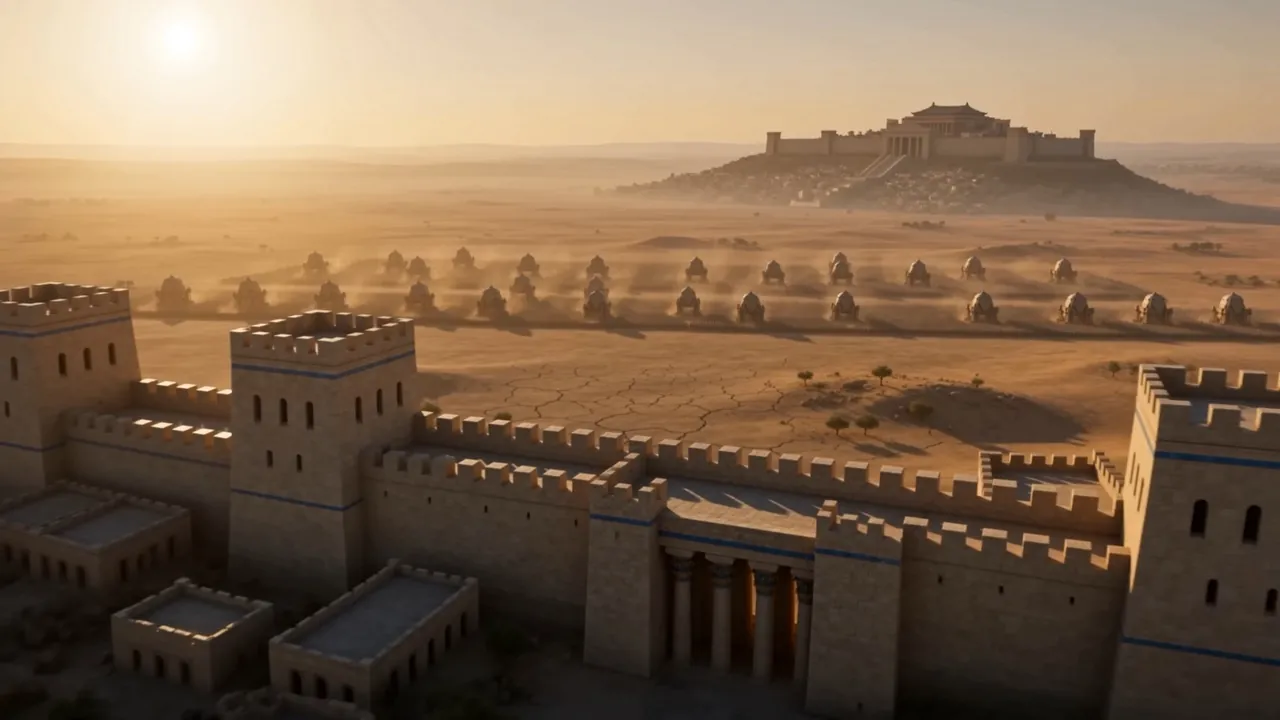
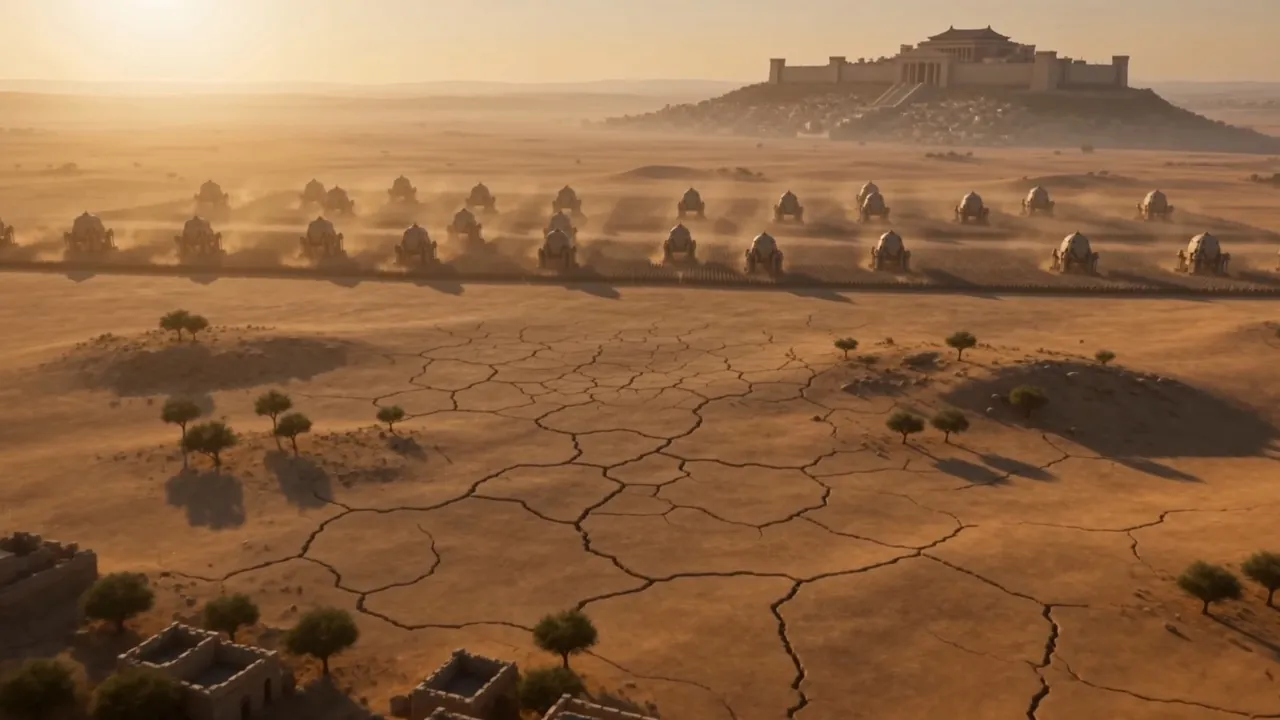
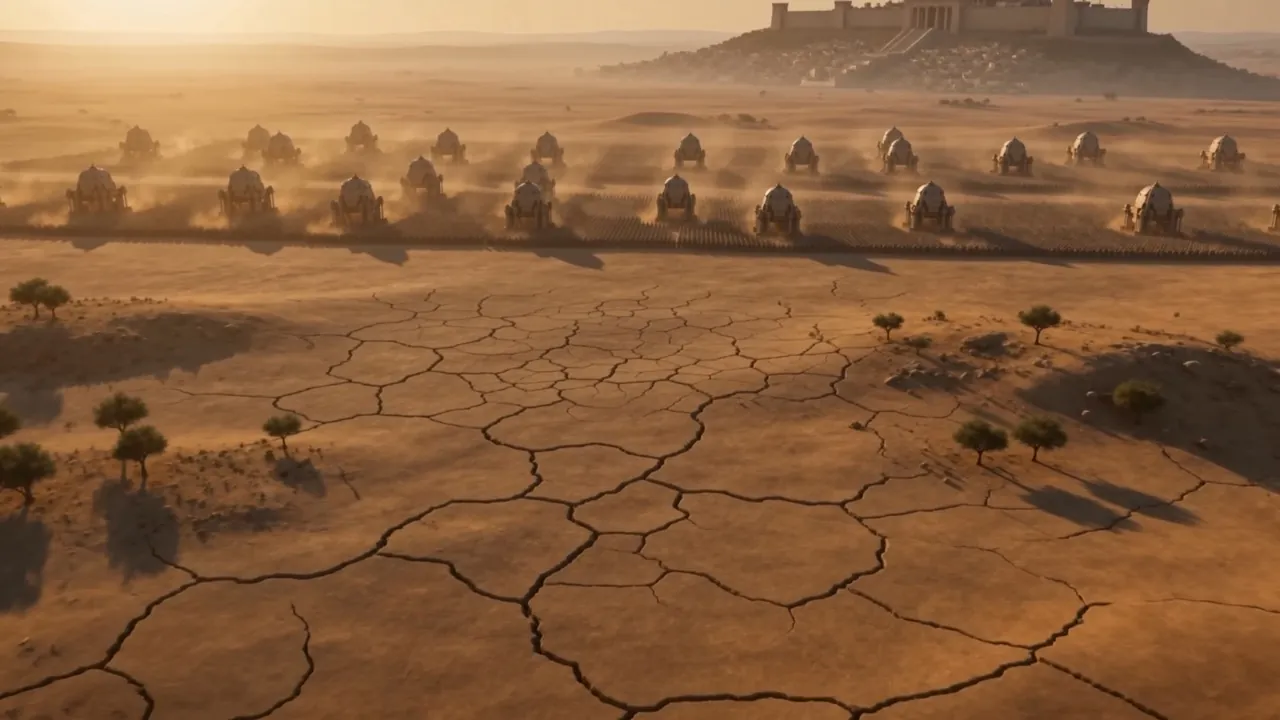
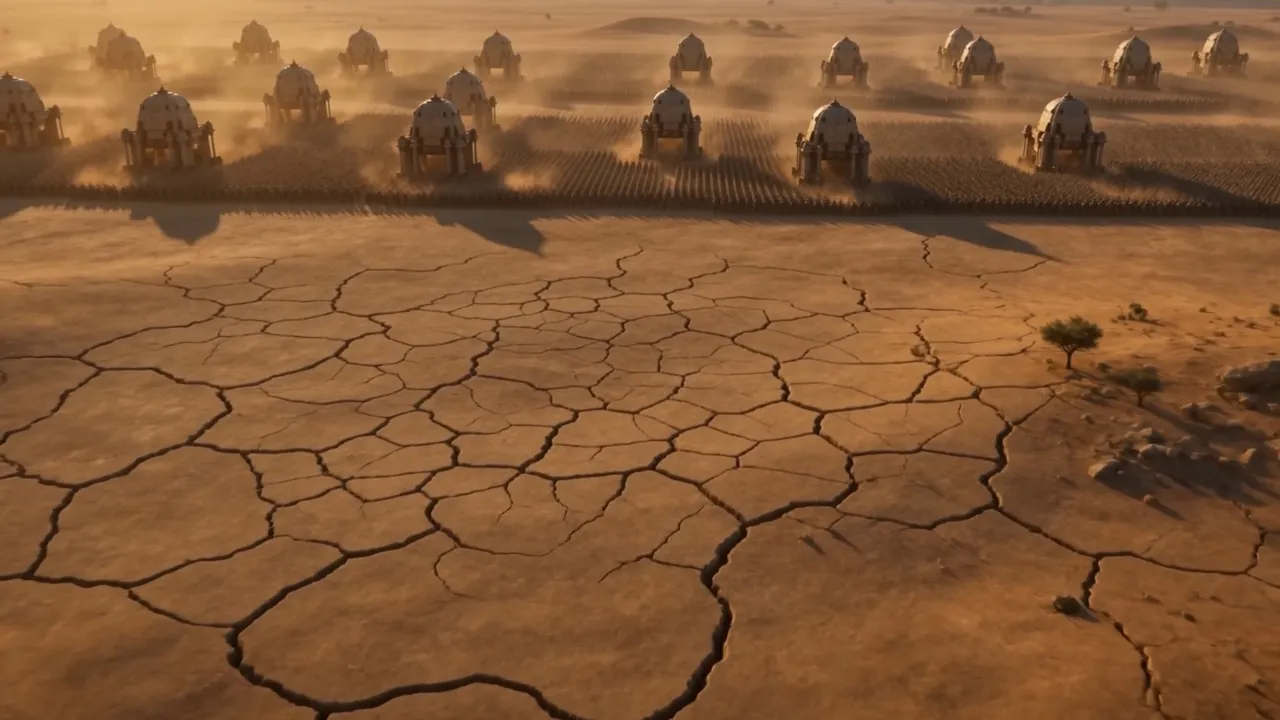
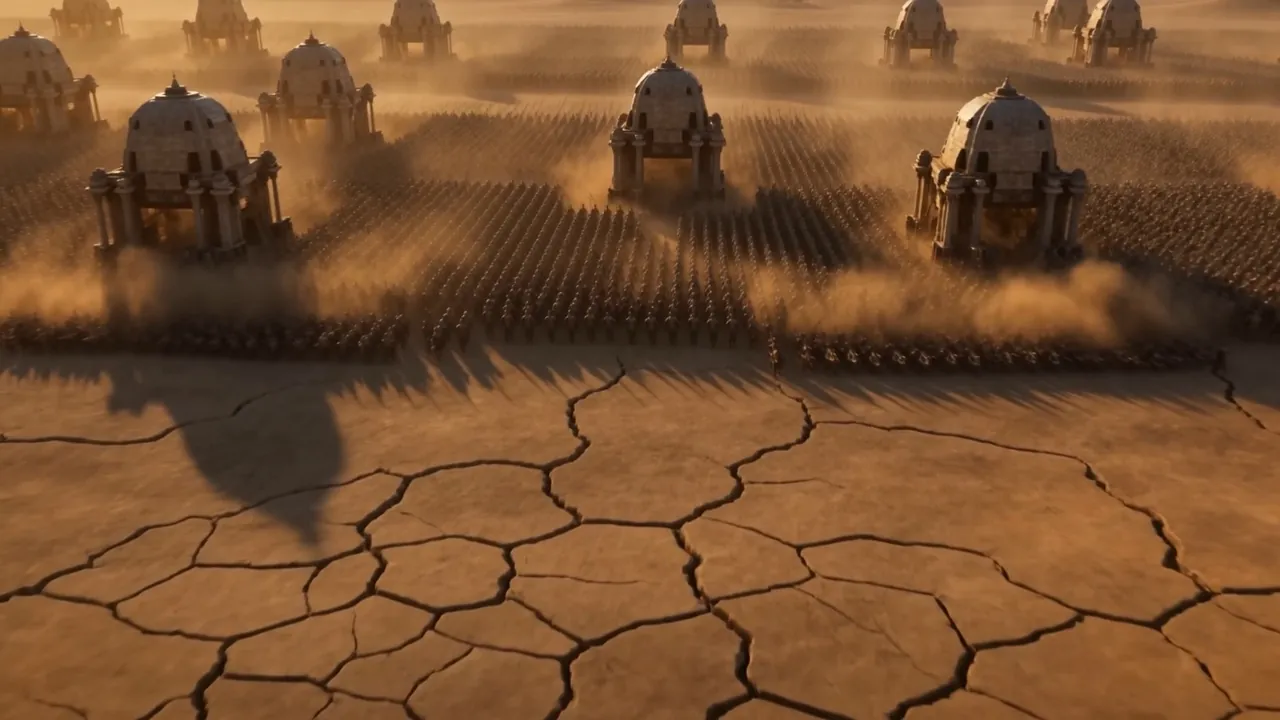
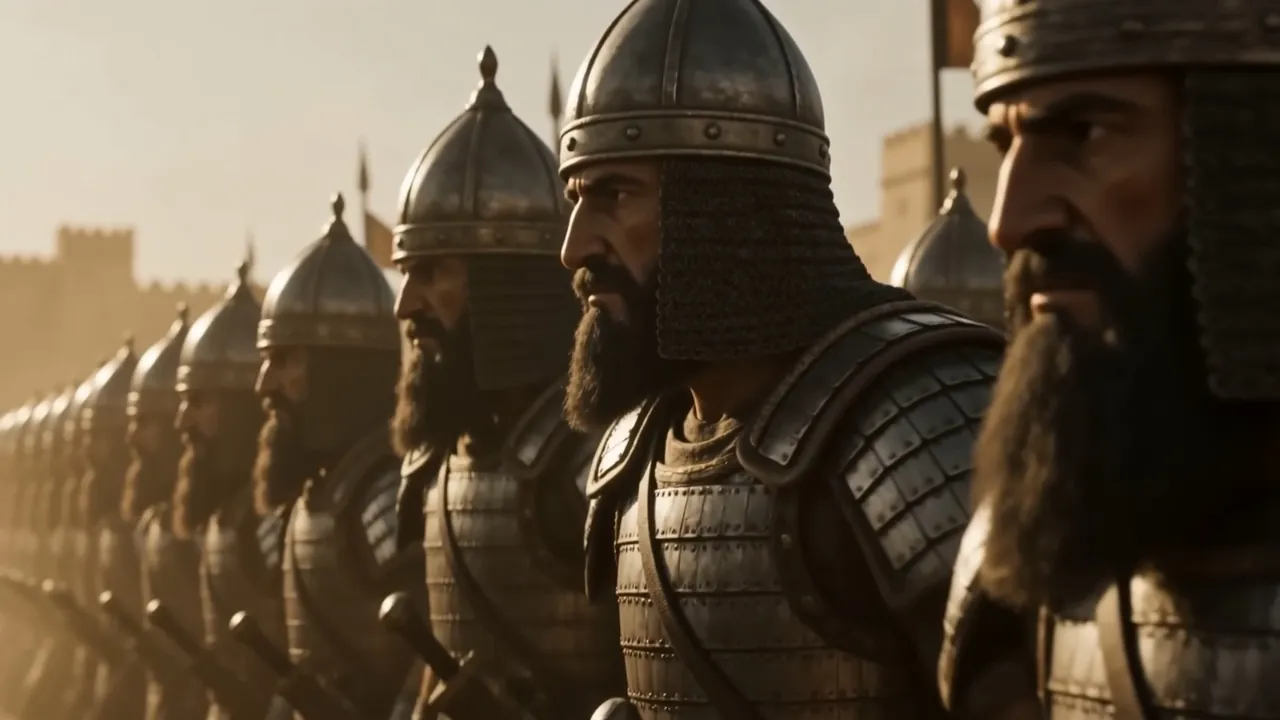
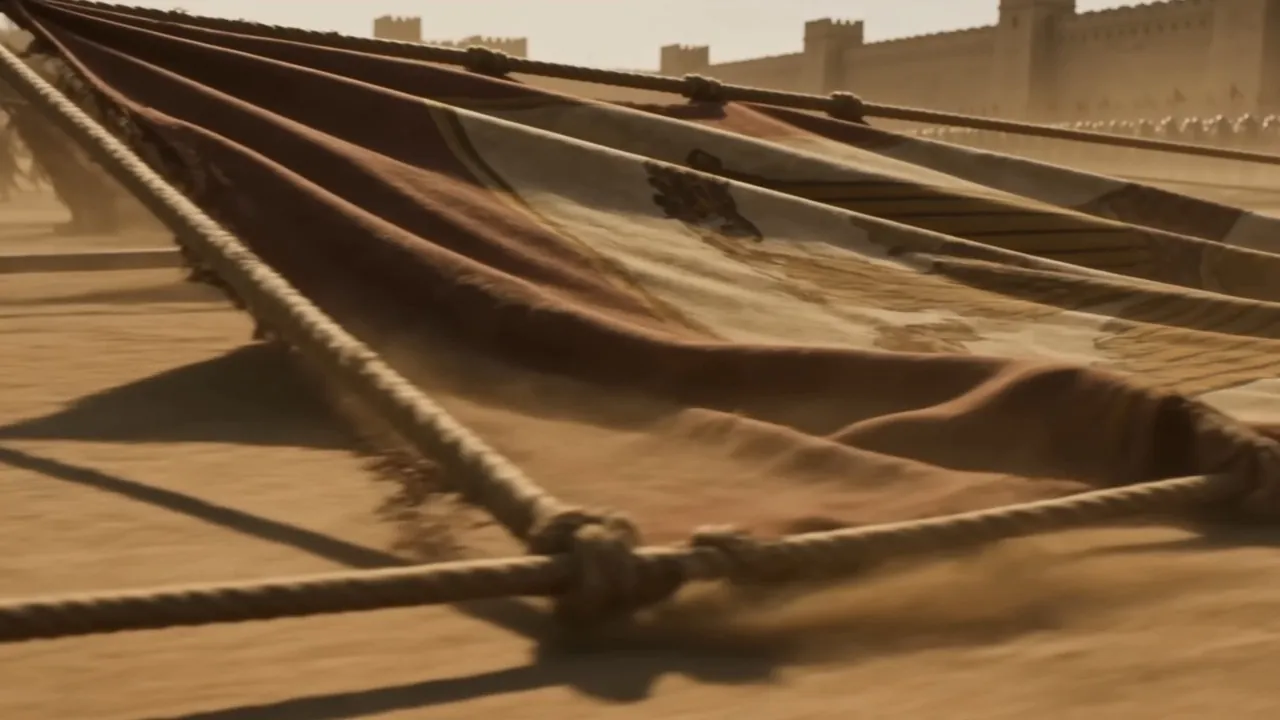
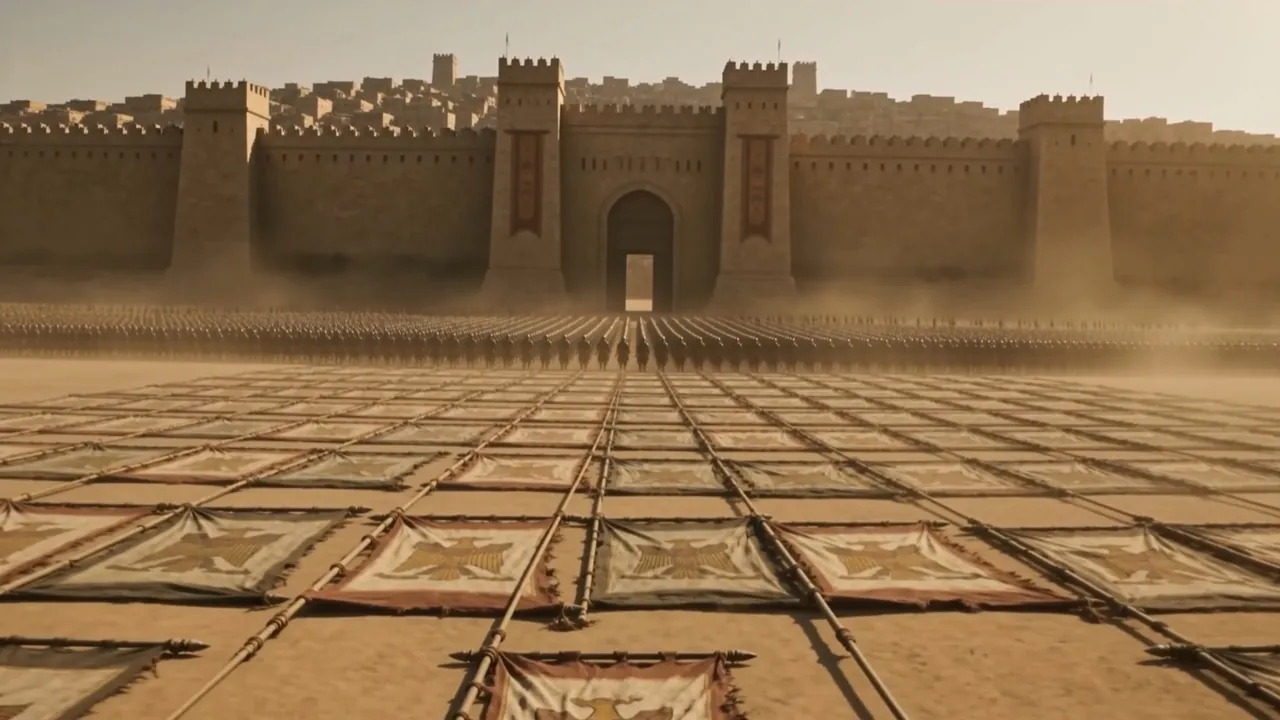
Twenty years later the same army came south. Sennacherib took forty-six fortified cities of Judah, and what he did with the flags of every one of them is plain — dragged in the dust behind the column, so that whoever was next could watch them coming. Then he arrived at Jerusalem. 2 Kings 18 : 13
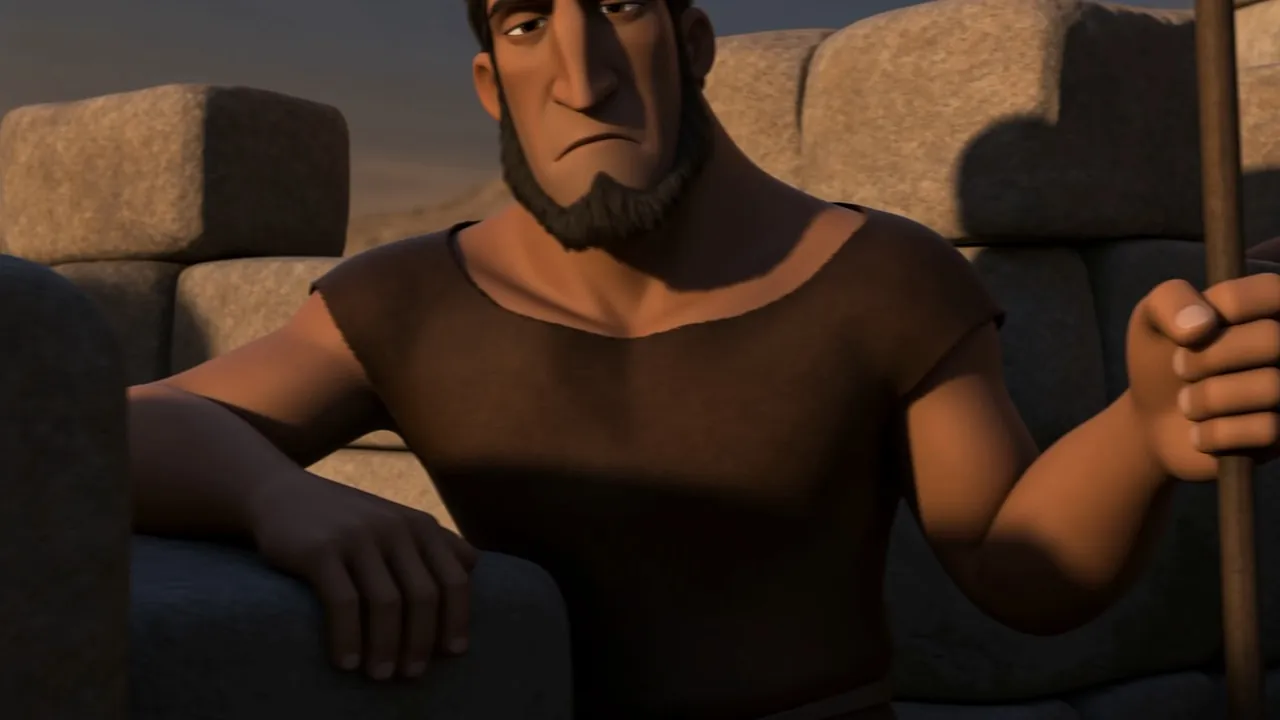
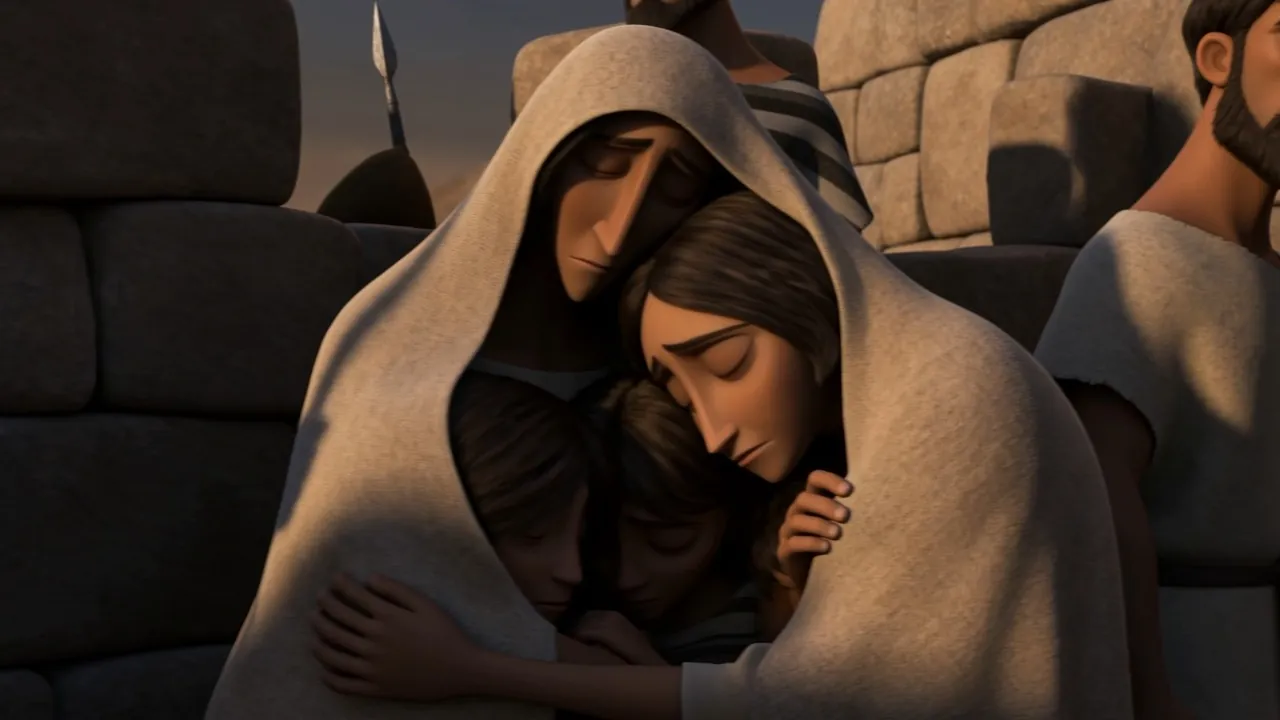
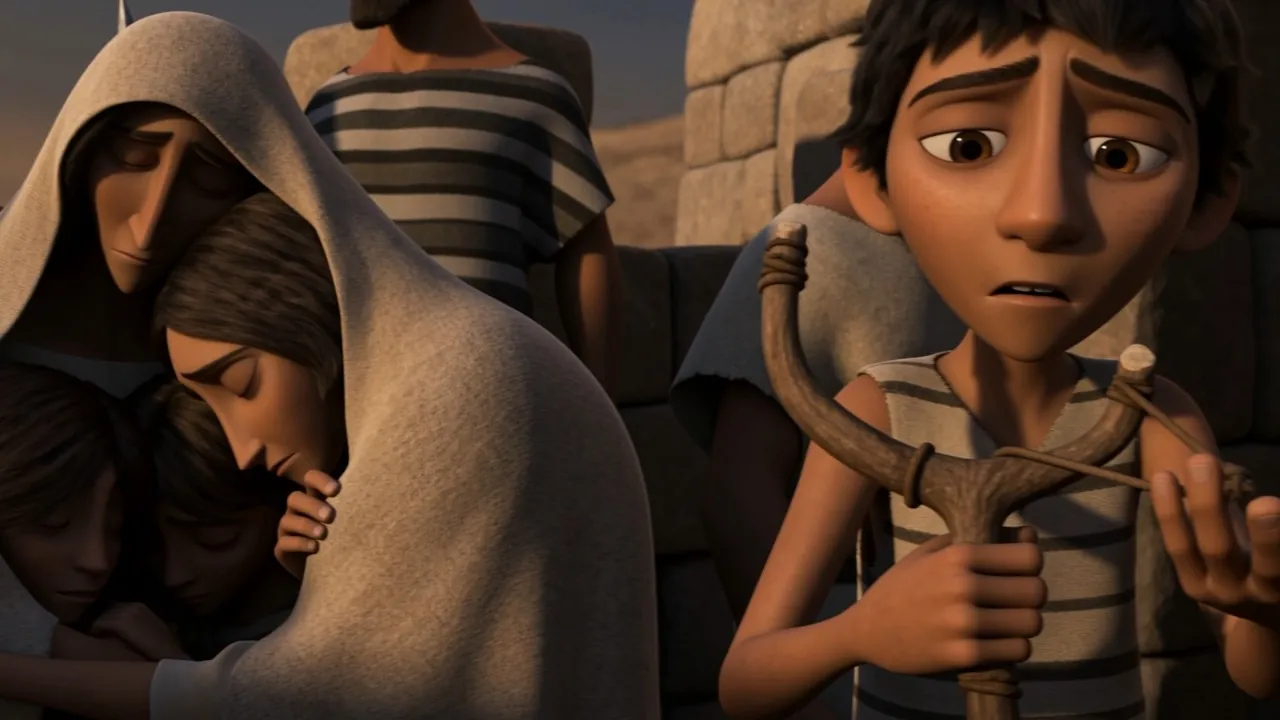
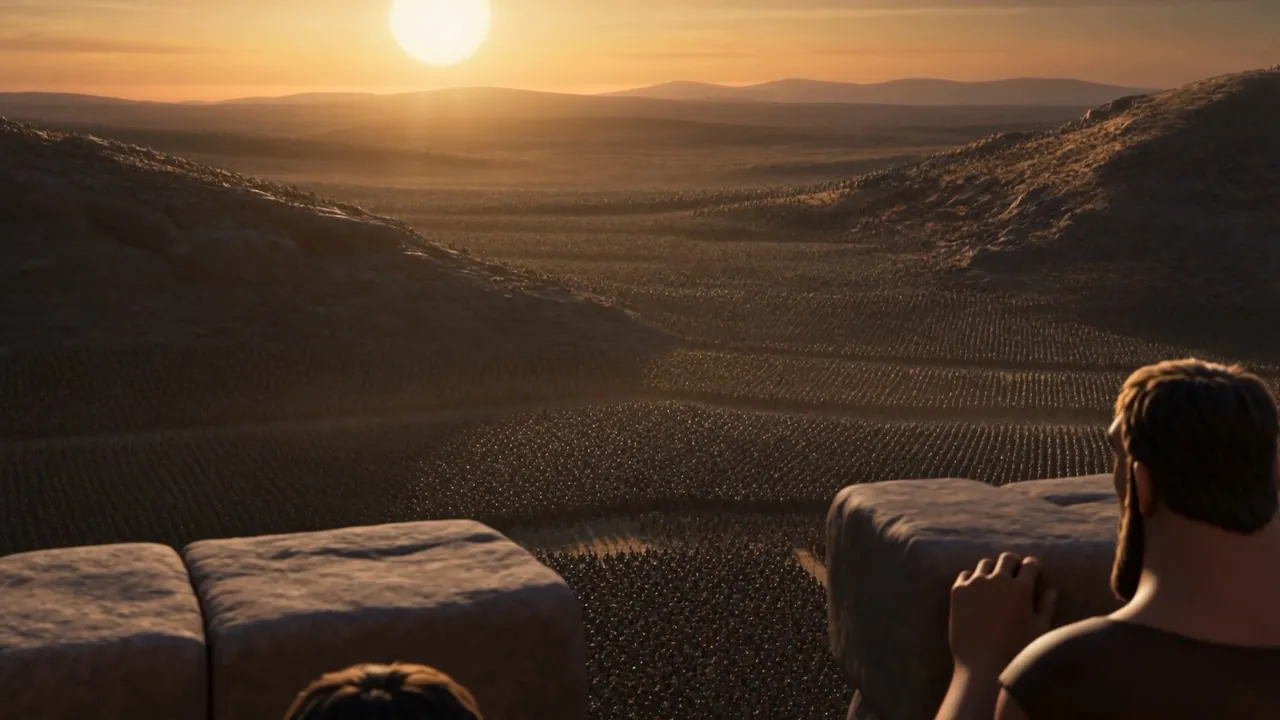
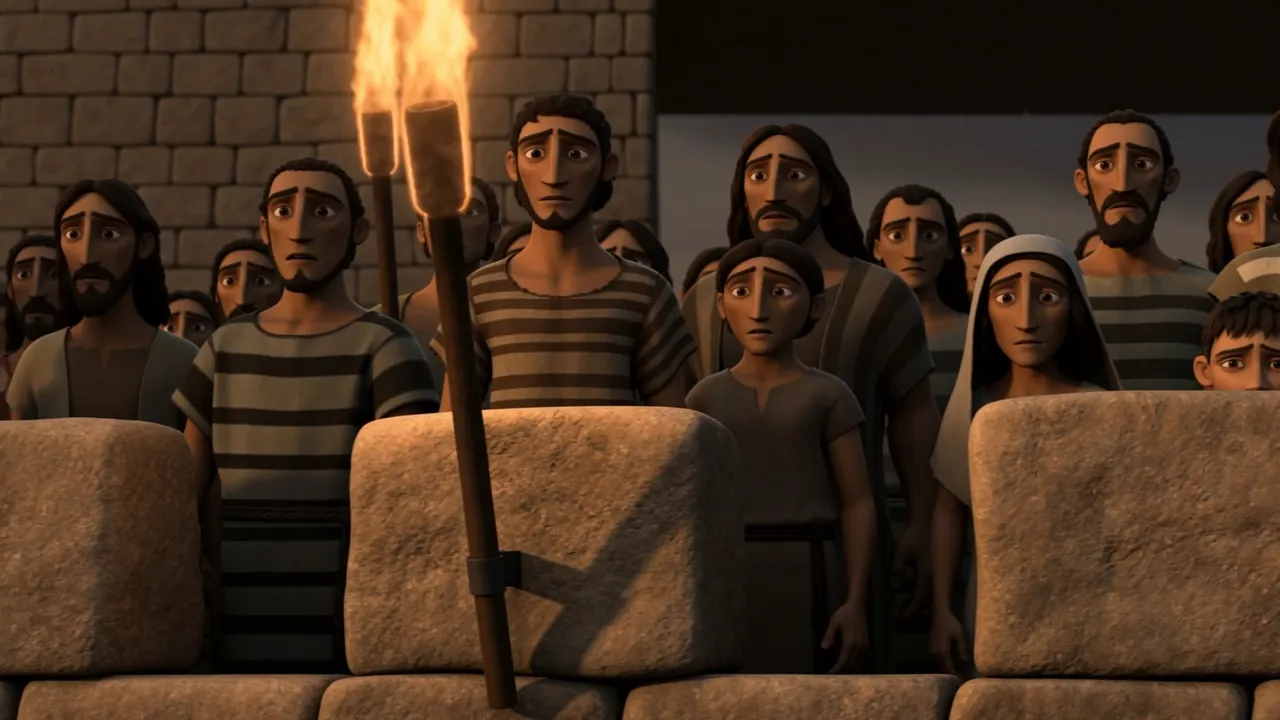
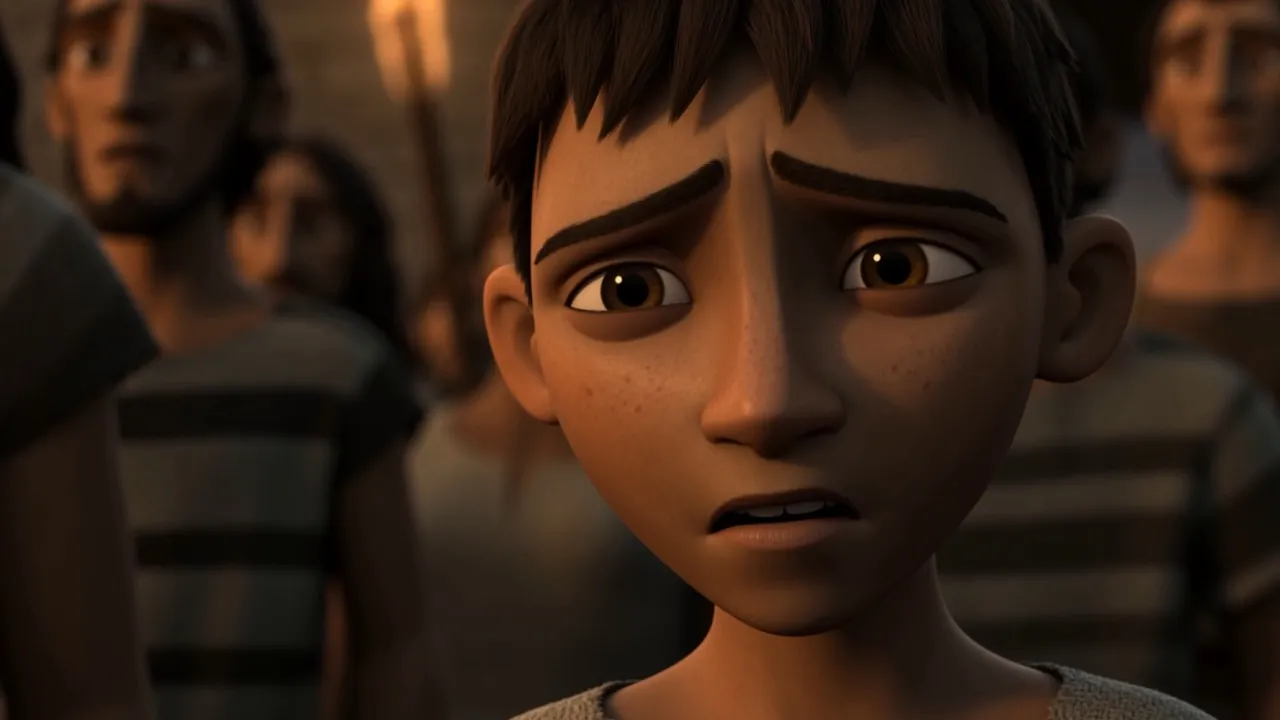
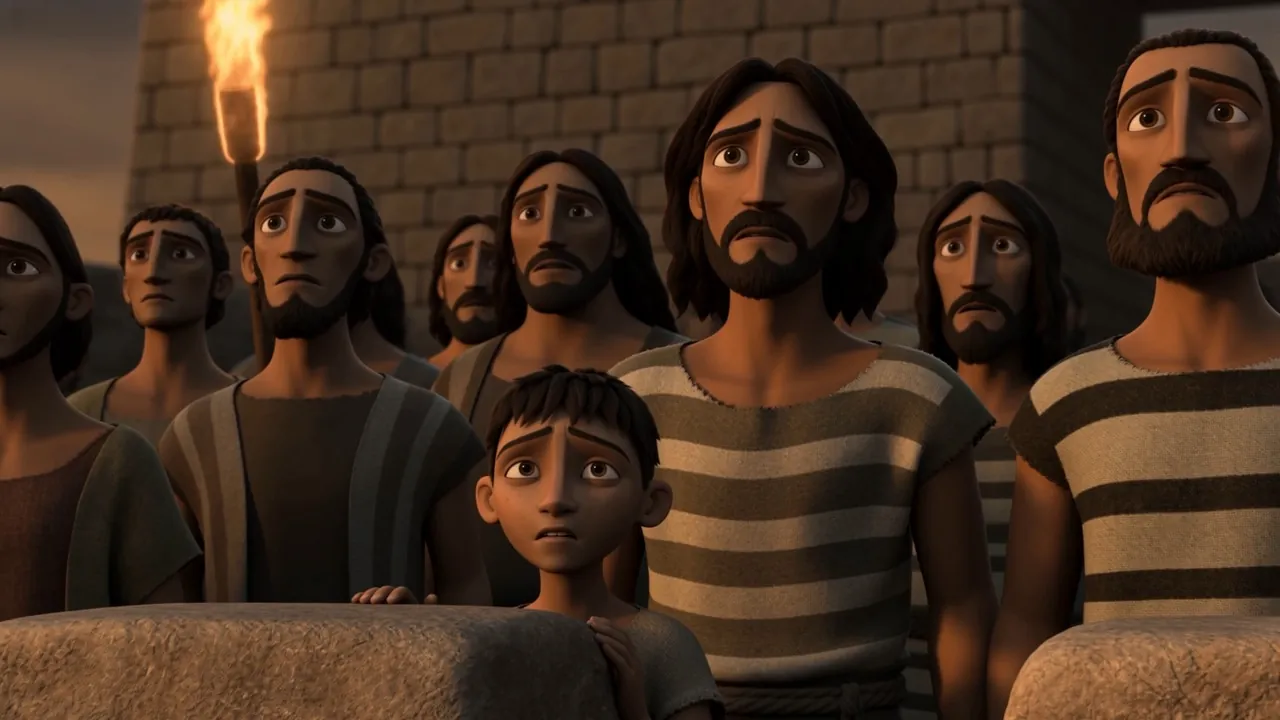
Hezekiah had done everything a good king does — cleared the high places, broke the pillars, even destroyed the bronze serpent Moses had made because people had started burning incense to it. He trusted in Yahweh, the God of Israel, so that after him was none like him among all the kings of Judah. And here was the Assyrian army at his wall anyway. 2 Kings 18 : 3–7
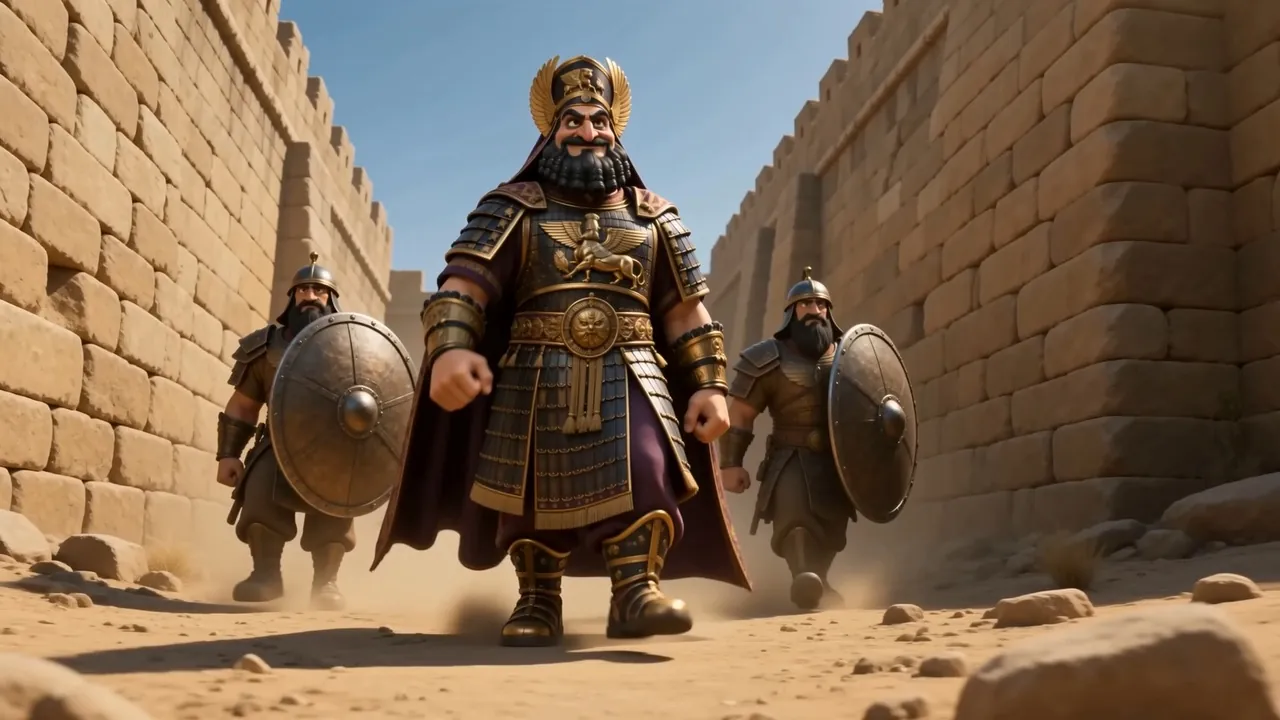
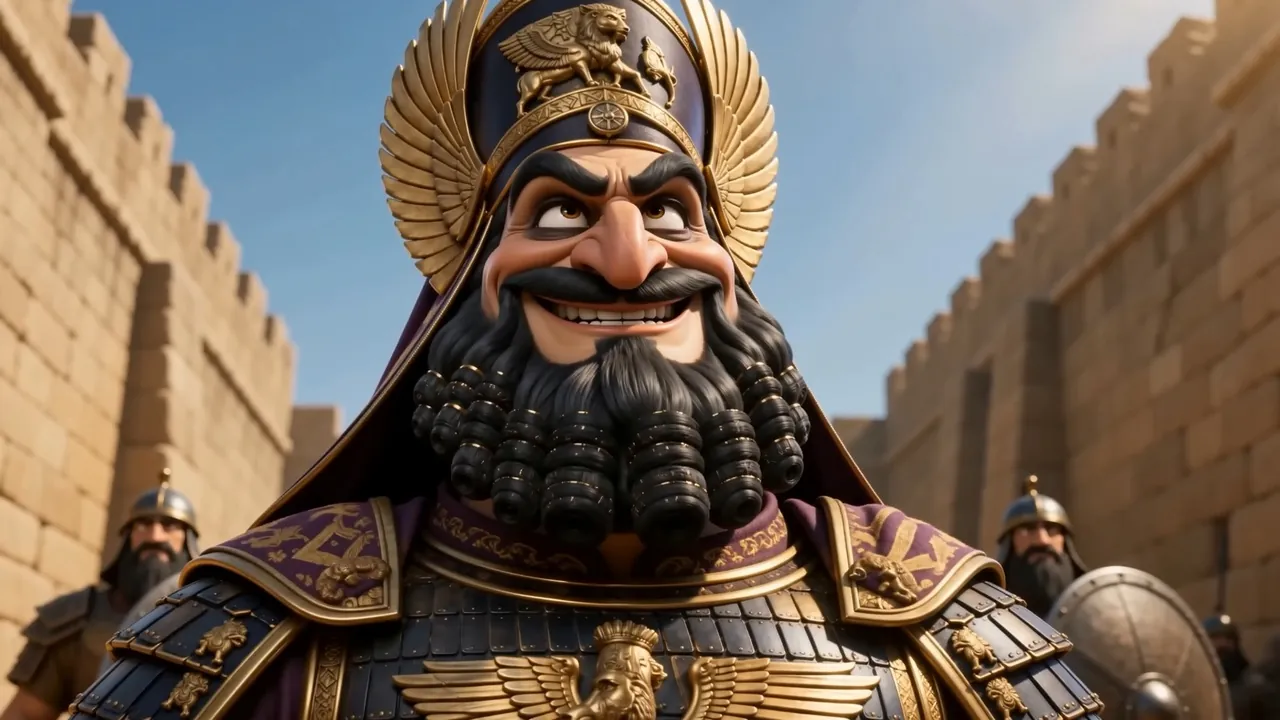
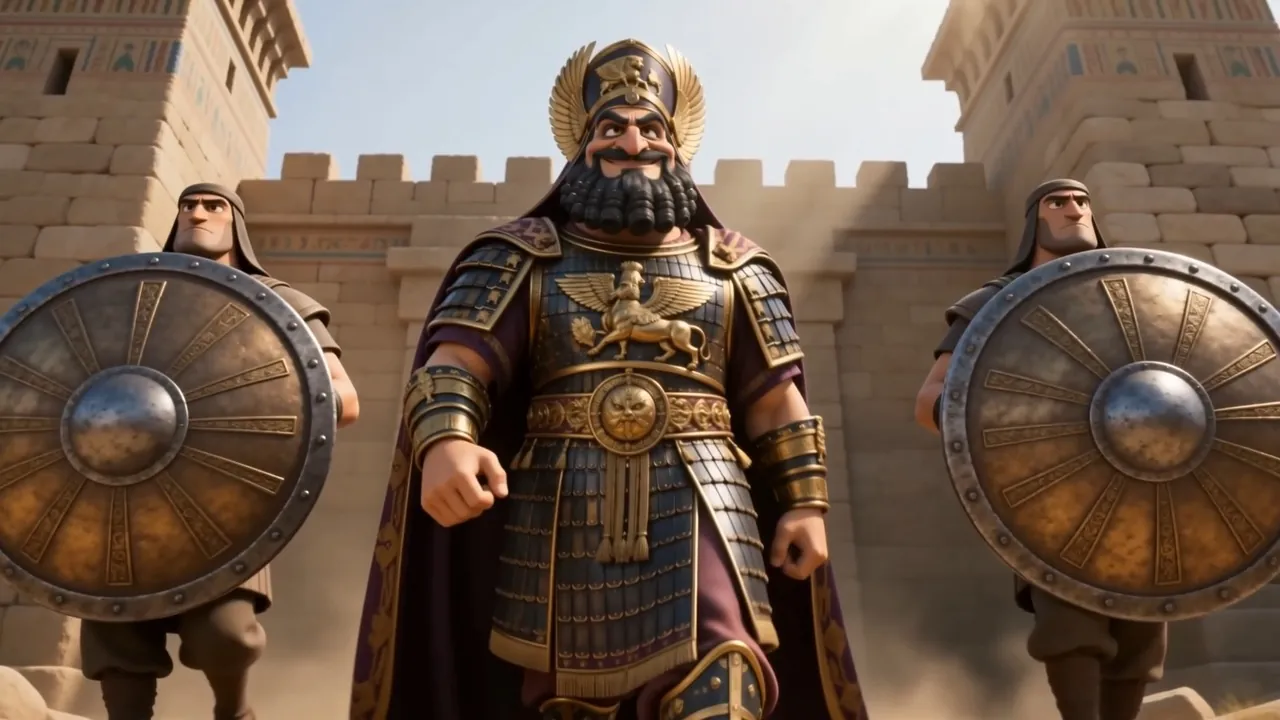
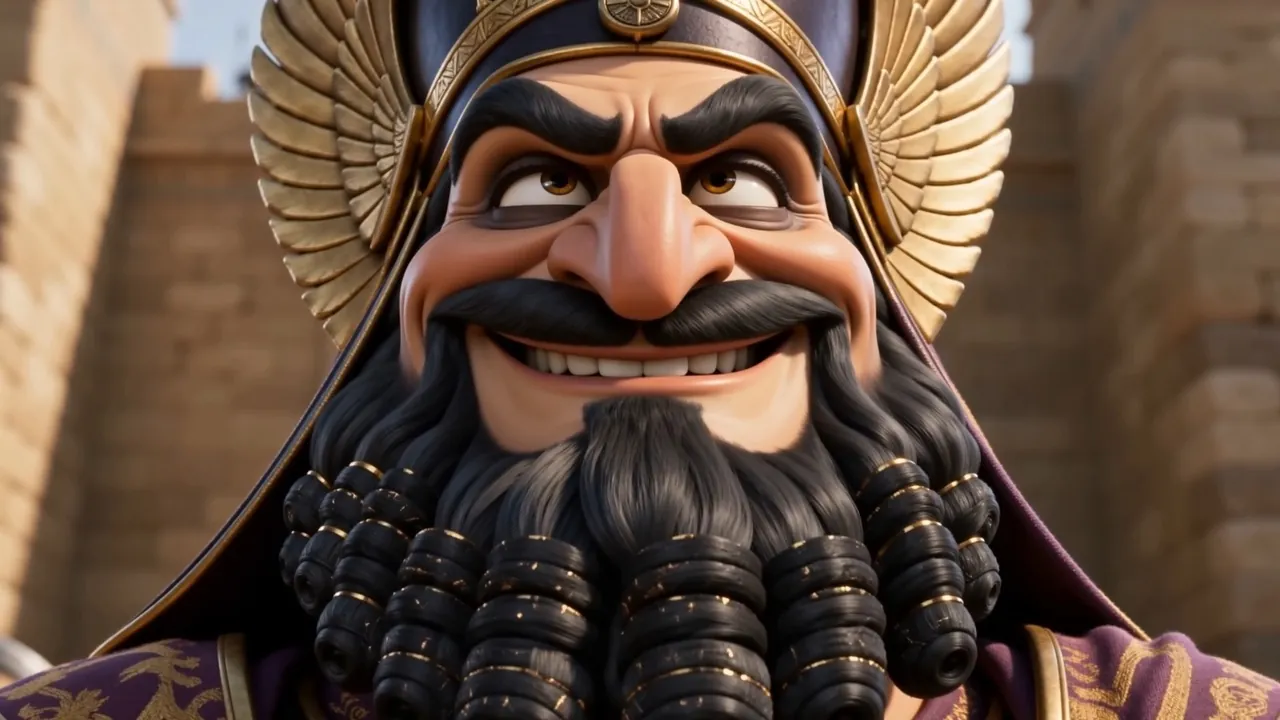
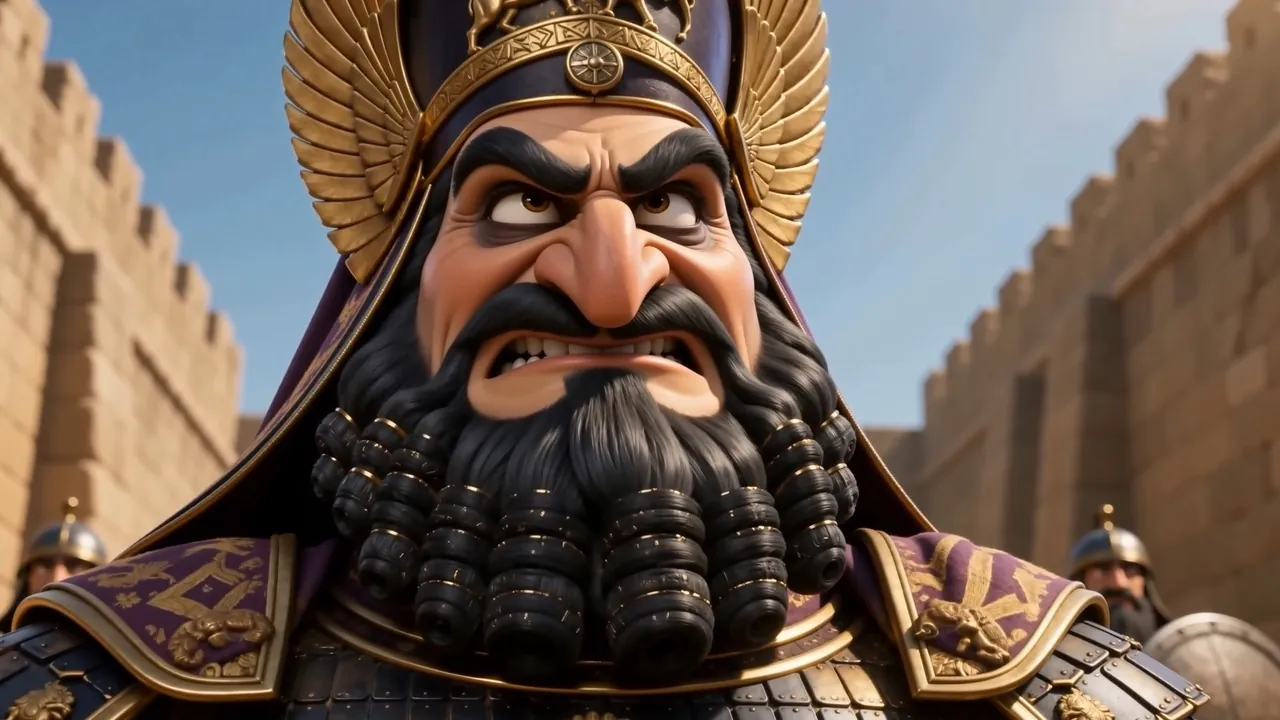
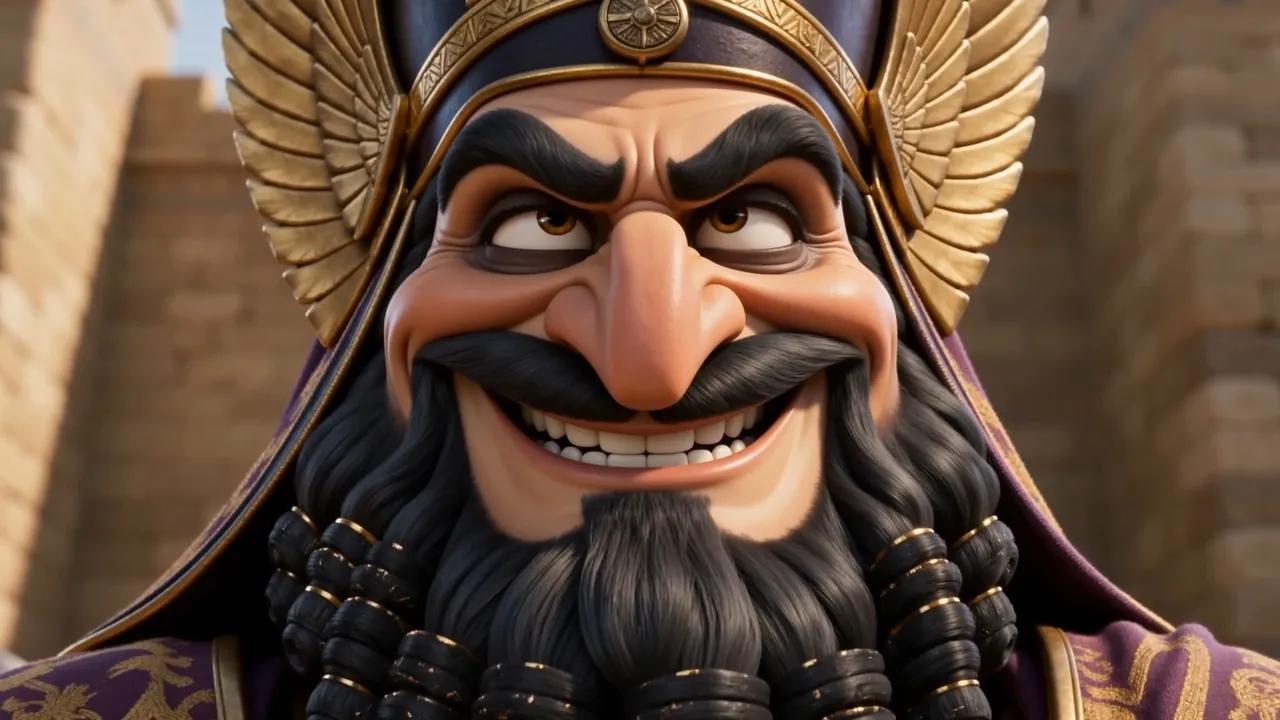
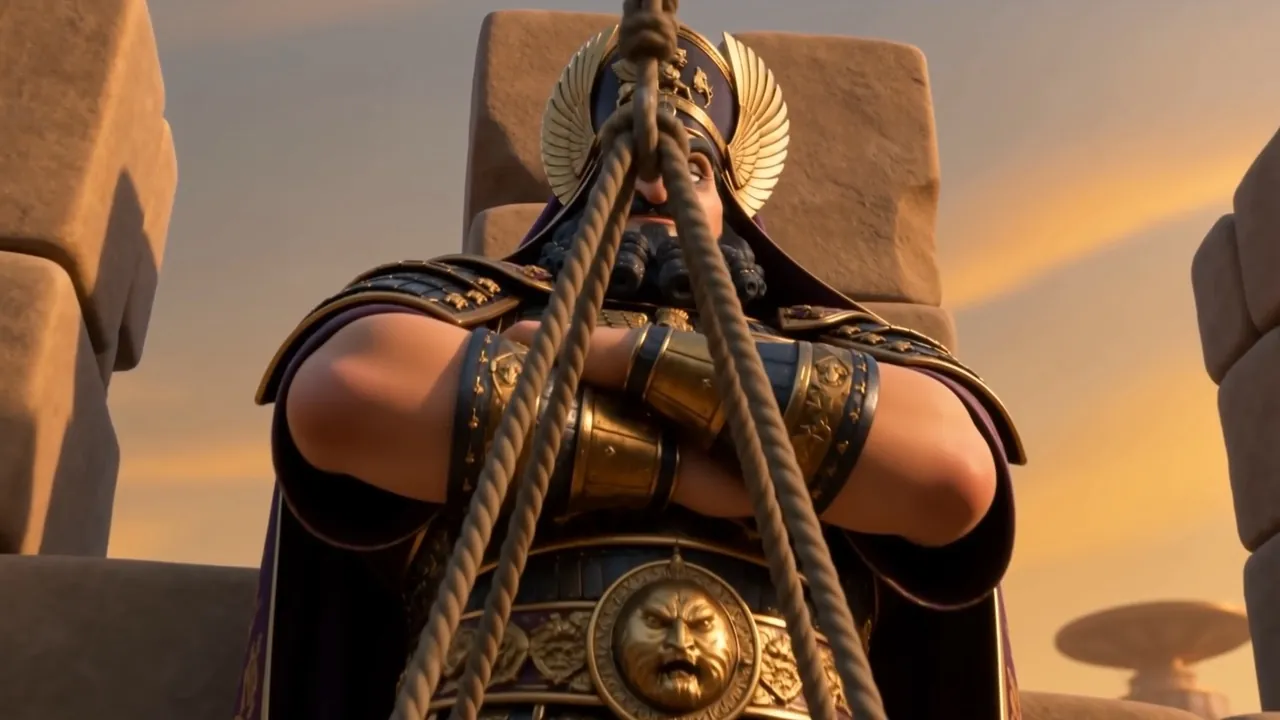
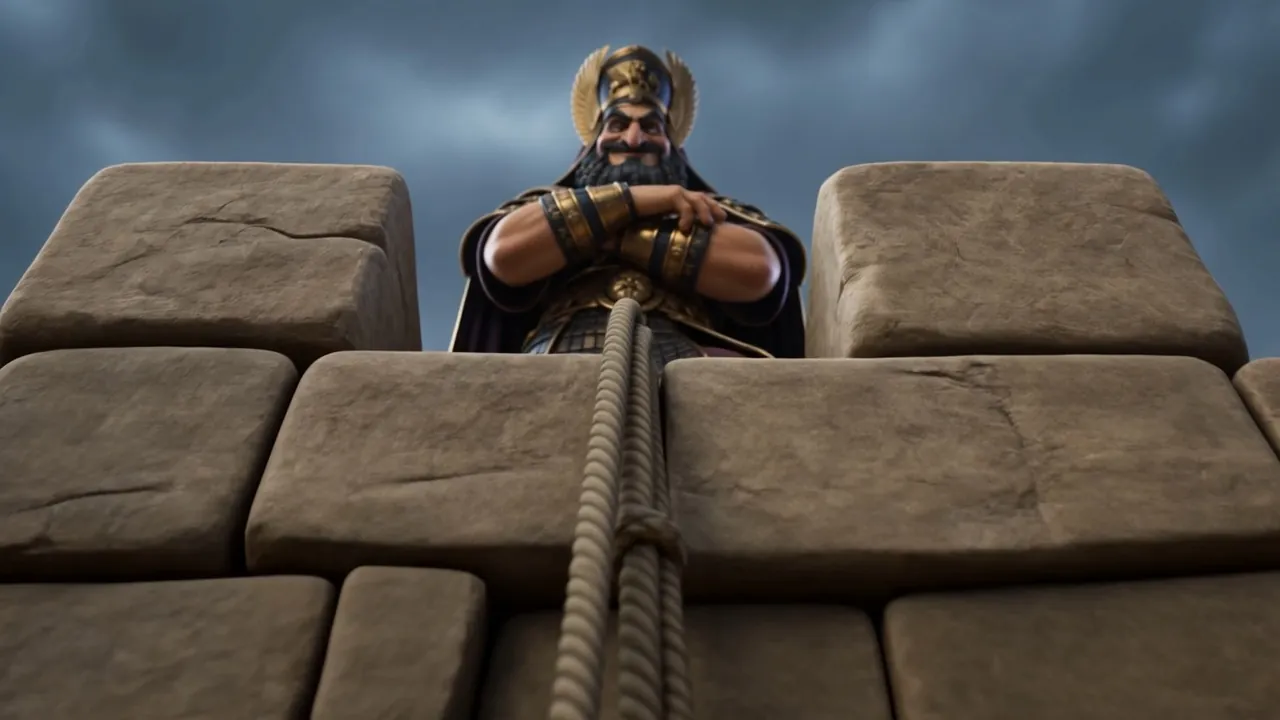
The Rabshakeh came up and stood under the wall, and he is the most frightening thing in the episode: not a monster, a professional. Well fed, well dressed, entirely calm, and delighted with his own material. 2 Kings 18 : 17–19
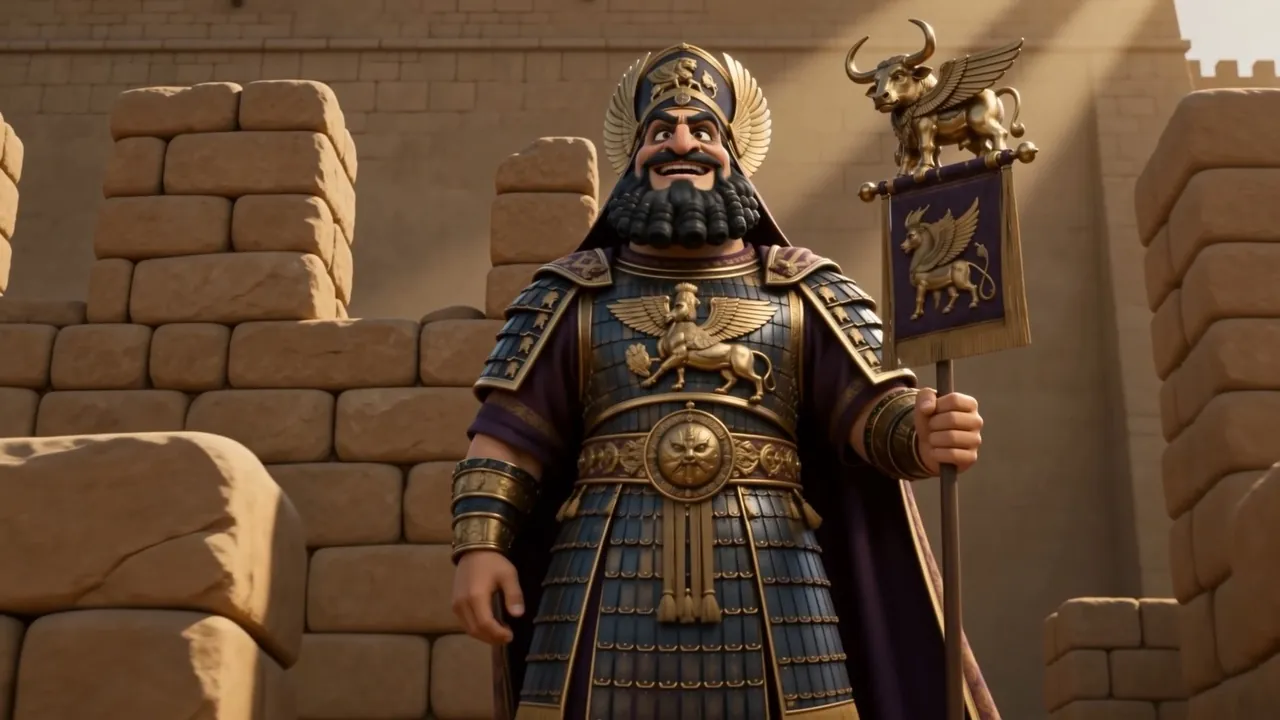
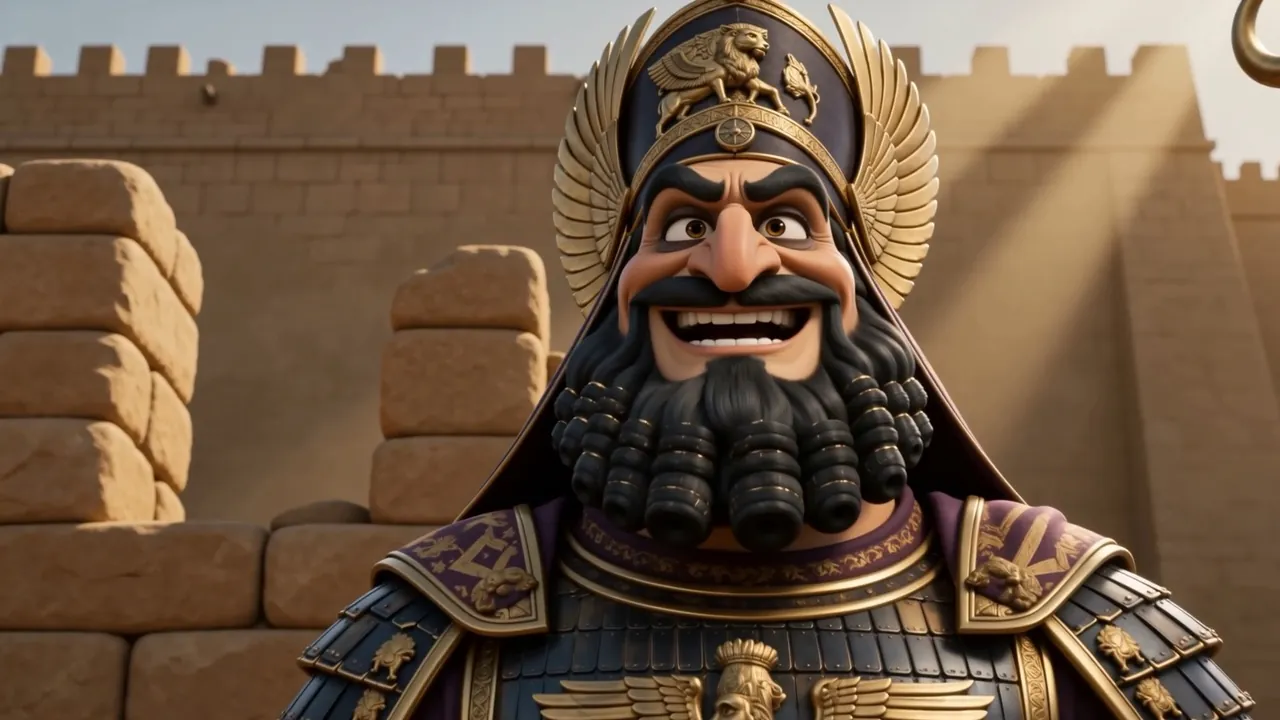

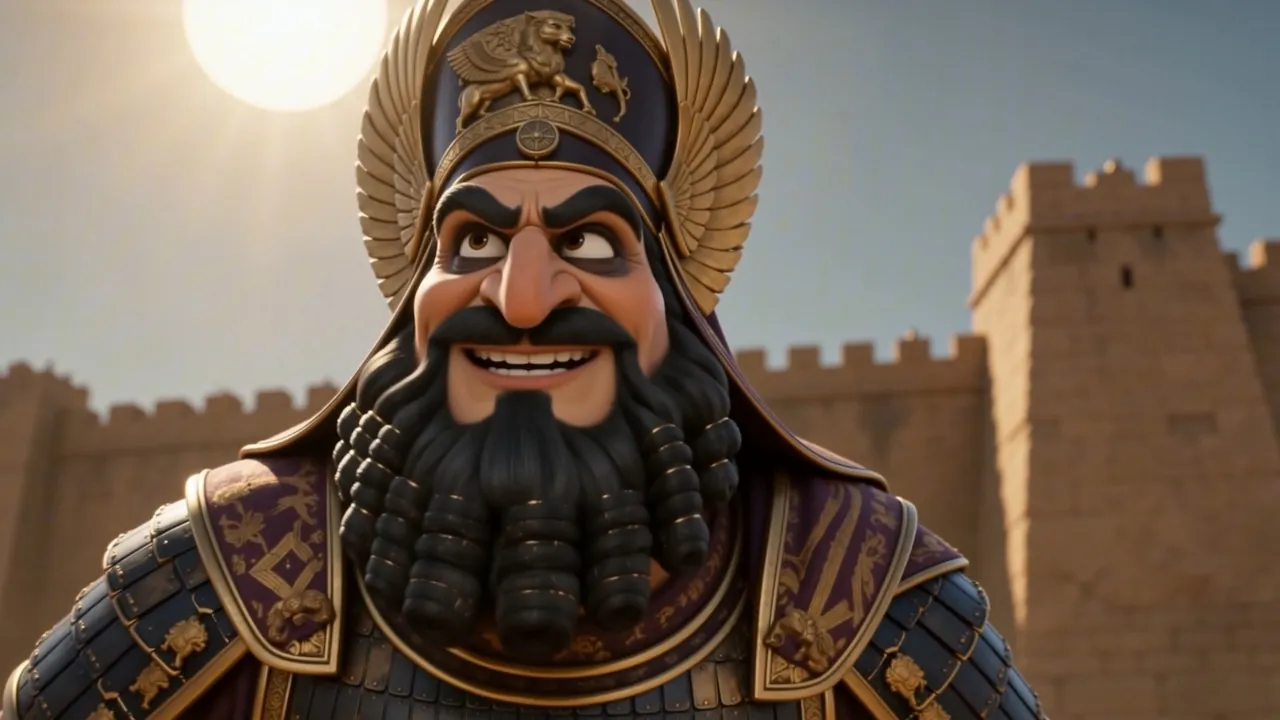
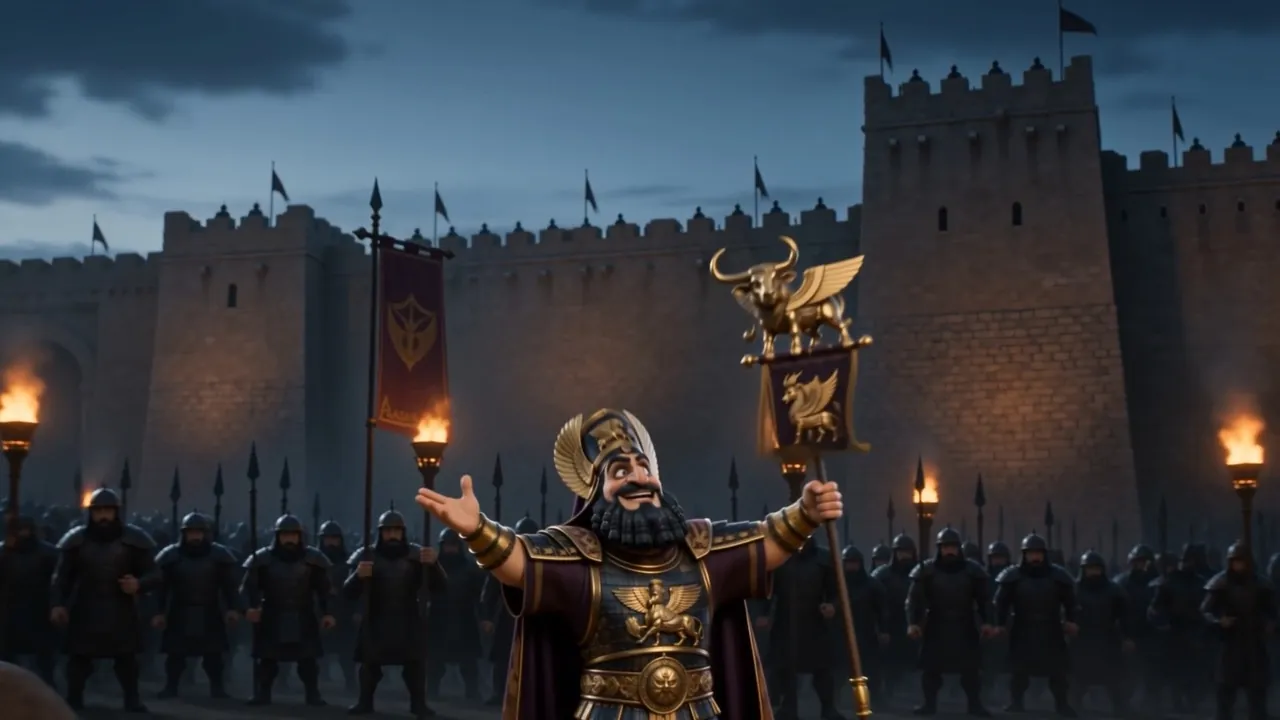
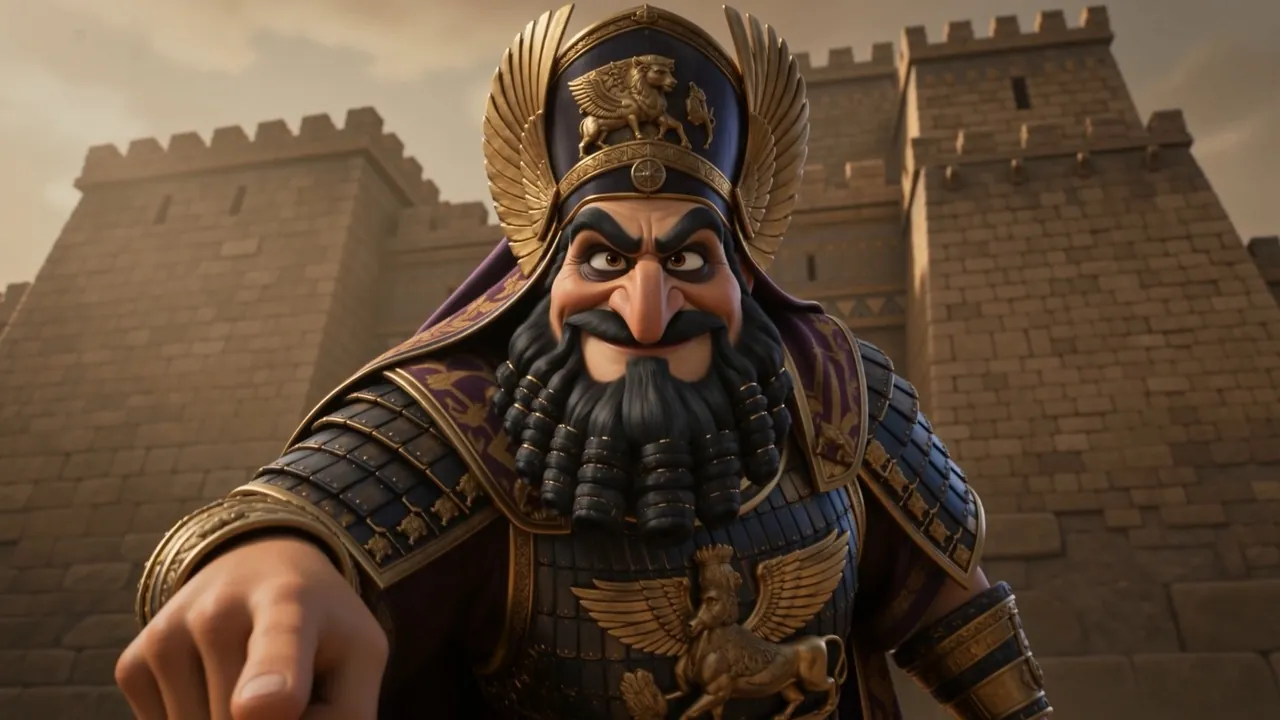
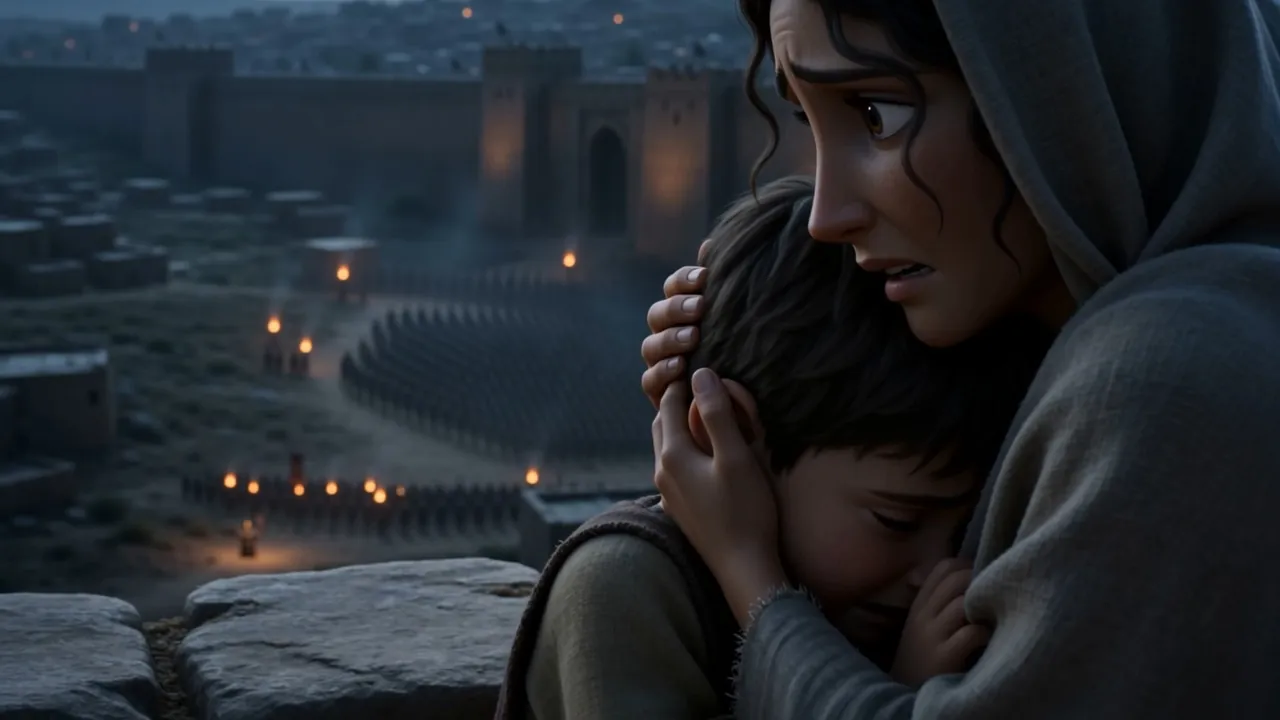
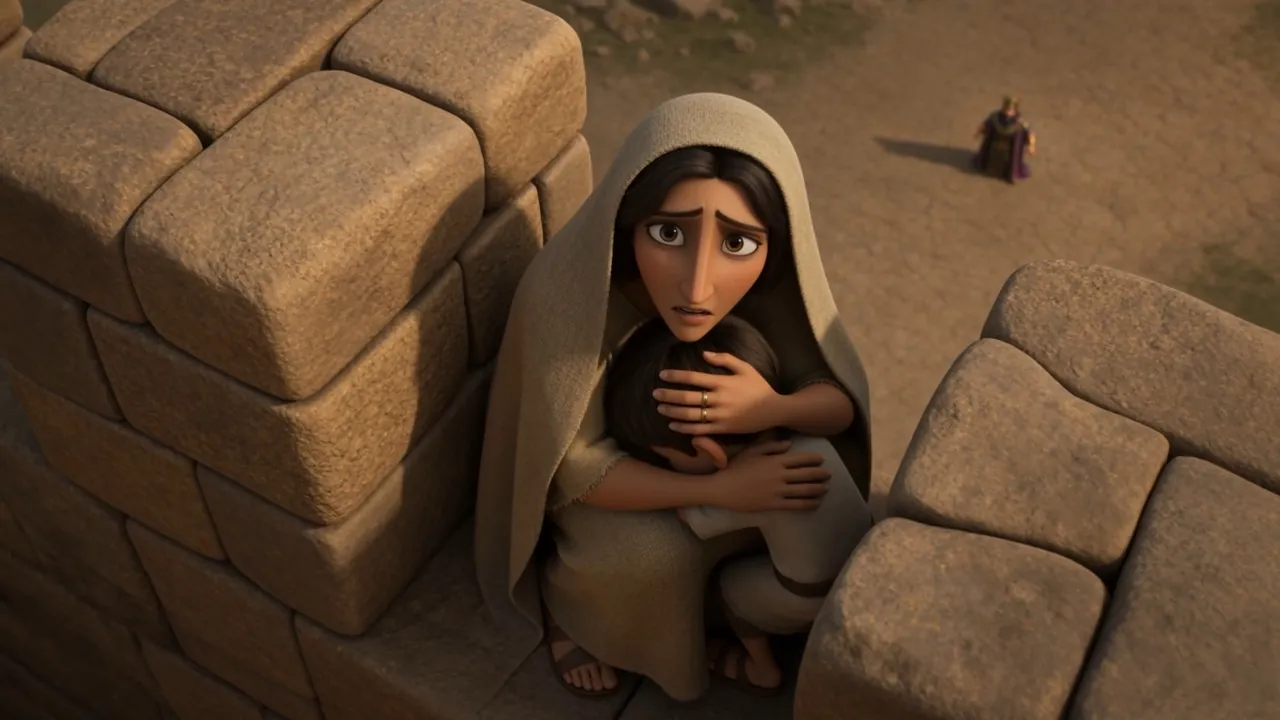
He shouted it in Hebrew, deliberately, so that everyone on the wall could understand: don't let Hezekiah fool you, don't let him make you trust Yahweh. Then the argument that had worked forty-six times already — “Have the gods of the nations ever delivered their land out of the hand of the king of Assyria?” Every name he listed was true. And the people on the wall held their peace, and answered him not a word. 2 Kings 18 : 28–36
In whom do you trust?
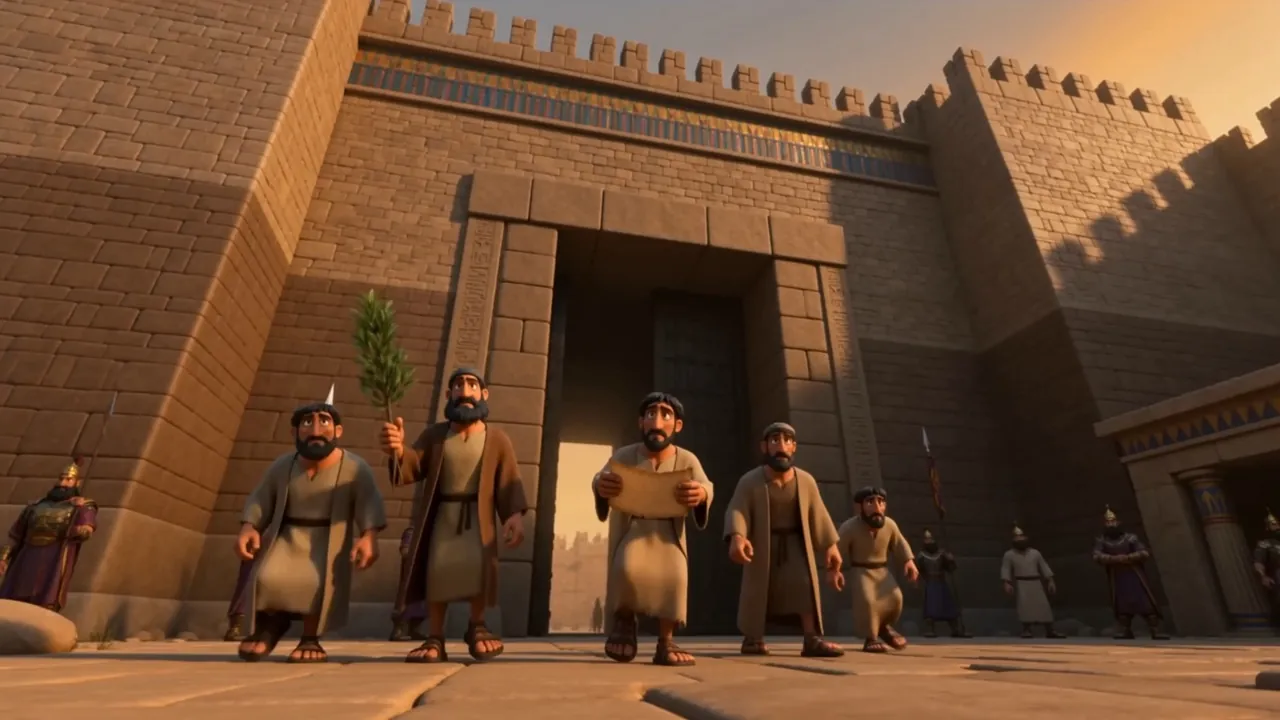
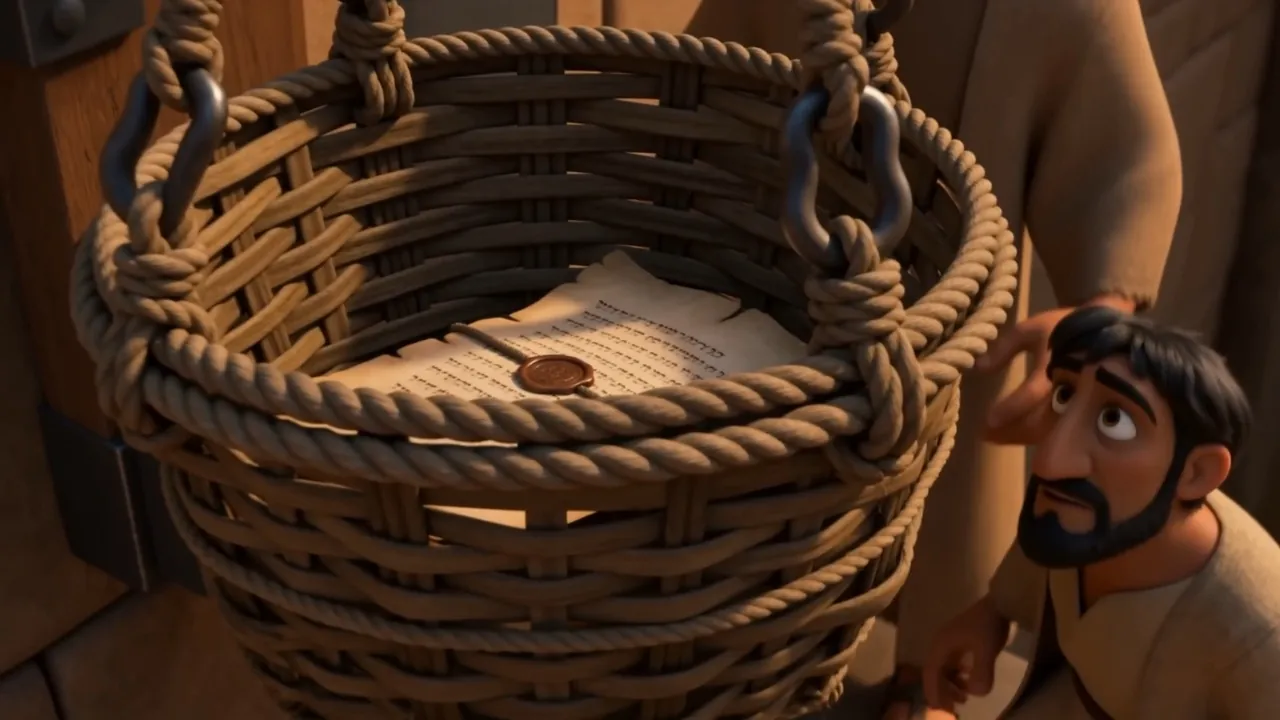
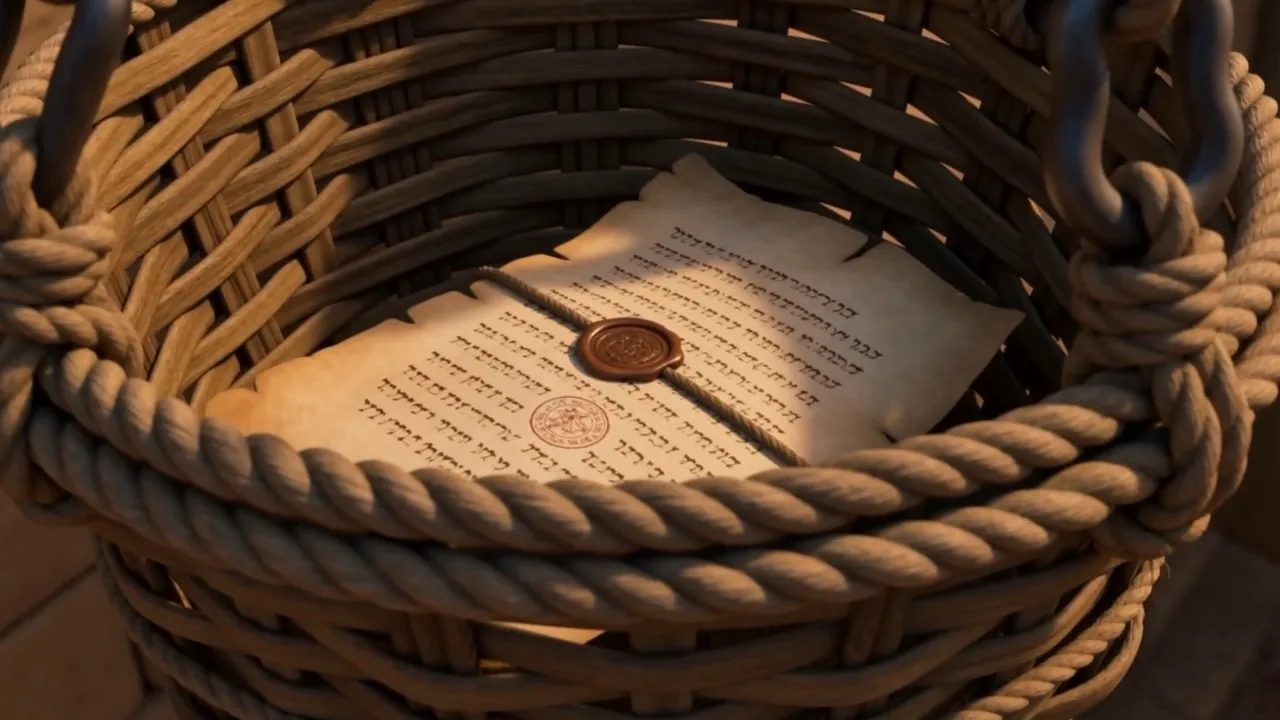
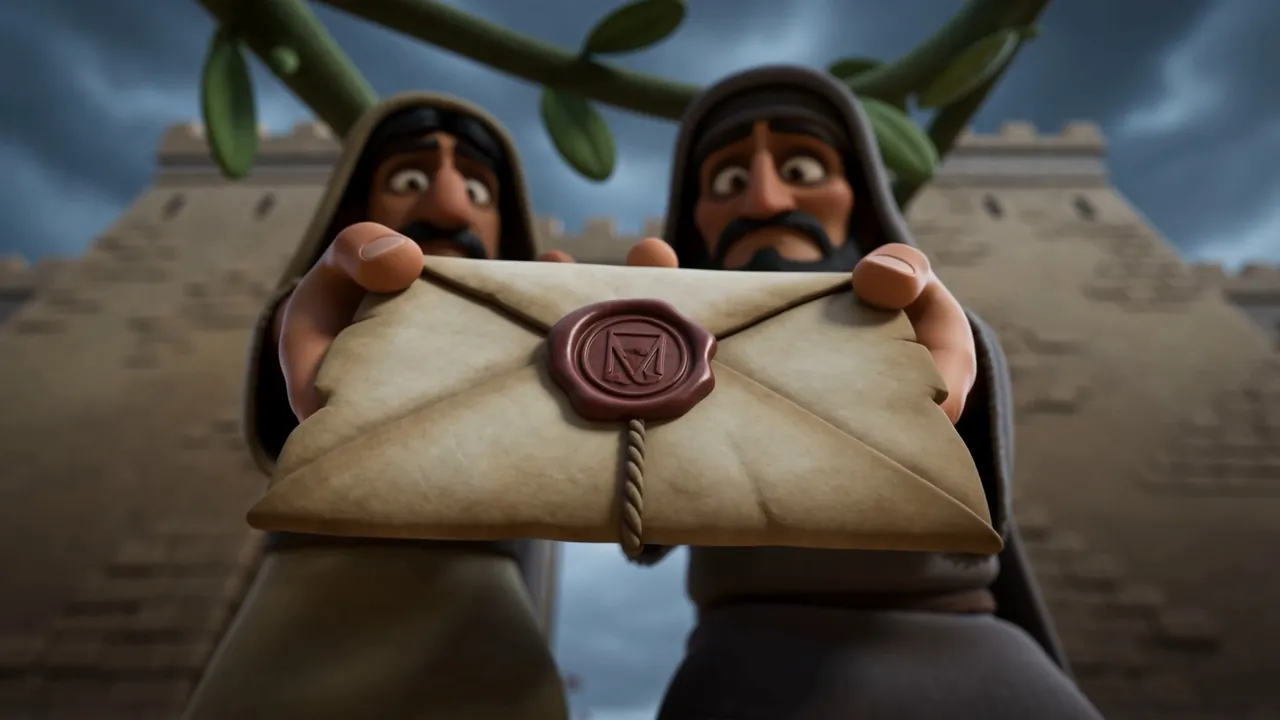
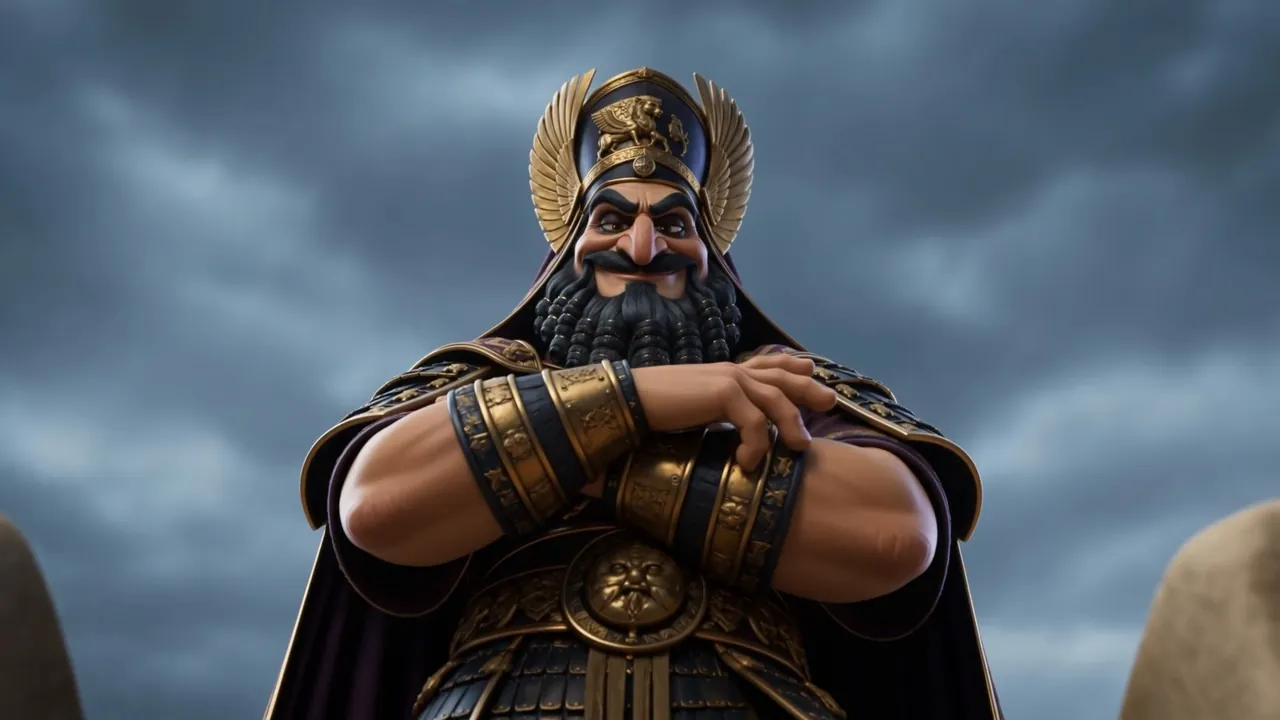
Then Sennacherib put it in writing, which is worse, because a letter can be read again. It repeated the argument and named the gods of Gozan and Haran and Sepharvaim, all of whom had also been unable to help. It was delivered to the king of Judah personally. 2 Kings 19 : 8–13
Interlude · Your turn
The letter is in the king's hands. What do you do with a thing like that?
Sennacherib put the terror in writing. Choose for Hezekiah.
Press and hold to spread the letter out flat
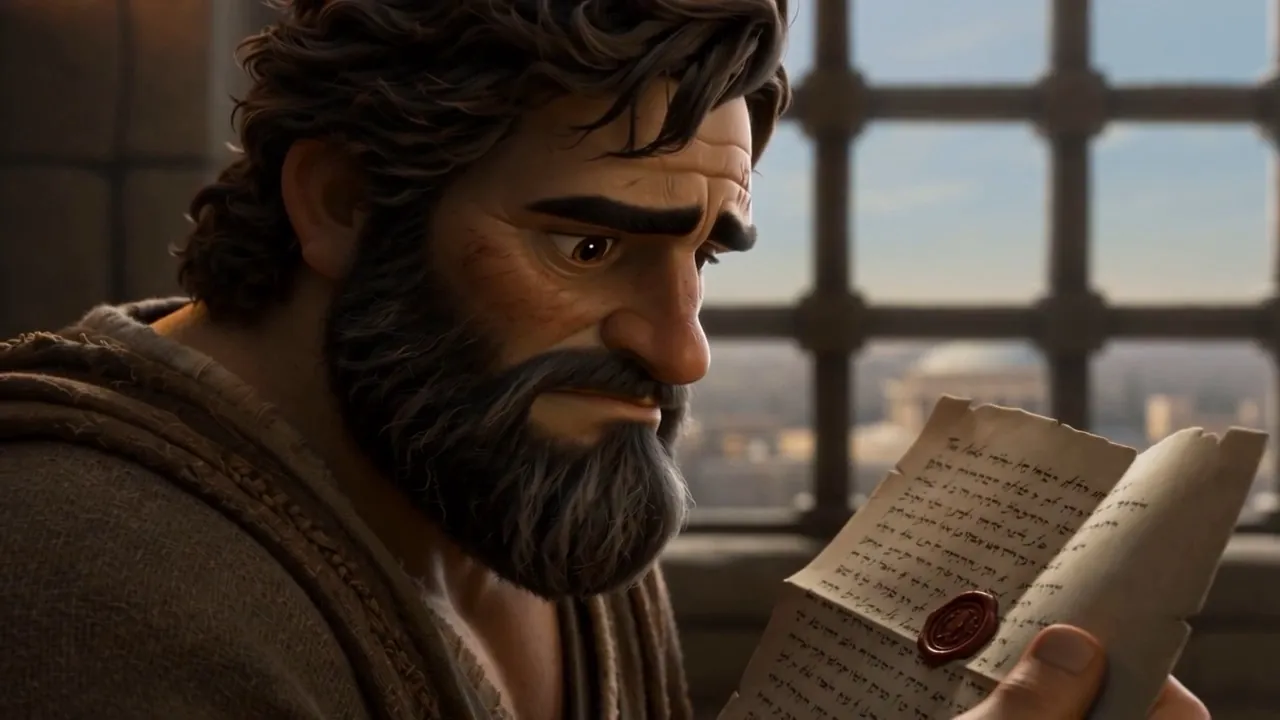
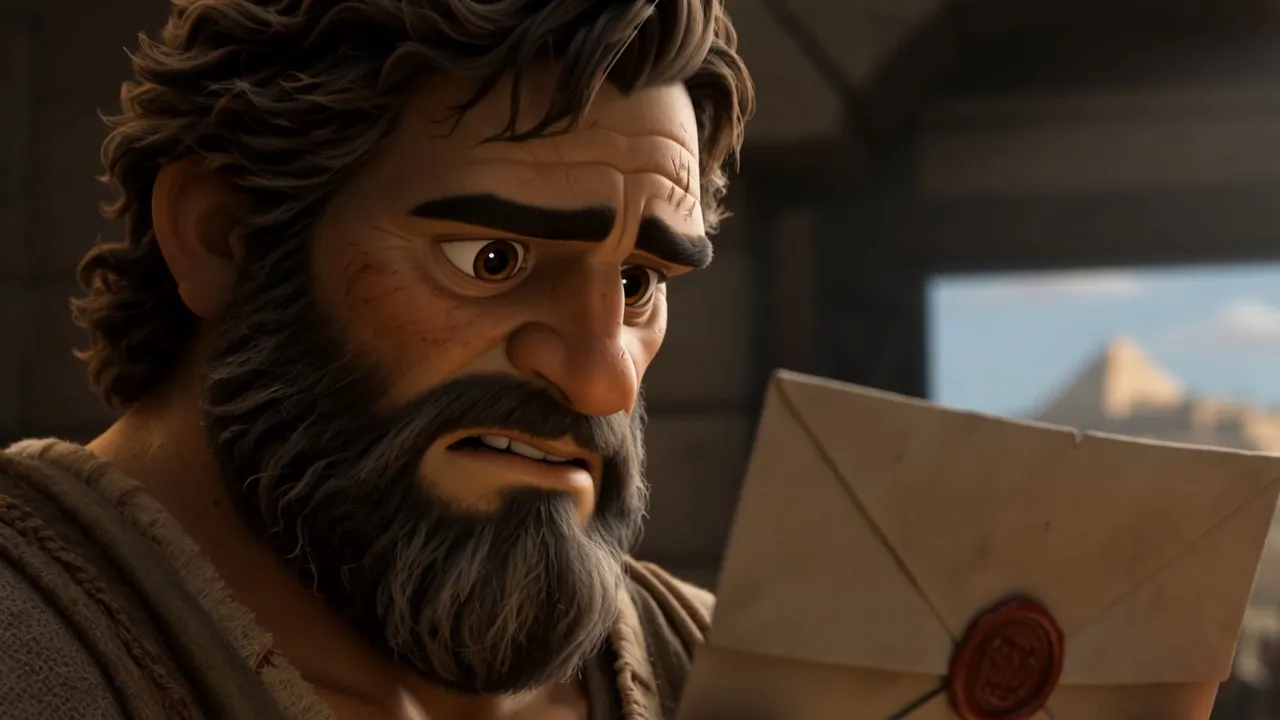
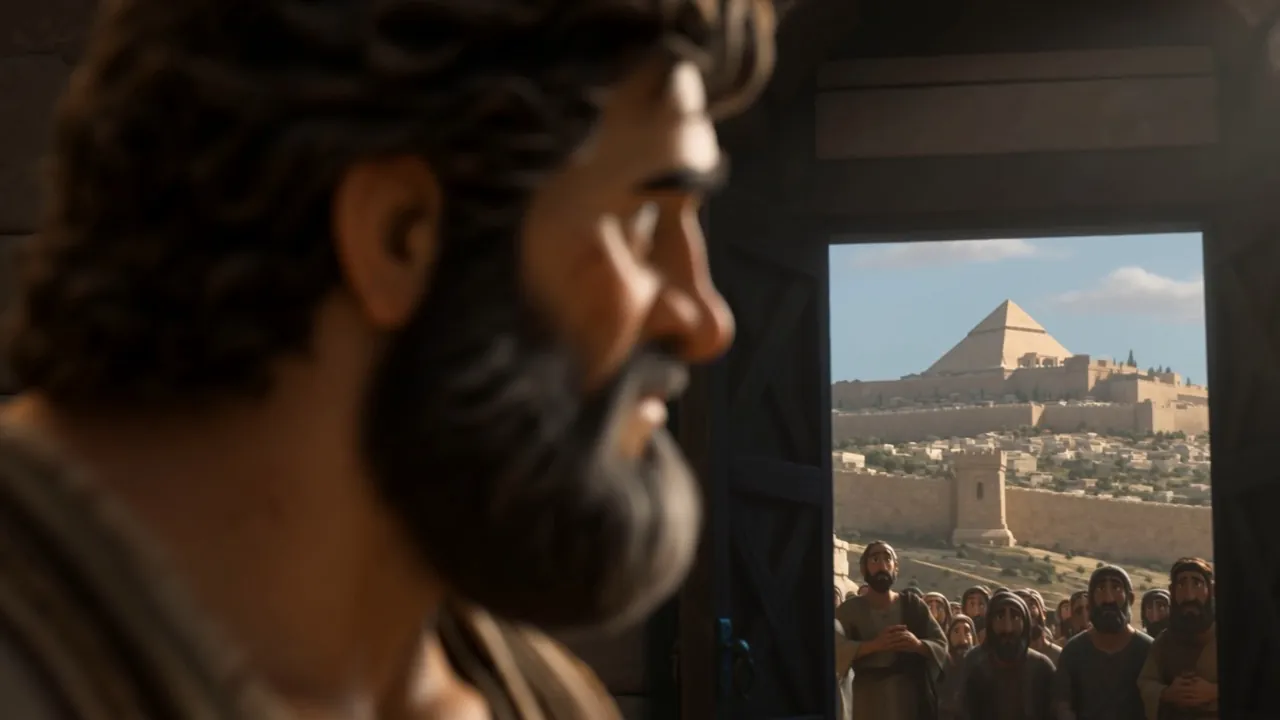
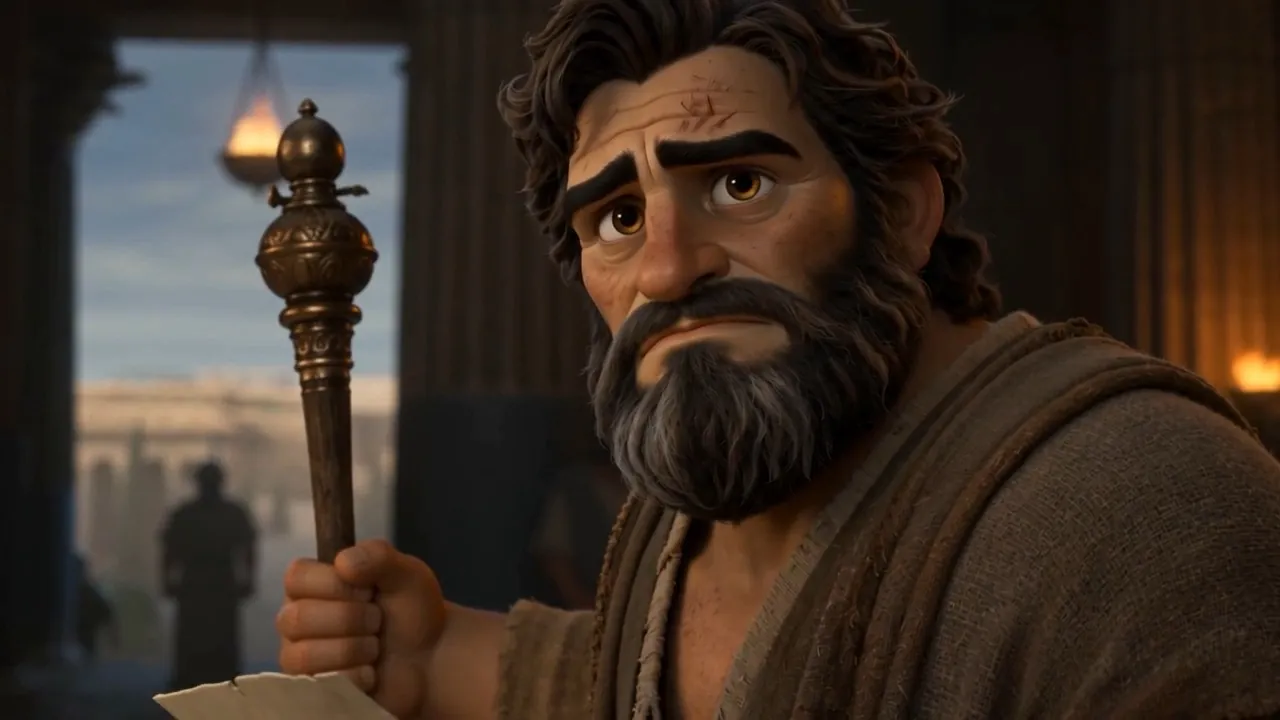
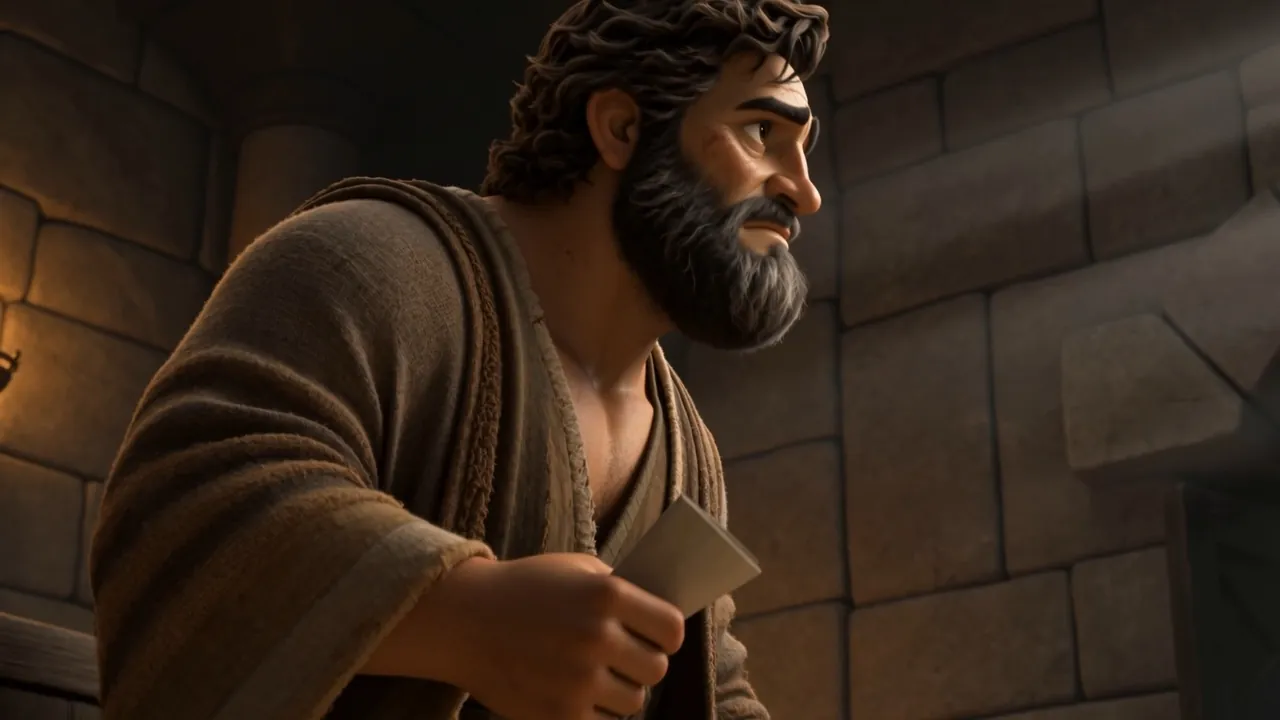
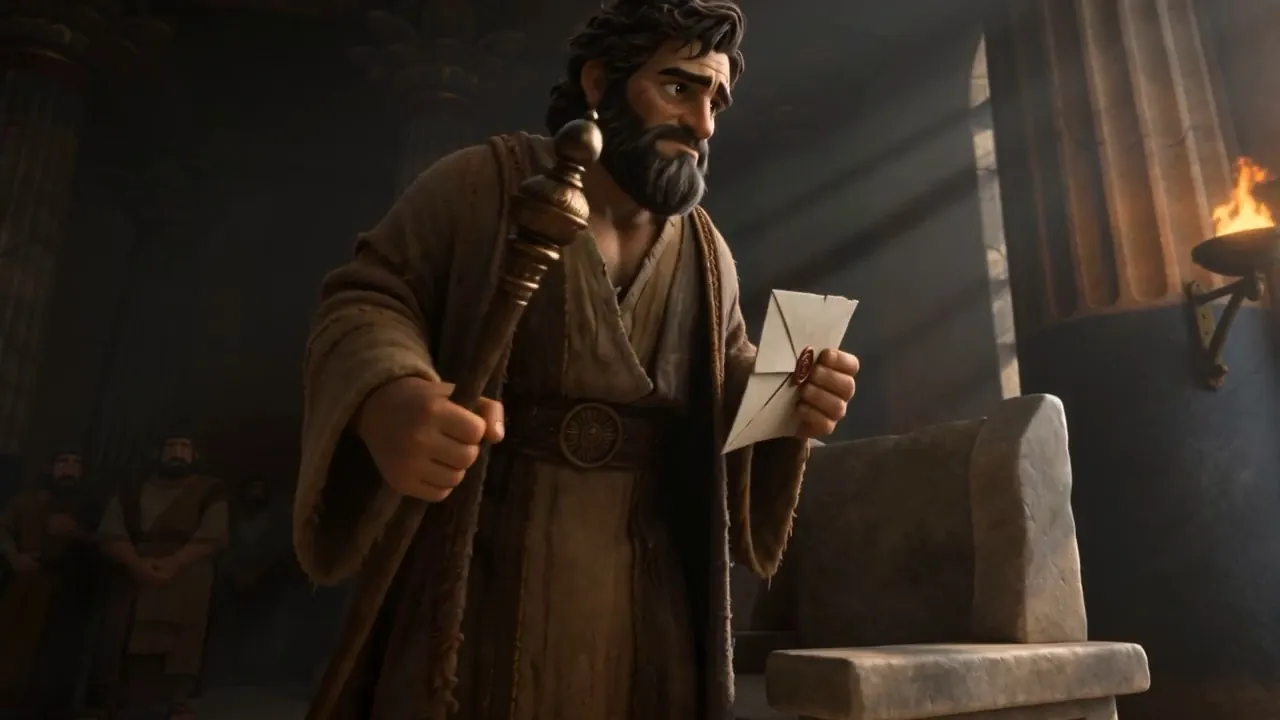
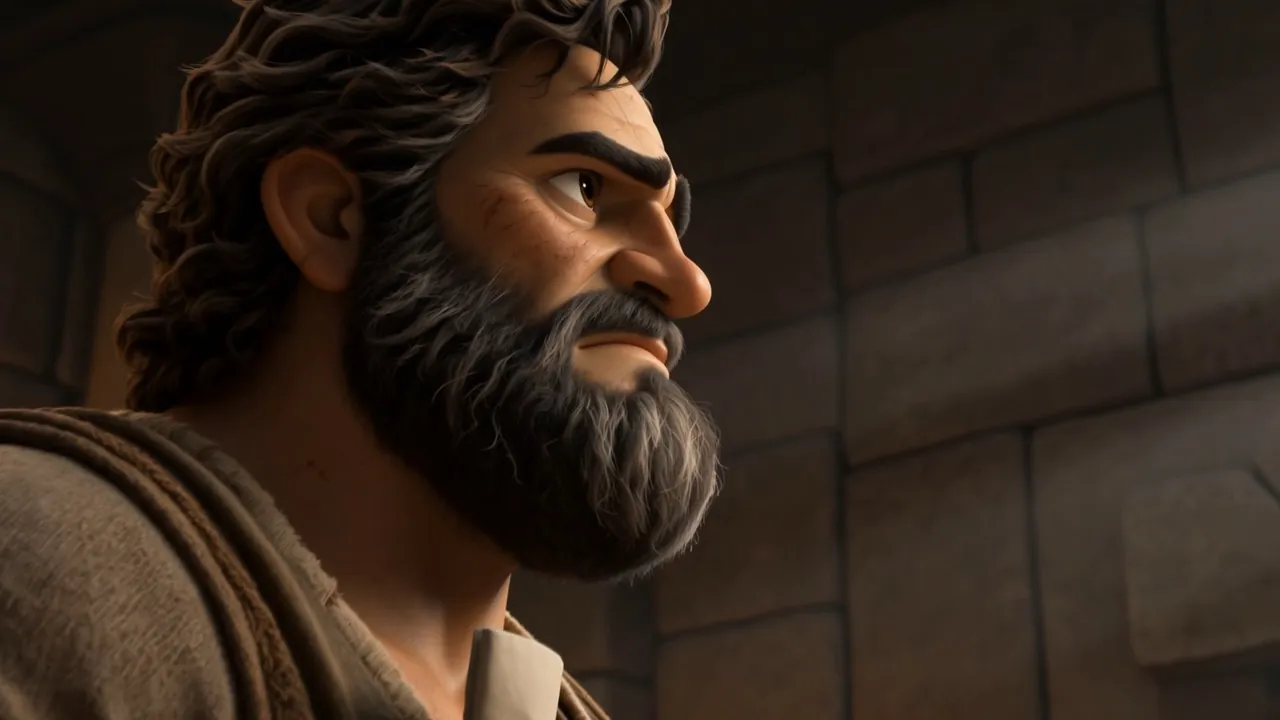
Hezekiah received the letter from the hand of the messengers and read it. He did not call a council. He did not answer it. He took it and went up to the house of Yahweh, on his own, at night, carrying the thing that was frightening him. 2 Kings 19 : 14
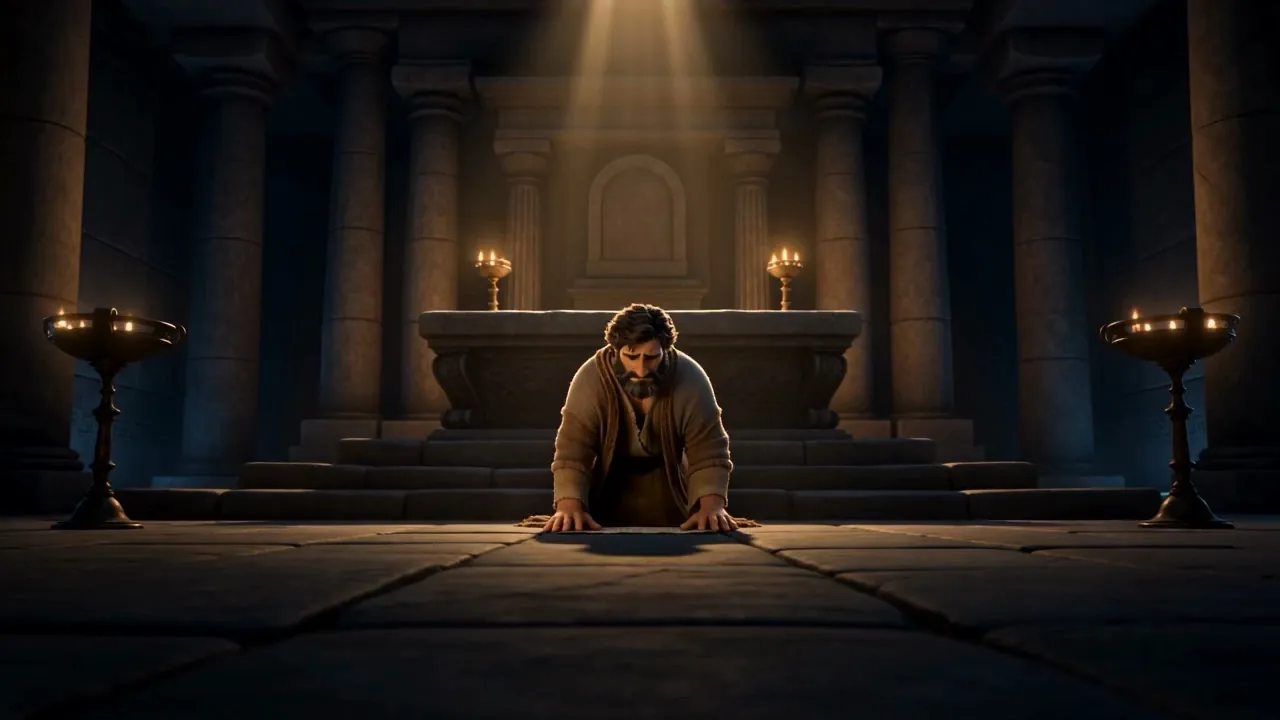
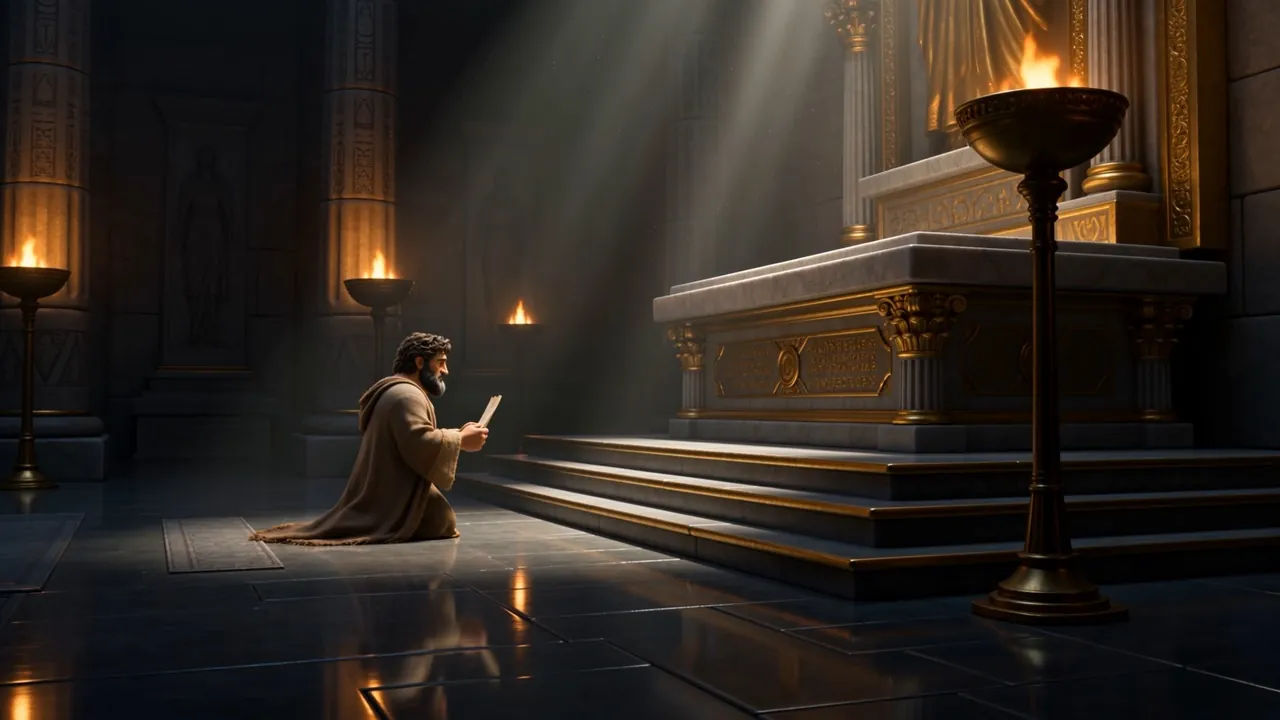
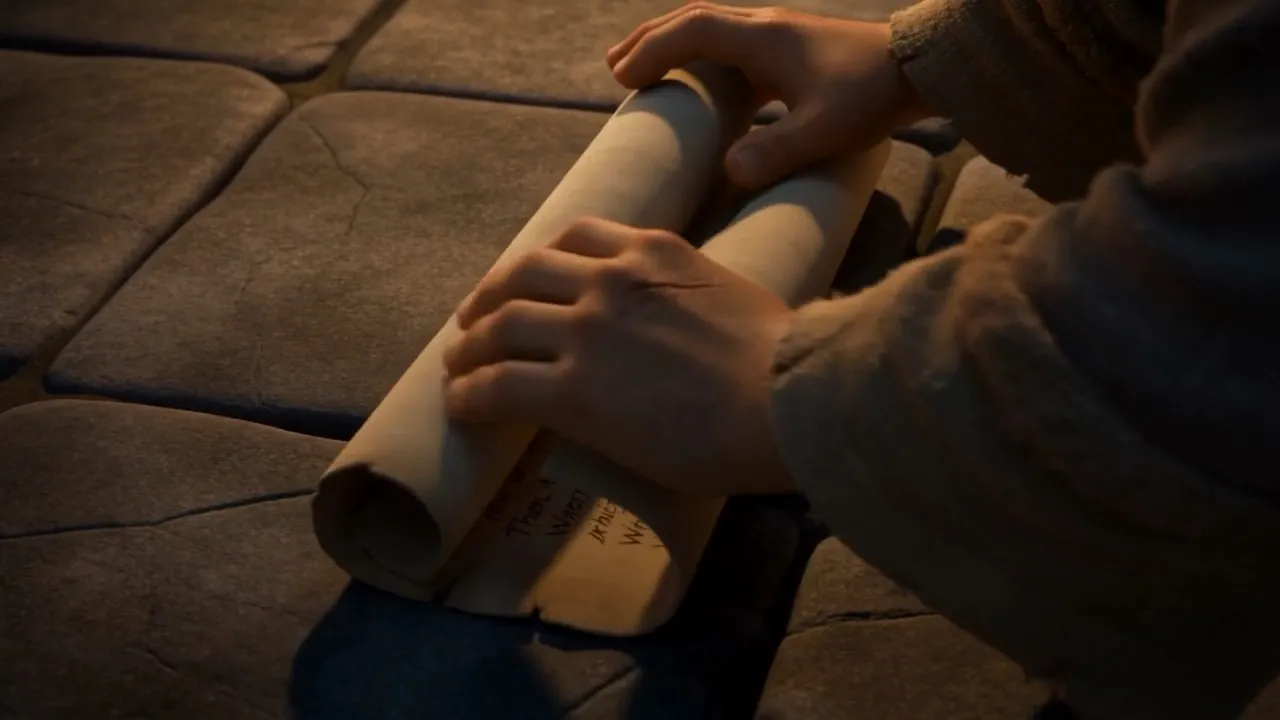
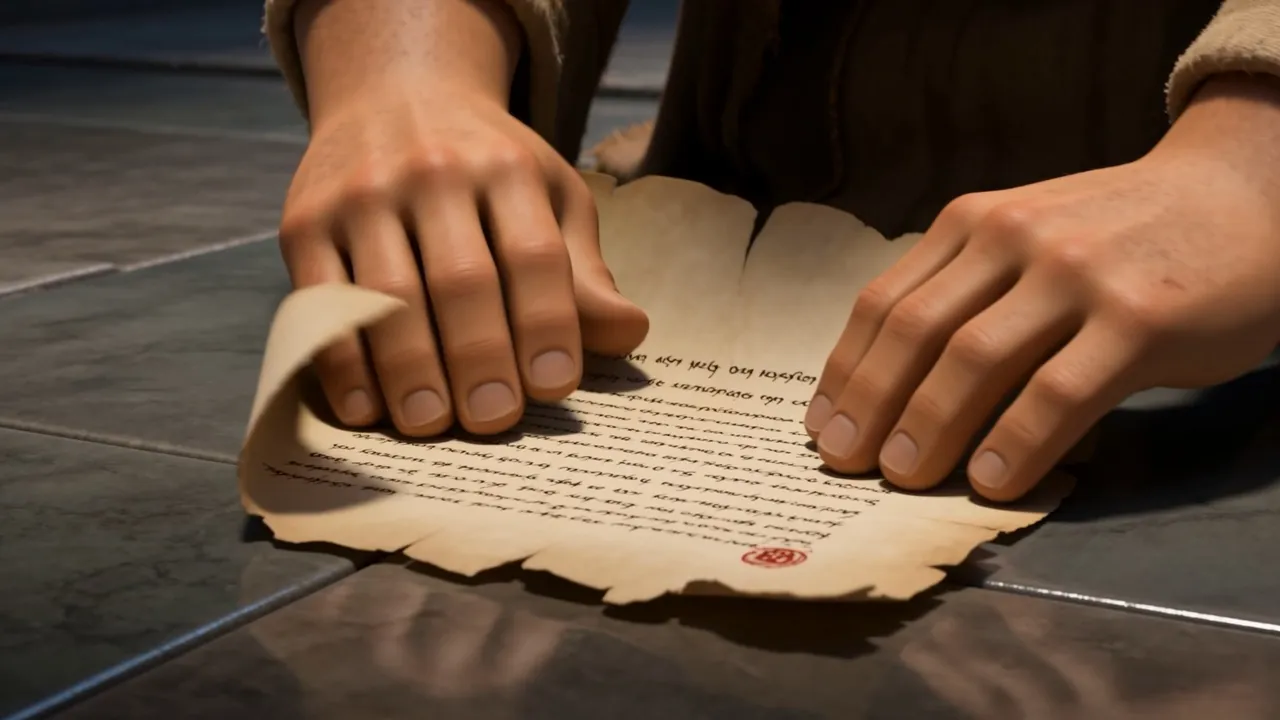
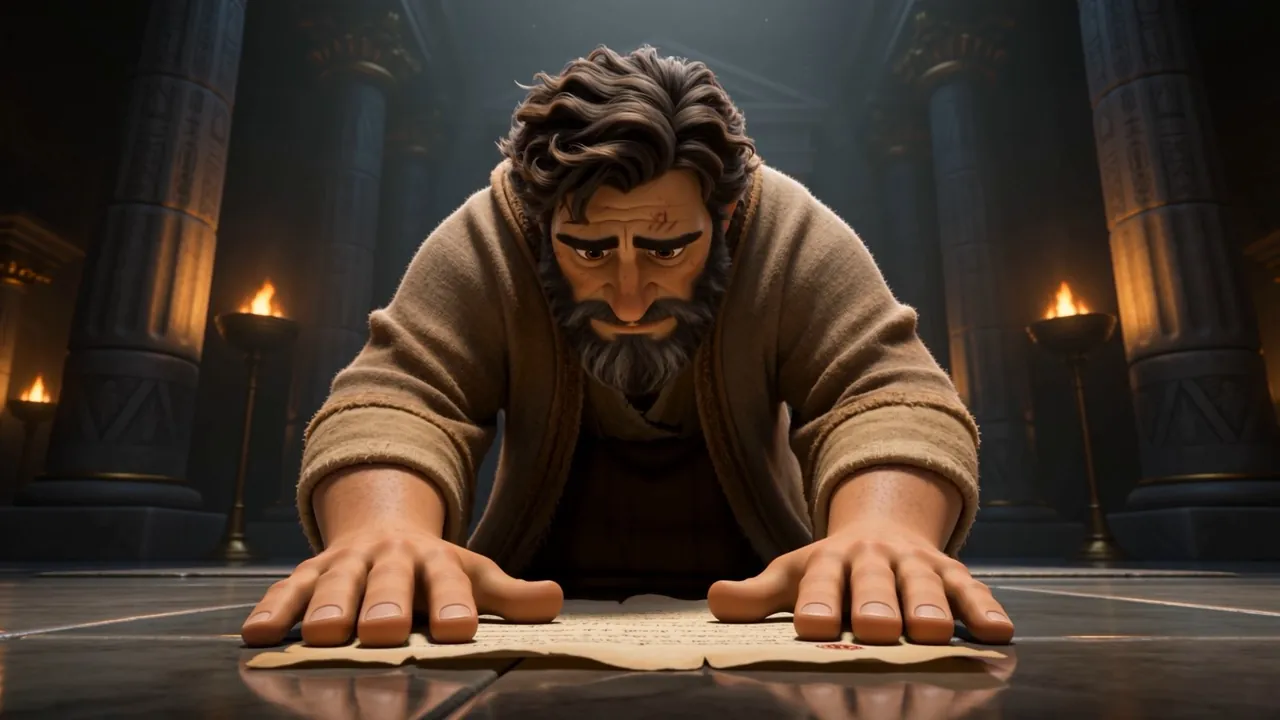
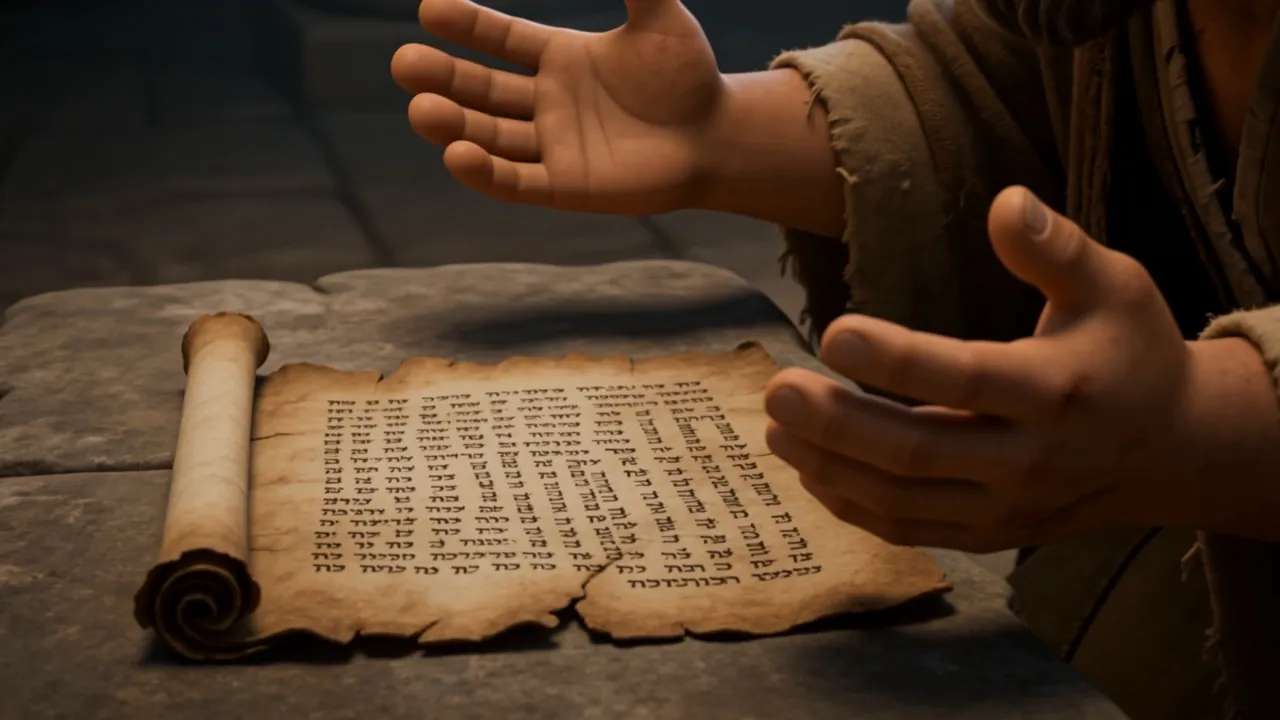
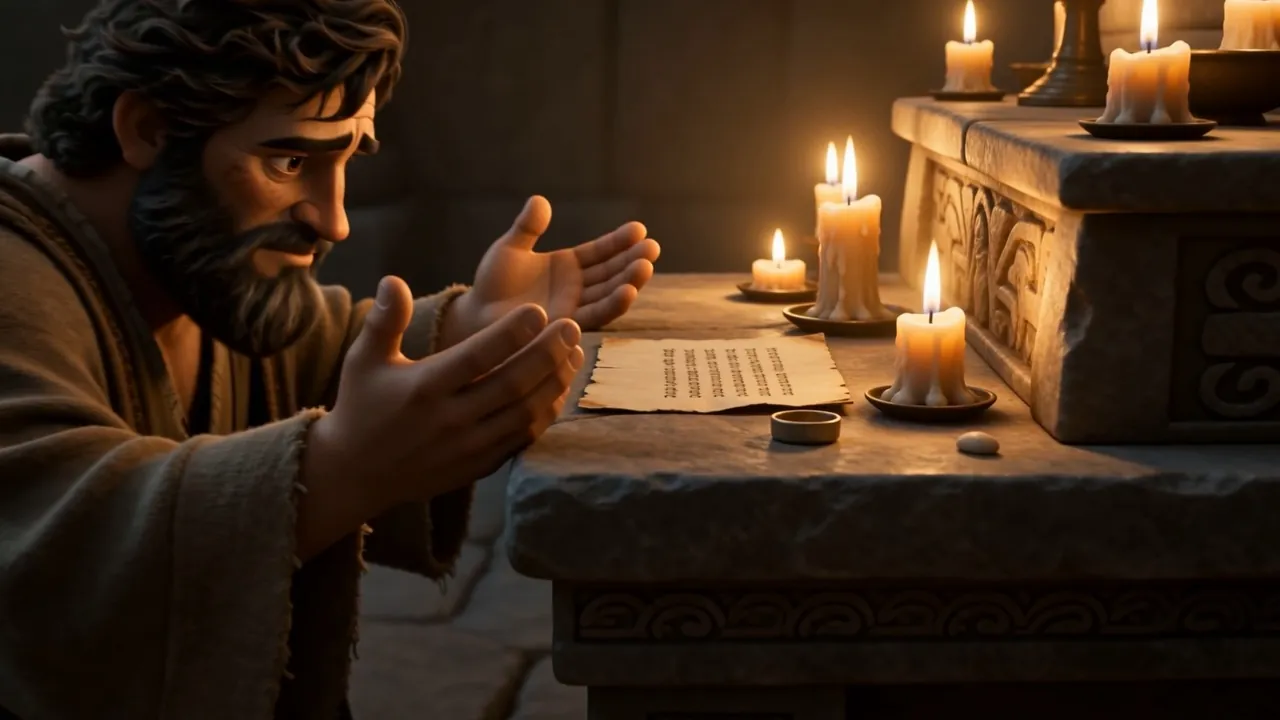
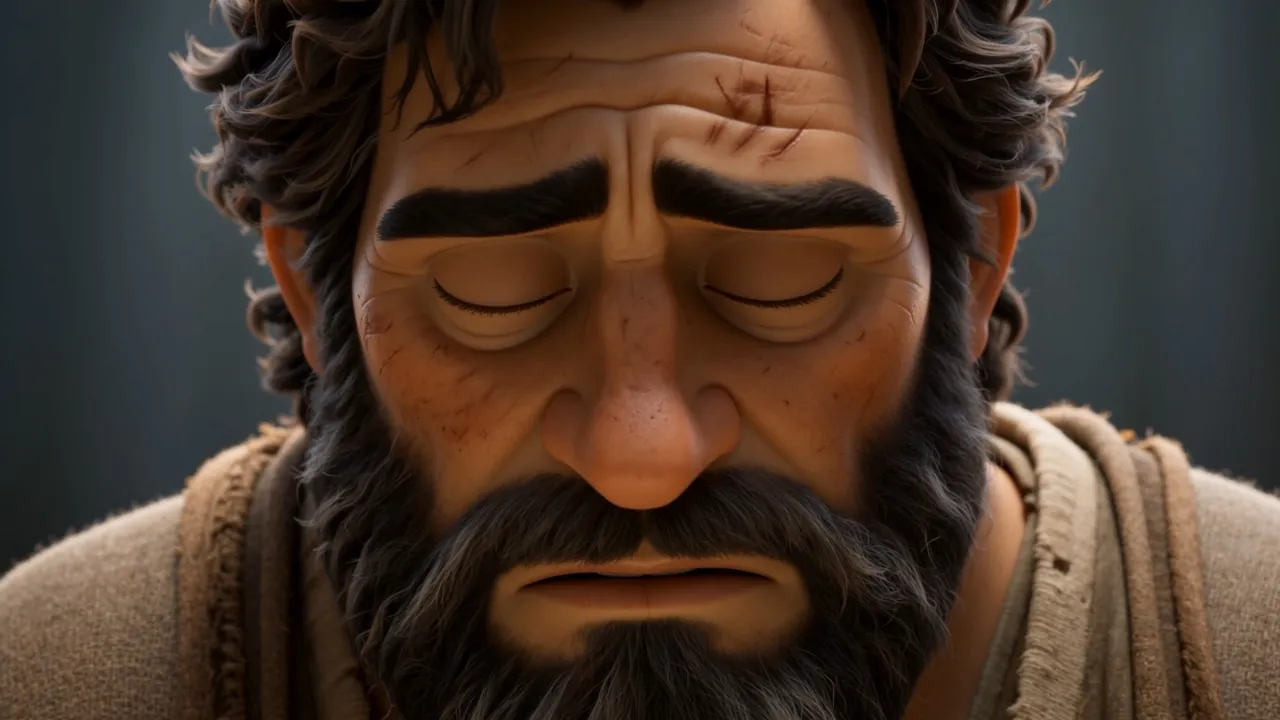
And then he does the thing this whole episode is named for. He does not read it aloud, or paraphrase it, or explain it. Hezekiah went up to the house of Yahweh and spread it before Yahweh. He put the letter on the floor, flat, where God could see it — and prayed the most sensible prayer in the Old Testament: “Open your eyes, Yahweh, and see; and hear the words of Sennacherib.” 2 Kings 19 : 14–16
He spread it before Yahweh.
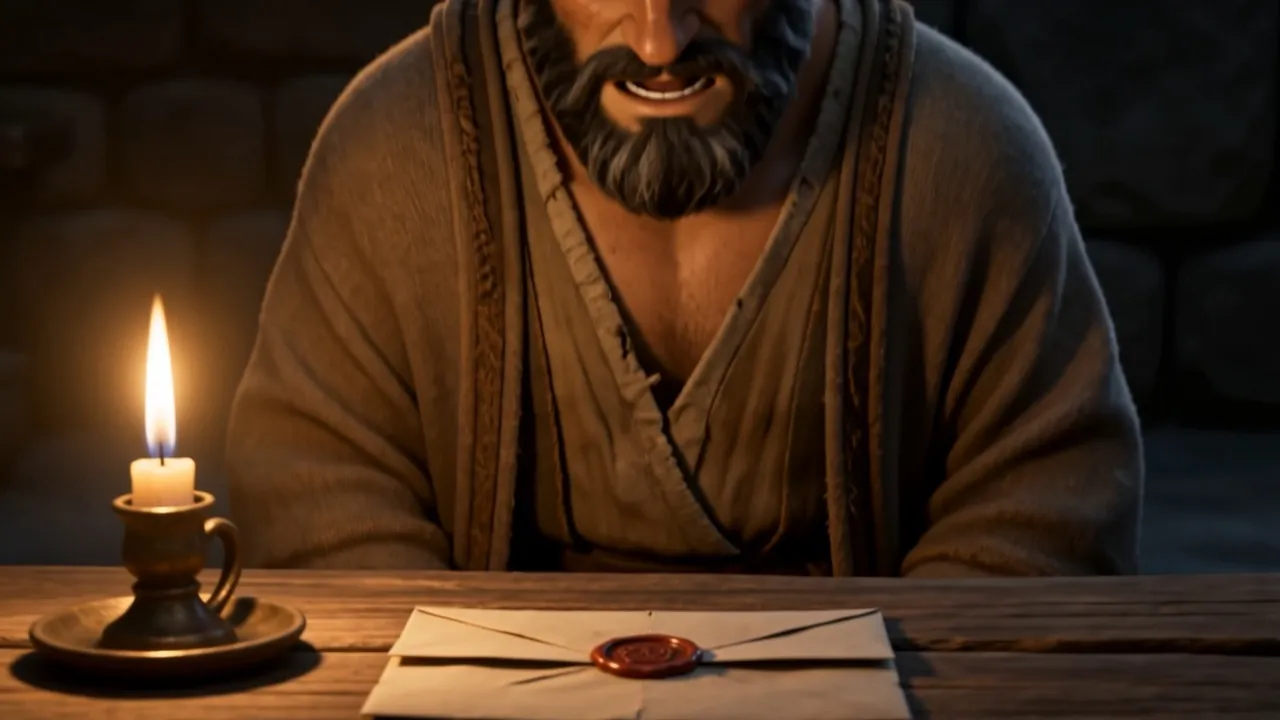
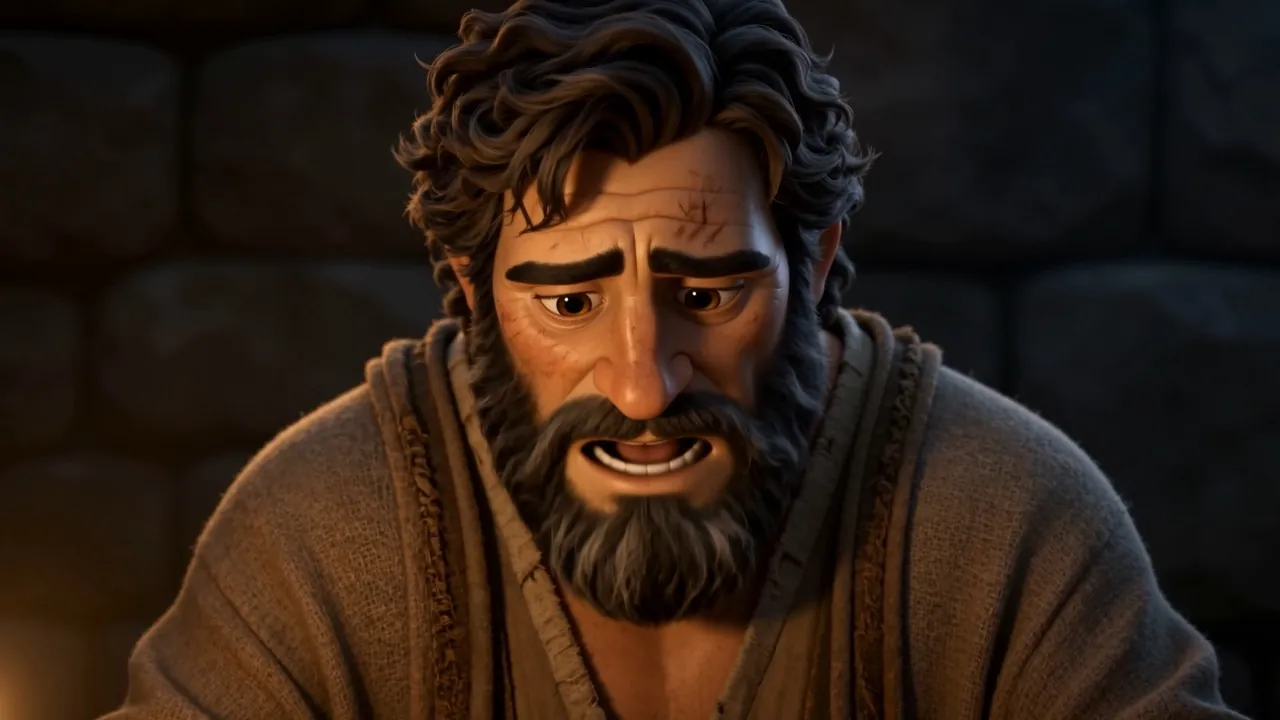
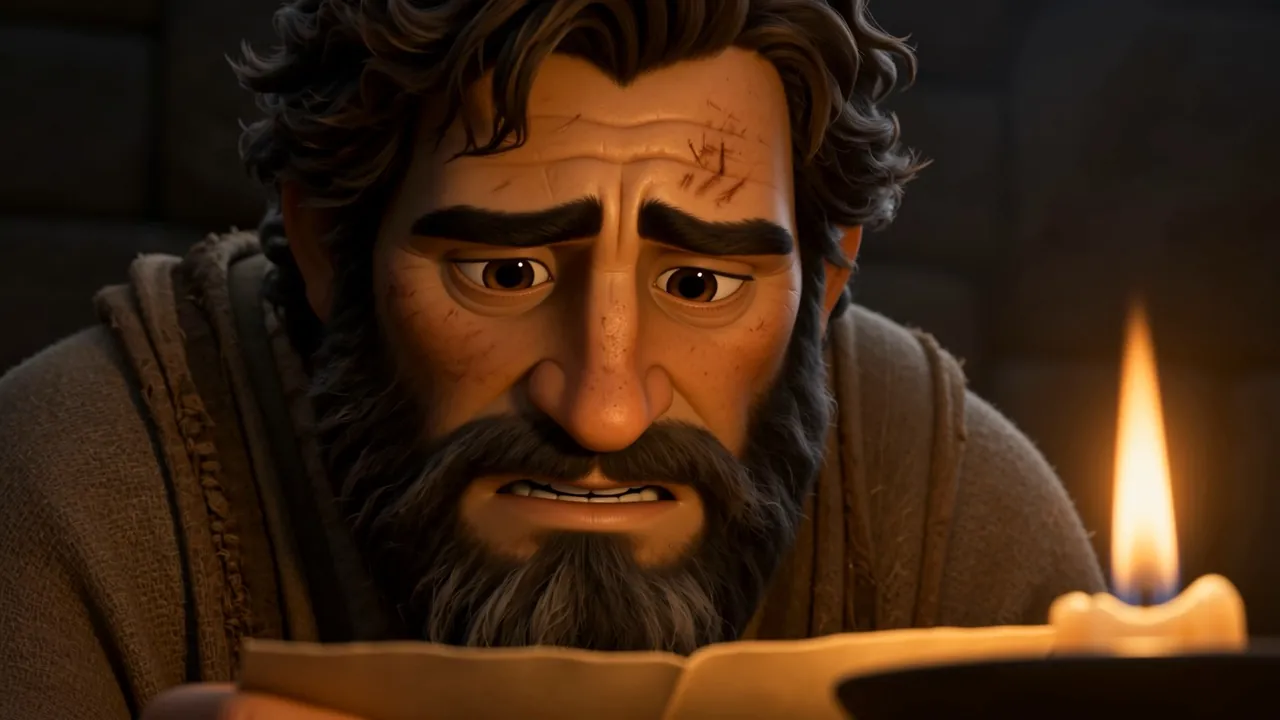
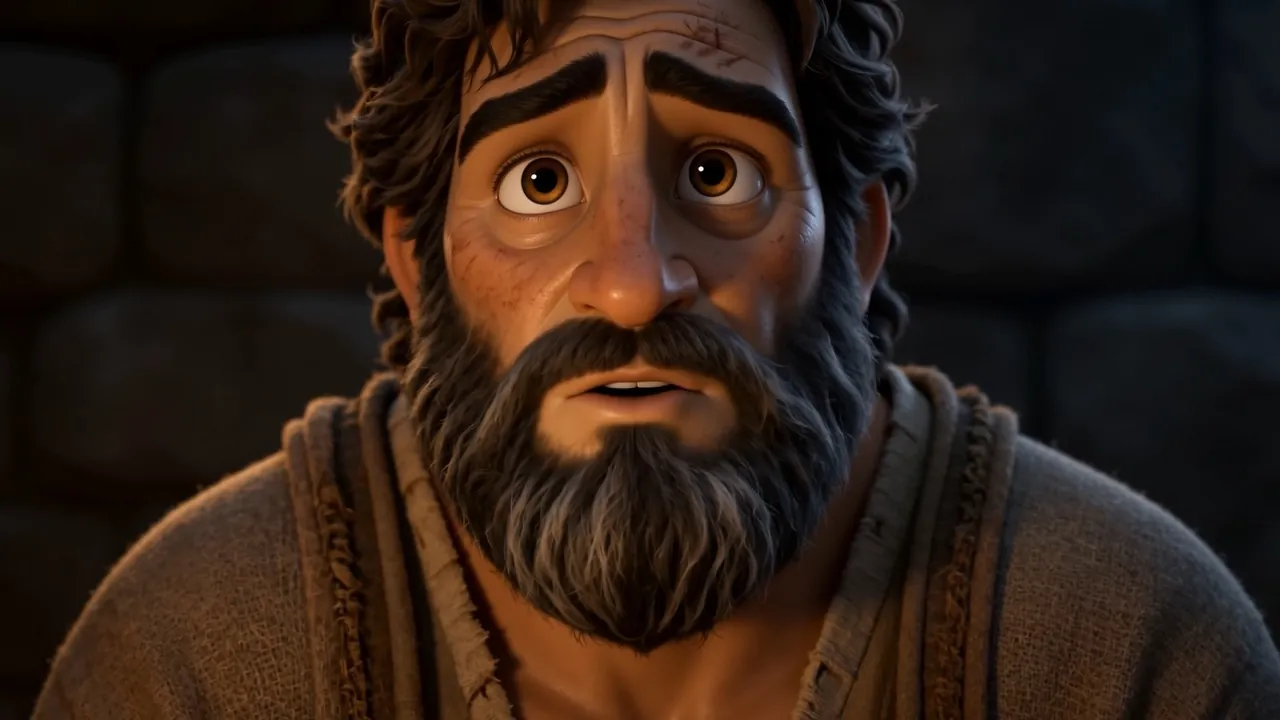
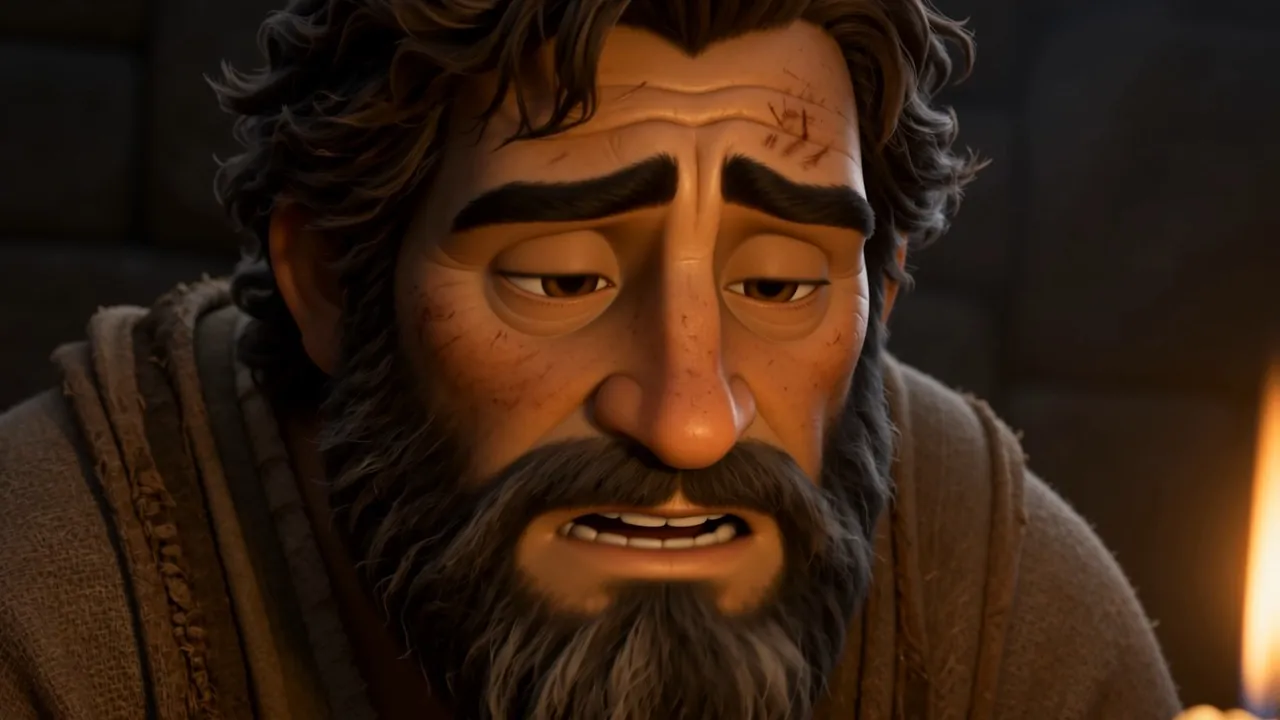
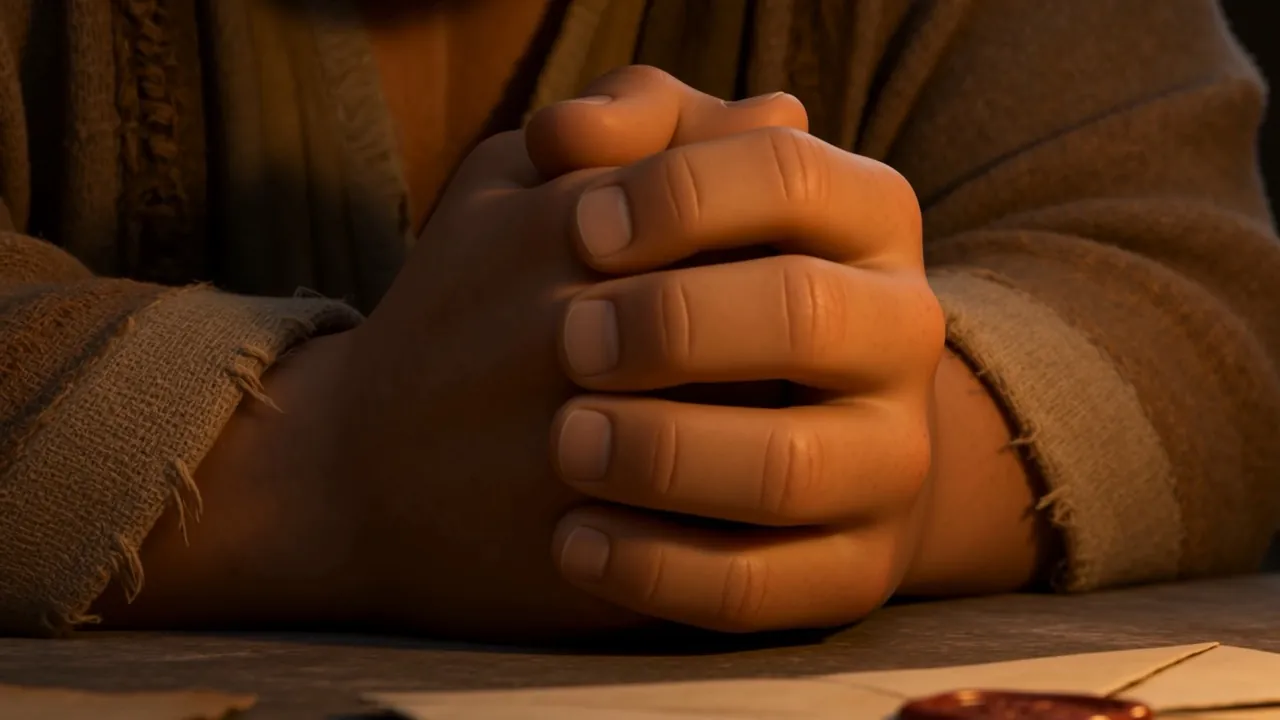
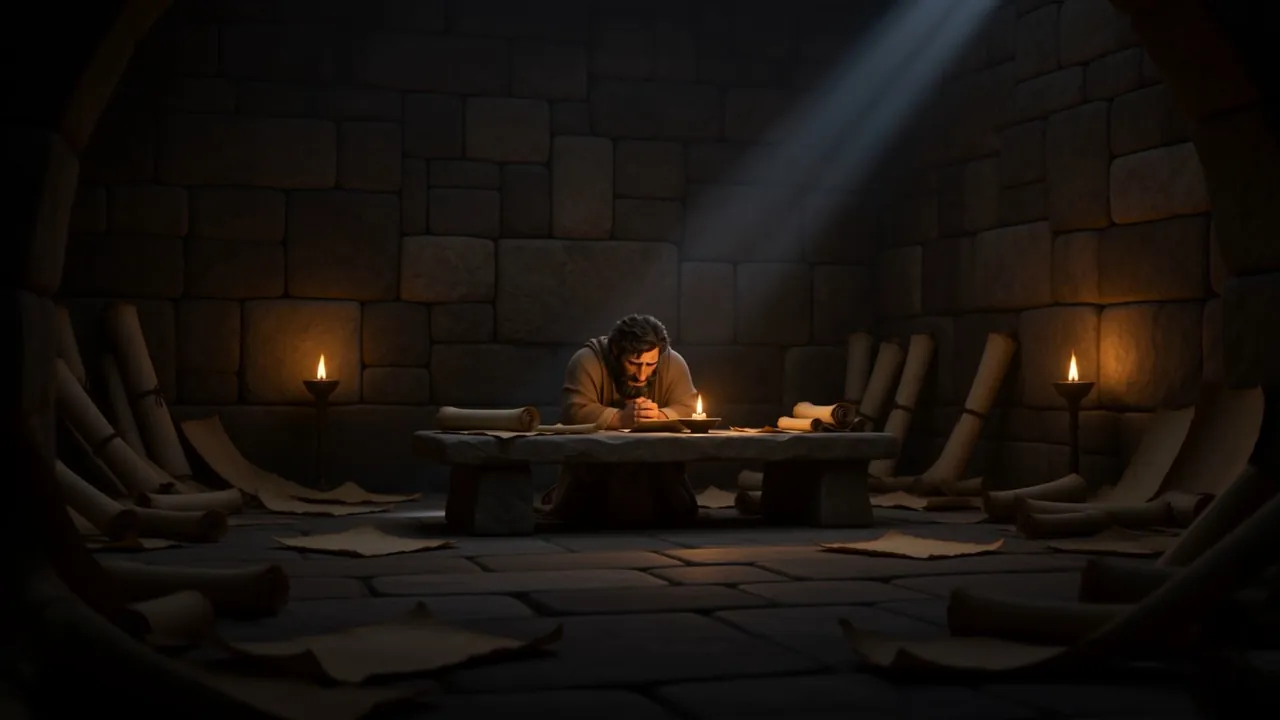
He conceded the whole argument first — “of a truth, the kings of Assyria have laid waste the nations and their lands, and have cast their gods into the fire; for they were no gods, but the work of men's hands.” Then the ask, and notice what it is not about: “save us from his hand, that all the kingdoms of the earth may know that you are Yahweh, even you only.” 2 Kings 19 : 17–19
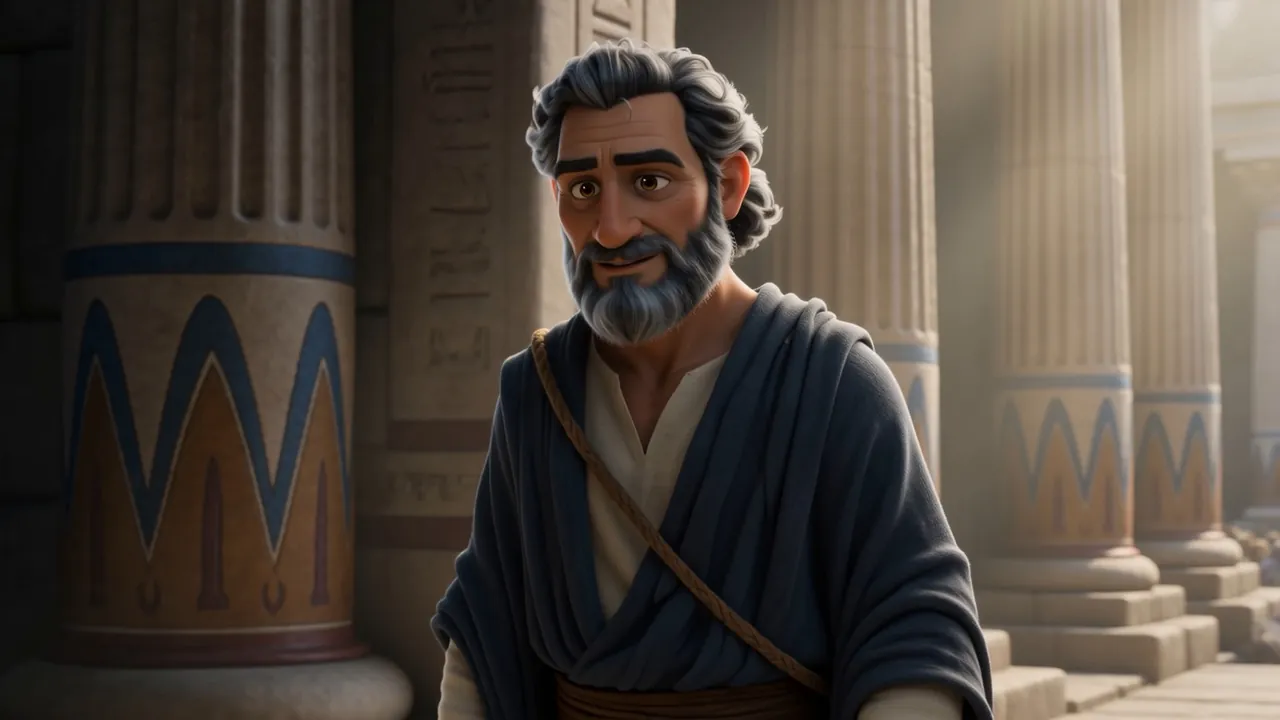
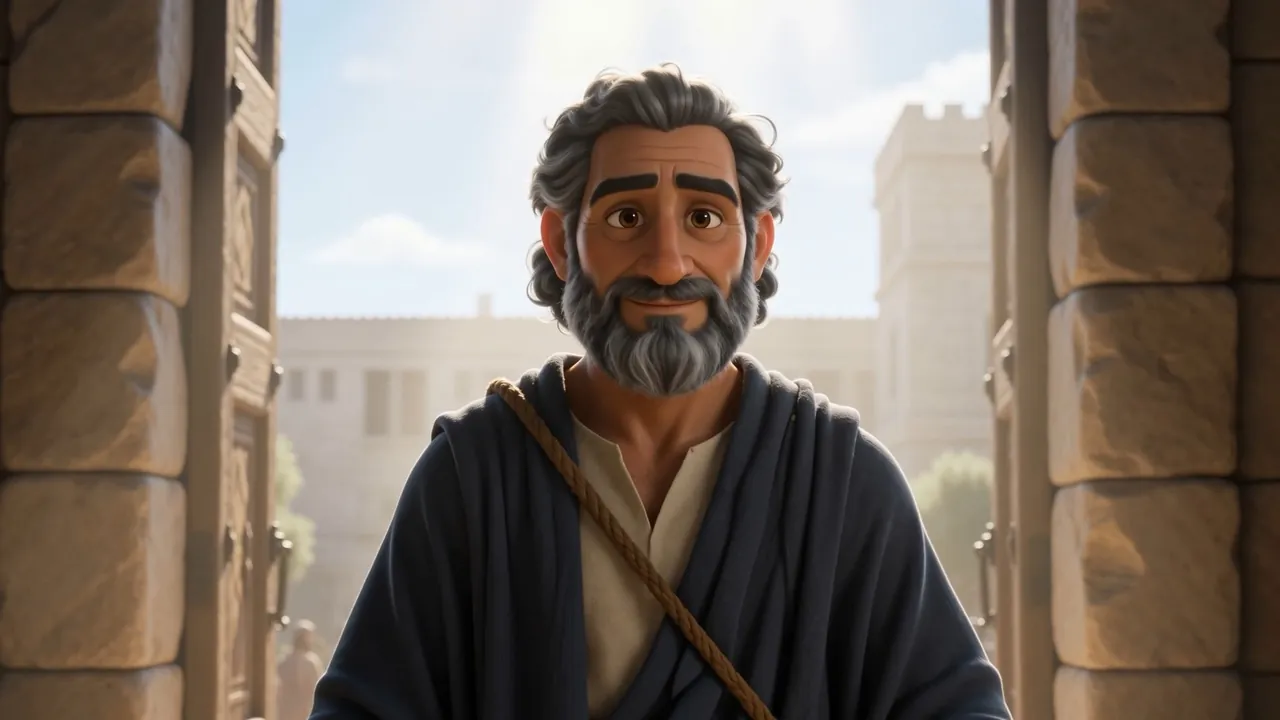

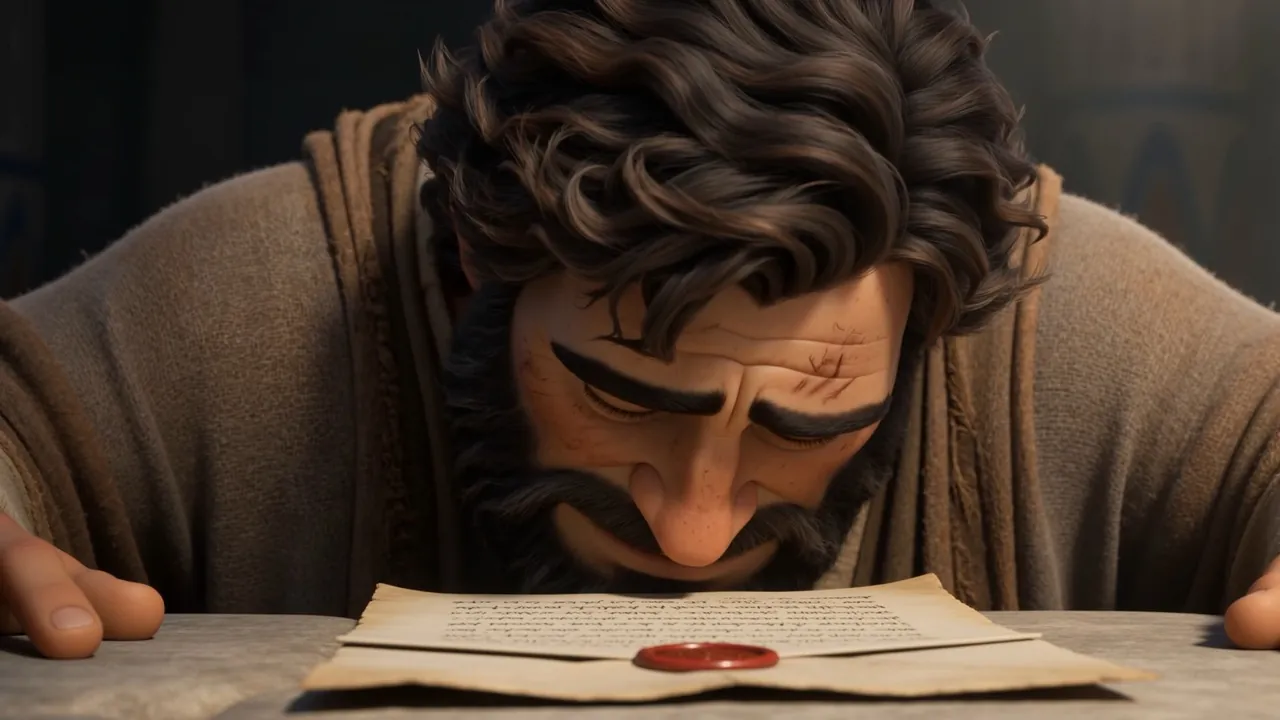
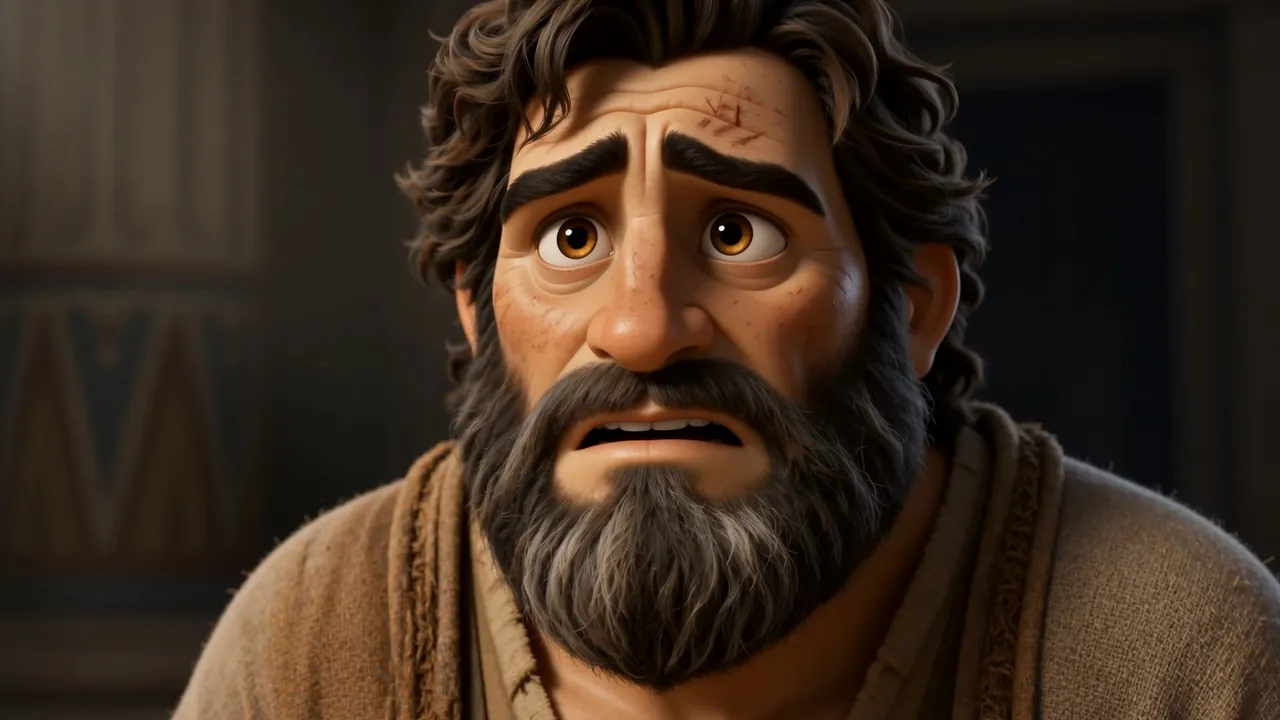
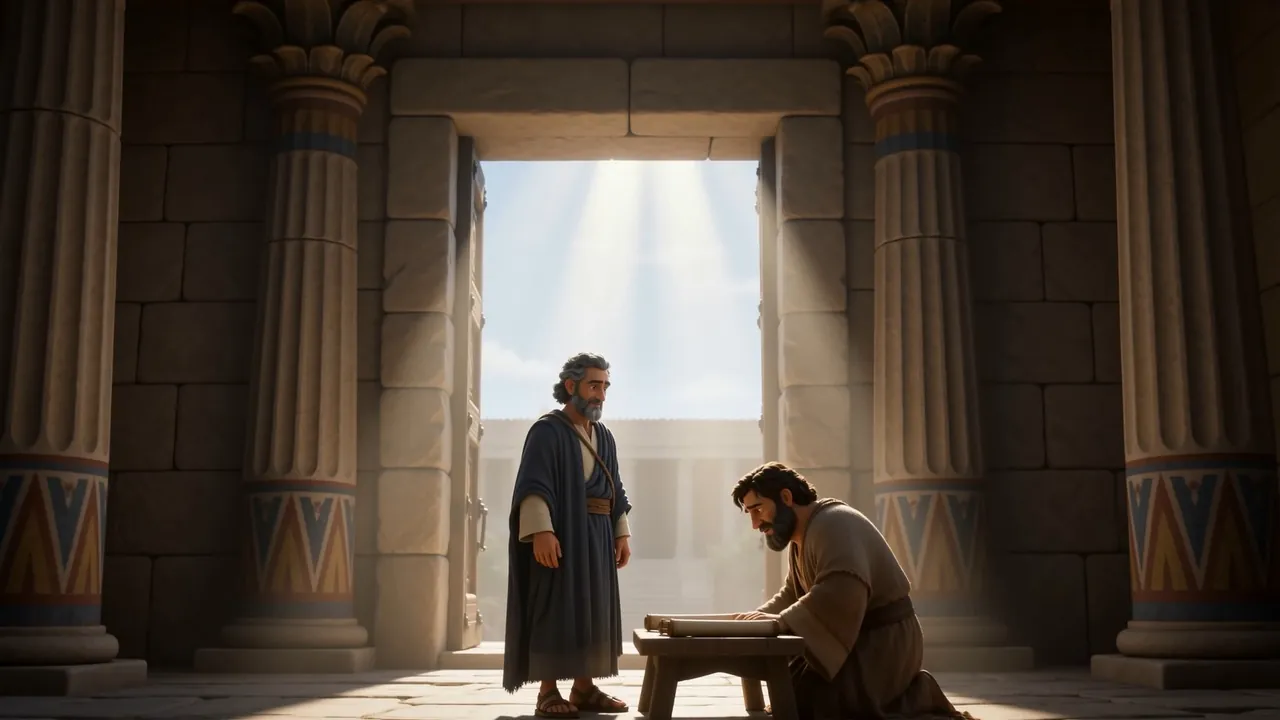
The answer arrived before he had finished. Then Isaiah the son of Amoz sent to Hezekiah, saying, “Yahweh says: ‘I have heard you.’” What followed was a poem about Sennacherib as an over-confident farm animal — I will put my hook in your nose, and my bridle in your lips, and I will turn you back by the way you came — and one flat promise: he will not shoot an arrow here, or come before it with a shield. 2 Kings 19 : 20–34
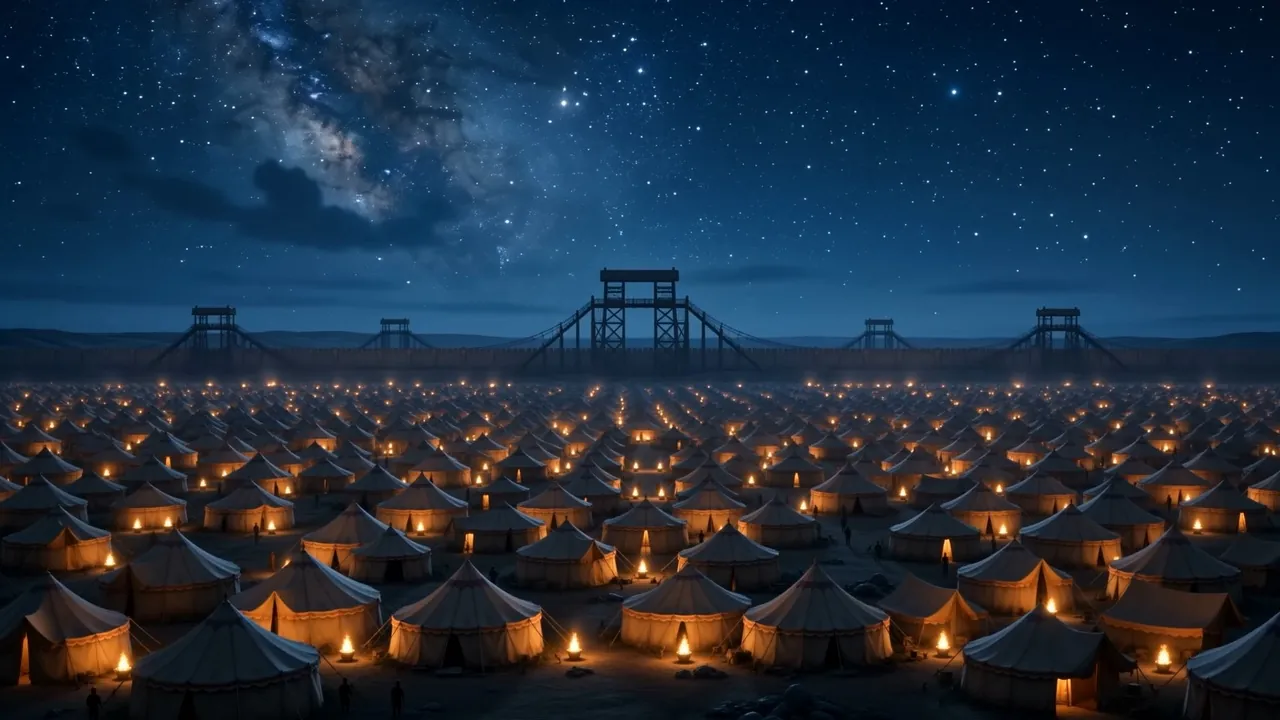
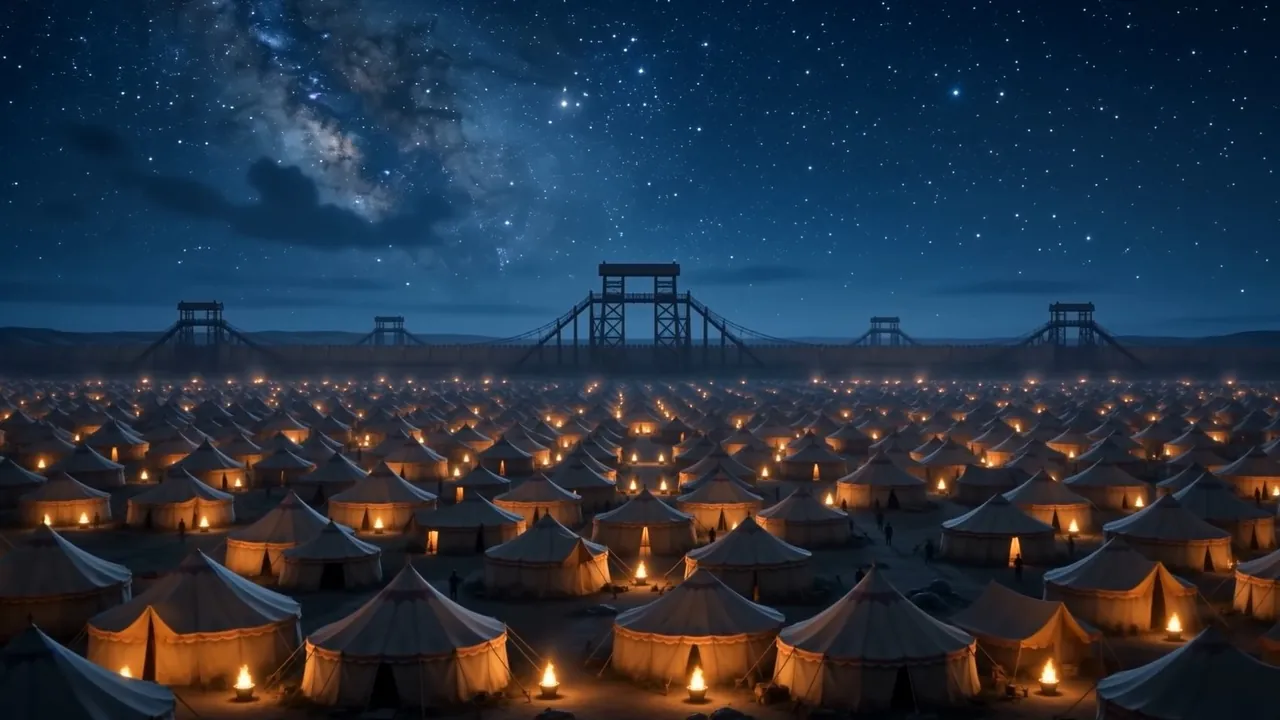
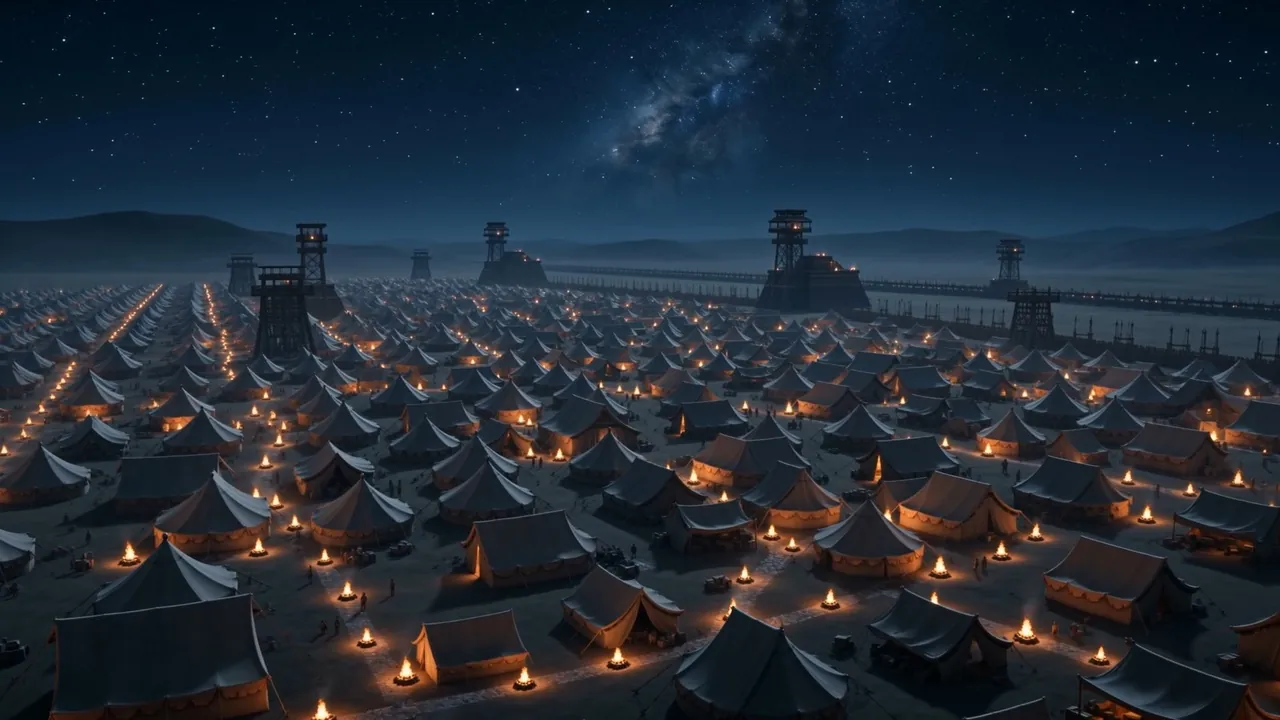
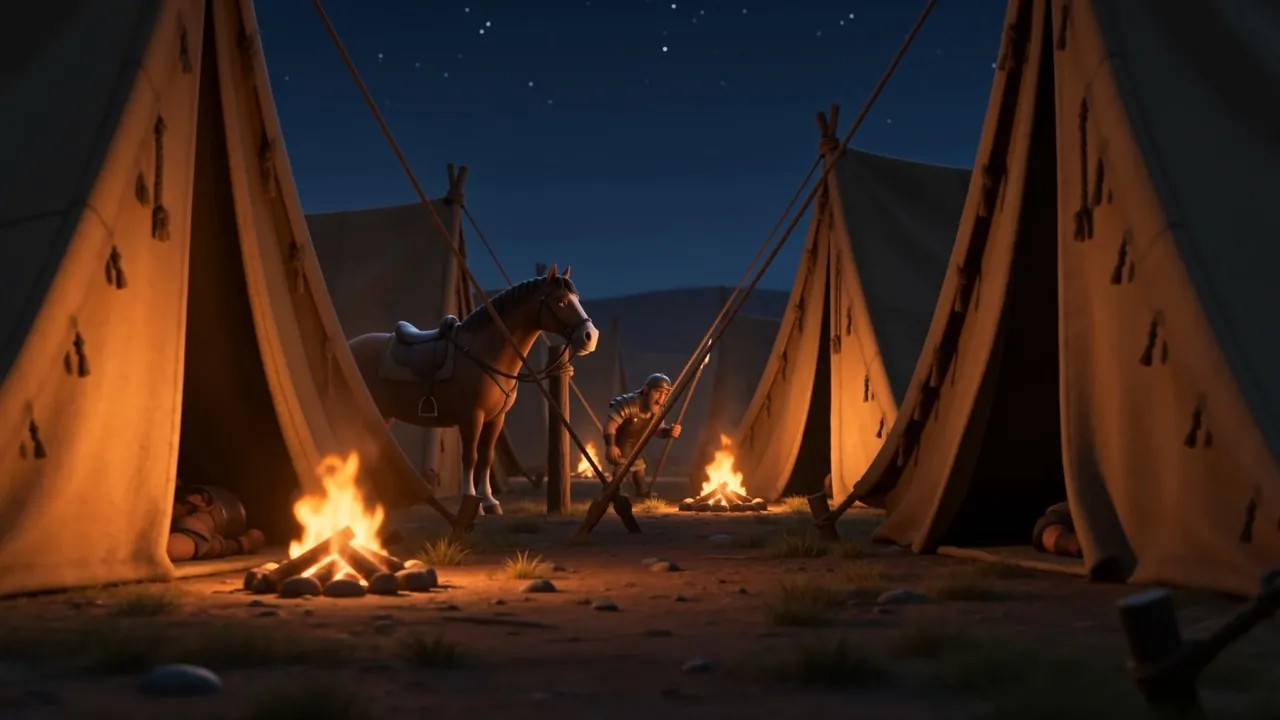
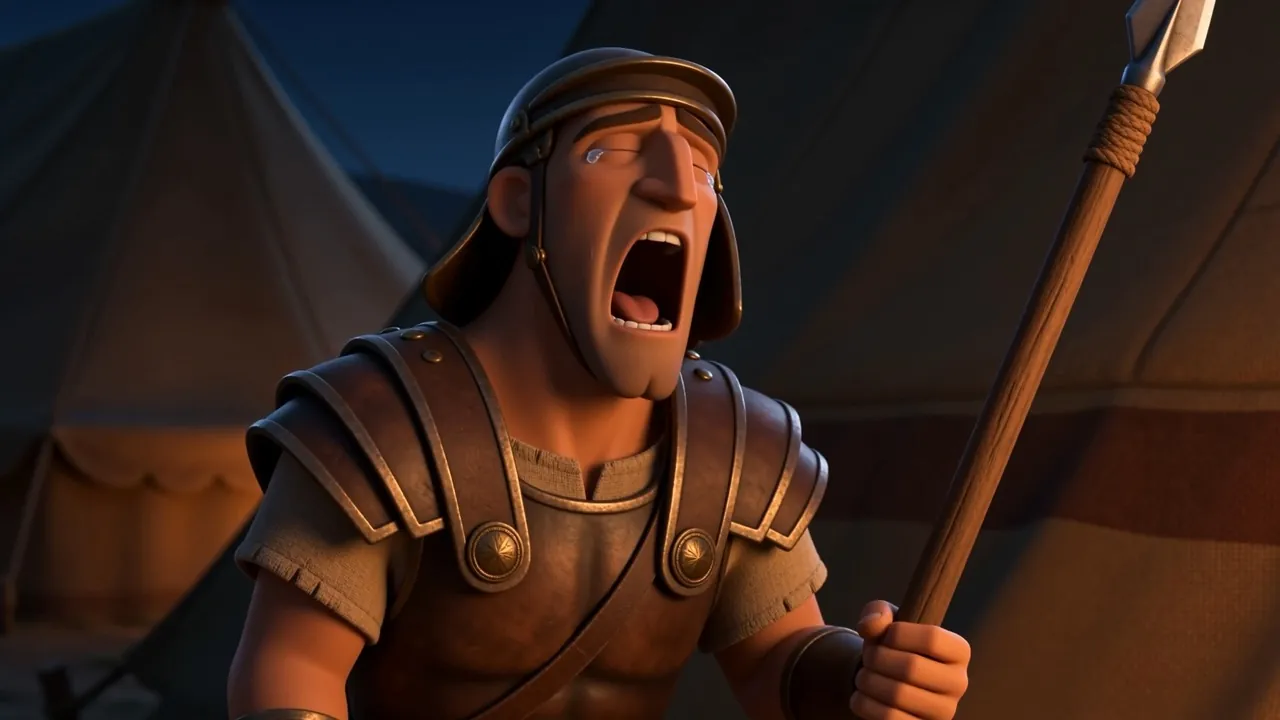
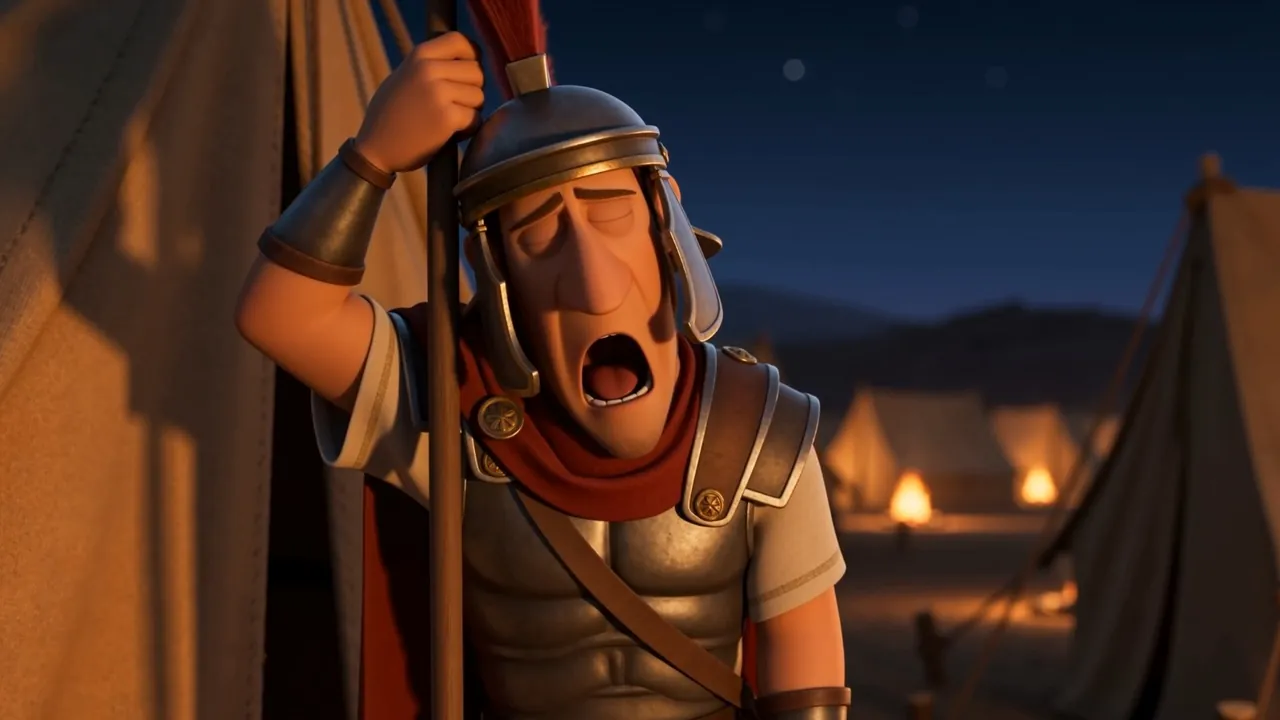
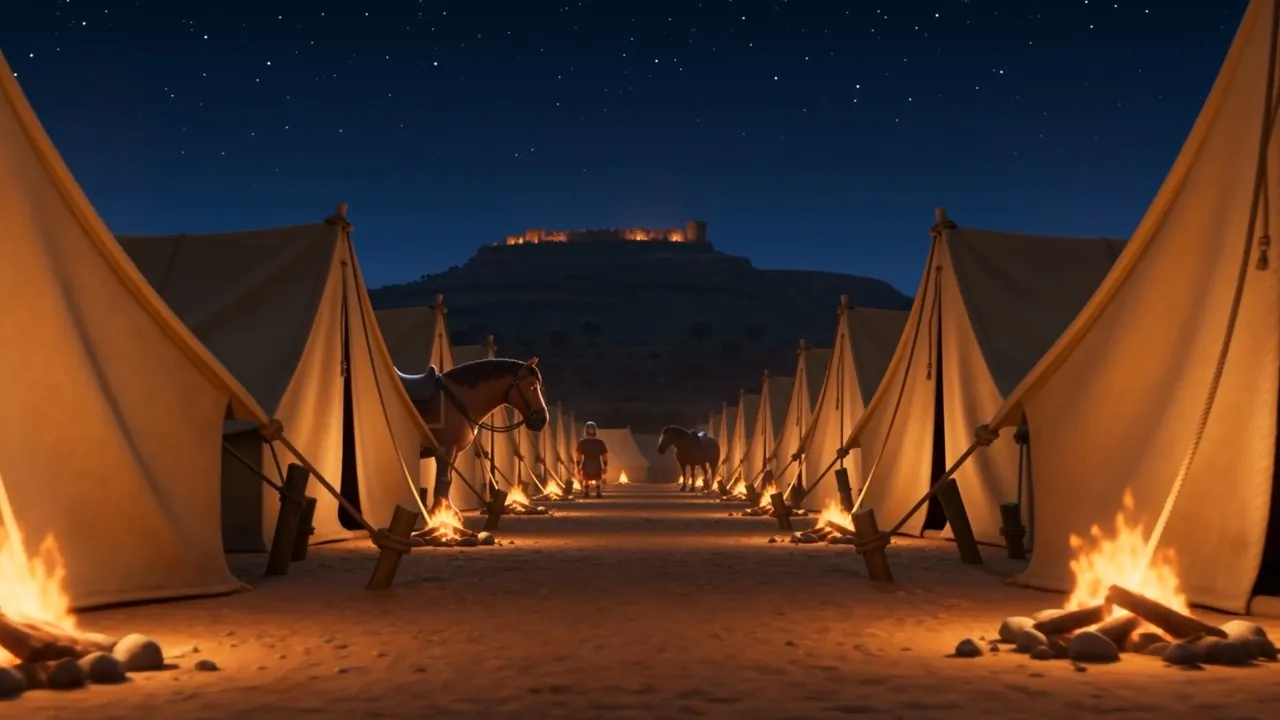
And then, simply, the camp. Fires to the horizon, horses, supply lines, a hundred and eighty-five thousand men, and a bored sentry yawning on his spear — the largest army in the world, having a completely ordinary night. 2 Kings 19 : 35
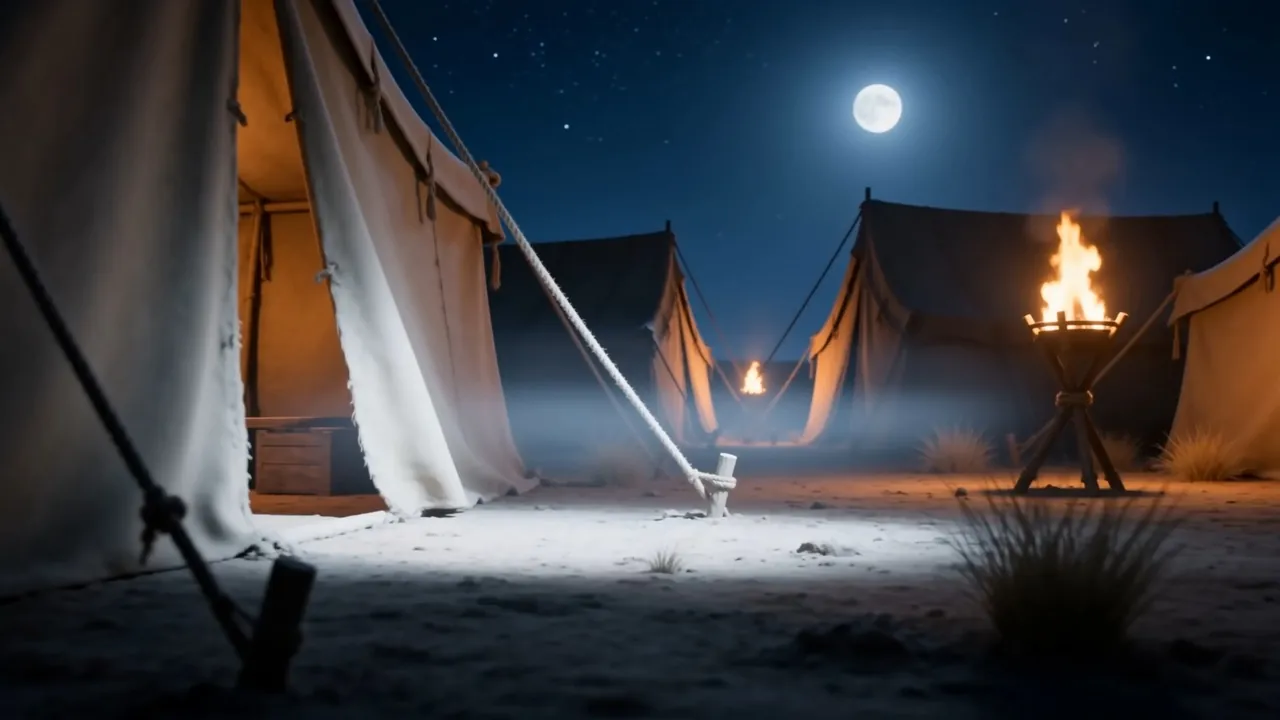
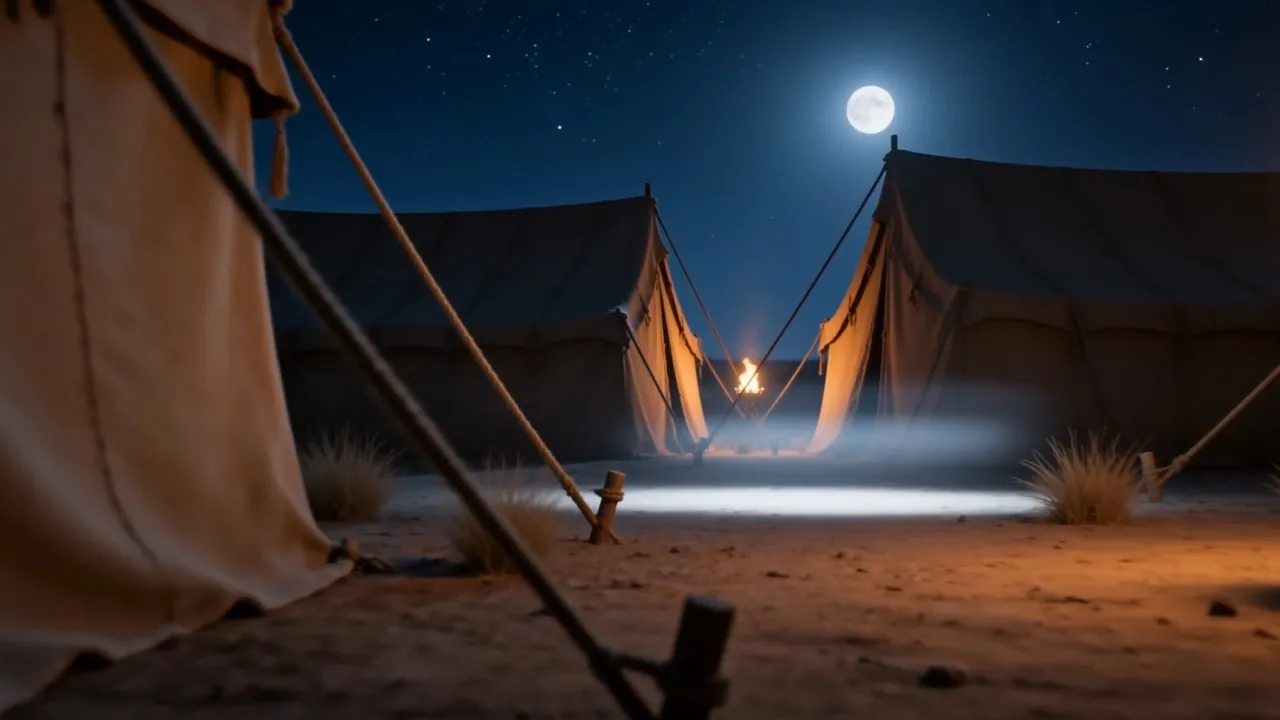
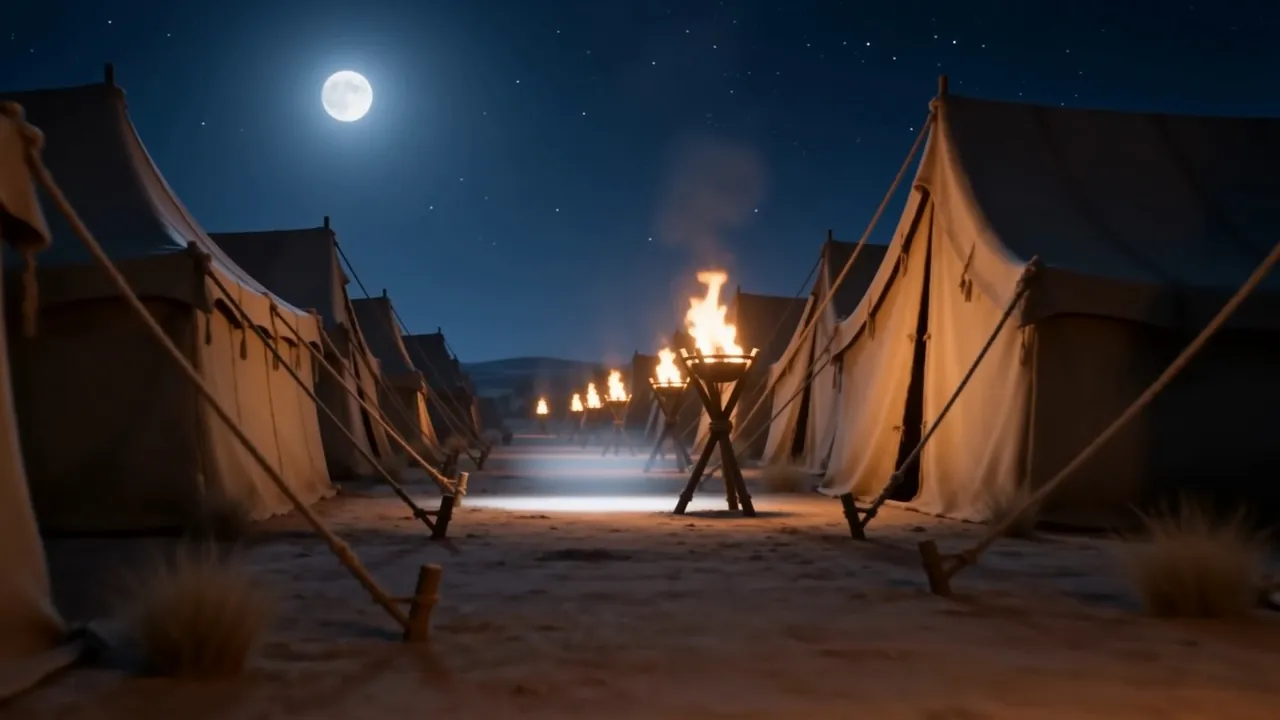
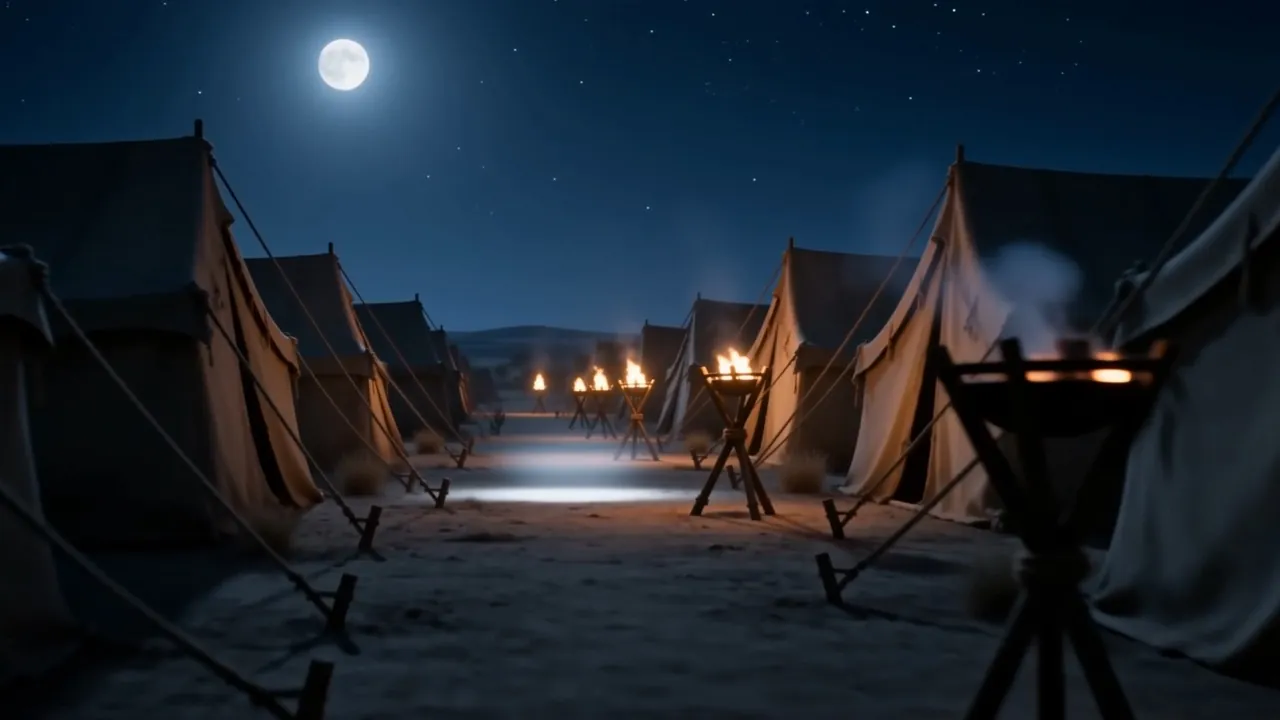
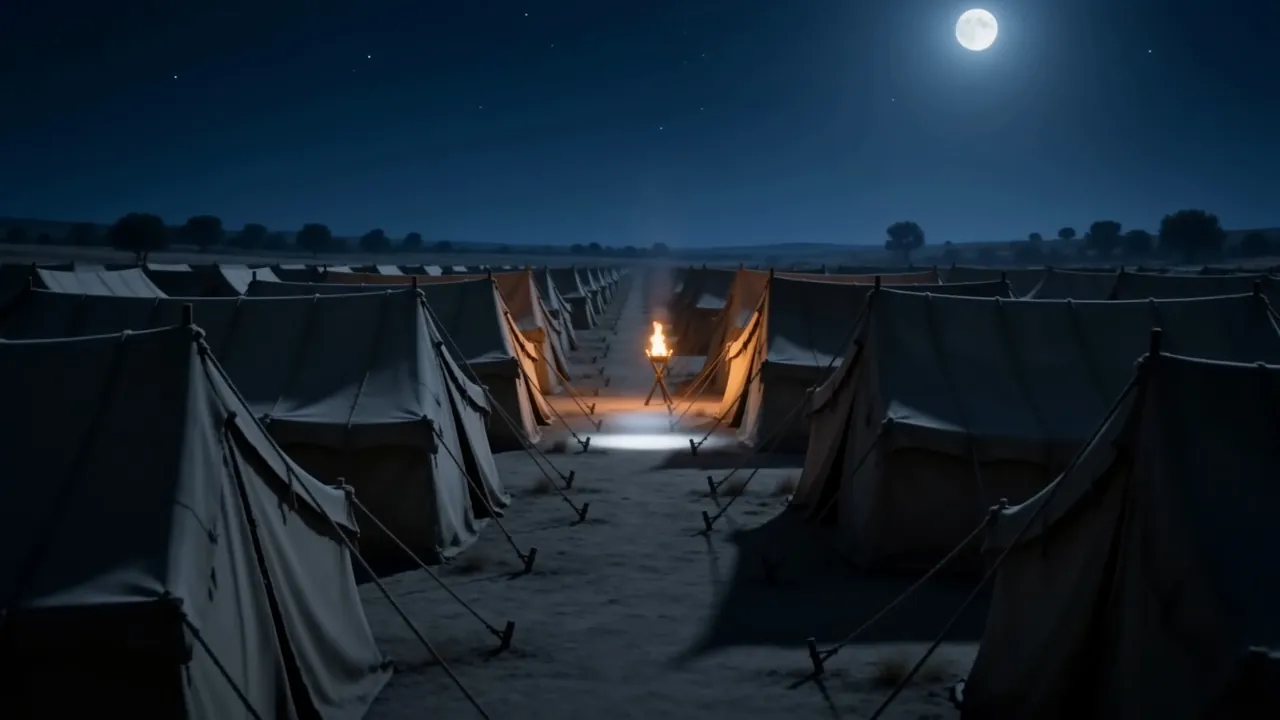
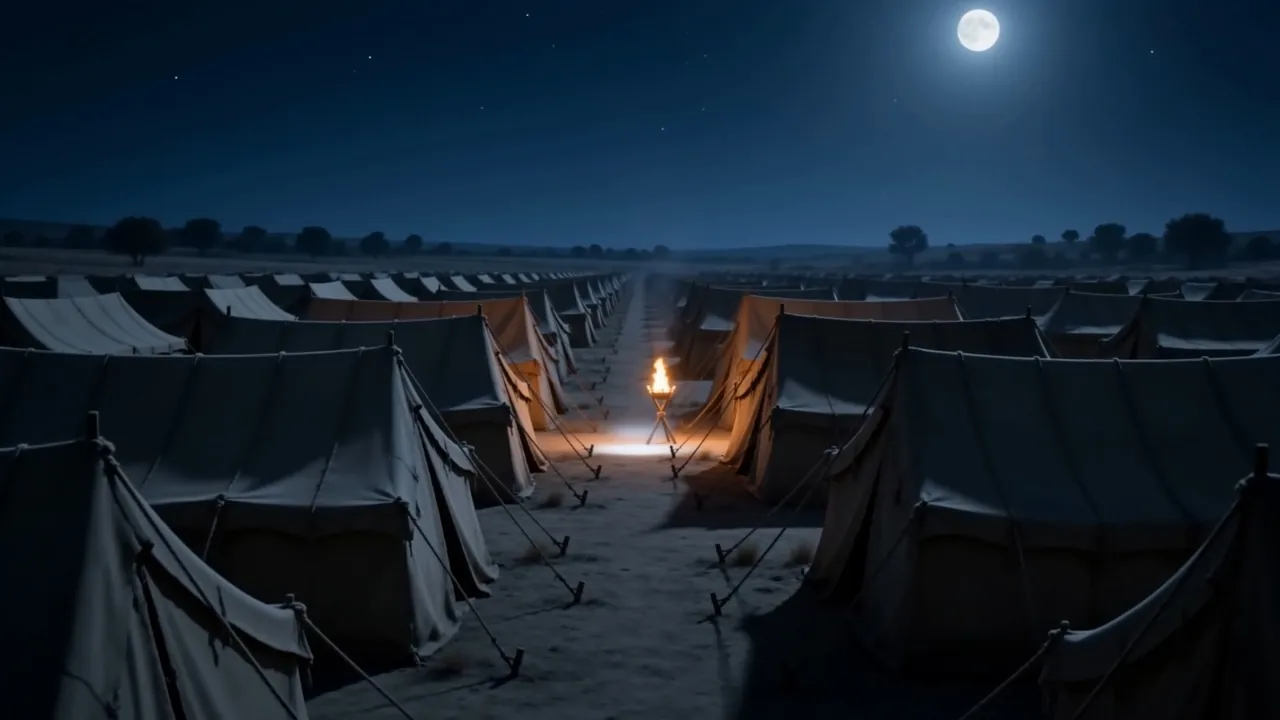
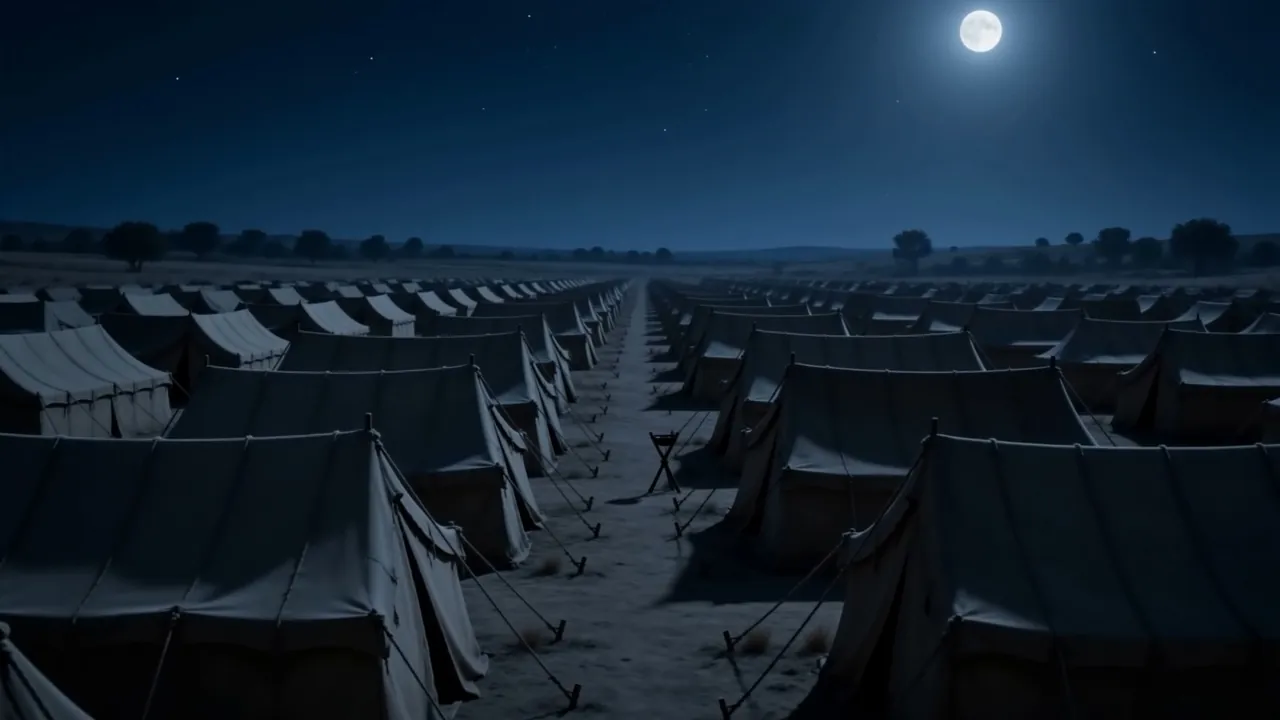
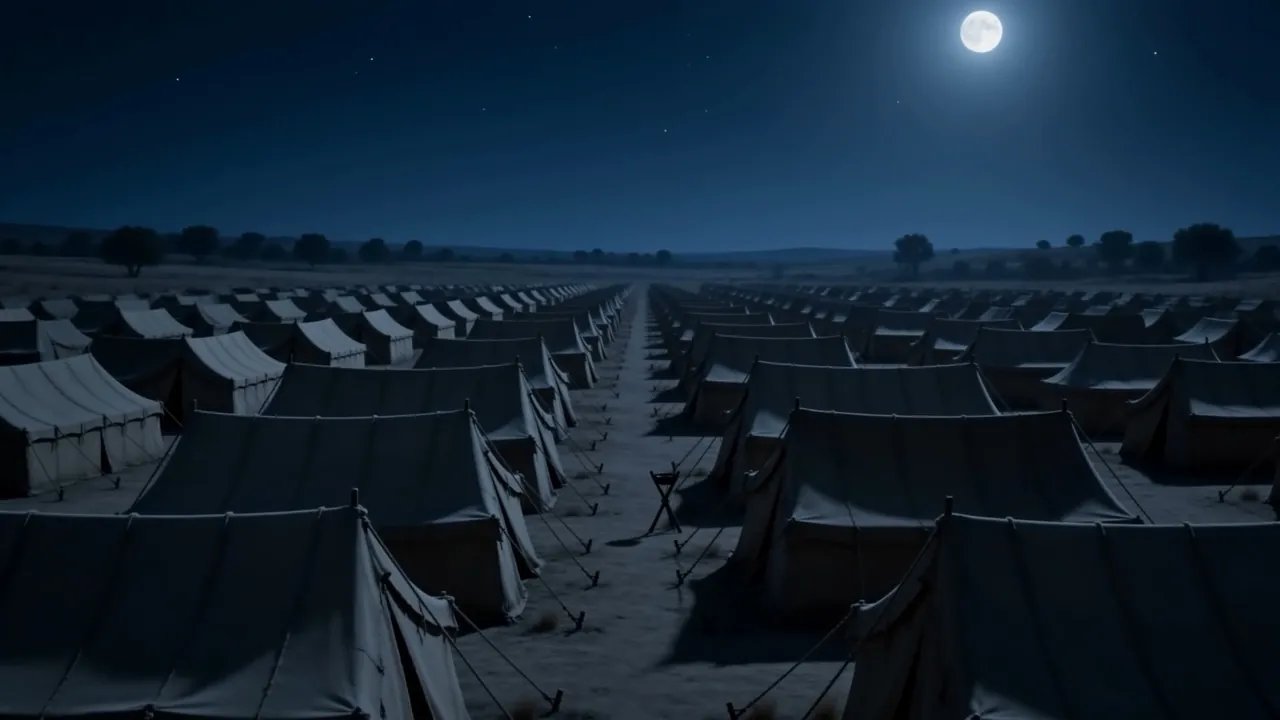
That night, Yahweh's angel went out and struck one hundred eighty-five thousand in the camp of the Assyrians. There is almost nothing to it — a band of pale light moving down an avenue of tents, and the fires going out ahead of it, one after another, until the largest camp in the world is dark. 2 Kings 19 : 35
That night the angel of Yahweh went out.
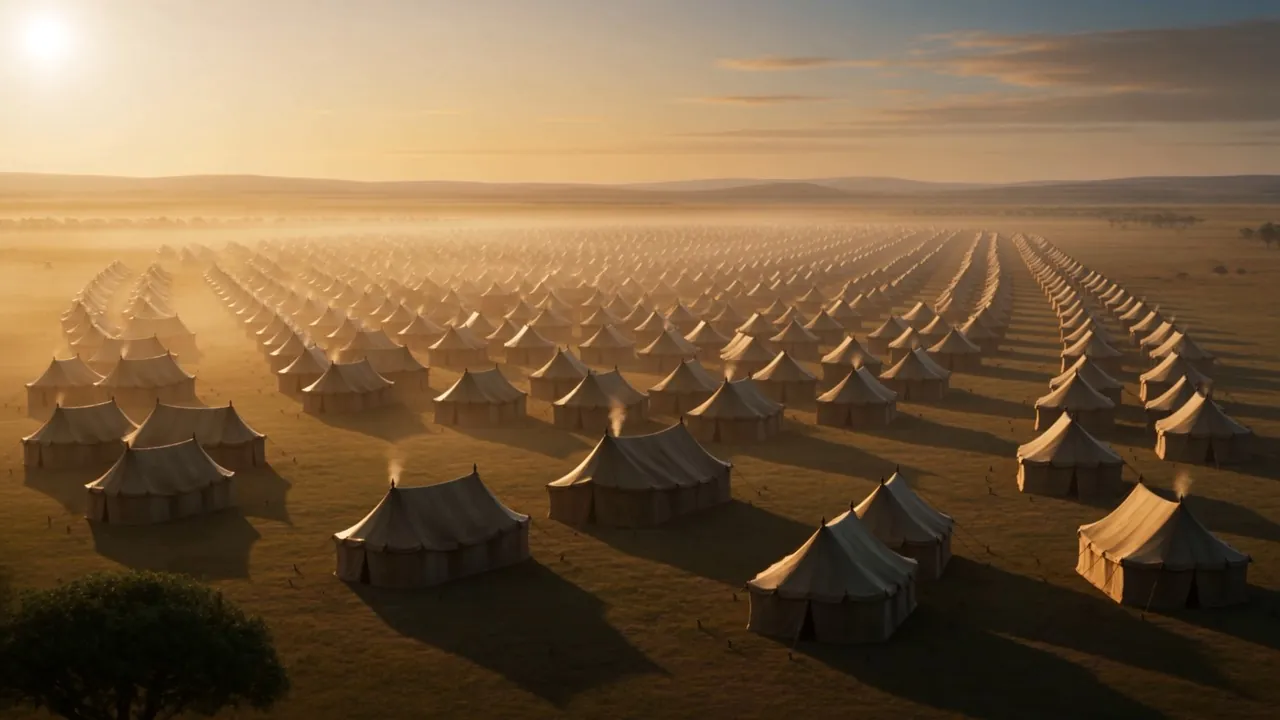
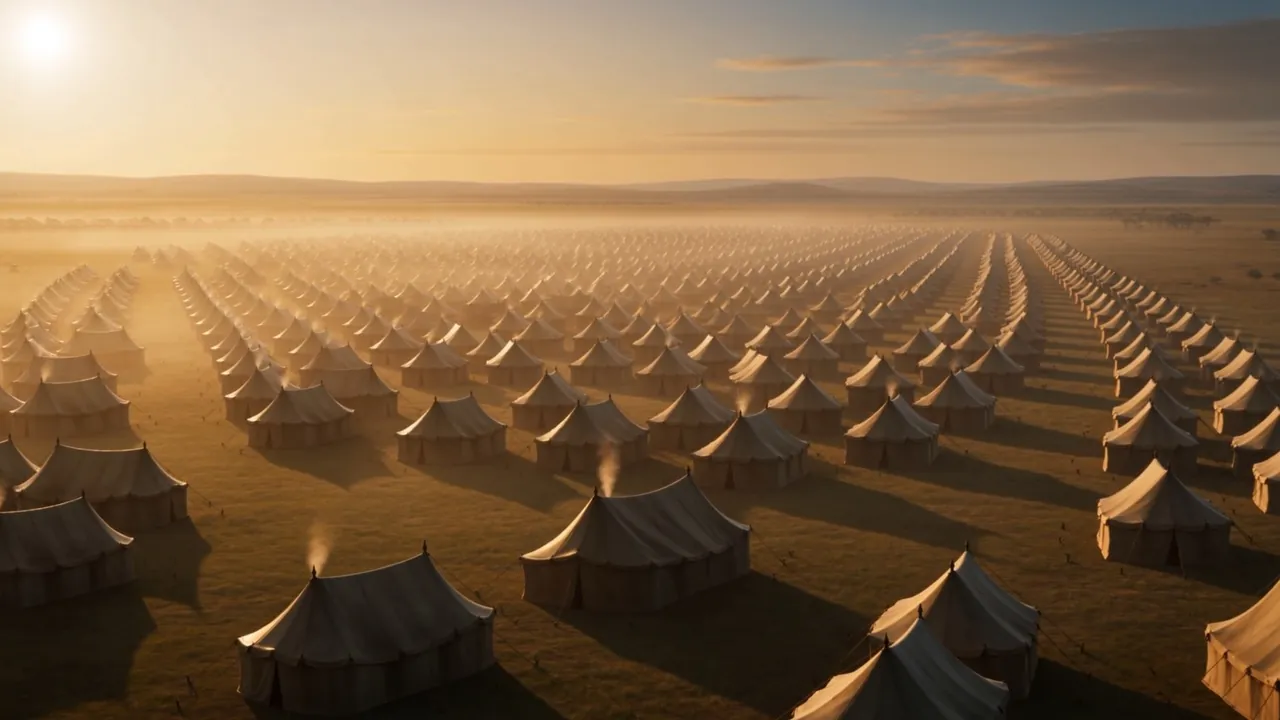

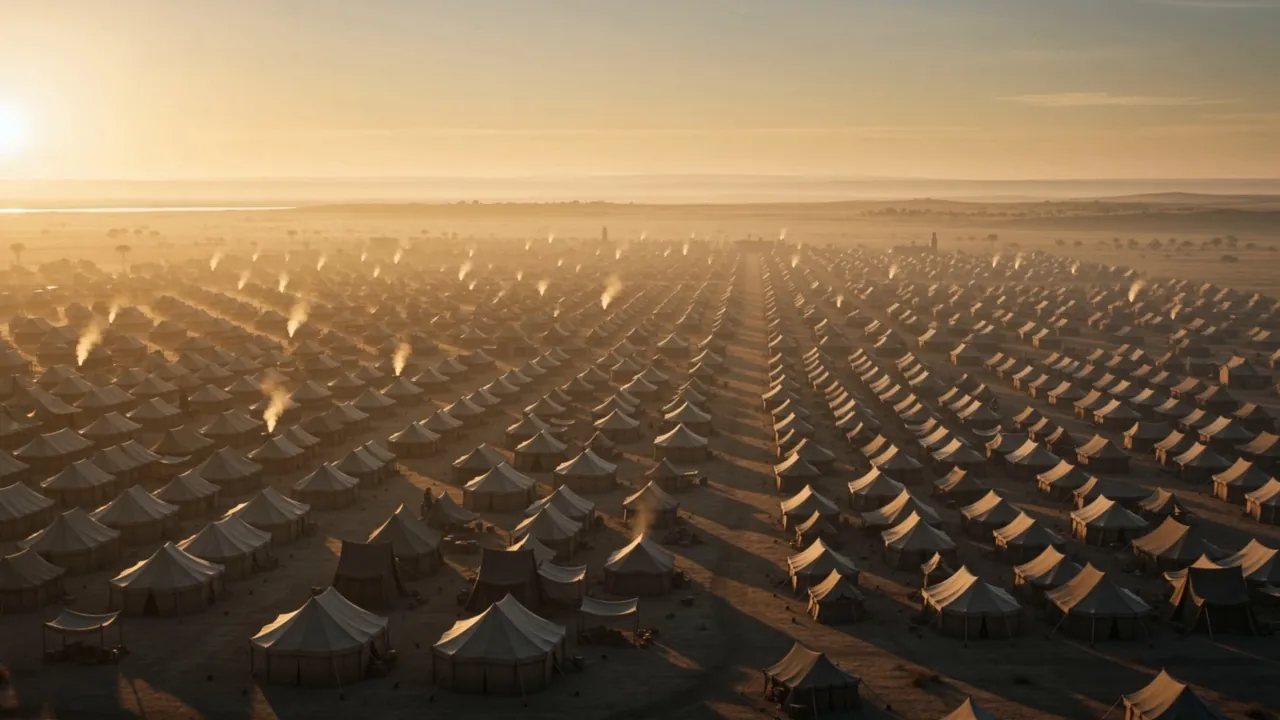
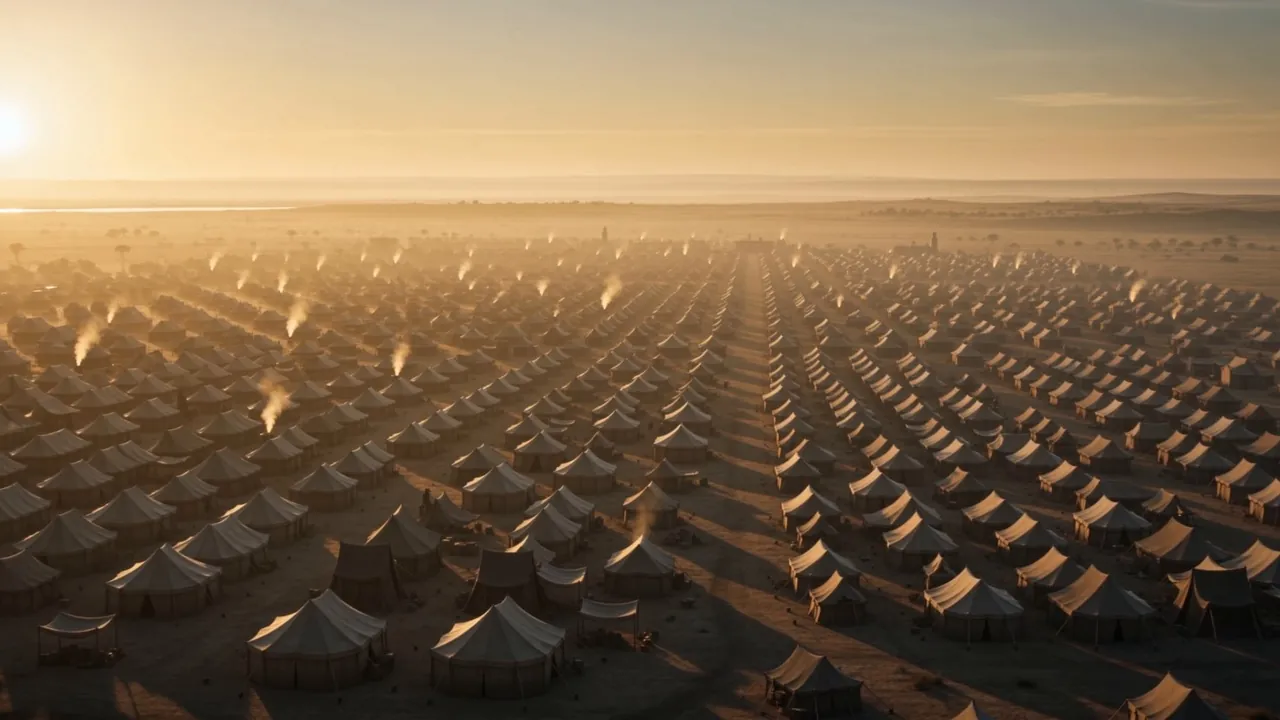
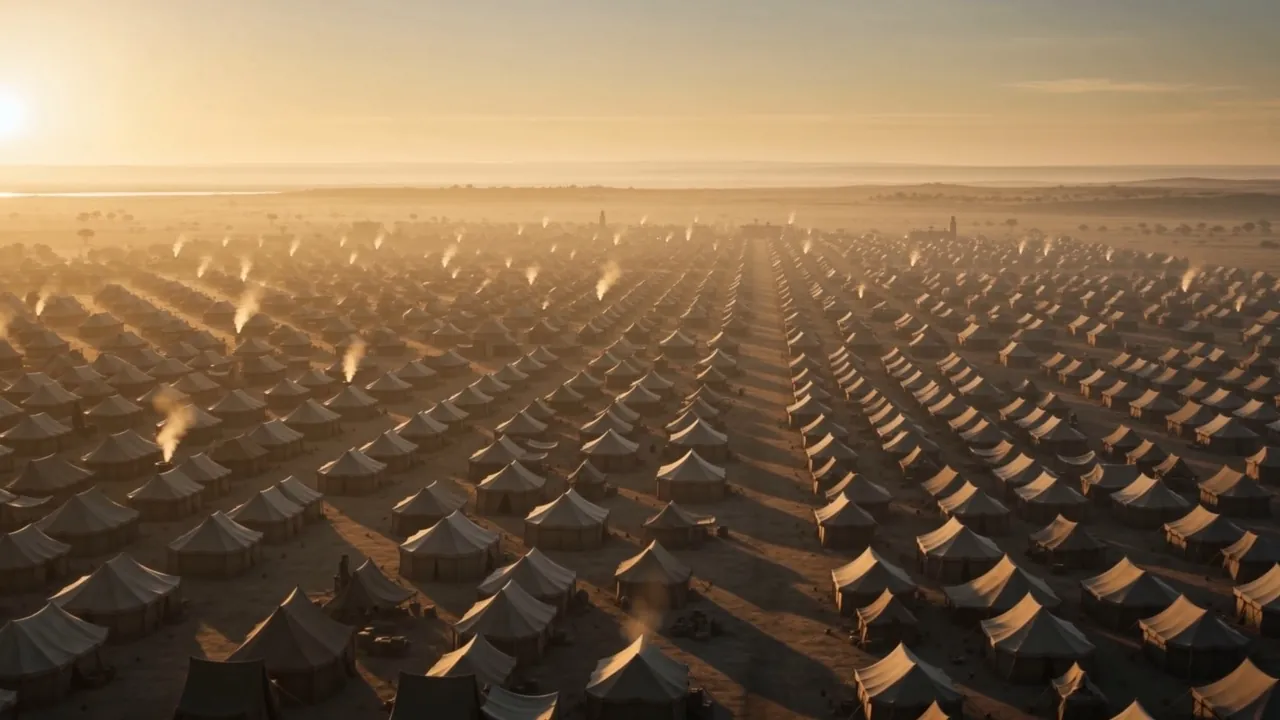
When men arose early in the morning, behold, these were all dead bodies. The camp at sunrise, and the only thing that changes is the light: an enormous army in which nothing is moving. 2 Kings 19 : 35
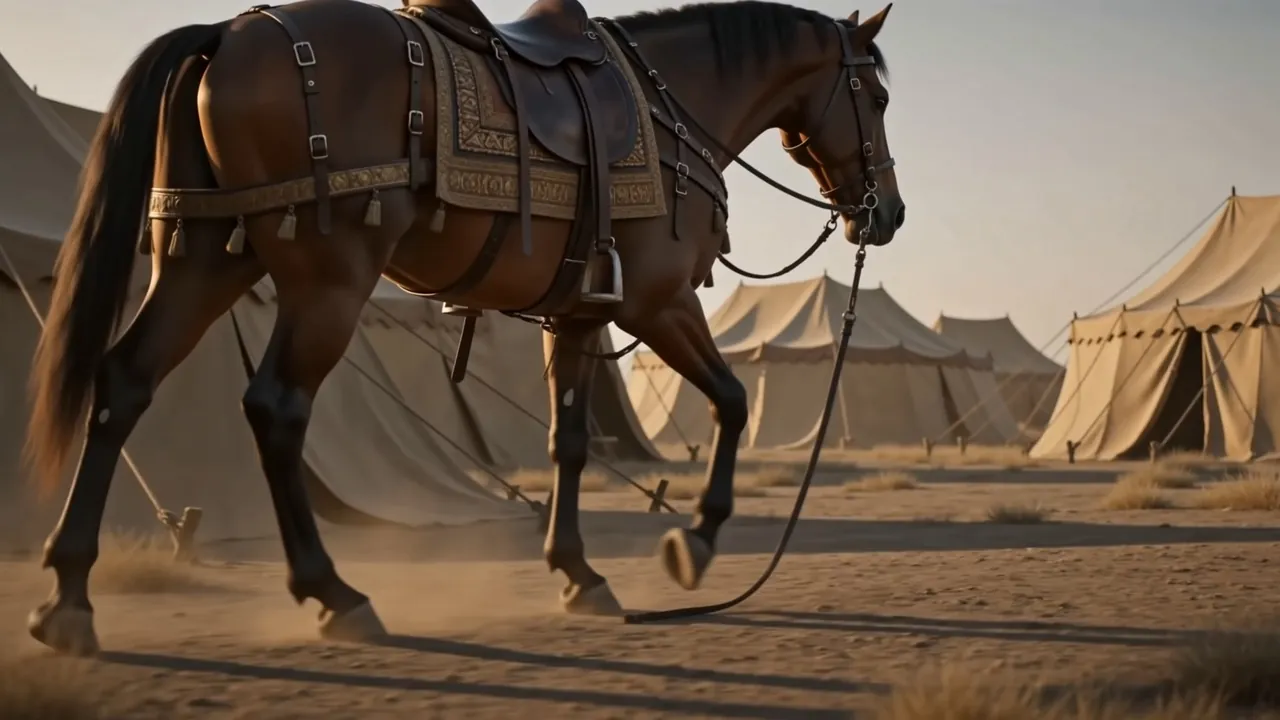
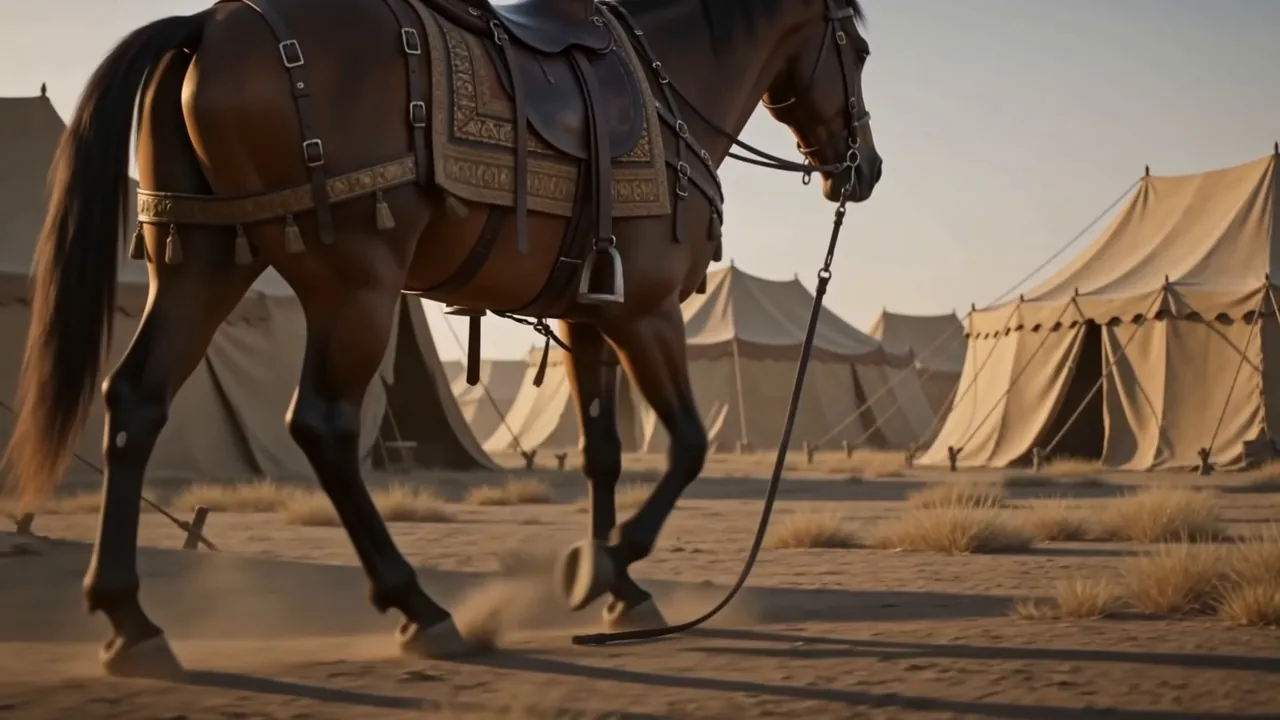
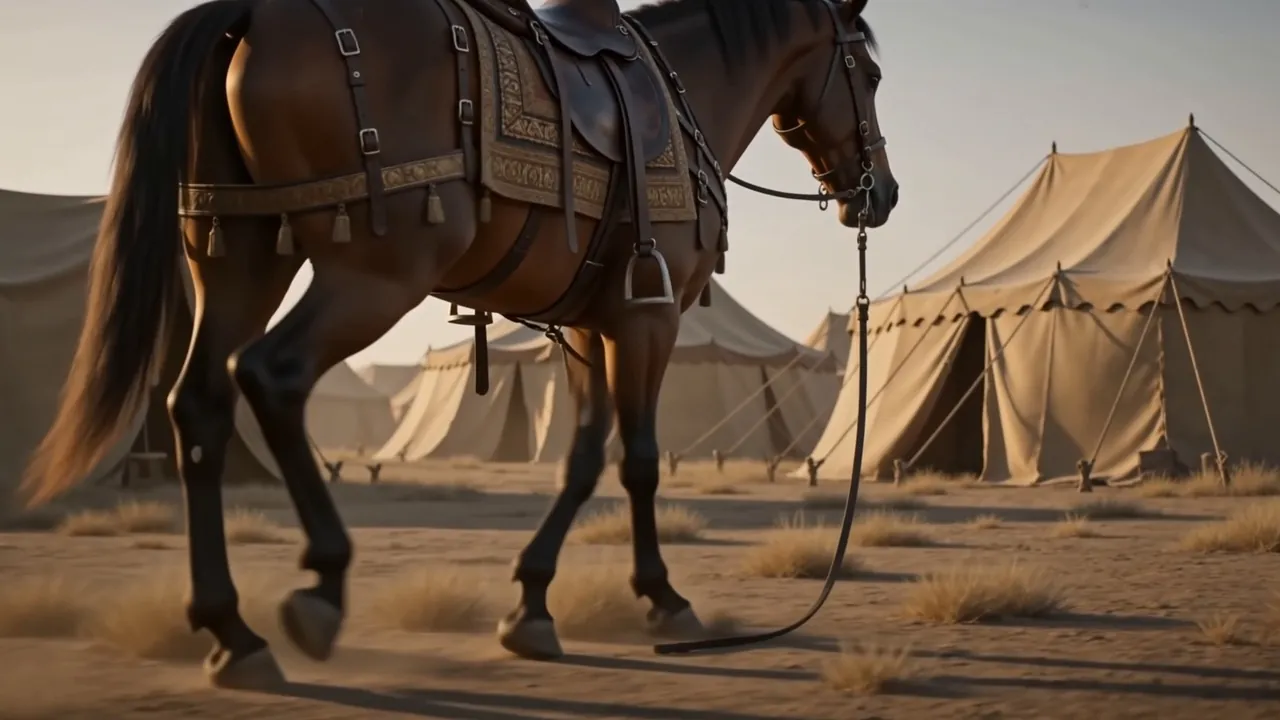
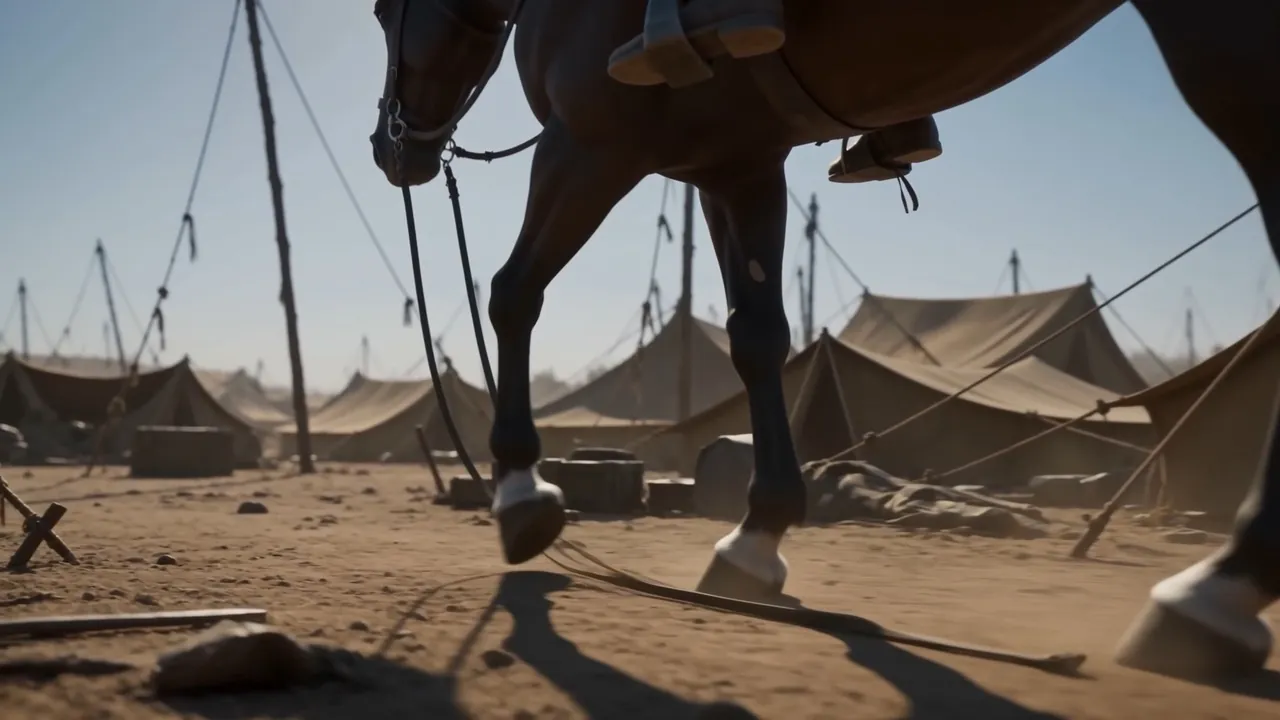
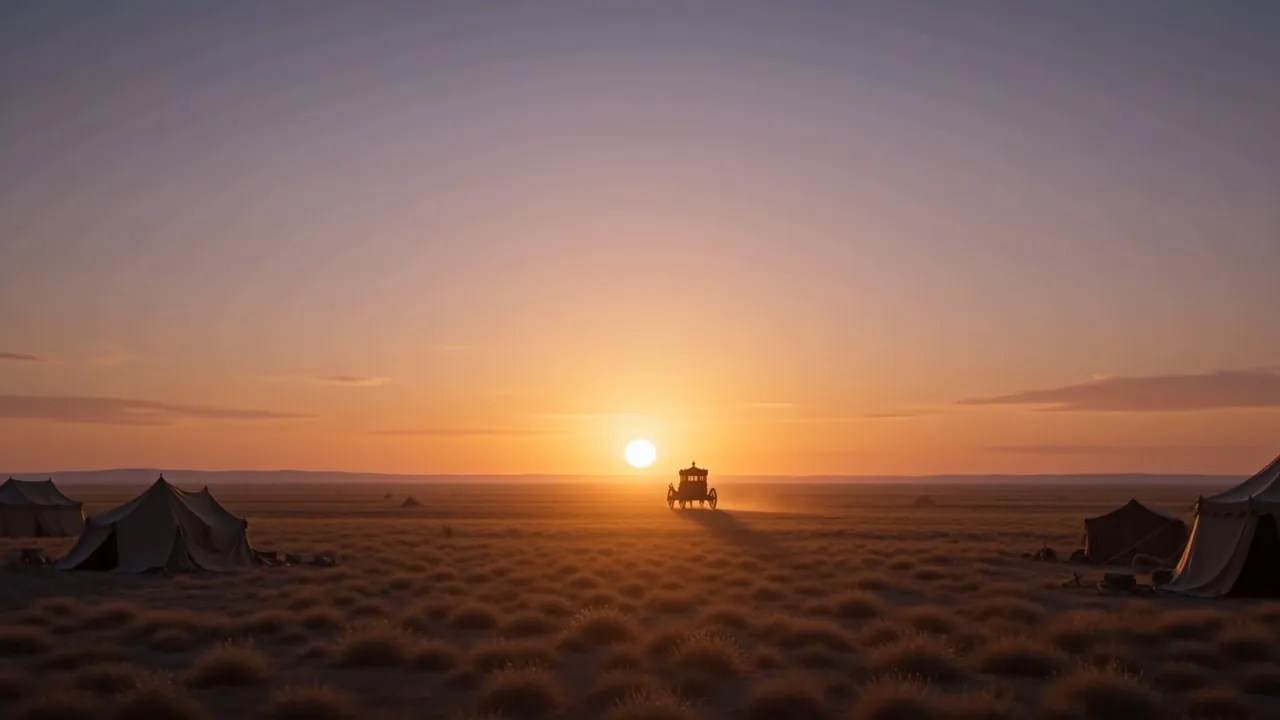
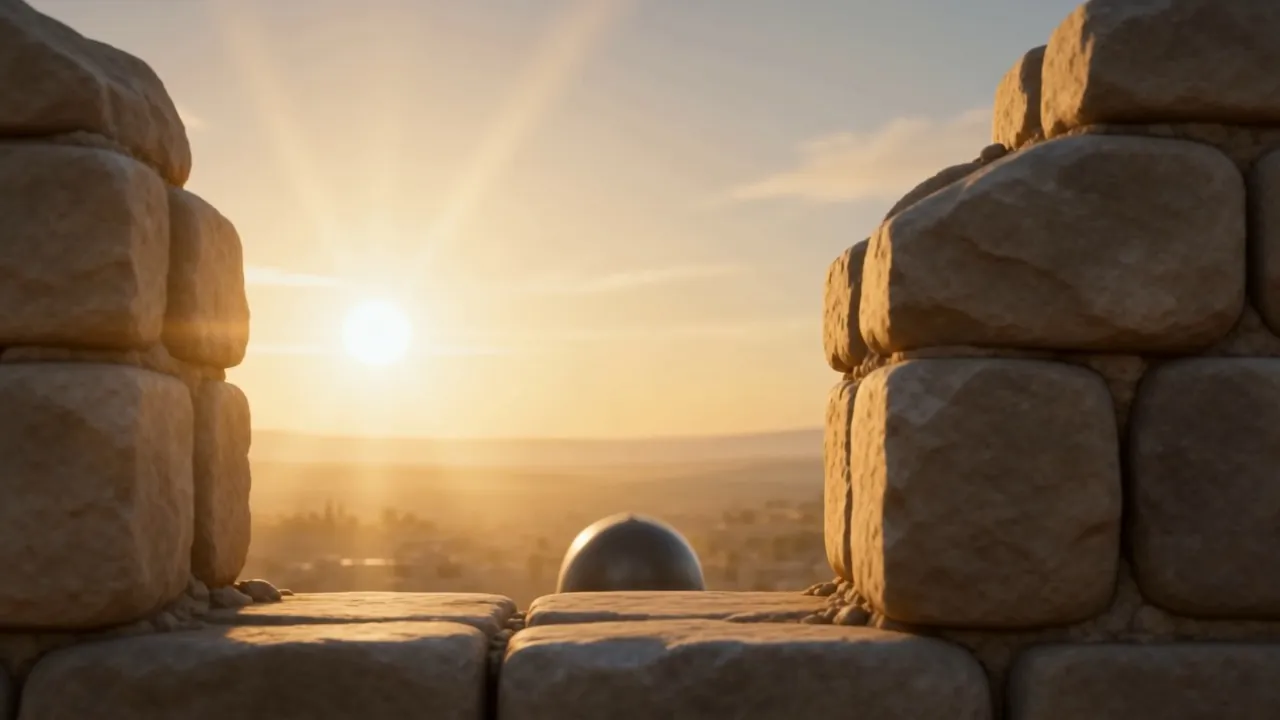
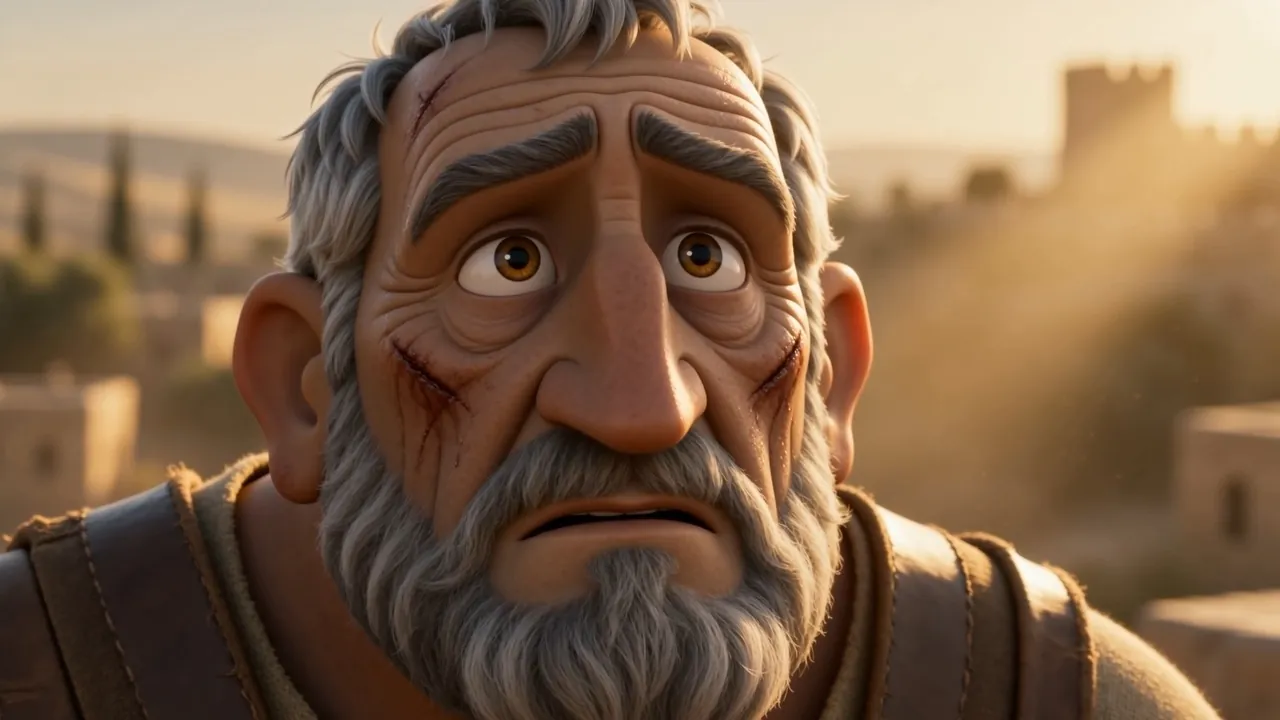
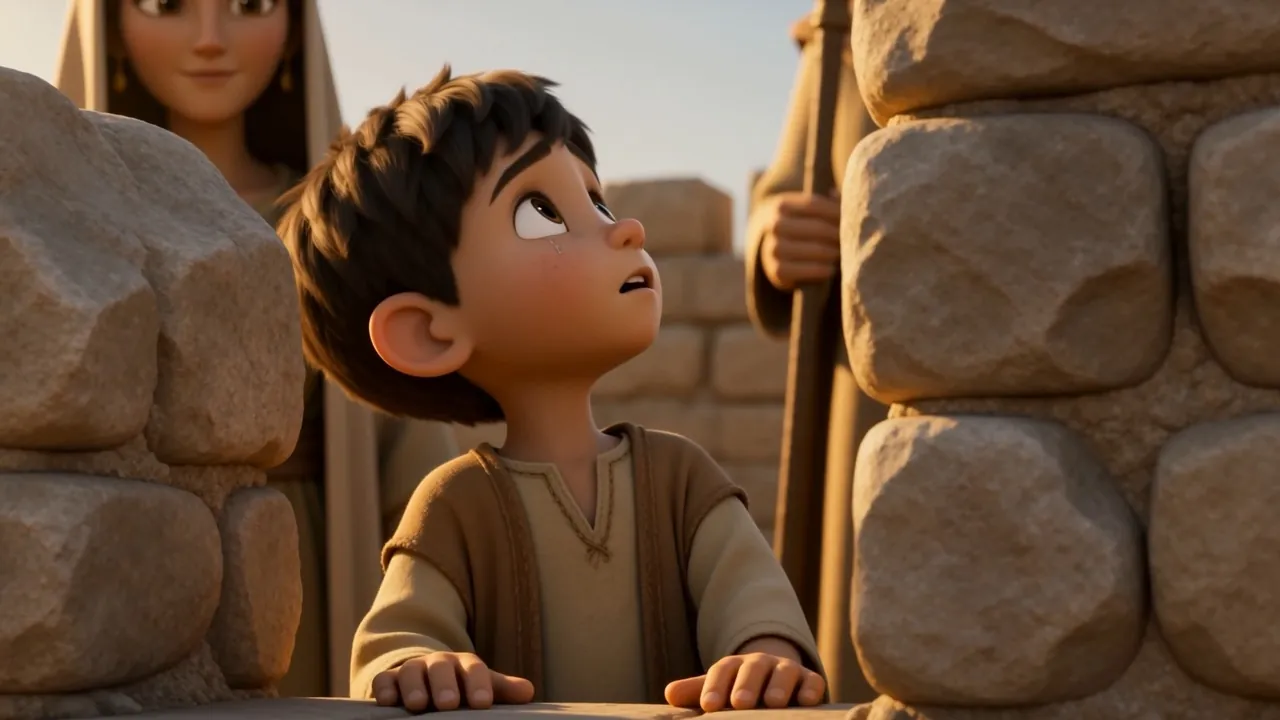
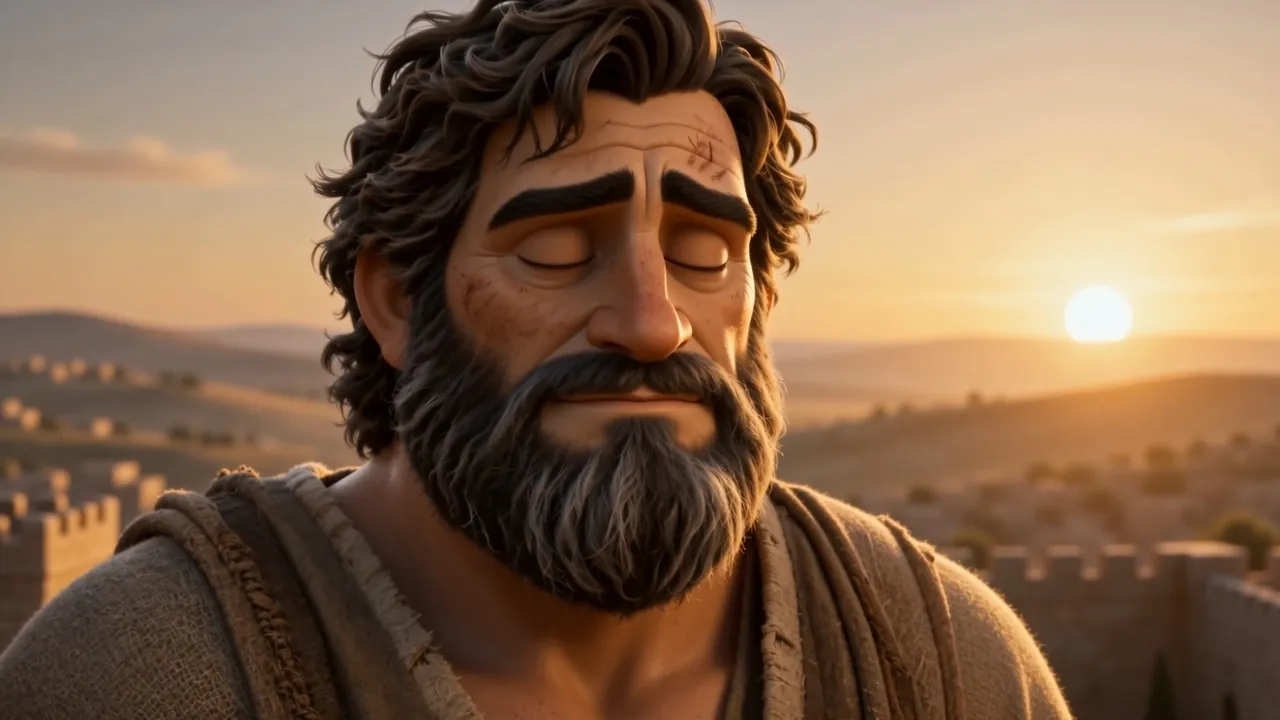
So Sennacherib king of Assyria departed, and went and returned, and lived at Nineveh. Twenty years later two of his own sons turned against him in the temple of his god. But that is not where it ends. It is a saddled horse with nobody on it, walking on its own through a camp at dawn — and a wall full of people who woke up expecting to die, watching the light come up. 2 Kings 19 : 36–37
After the story
Two kingdoms, the same army, two different endings.
2 Kings puts these back to back on purpose. The north gets chapter 17 and a list of reasons — they made calves, they served the Baals, they followed the nations around them, and they would not listen. The south gets chapters 18 and 19 and a king who takes the worst piece of paper he has ever received and puts it on the floor of the temple. The book is not arguing that Judah was better. It is showing you what one person did differently on one night.
Voices of the siege · hover or tap to turn
Hezekiah
"Open your eyes, Yahweh, and see. Hear the words of Sennacherib, which he has sent to defy the living God."
— 2 Kings 19:16
The Rabshakeh
"Has any of the gods of the nations ever delivered his land out of the hand of the king of Assyria?"
— 2 Kings 18:33
The Angel
"That night, Yahweh's angel went out, and struck one hundred eighty-five thousand in the camp of the Assyrians."
— 2 Kings 19:35The angel night
How closely were you watching?
1. What happened to the northern kingdom of Israel?
Samaria fell after a three-year siege and the people were resettled in Halah, on the Habor and in the cities of the Medes (2 Kings 17:5–6).
2. Why did the Rabshakeh shout in Hebrew?
Hezekiah's officials asked him to use Aramaic instead. He refused, on purpose, and addressed the men on the wall directly (2 Kings 18:26–28).
3. What did Hezekiah do with Sennacherib's letter?
He went up alone, unrolled it, laid it flat and prayed "Open your eyes, Yahweh, and see" (2 Kings 19:14–16).
4. How does the siege end?
185,000 in the camp of the Assyrians. A band of light goes down the tent rows and the fires go out ahead of it (2 Kings 19:35).
What this story teaches
Take the thing itself, not a summary of it.
Hezekiah did not describe the letter or soften it. He unrolled it and put it flat on the floor where God could see it. Whatever is frightening you can be brought in the state it arrived in.
"Hezekiah went up to Yahweh’s house, and spread it before Yahweh." 2 Kings 19:14The taunt was mostly true.
No god of any nation had stopped Assyria — the Rabshakeh had the receipts. Hezekiah conceded every word of it in his prayer before asking for anything. Honesty about the odds is not the same as unbelief.
"Truly, Yahweh, the kings of Assyria have laid waste the nations and their lands…" 2 Kings 19:17Ask for the right reason.
He asked to be saved — but the reason he gave was not his own survival. The prayer ends with the whole world knowing who God is.
"…that all the kingdoms of the earth may know that you, Yahweh, are God alone." 2 Kings 19:19Read the scripture itself. 2 Kings 17 – 19 · World English Bible
2 Kings 17
1In the twelfth year of Ahaz king of Judah, Hoshea the son of Elah began to reign in Samaria over Israel for nine years.
2He did that which was evil in Yahweh’s sight, yet not as the kings of Israel who were before him.
3Shalmaneser king of Assyria came up against him, and Hoshea became his servant, and brought him tribute.
4The king of Assyria found conspiracy in Hoshea; for he had sent messengers to So king of Egypt, and offered no tribute to the king of Assyria, as he had done year by year. Therefore the king of Assyria seized him, and bound him in prison.
5Then the king of Assyria came up throughout all the land, went up to Samaria, and besieged it three years.
6In the ninth year of Hoshea the king of Assyria took Samaria, and carried Israel away to Assyria, and placed them in Halah, and on the Habor, the river of Gozan, and in the cities of the Medes.
7It was so because the children of Israel had sinned against Yahweh their God, who brought them up out of the land of Egypt from under the hand of Pharaoh king of Egypt, and had feared other gods,
8and walked in the statutes of the nations whom Yahweh cast out from before the children of Israel, and of the kings of Israel, which they made.
9The children of Israel secretly did things that were not right against Yahweh their God; and they built high places for themselves in all their cities, from the tower of the watchmen to the fortified city;
10and they set up for themselves pillars and Asherah poles on every high hill, and under every green tree;
11and there they burned incense in all the high places, as the nations whom Yahweh carried away before them did; and they did wicked things to provoke Yahweh to anger;
12and they served idols, of which Yahweh had said to them, “You shall not do this thing.”
13Yet Yahweh testified to Israel, and to Judah, by every prophet, and every seer, saying, “Turn from your evil ways, and keep my commandments and my statutes, according to all the law which I commanded your fathers, and which I sent to you by my servants the prophets.”
14Notwithstanding, they would not listen, but hardened their neck, like the neck of their fathers, who didn’t believe in Yahweh their God.
15They rejected his statutes, and his covenant that he made with their fathers, and his testimonies which he testified to them; and they followed vanity, and became vain, and followed the nations that were around them, concerning whom Yahweh had commanded them that they should not do like them.
16They abandoned all the commandments of Yahweh their God, and made molten images for themselves, even two calves, and made an Asherah, and worshiped all the army of the sky, and served Baal.
17They caused their sons and their daughters to pass through the fire, used divination and enchantments, and sold themselves to do that which was evil in Yahweh’s sight, to provoke him to anger.
18Therefore Yahweh was very angry with Israel, and removed them out of his sight. There was none left but the tribe of Judah only.
19Also Judah didn’t keep the commandments of Yahweh their God, but walked in the statutes of Israel which they made.
20Yahweh rejected all the offspring of Israel, afflicted them, and delivered them into the hands of raiders, until he had cast them out of his sight.
21For he tore Israel from David’s house; and they made Jeroboam the son of Nebat king; and Jeroboam drove Israel from following Yahweh, and made them sin a great sin.
22The children of Israel walked in all the sins of Jeroboam which he did; they didn’t depart from them
23until Yahweh removed Israel out of his sight, as he said by all his servants the prophets. So Israel was carried away out of their own land to Assyria to this day.
24The king of Assyria brought men from Babylon, from Cuthah, from Avva, and from Hamath and Sepharvaim, and placed them in the cities of Samaria instead of the children of Israel; and they possessed Samaria, and lived in its cities.
25So it was, at the beginning of their dwelling there, that they didn’t fear Yahweh. Therefore Yahweh sent lions among them, which killed some of them.
26Therefore they spoke to the king of Assyria, saying, “The nations which you have carried away and placed in the cities of Samaria don’t know the law of the god of the land. Therefore he has sent lions among them, and behold, they kill them, because they don’t know the law of the god of the land.”
27Then the king of Assyria commanded, saying, “Carry there one of the priests whom you brought from there; and let them go and dwell there, and let him teach them the law of the god of the land.”
28So one of the priests whom they had carried away from Samaria came and lived in Bethel, and taught them how they should fear Yahweh.
29However every nation made gods of their own, and put them in the houses of the high places which the Samaritans had made, every nation in their cities in which they lived.
30The men of Babylon made Succoth Benoth, and the men of Cuth made Nergal, and the men of Hamath made Ashima,
31and the Avvites made Nibhaz and Tartak; and the Sepharvites burned their children in the fire to Adrammelech and Anammelech, the gods of Sepharvaim.
32So they feared Yahweh, and also made from among themselves priests of the high places for themselves, who sacrificed for them in the houses of the high places.
33They feared Yahweh, and also served their own gods, after the ways of the nations from among whom they had been carried away.
34To this day they do what they did before. They don’t fear Yahweh, and they do not follow the statutes, or the ordinances, or the law, or the commandment which Yahweh commanded the children of Jacob, whom he named Israel;
35with whom Yahweh had made a covenant, and commanded them, saying, “You shall not fear other gods, nor bow yourselves to them, nor serve them, nor sacrifice to them;
36but you shall fear Yahweh, who brought you up out of the land of Egypt with great power and with an outstretched arm, and you shall bow yourselves to him, and you shall sacrifice to him.
37The statutes and the ordinances, and the law and the commandment, which he wrote for you, you shall observe to do forever more. You shall not fear other gods.
38You shall not forget the covenant that I have made with you. You shall not fear other gods.
39But you shall fear Yahweh your God, and he will deliver you out of the hand of all your enemies.”
40However they did not listen, but they did what they did before.
41So these nations feared Yahweh, and also served their engraved images. Their children likewise, and their children’s children, as their fathers did, so they do to this day.
2 Kings 18
1Now in the third year of Hoshea son of Elah king of Israel, Hezekiah the son of Ahaz king of Judah began to reign.
2He was twenty-five years old when he began to reign, and he reigned twenty-nine years in Jerusalem. His mother’s name was Abi the daughter of Zechariah.
3He did that which was right in Yahweh’s eyes, according to all that David his father had done.
4He removed the high places, and broke the pillars, and cut down the Asherah. He also broke in pieces the bronze serpent that Moses had made, because in those days the children of Israel burned incense to it; and he called it Nehushtan.
5He trusted in Yahweh, the God of Israel; so that after him was no one like him among all the kings of Judah, nor among them that were before him.
6For he joined with Yahweh. He didn’t depart from following him, but kept his commandments, which Yahweh commanded Moses.
7Yahweh was with him. Wherever he went, he prospered. He rebelled against the king of Assyria, and didn’t serve him.
8He struck the Philistines to Gaza and its borders, from the tower of the watchmen to the fortified city.
9In the fourth year of king Hezekiah, which was the seventh year of Hoshea son of Elah king of Israel, Shalmaneser king of Assyria came up against Samaria, and besieged it.
10At the end of three years they took it. In the sixth year of Hezekiah, which was the ninth year of Hoshea king of Israel, Samaria was taken.
11The king of Assyria carried Israel away to Assyria, and put them in Halah, and on the Habor, the river of Gozan, and in the cities of the Medes,
12because they didn’t obey Yahweh their God’s voice, but transgressed his covenant, even all that Moses the servant of Yahweh commanded, and would not hear it or do it.
13Now in the fourteenth year of king Hezekiah, Sennacherib king of Assyria came up against all the fortified cities of Judah, and took them.
14Hezekiah king of Judah sent to the king of Assyria to Lachish, saying, “I have offended you. Return from me. That which you put on me, I will bear.” The king of Assyria appointed to Hezekiah king of Judah three hundred talents of silver and thirty talents of gold.
15Hezekiah gave him all the silver that was found in Yahweh’s house, and in the treasures of the king’s house.
16At that time, Hezekiah cut off the gold from the doors of Yahweh’s temple, and from the pillars which Hezekiah king of Judah had overlaid, and gave it to the king of Assyria.
17The king of Assyria sent Tartan and Rabsaris and Rabshakeh from Lachish to king Hezekiah with a great army to Jerusalem. They went up and came to Jerusalem. When they had come up, they came and stood by the conduit of the upper pool, which is in the highway of the fuller’s field.
18When they had called to the king, Eliakim the son of Hilkiah, who was over the household, and Shebnah the scribe, and Joah the son of Asaph the recorder came out to them.
19Rabshakeh said to them, “Say now to Hezekiah, ‘Thus says the great king, the king of Assyria, “What confidence is this in which you trust?
20You say (but they are but vain words), ‘There is counsel and strength for war.’ Now on whom do you trust, that you have rebelled against me?
21Now, behold, you trust in the staff of this bruised reed, even in Egypt. If a man leans on it, it will go into his hand, and pierce it. So is Pharaoh king of Egypt to all who trust on him.
22But if you tell me, ‘We trust in Yahweh our God;’ isn’t that he whose high places and whose altars Hezekiah has taken away, and has said to Judah and to Jerusalem, ‘You shall worship before this altar in Jerusalem?’
23Now therefore, please give pledges to my master the king of Assyria, and I will give you two thousand horses, if you are able on your part to set riders on them.
24How then can you turn away the face of one captain of the least of my master’s servants, and put your trust on Egypt for chariots and for horsemen?
25Have I now come up without Yahweh against this place to destroy it? Yahweh said to me, ‘Go up against this land, and destroy it.’”’”
26Then Eliakim the son of Hilkiah, Shebnah, and Joah, said to Rabshakeh, “Please speak to your servants in the Syrian language, for we understand it. Don’t speak with us in the Jews’ language, in the hearing of the people who are on the wall.”
27But Rabshakeh said to them, “Has my master sent me to your master and to you, to speak these words? Hasn’t he sent me to the men who sit on the wall, to eat their own dung, and to drink their own urine with you?”
28Then Rabshakeh stood, and cried with a loud voice in the Jews’ language, and spoke, saying, “Hear the word of the great king, the king of Assyria.
29Thus says the king, ‘Don’t let Hezekiah deceive you; for he will not be able to deliver you out of his hand.
30Don’t let Hezekiah make you trust in Yahweh, saying, “Yahweh will surely deliver us, and this city shall not be given into the hand of the king of Assyria.”
31Don’t listen to Hezekiah.’ For thus says the king of Assyria, ‘Make your peace with me, and come out to me; and everyone of you eat from his own vine, and everyone from his own fig tree, and everyone drink water from his own cistern;
32until I come and take you away to a land like your own land, a land of grain and new wine, a land of bread and vineyards, a land of olive trees and of honey, that you may live, and not die. Don’t listen to Hezekiah, when he persuades you, saying, “Yahweh will deliver us.”
33Has any of the gods of the nations ever delivered his land out of the hand of the king of Assyria?
34Where are the gods of Hamath, and of Arpad? Where are the gods of Sepharvaim, of Hena, and Ivvah? Have they delivered Samaria out of my hand?
35Who are they among all the gods of the countries, that have delivered their country out of my hand, that Yahweh should deliver Jerusalem out of my hand?’”
36But the people stayed quiet, and answered him not a word; for the king’s commandment was, “Don’t answer him.”
37Then Eliakim the son of Hilkiah, who was over the household, came with Shebna the scribe, and Joah the son of Asaph the recorder, to Hezekiah with their clothes torn, and told him Rabshakeh’s words.
2 Kings 19
1When king Hezekiah heard it, he tore his clothes, covered himself with sackcloth, and went into Yahweh’s house.
2He sent Eliakim, who was over the household, Shebna the scribe, and the elders of the priests, covered with sackcloth, to Isaiah the prophet the son of Amoz.
3They said to him, “Thus says Hezekiah, ‘Today is a day of trouble, of rebuke, and of rejection; for the children have come to the point of birth, and there is no strength to deliver them.
4It may be Yahweh your God will hear all the words of Rabshakeh, whom the king of Assyria his master has sent to defy the living God, and will rebuke the words which Yahweh your God has heard. Therefore lift up your prayer for the remnant that is left.’”
5So the servants of king Hezekiah came to Isaiah.
6Isaiah said to them, “Tell your master this: ‘Yahweh says, “Don’t be afraid of the words that you have heard, with which the servants of the king of Assyria have blasphemed me.
7Behold, I will put a spirit in him, and he will hear news, and will return to his own land. I will cause him to fall by the sword in his own land.”’”
8So Rabshakeh returned and found the king of Assyria warring against Libnah; for he had heard that he had departed from Lachish.
9When he heard it said of Tirhakah king of Ethiopia, “Behold, he has come out to fight against you, he sent messengers again to Hezekiah, saying,
10‘Tell Hezekiah king of Judah this: “Don’t let your God in whom you trust deceive you, saying, Jerusalem will not be given into the hand of the king of Assyria.
11Behold, you have heard what the kings of Assyria have done to all lands, by destroying them utterly. Will you be delivered?
12Have the gods of the nations delivered them, which my fathers have destroyed, Gozan, Haran, Rezeph, and the children of Eden who were in Telassar?
13Where is the king of Hamath, the king of Arpad, and the king of the city of Sepharvaim, of Hena, and Ivvah?”’”
14Hezekiah received the letter from the hand of the messengers and read it. Then Hezekiah went up to Yahweh’s house, and spread it before Yahweh.
15Hezekiah prayed before Yahweh, and said, “Yahweh, the God of Israel, who sit above the cherubim, you are the God, even you alone, of all the kingdoms of the earth. You have made heaven and earth.
16Incline your ear, Yahweh, and hear. Open your eyes, Yahweh, and see. Hear the words of Sennacherib, which he has sent to defy the living God.
17Truly, Yahweh, the kings of Assyria have laid waste the nations and their lands,
18and have cast their gods into the fire; for they were no gods, but the work of men’s hands, wood and stone. Therefore they have destroyed them.
19Now therefore, Yahweh our God, save us, I beg you, out of his hand, that all the kingdoms of the earth may know that you, Yahweh, are God alone.”
20Then Isaiah the son of Amoz sent to Hezekiah, saying, “Yahweh, the God of Israel, says ‘You have prayed to me against Sennacherib king of Assyria, and I have heard you.
21This is the word that Yahweh has spoken concerning him: ‘The virgin daughter of Zion has despised you and ridiculed you. The daughter of Jerusalem has shaken her head at you.
22Whom have you defied and blasphemed? Against whom have you exalted your voice and lifted up your eyes on high? Against the Holy One of Israel!
23By your messengers, you have defied the Lord, and have said, “With the multitude of my chariots, I have come up to the height of the mountains, to the innermost parts of Lebanon, and I will cut down its tall cedars and its choice cypress trees; and I will enter into his farthest lodging place, the forest of his fruitful field.
24I have dug and drunk strange waters, and with the sole of my feet will I dry up all the rivers of Egypt.”
25Haven’t you heard how I have done it long ago, and formed it of ancient times? Now I have brought it to pass, that it should be yours to lay waste fortified cities into ruinous heaps.
26Therefore their inhabitants had little power. They were dismayed and confounded. They were like the grass of the field, and like the green herb, like the grass on the housetops, and like grain blasted before it has grown up.
27But I know your sitting down, your going out, your coming in, and your raging against me.
28Because of your raging against me, and because your arrogance has come up into my ears, therefore I will put my hook in your nose, and my bridle in your lips, and I will turn you back by the way by which you came.’
29“This will be the sign to you: This year, you will eat that which grows of itself, and in the second year that which springs of the same; and in the third year sow, and reap, and plant vineyards, and eat its fruit.
30The remnant that has escaped of the house of Judah will again take root downward, and bear fruit upward.
31For out of Jerusalem a remnant will go out, and out of Mount Zion those who shall escape. Yahweh’s zeal will perform this.
32“Therefore Yahweh says concerning the king of Assyria, ‘He will not come to this city, nor shoot an arrow there. He will not come before it with shield, nor cast up a mound against it.
33By the way that he came, by the same he will return, and he will not come to this city,’ says Yahweh.
34‘For I will defend this city to save it, for my own sake, and for my servant David’s sake.’”
35That night, Yahweh’s angel went out, and struck one hundred eighty-five thousand in the camp of the Assyrians. When men arose early in the morning, behold, these were all dead bodies.
36So Sennacherib king of Assyria departed, and went and returned, and lived at Nineveh.
37As he was worshiping in the house of Nisroch his god, Adrammelech and Sharezer struck him with the sword; and they escaped into the land of Ararat. Esar Haddon his son reigned in his place.
World English Bible (WEB) — a public-domain modern English translation. Read it freely, share it freely.
The Books of Kings — animated film 30% in production
These scenes are real frames from the film.
Help us finish it — and every story like it — free for the world.