The Book of Judges · How It Begins
Another generation,who didn't know.
A nation that had walked through a parted sea forgot inside one lifetime — and it started with a free gift thrown in with the figs. Every scene below is a real frame from our animated film.
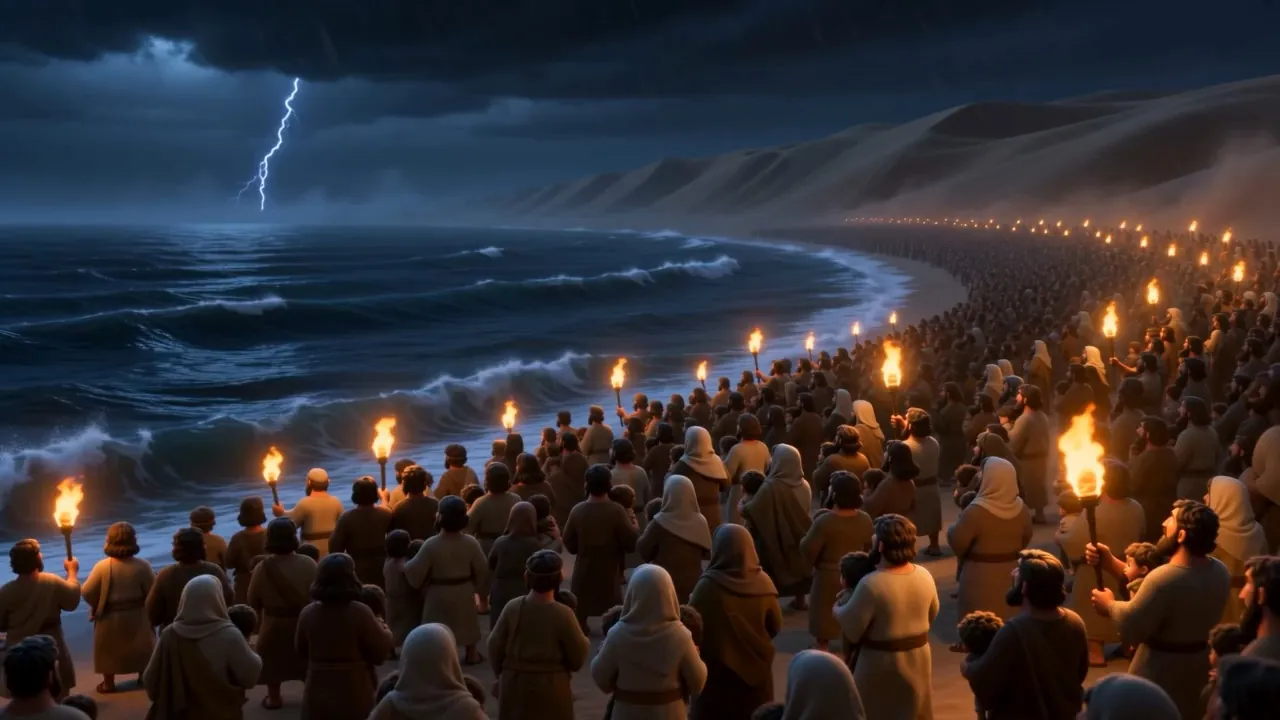
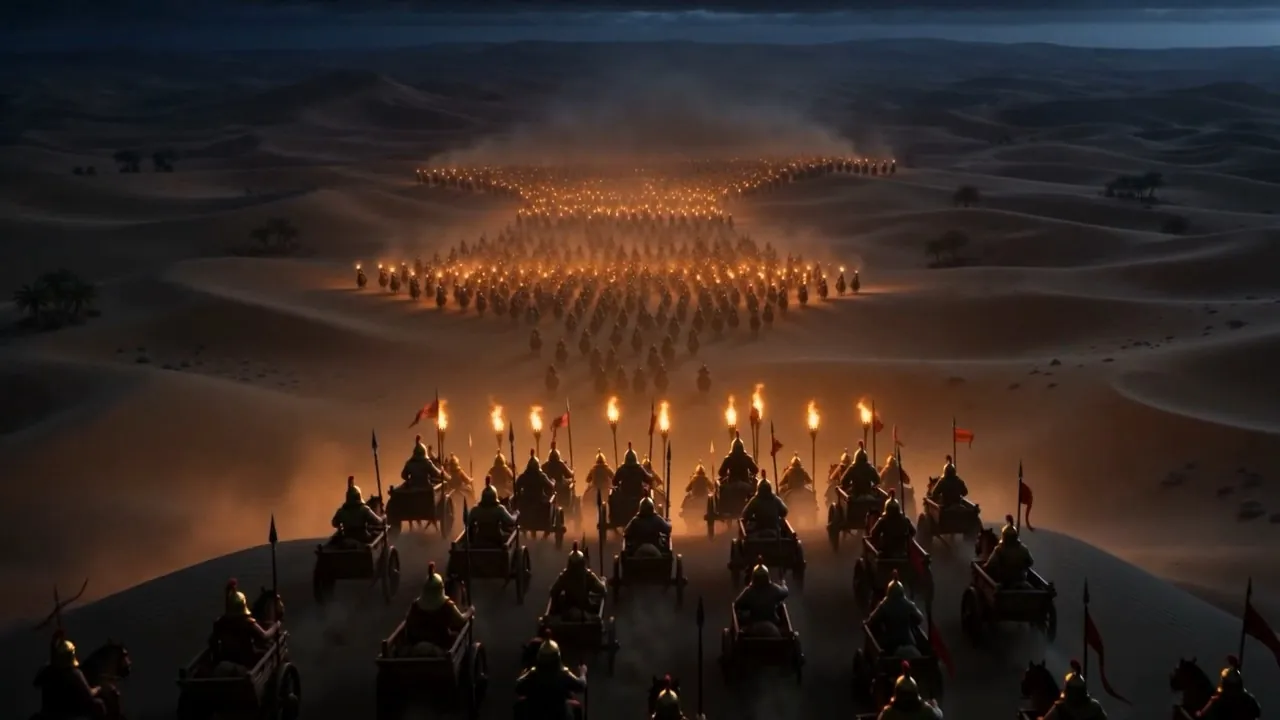
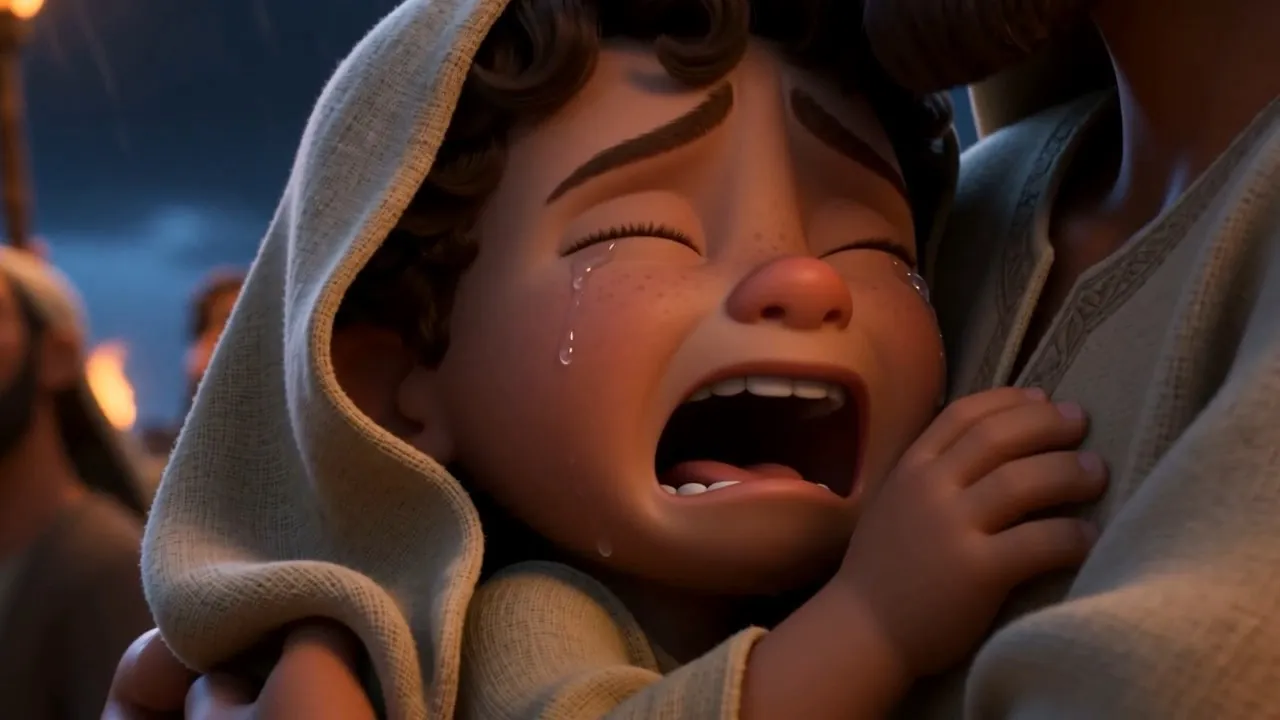
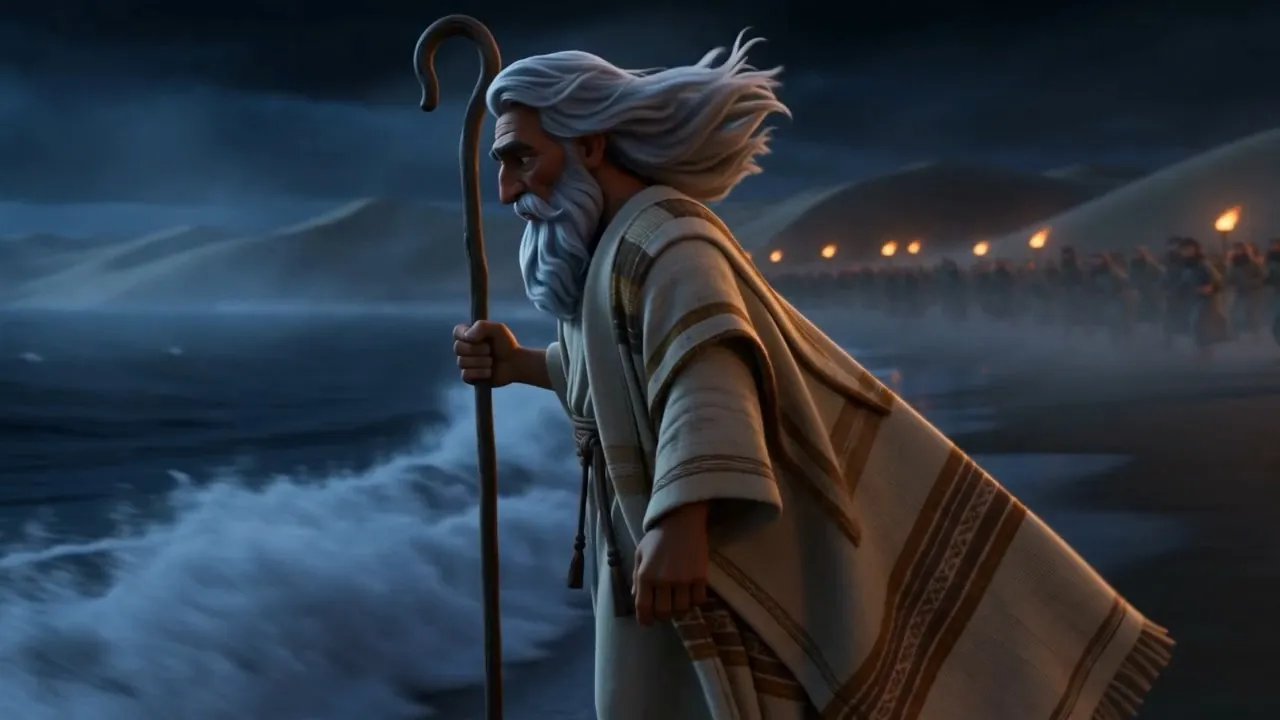
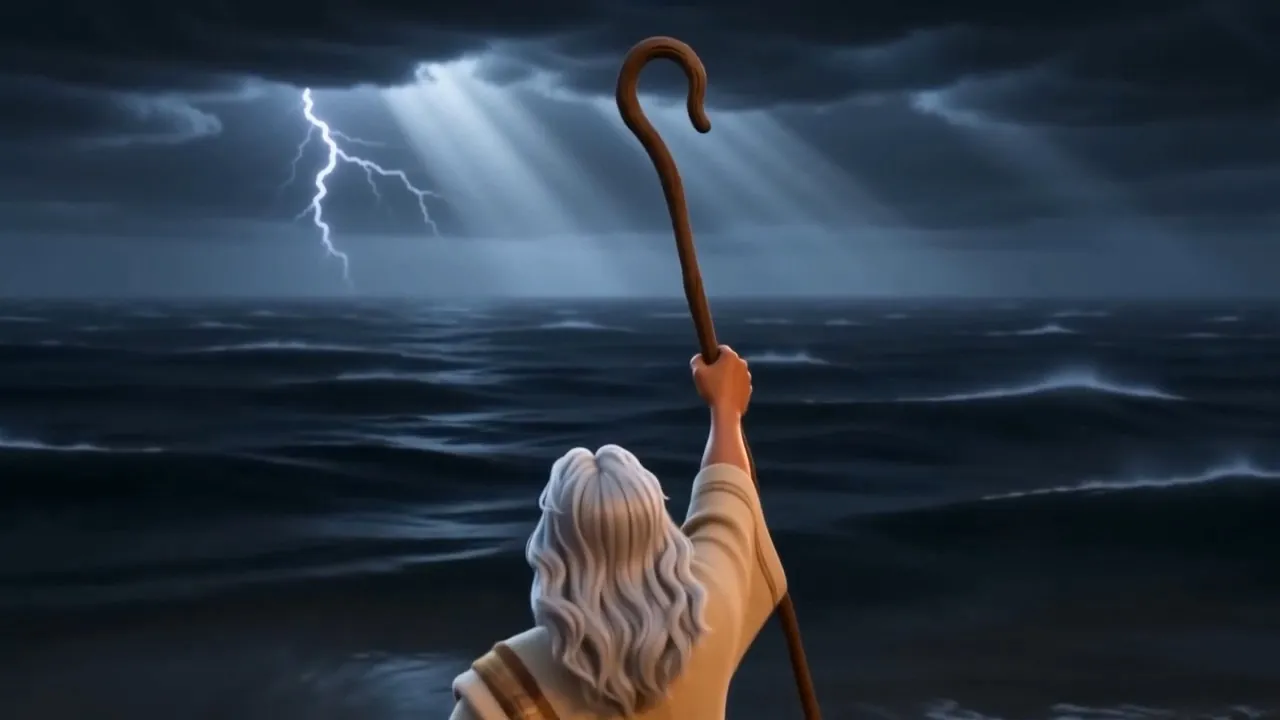





The Book of Judges opens by looking backwards. Before it tells you about any judge, it shows you what an entire nation had personally witnessed: a sea standing up in two walls, and a road through the middle of it. Exodus 14 · Judges 2 : 7
The sea stood up in two walls.


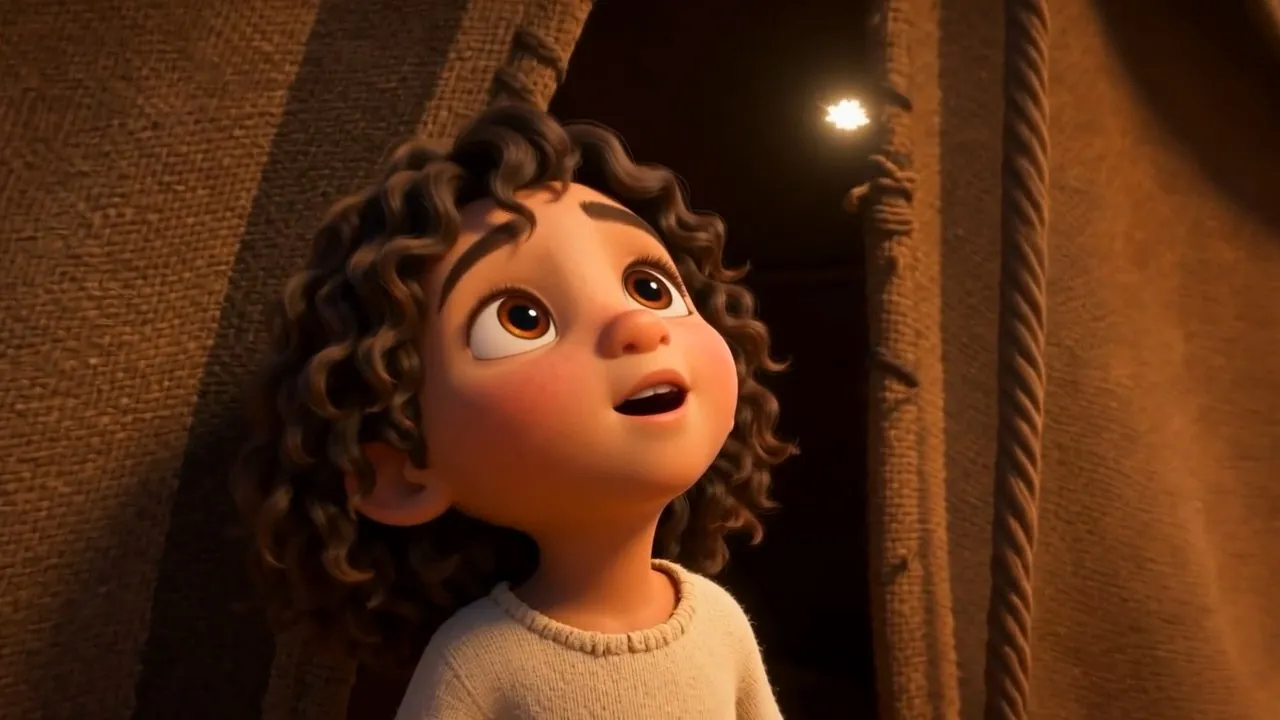
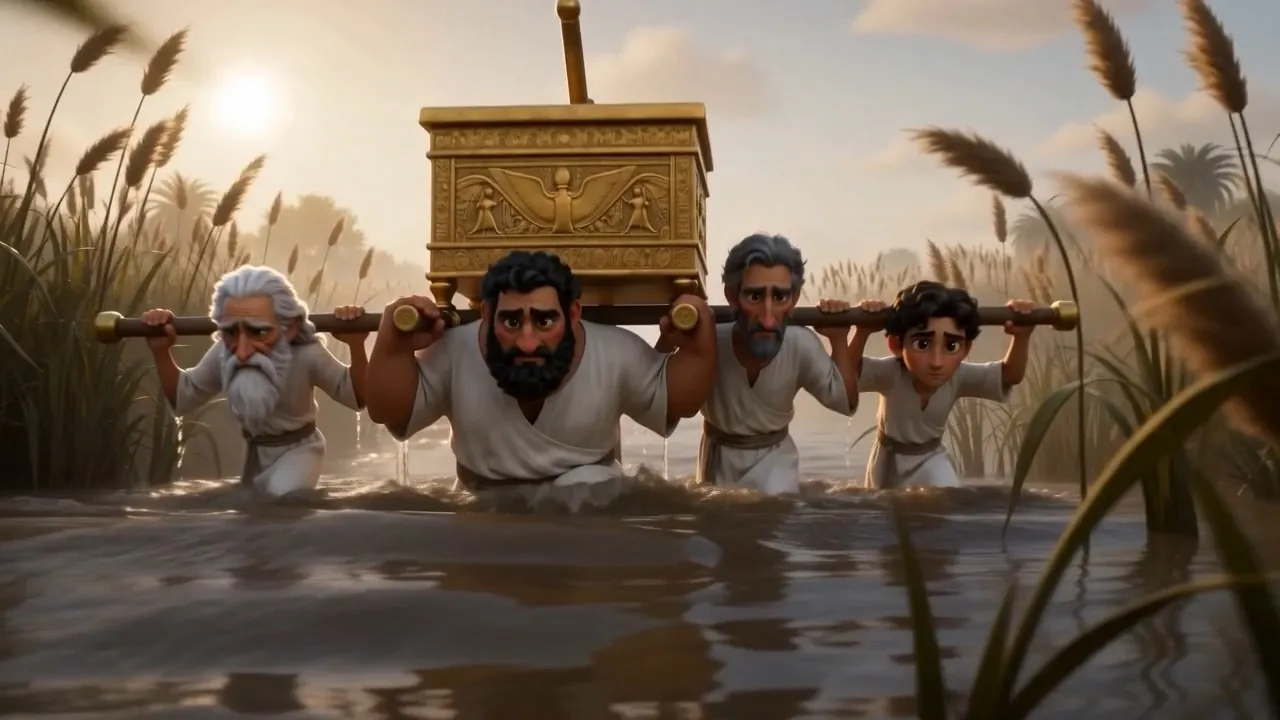

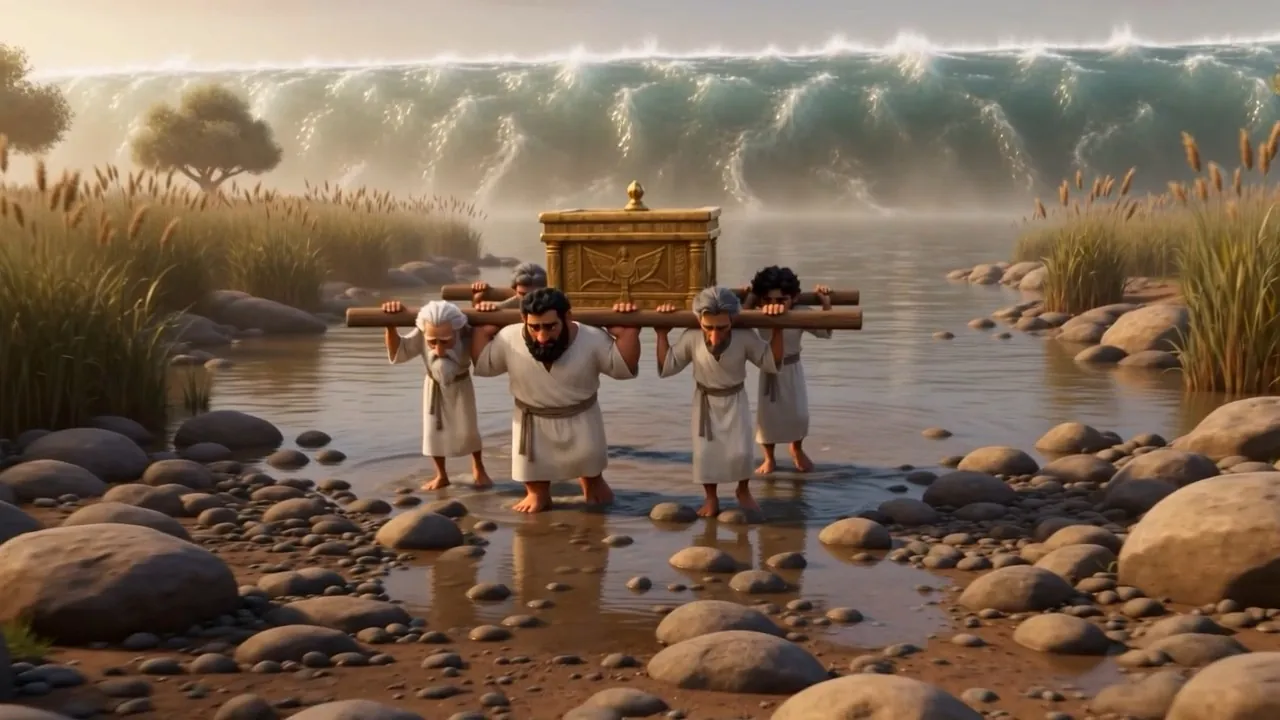
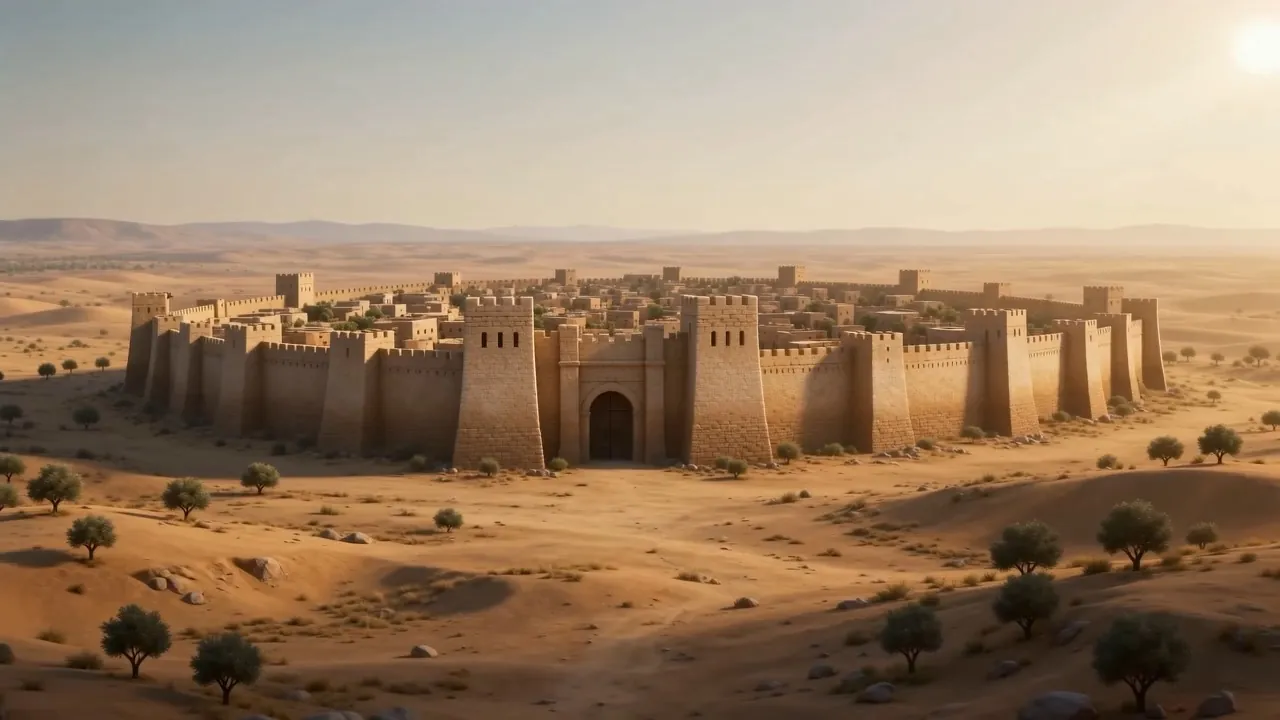
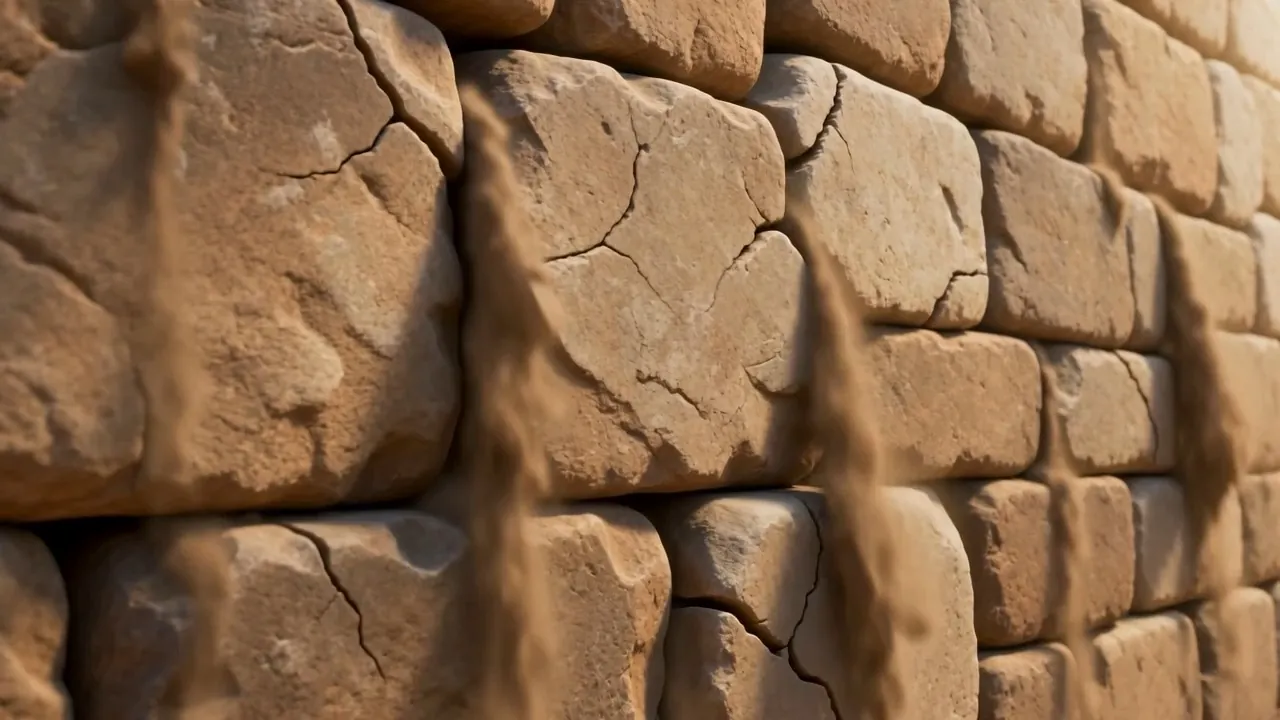
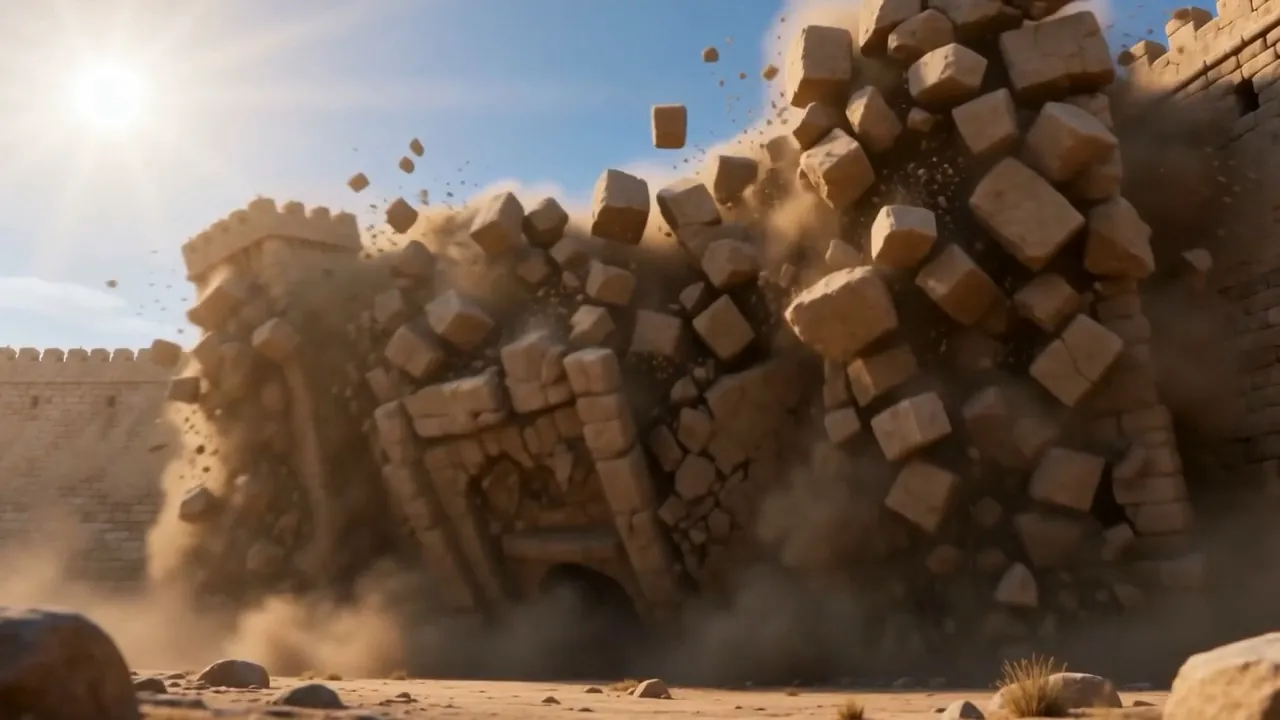
Fire that stood over the camp every night for forty years. A river that stopped for them. A city whose walls fell down flat. The people served Yahweh all the days of Joshua, and all the days of the elders who outlived Joshua, who had seen all the great work of Yahweh that he had worked for Israel. The whole book turns on that last clause — who had seen. Joshua 3–6 · Judges 2 : 7
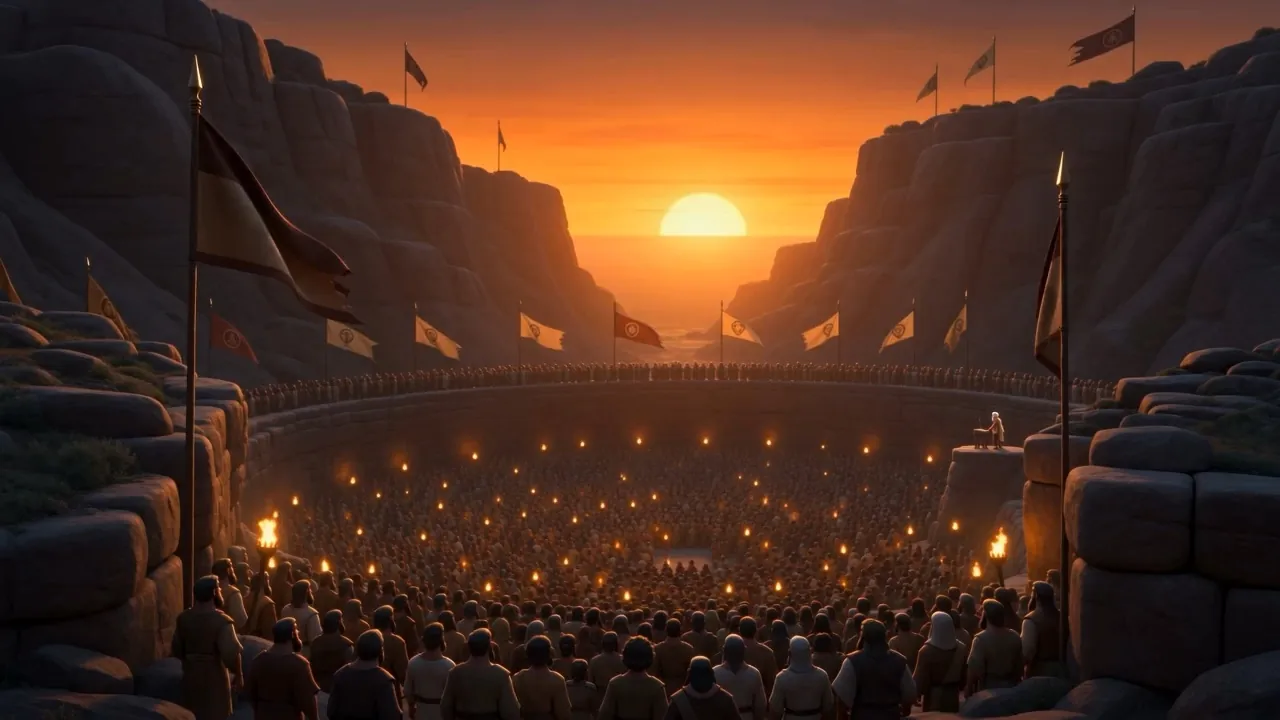
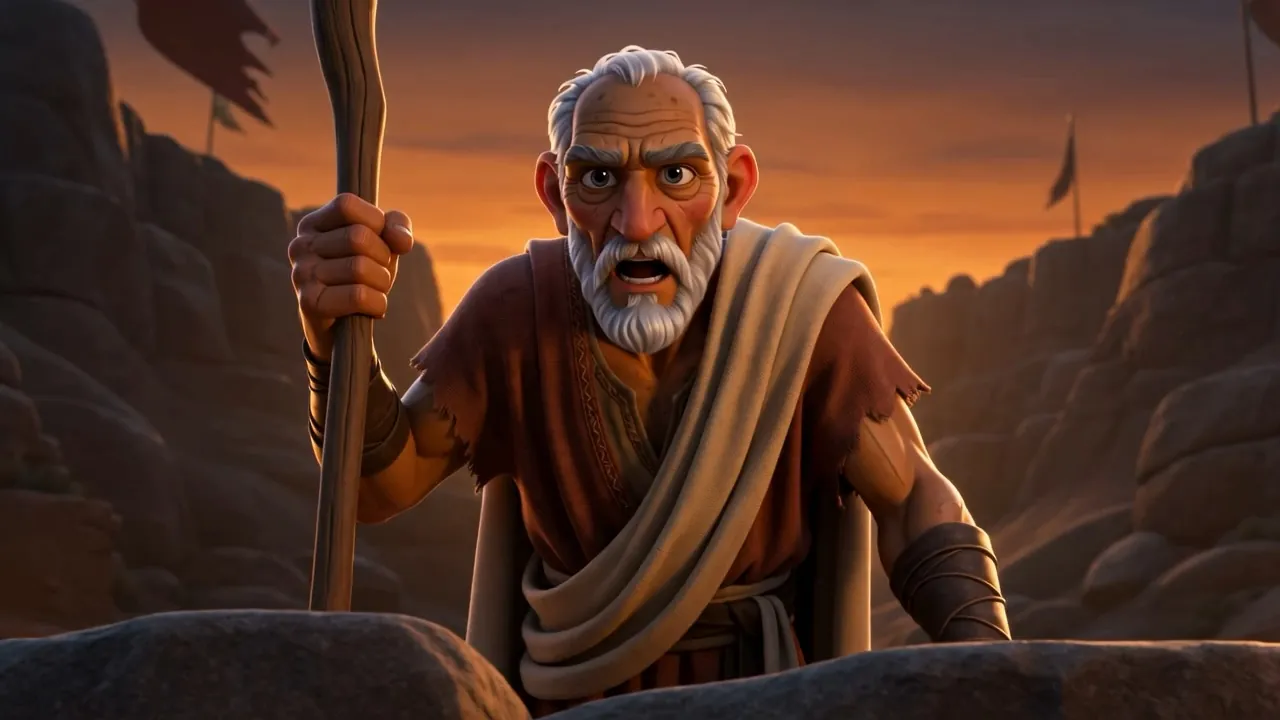
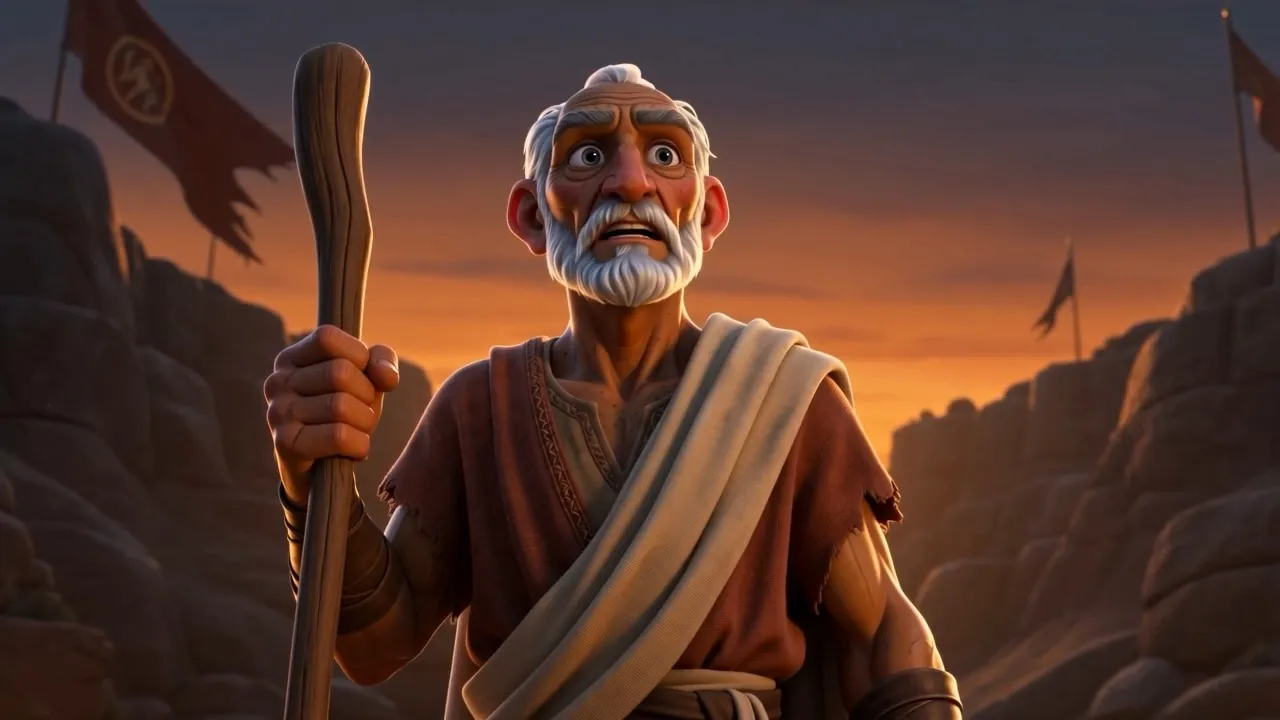
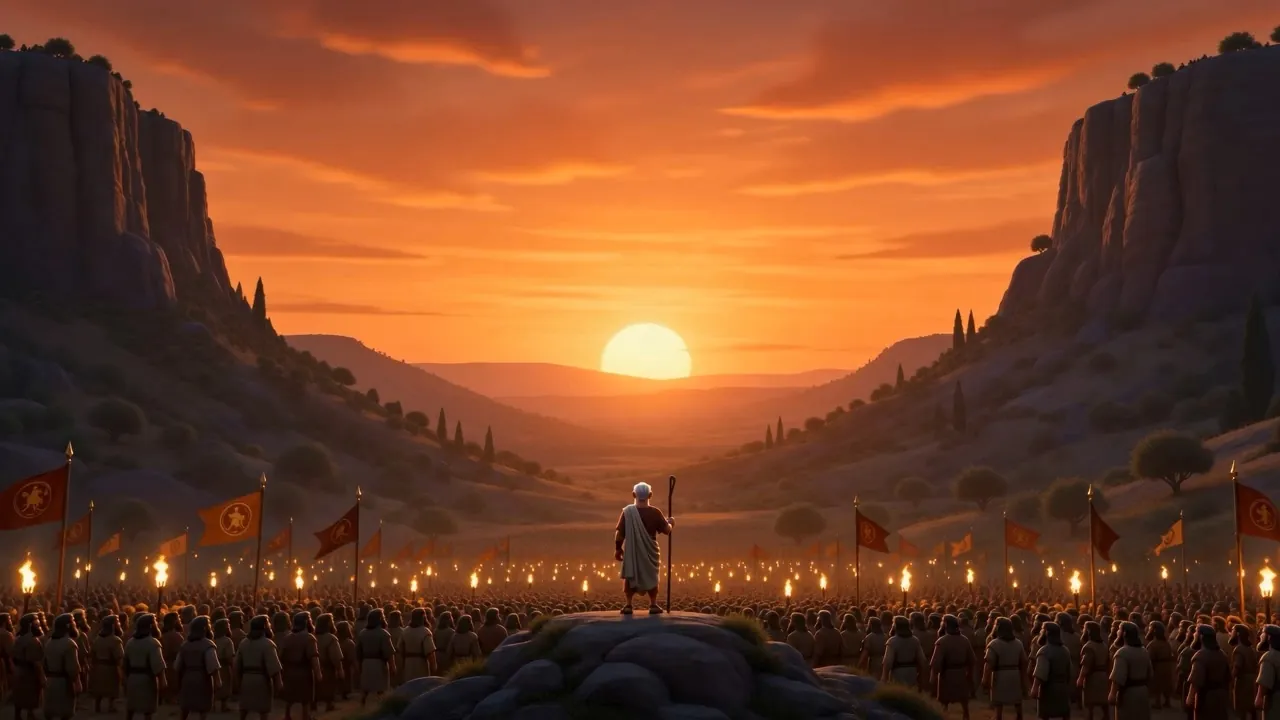
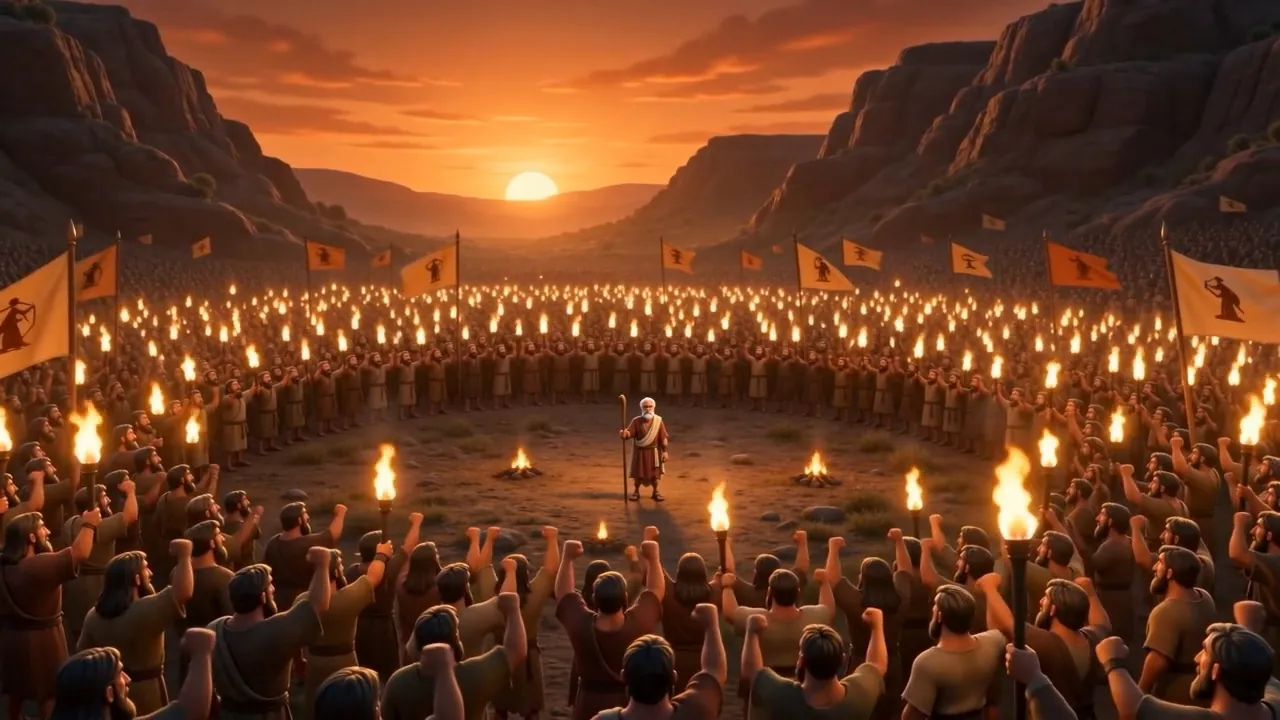
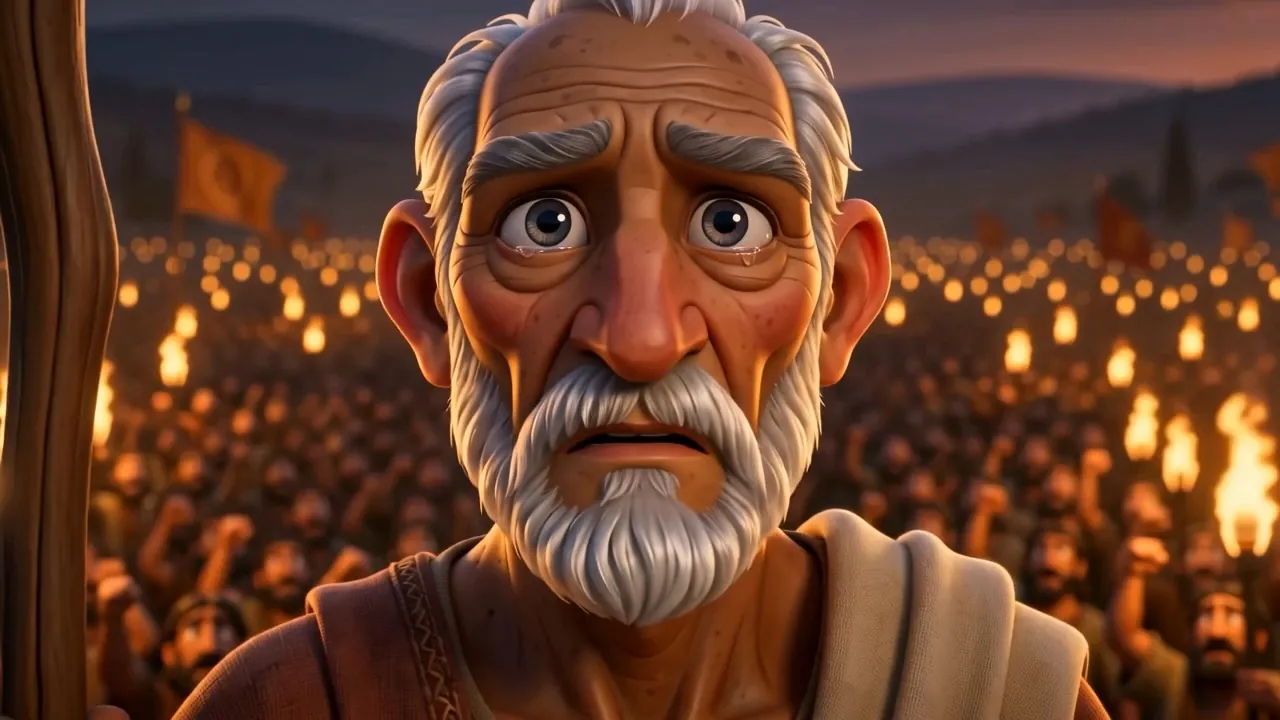
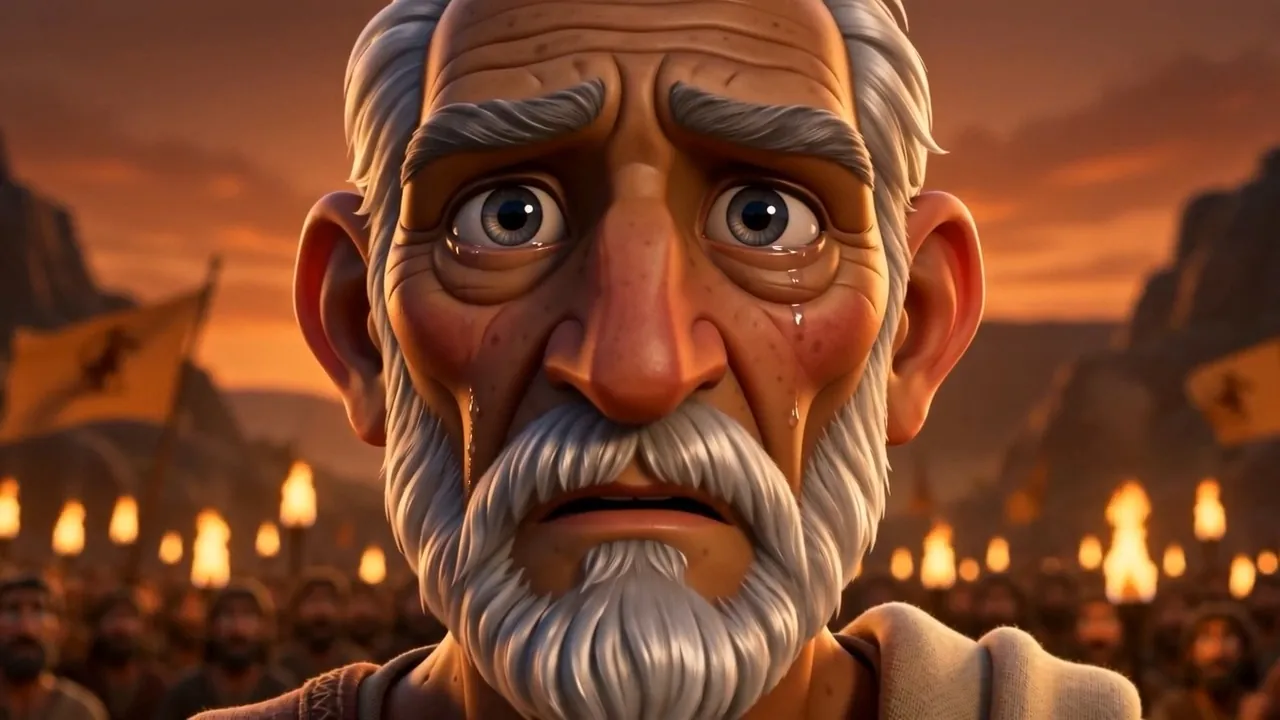
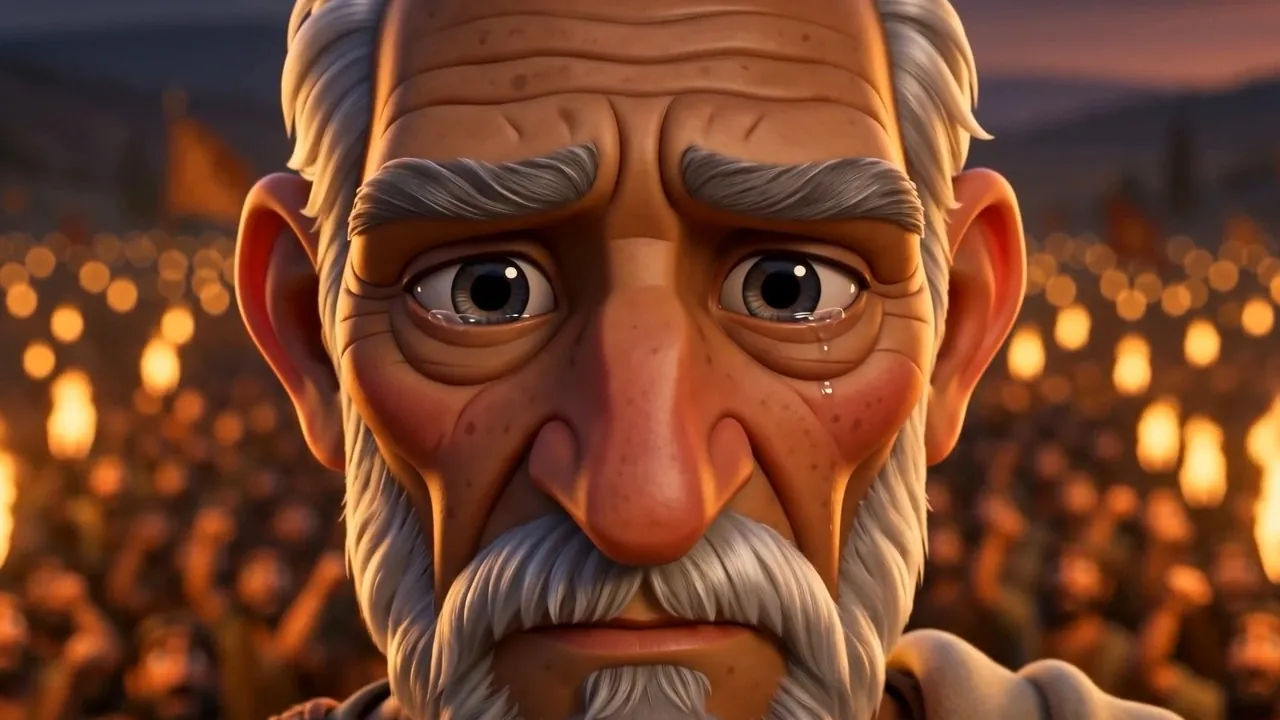
At the end of his life Joshua put it to them plainly: “Choose this day whom you will serve… but as for me and my house, we will serve Yahweh.” And the whole nation shouted back that they would too. They meant it. That is the part people forget — they absolutely meant it. Joshua 24 : 15
Choose this day whom you will serve.
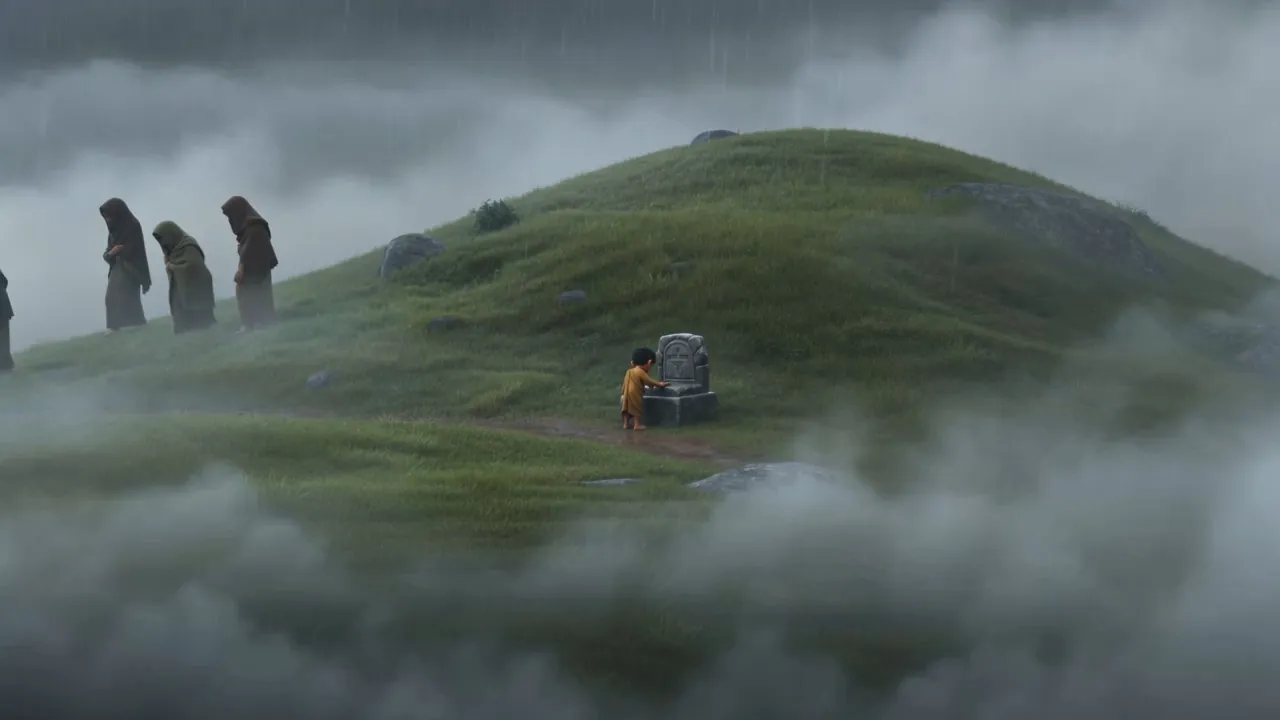

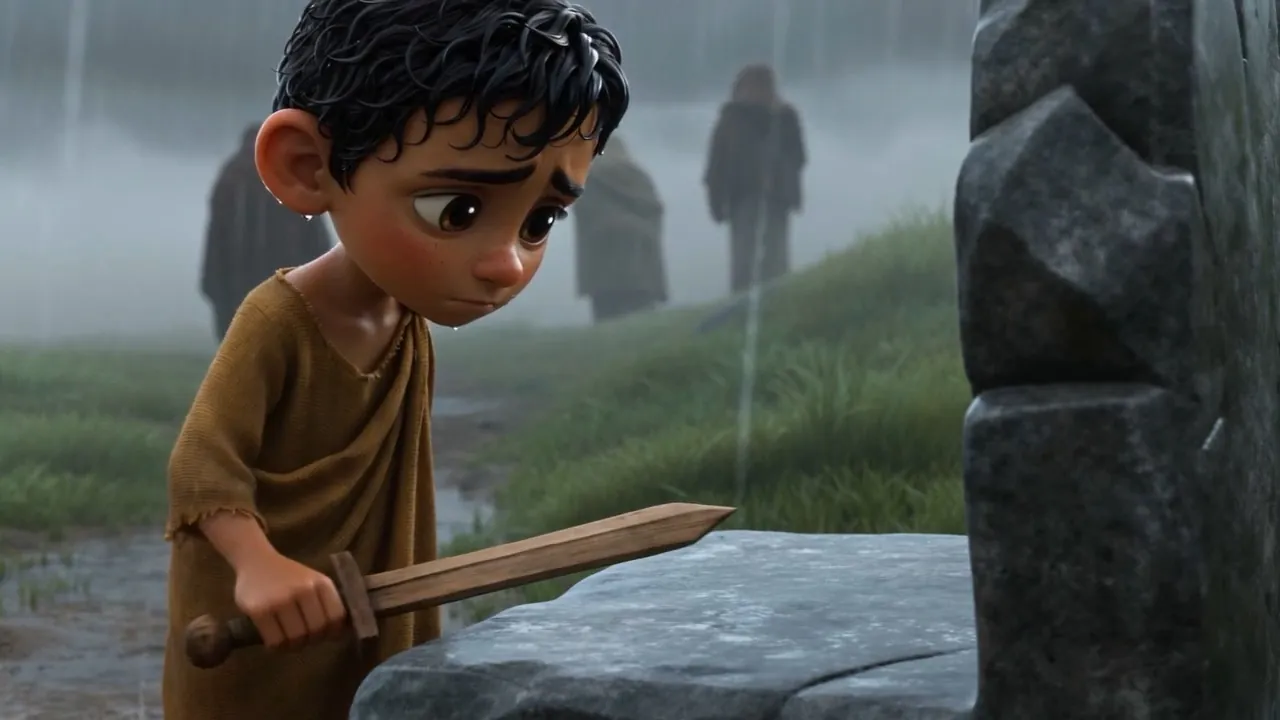

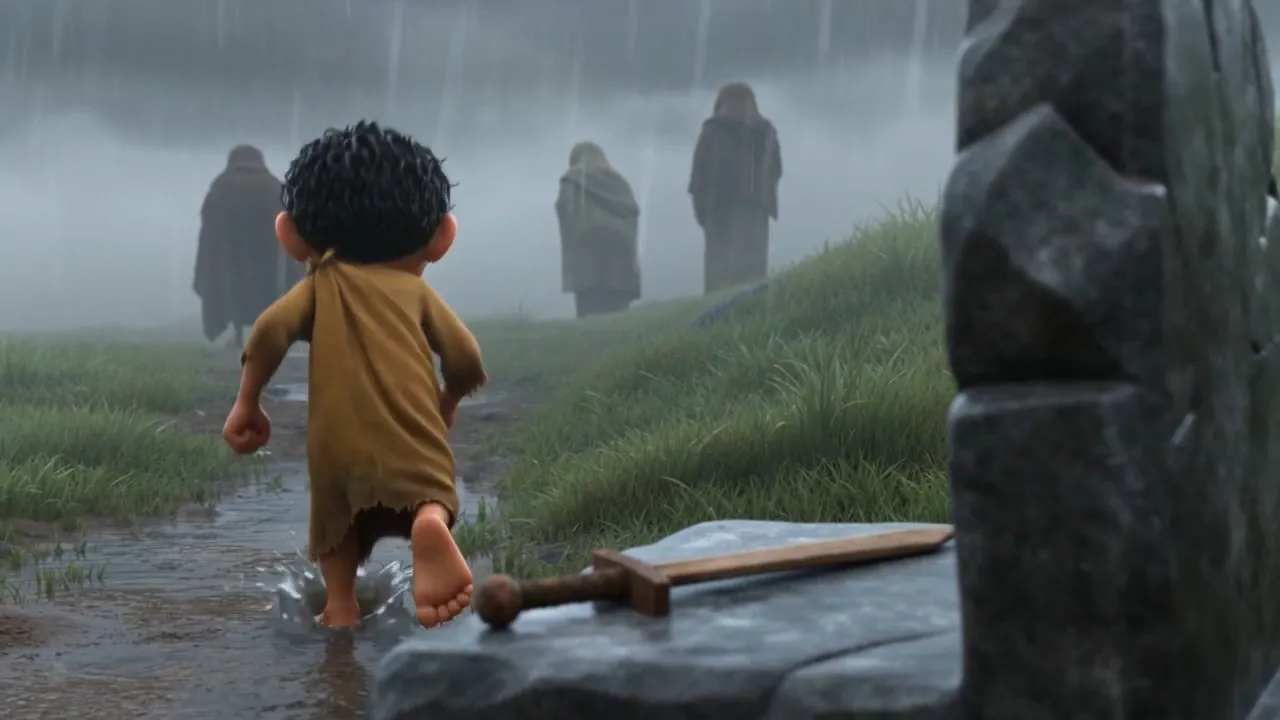
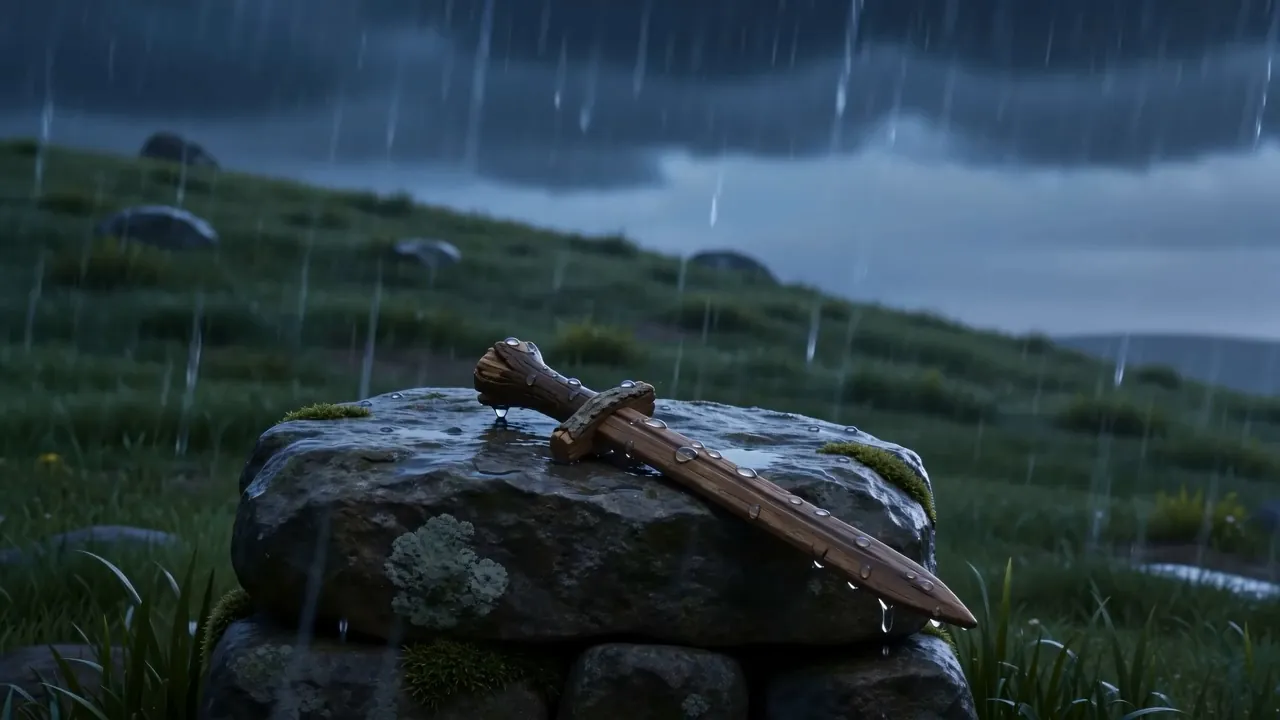
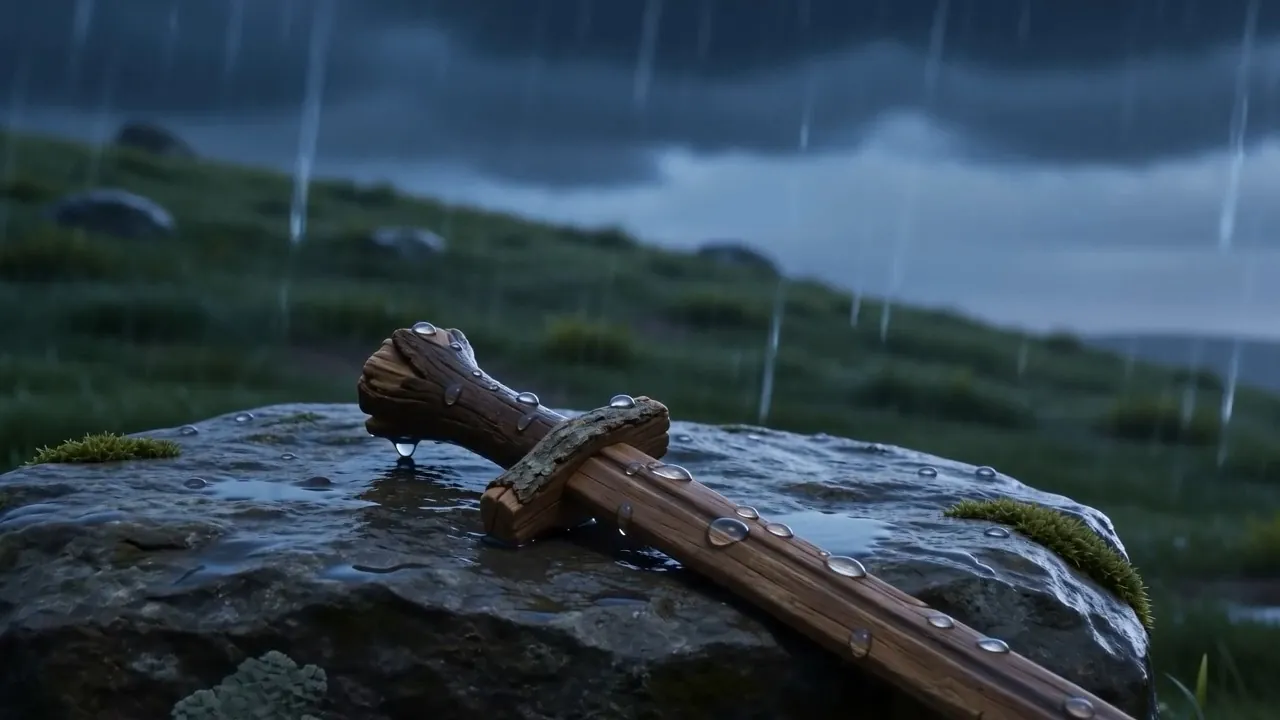
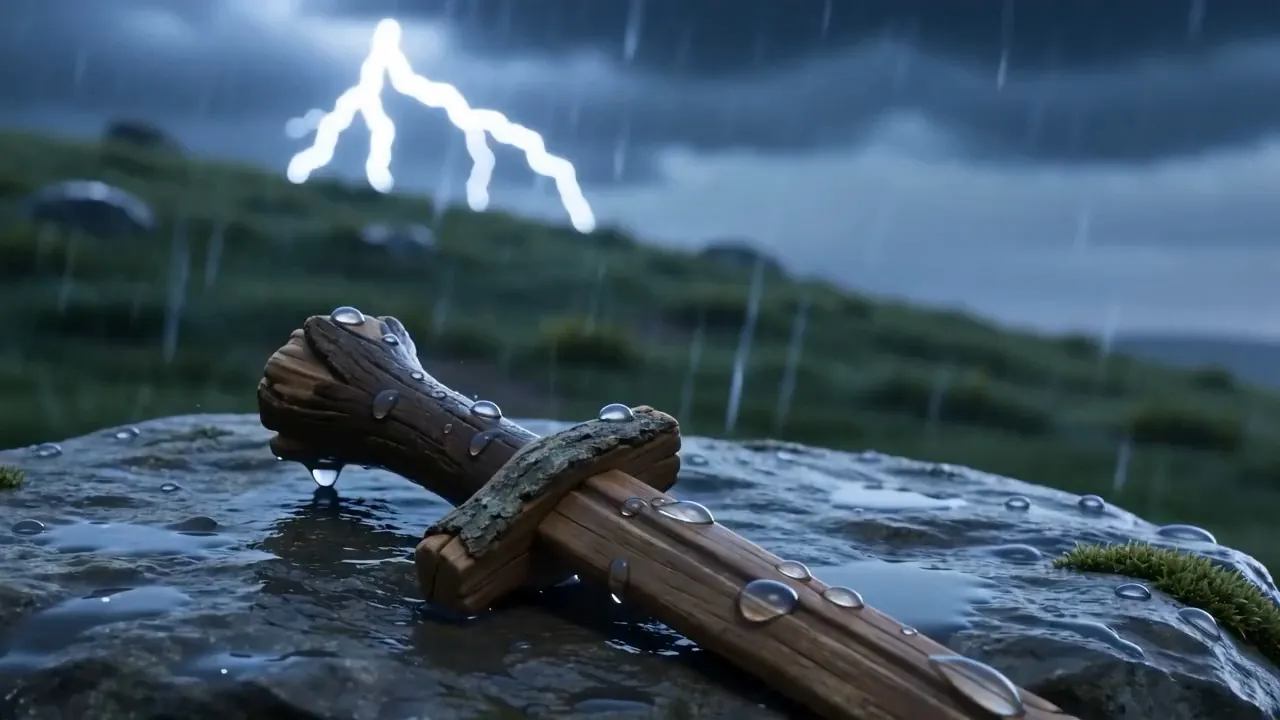
Joshua died, and they buried him. And then comes the sentence the whole book is built on: all that generation were gathered to their fathers. There arose another generation after them, who didn't know Yahweh, nor the work which he had done for Israel. Not rebels. Not atheists. Just people for whom the sea and the fire and the walls were somebody else's story. Judges 2 : 8–10
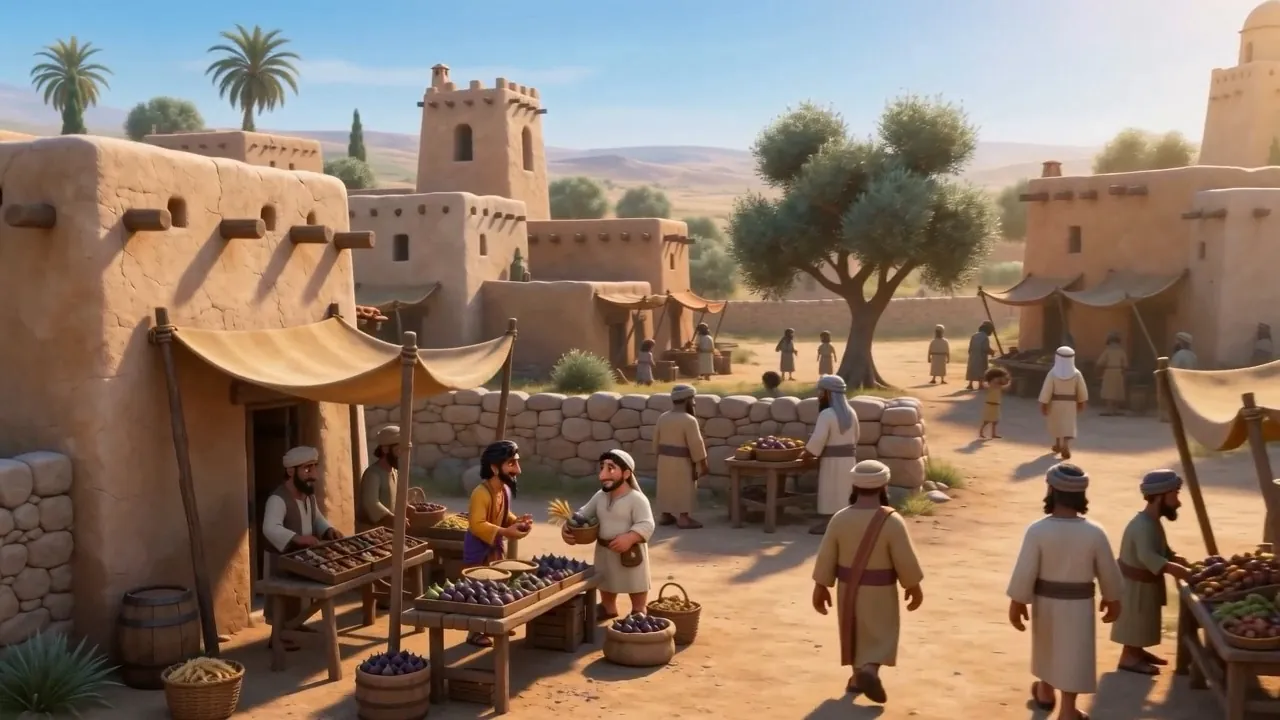
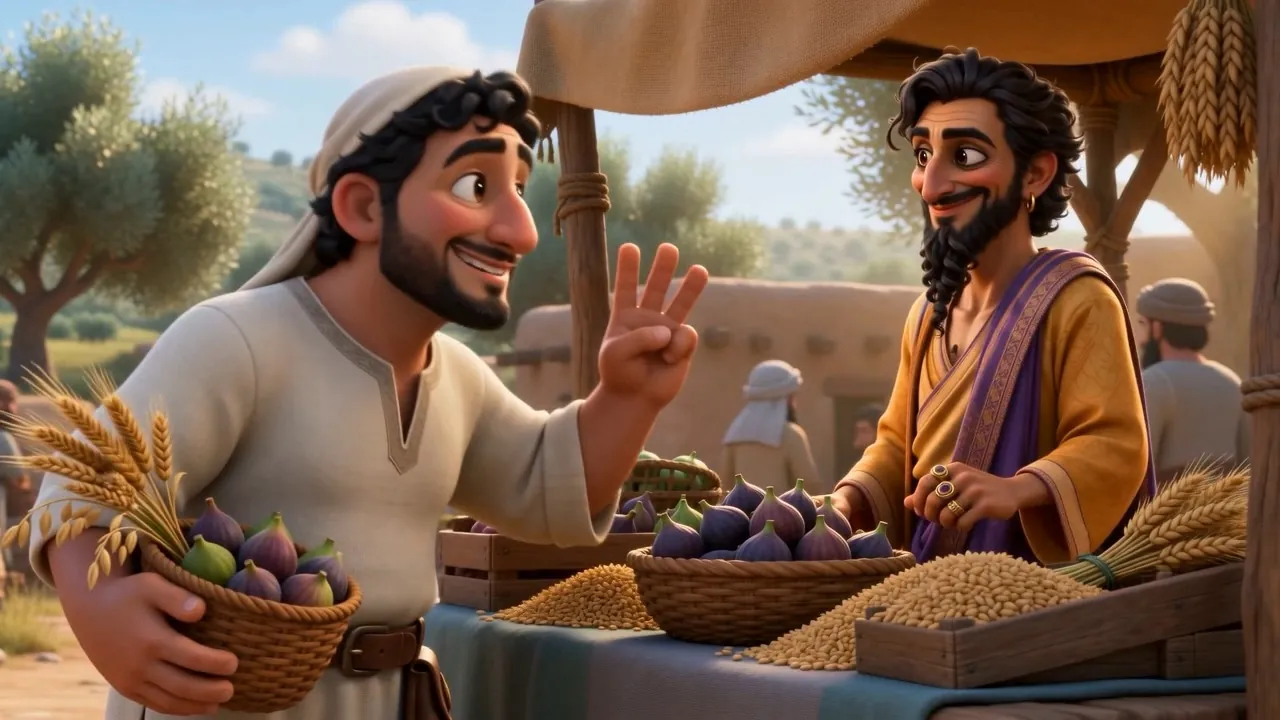
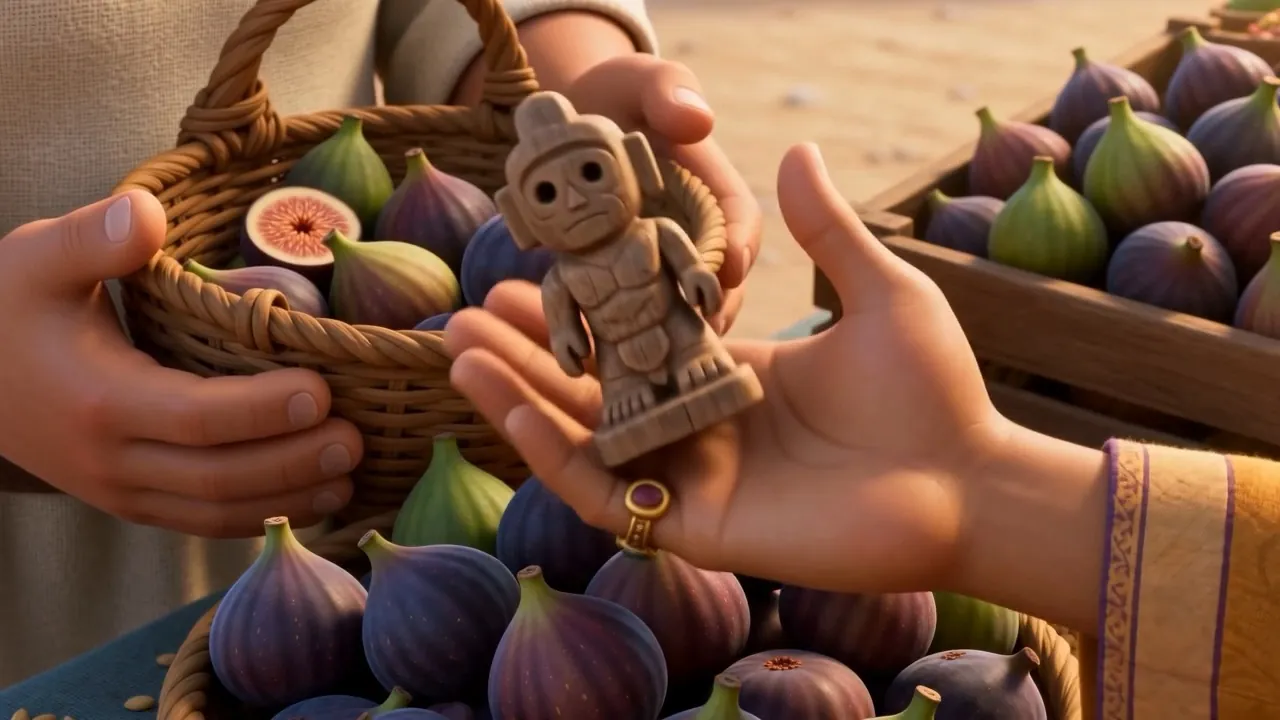
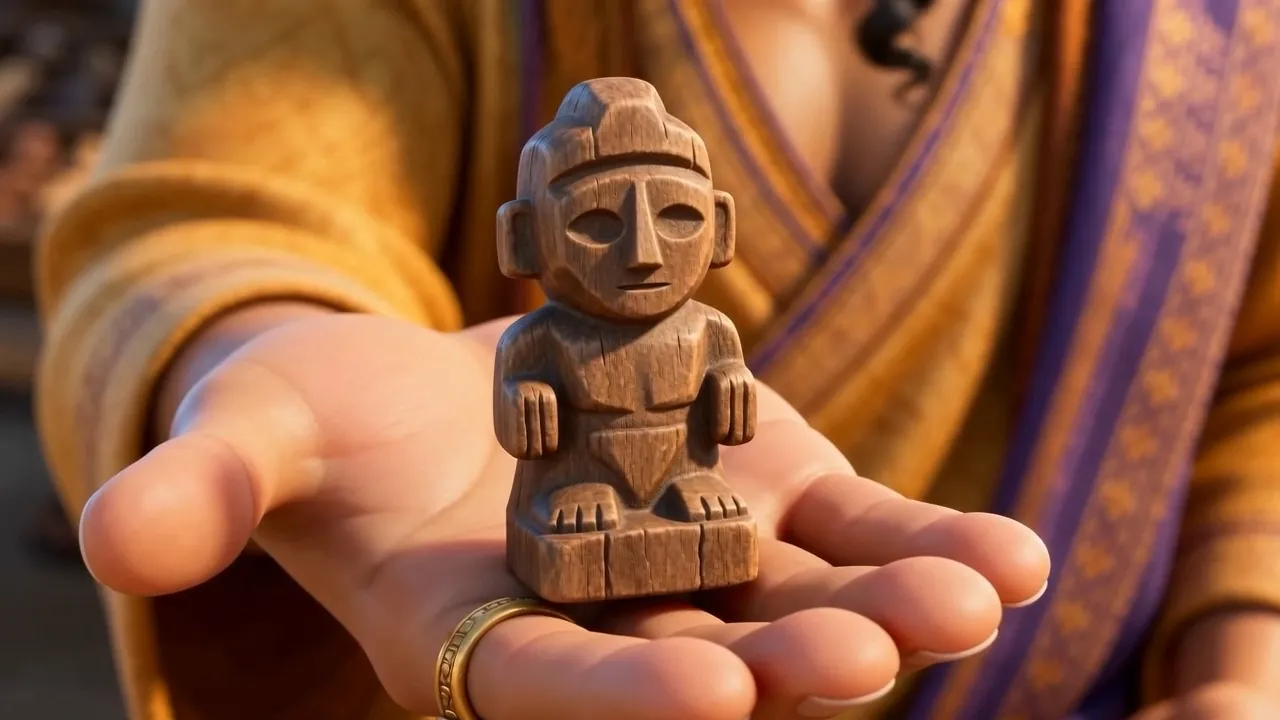
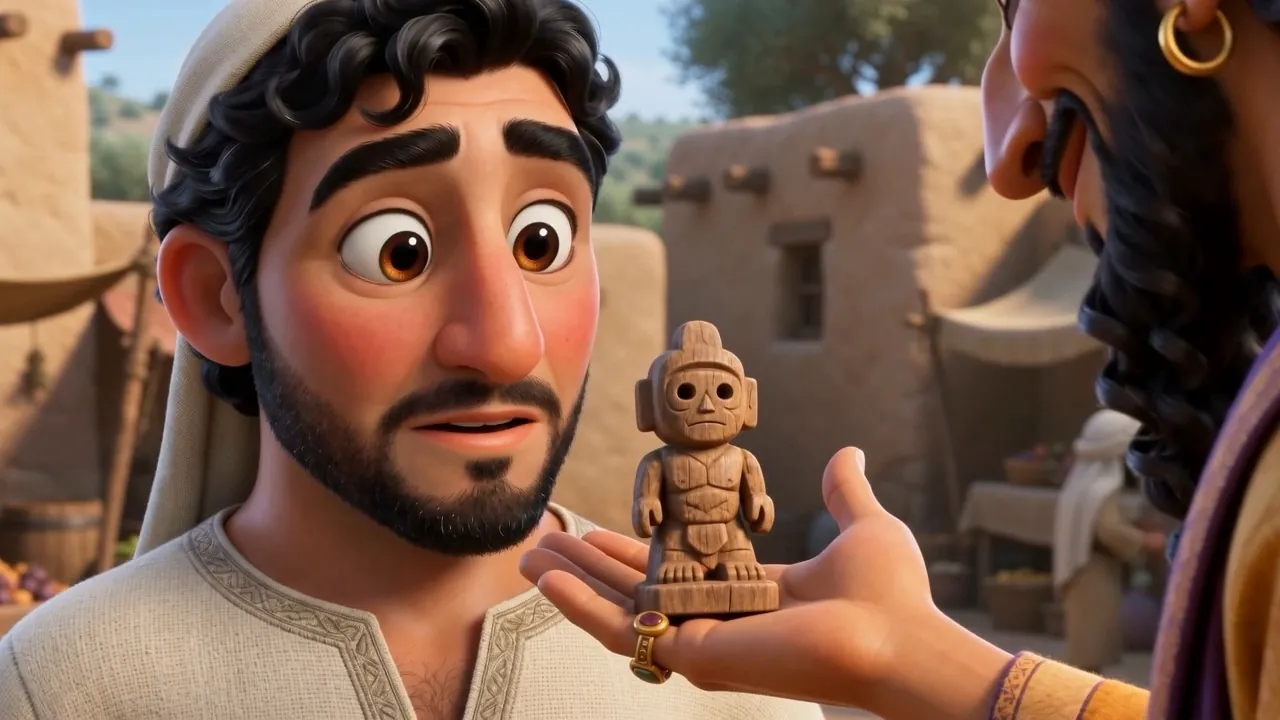
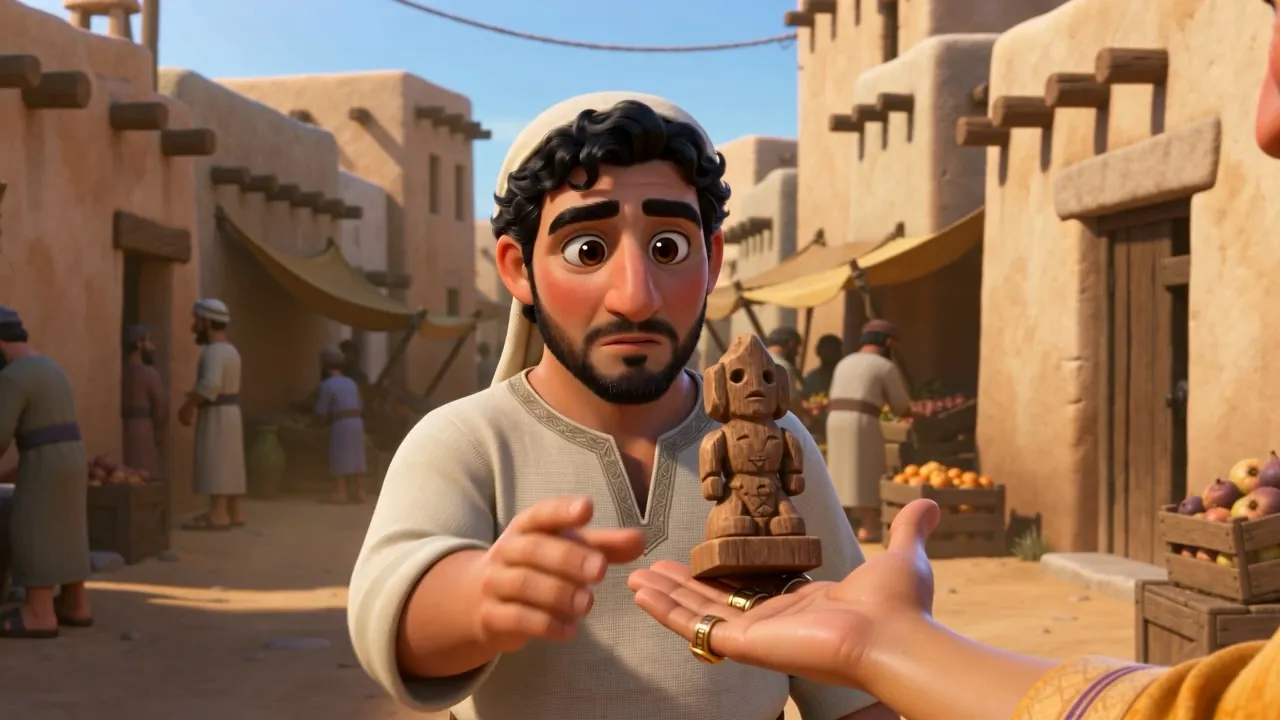
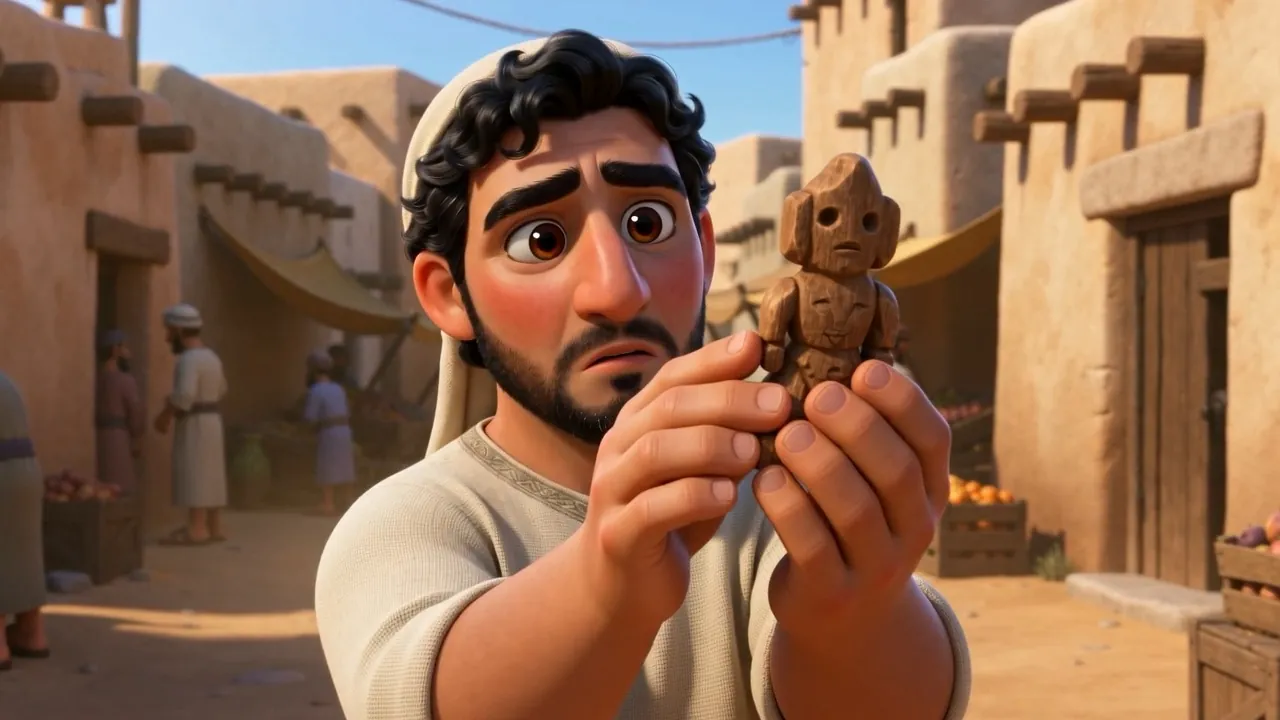
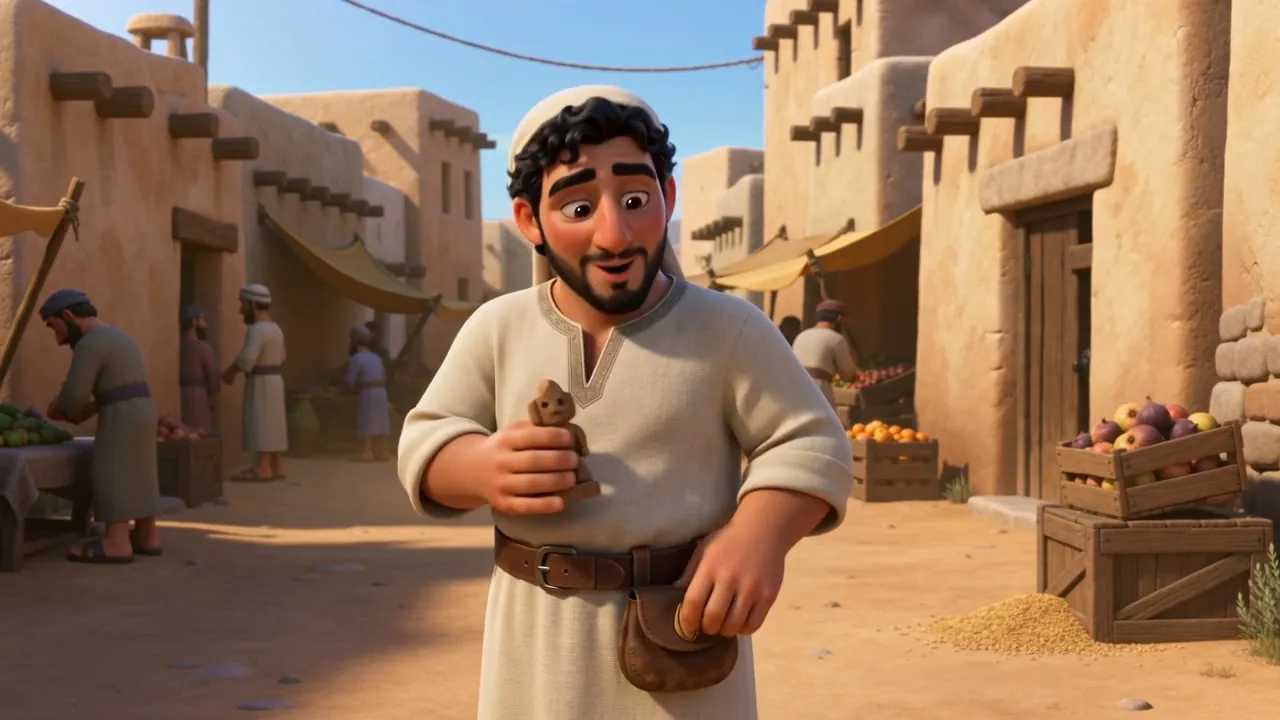
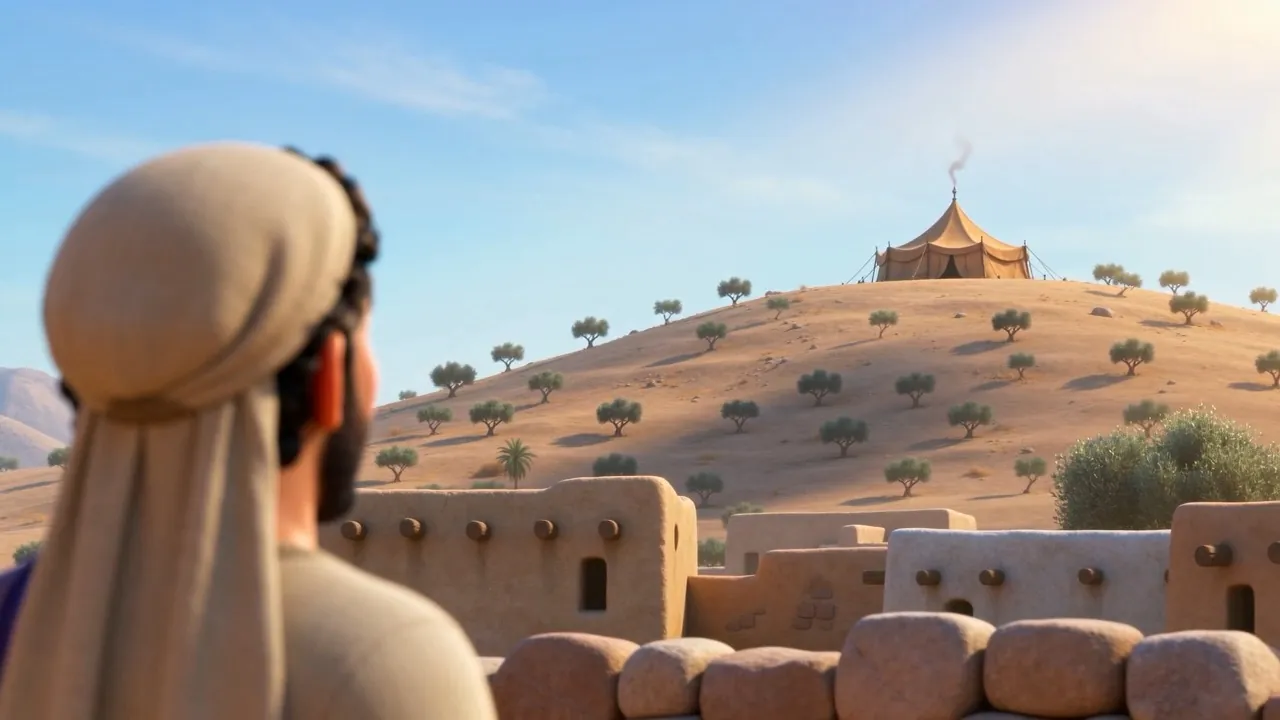
Nobody in Judges decides to abandon God. It gets in exactly the way these things do: as a free gift from a friendly neighbor, thrown in with the fruit — a little household figure, the kind everyone around here keeps, good for the harvest. It goes home in a belt pouch, not on a banner. Judges 2 : 11–12
It came free with the figs.
Interlude · Your turn
The trader holds it out to you. Free, with the figs.
Everyone around here keeps one, he says. Good for the harvest.
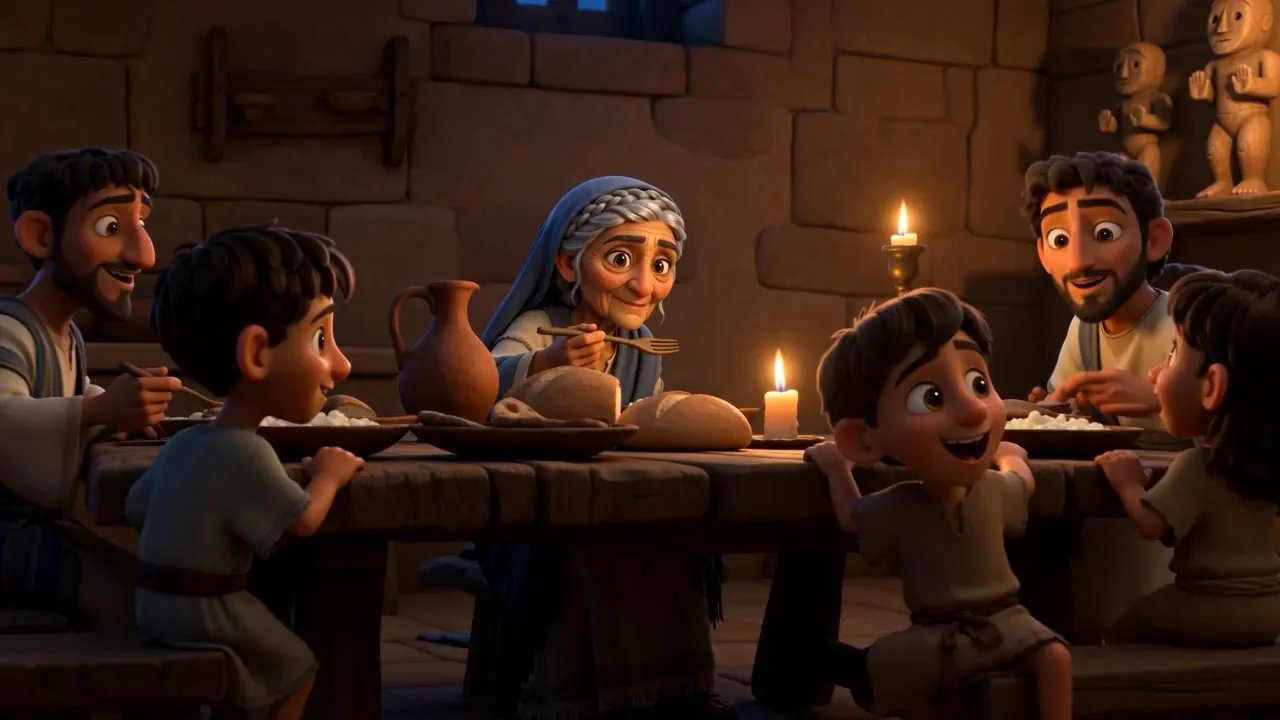
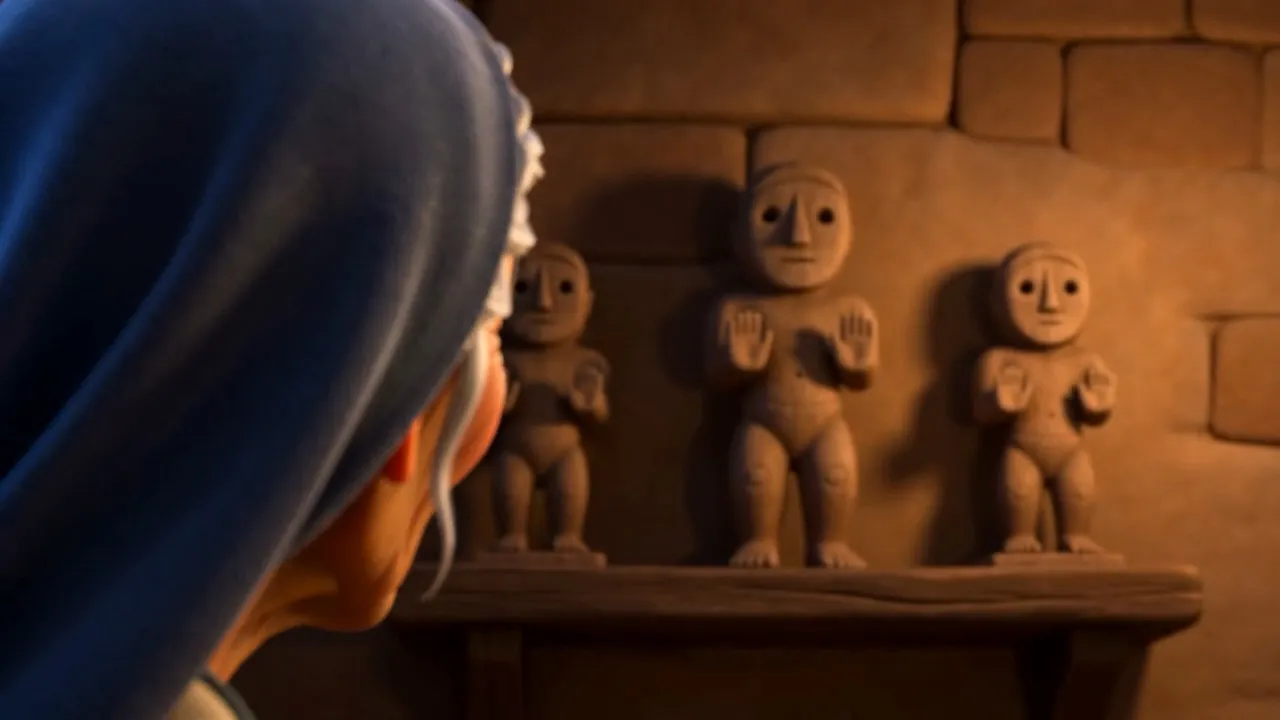
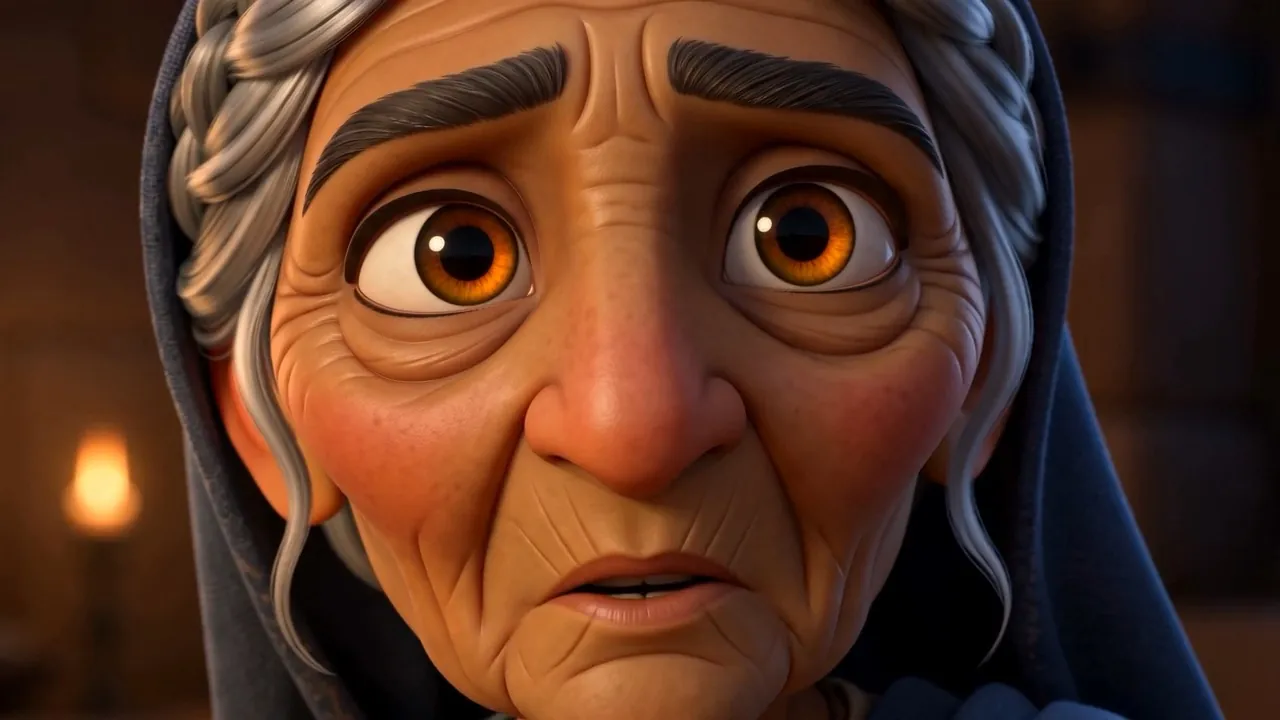

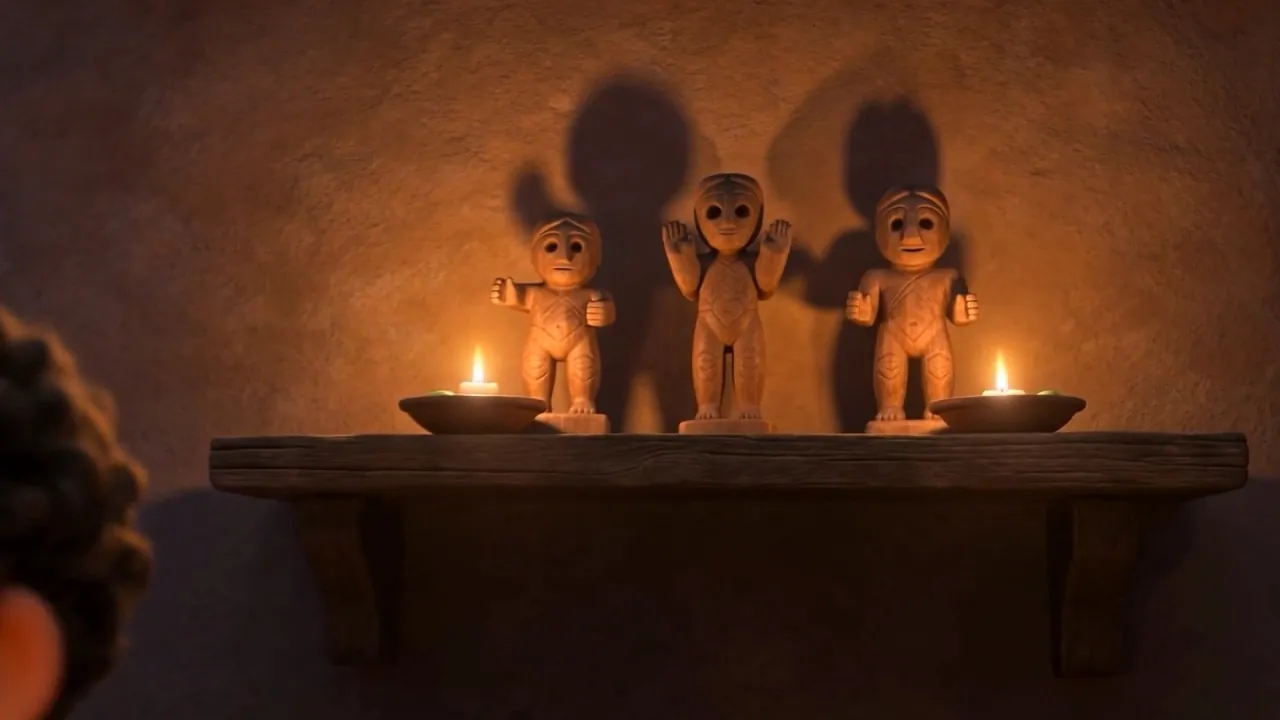
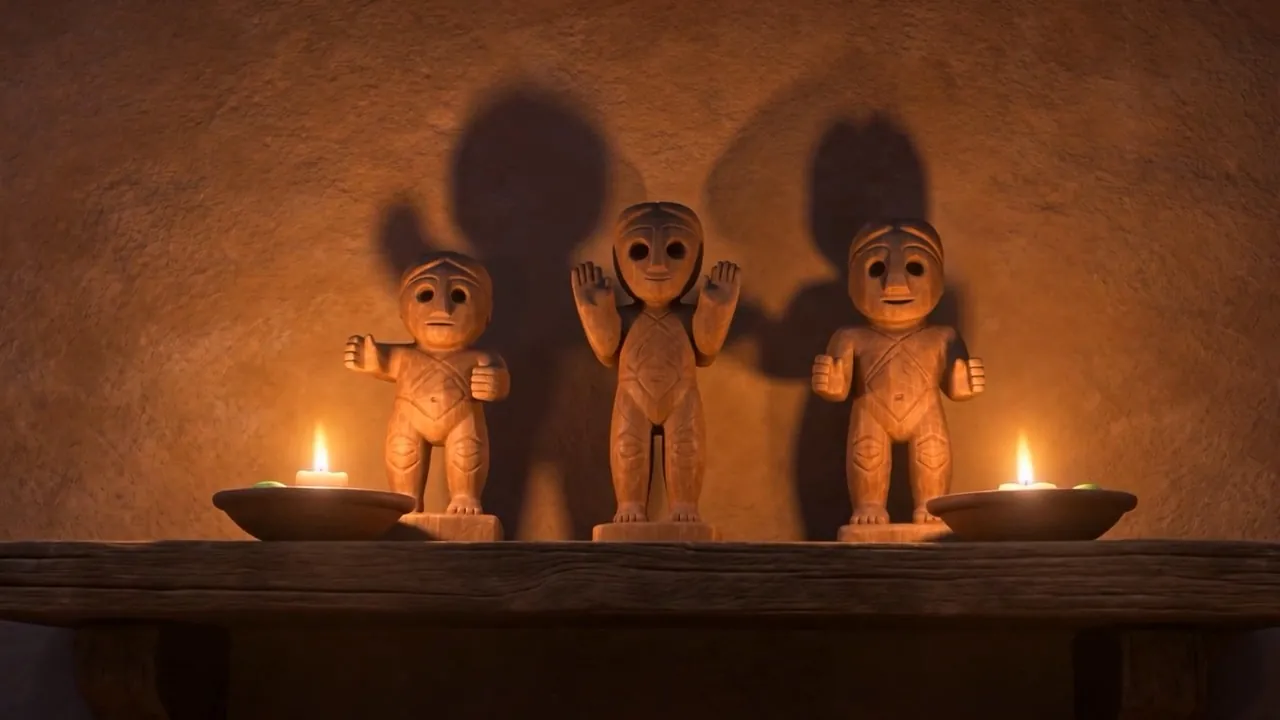
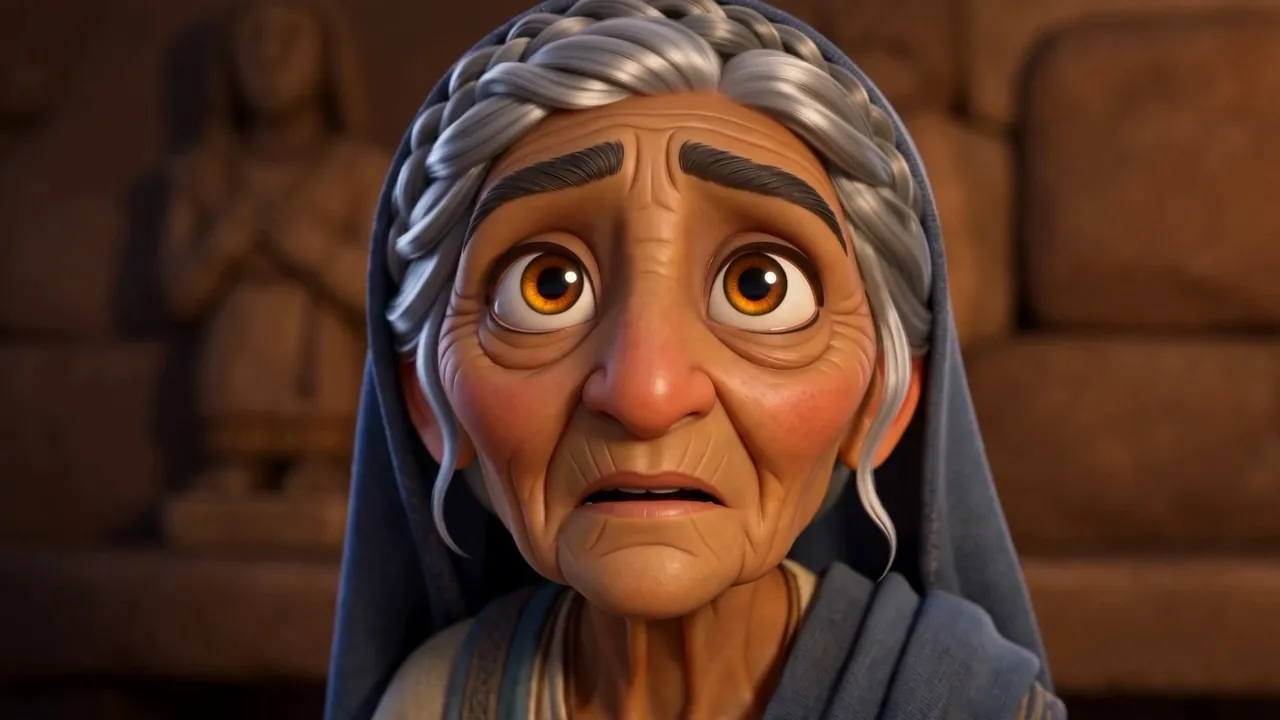
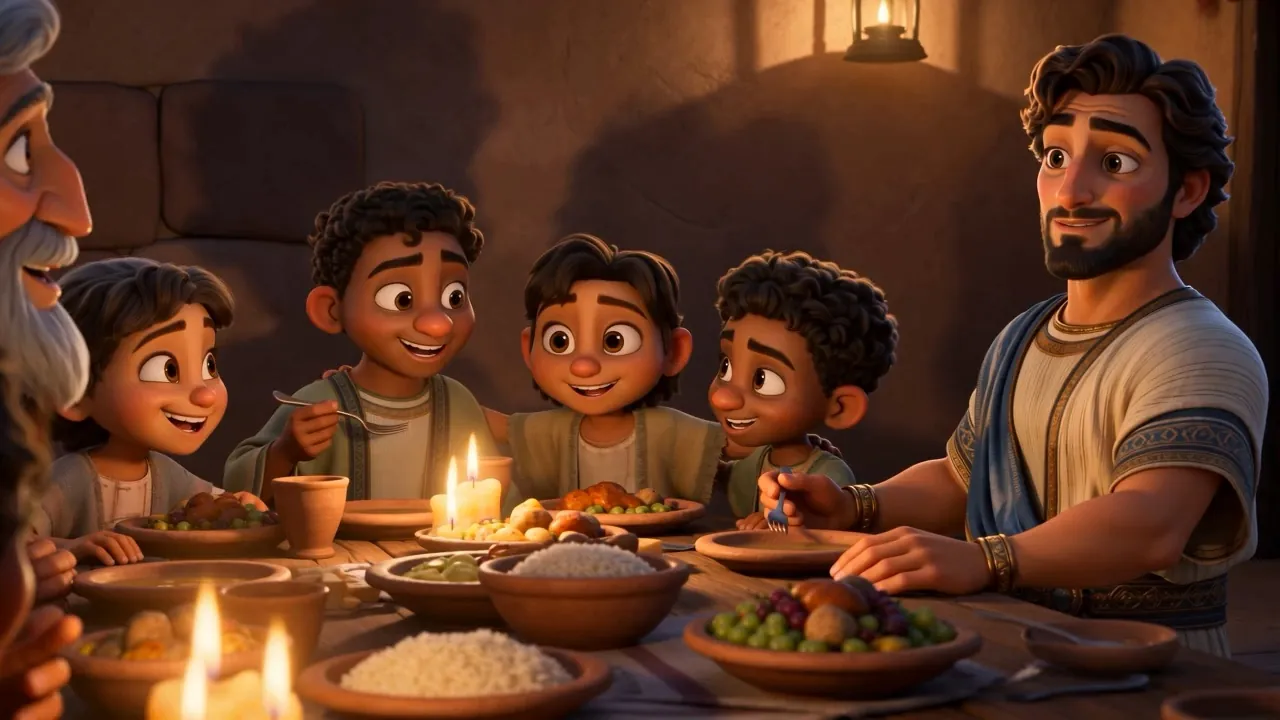
One generation later the little figures have their own shelf, and their own lamps, and nobody thinks about it — except the oldest person at the table, who can remember when there was nothing on that wall. They forsook Yahweh, the God of their fathers, and followed other gods, of the gods of the peoples who were around them. Judges 2 : 12
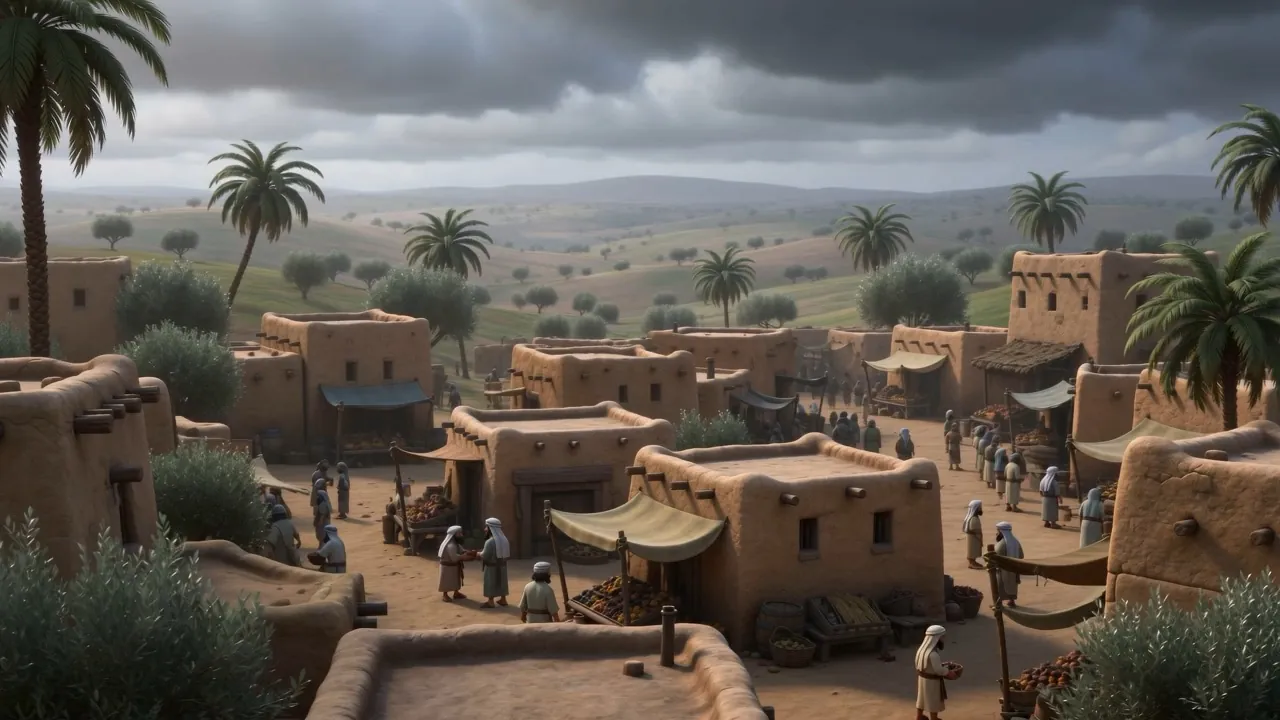
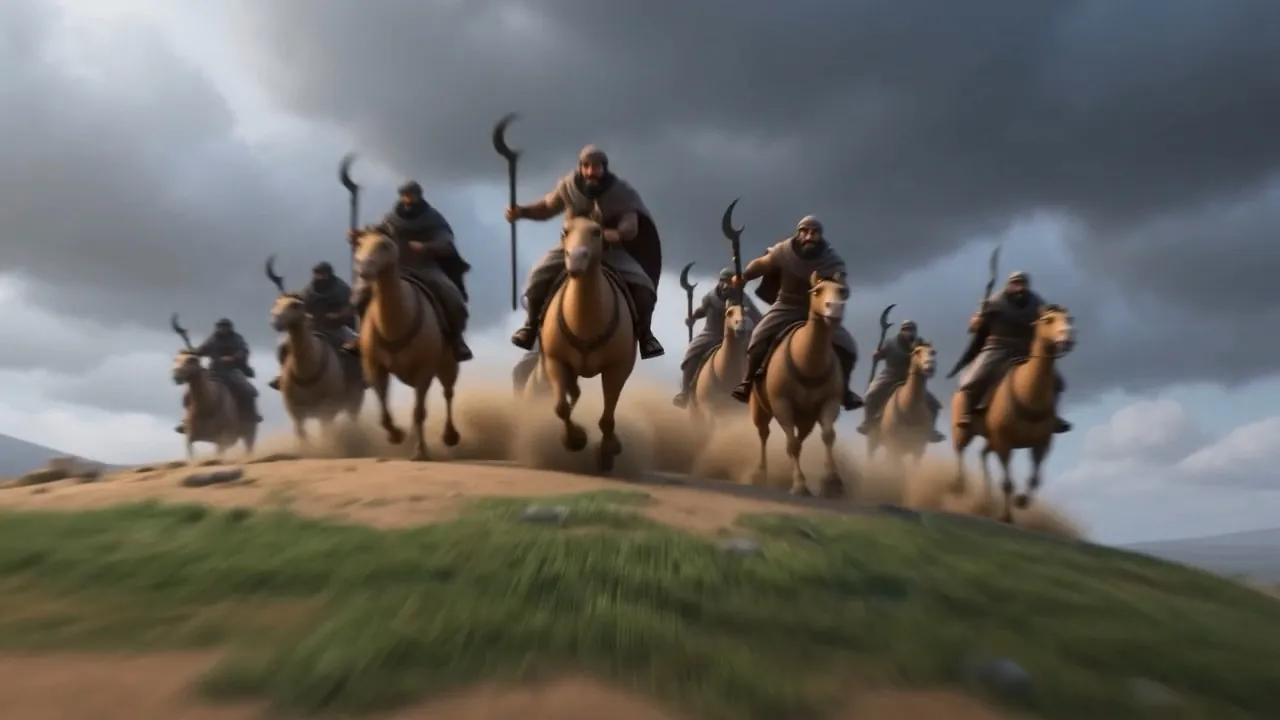

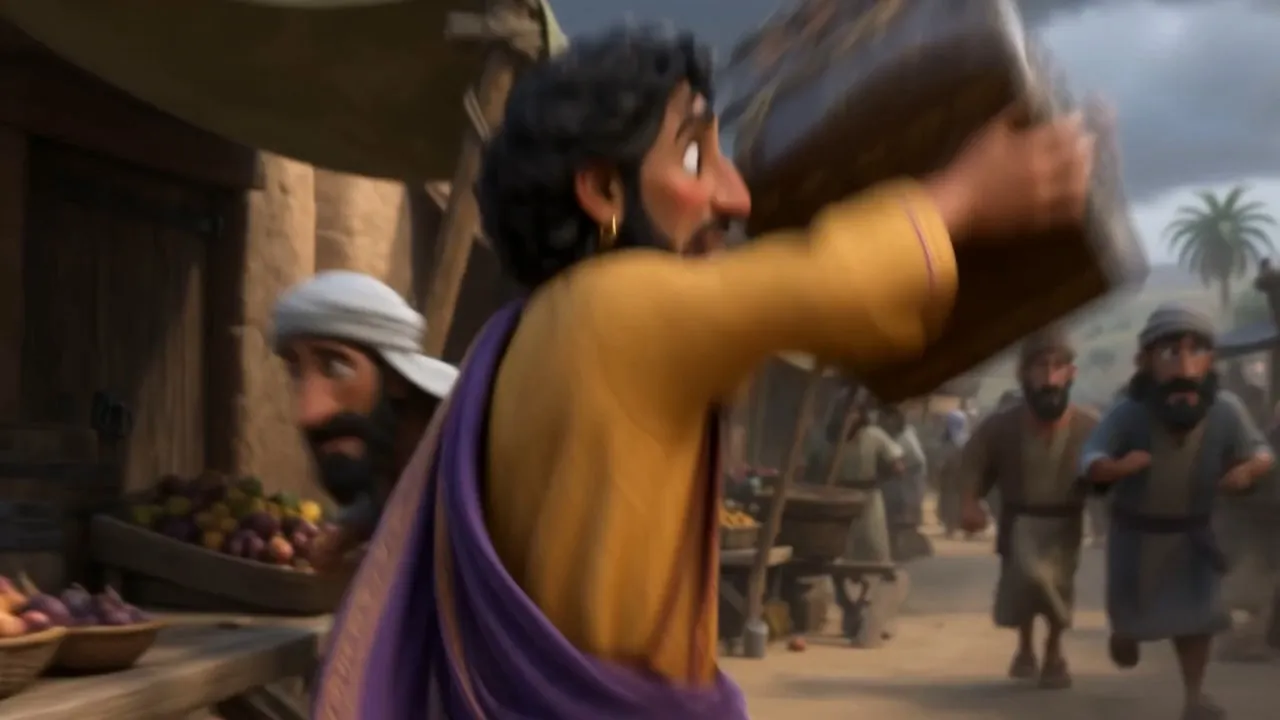
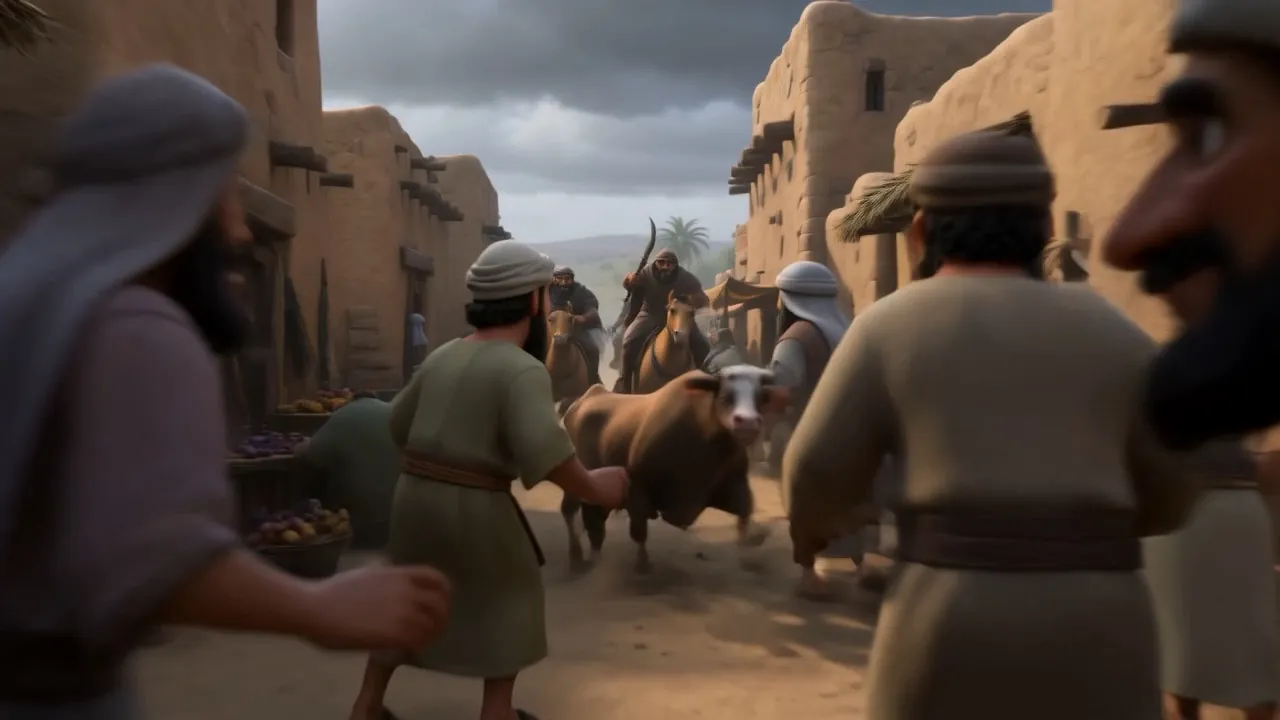
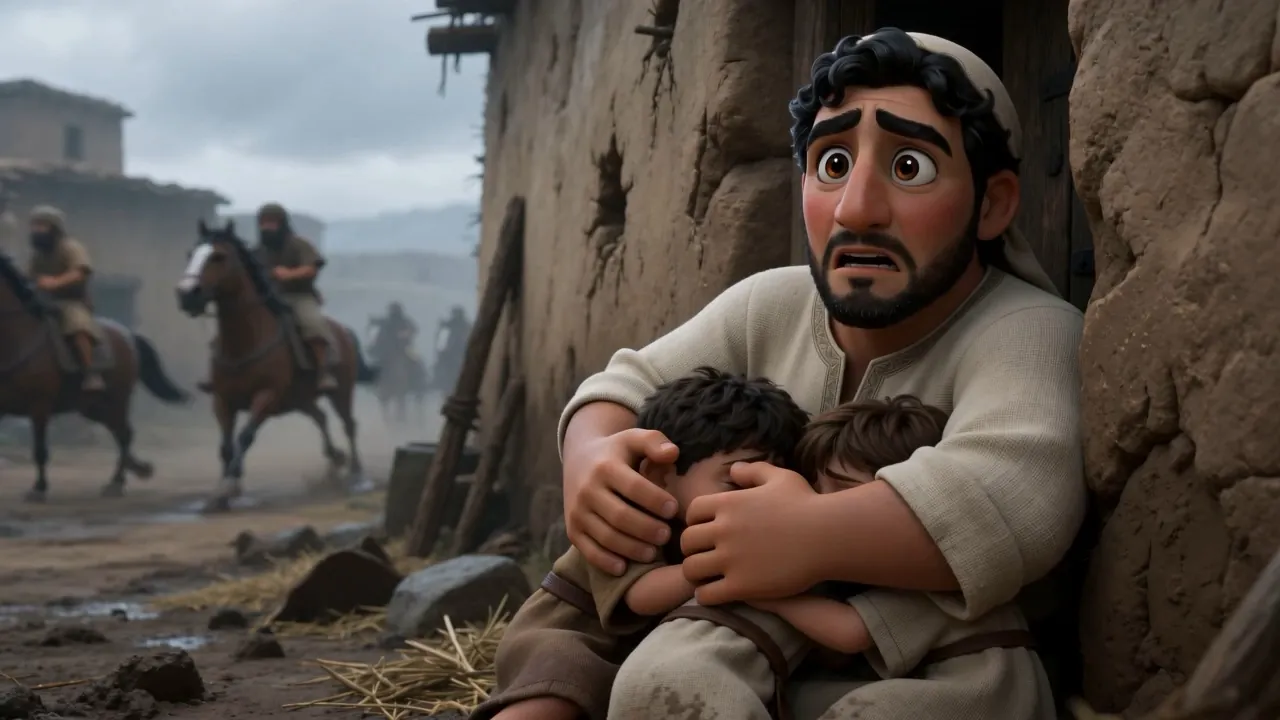
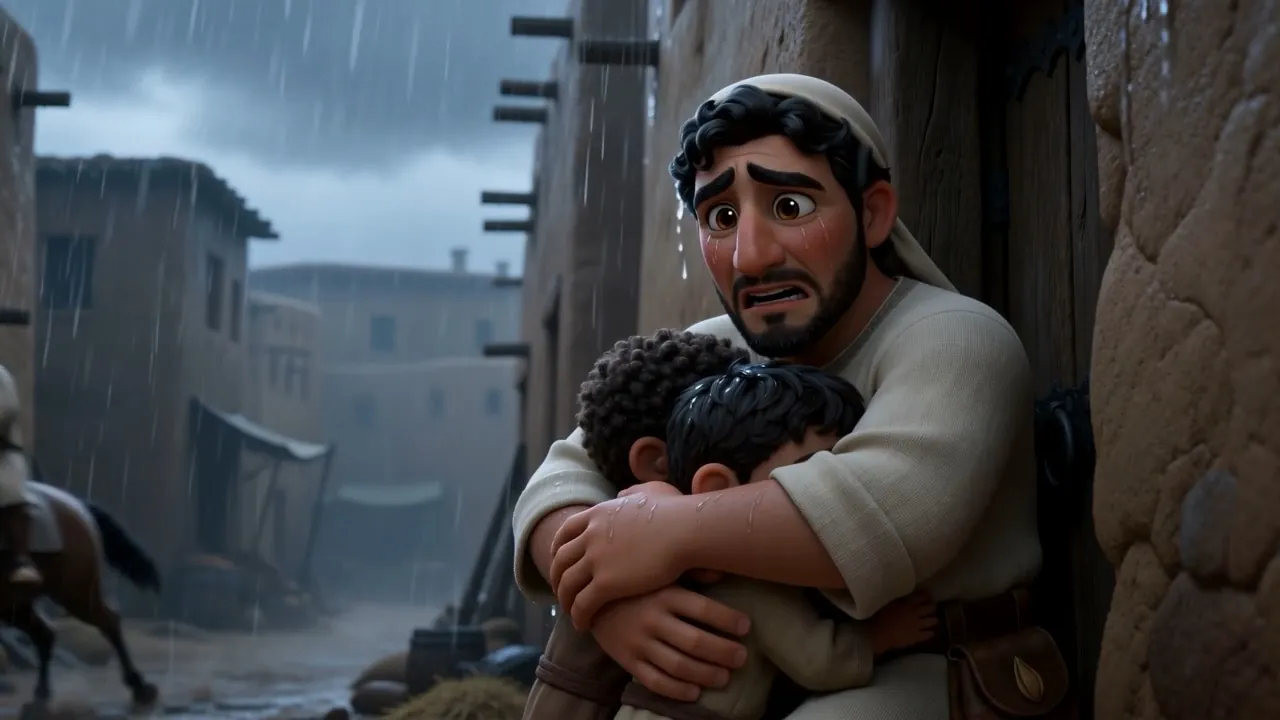
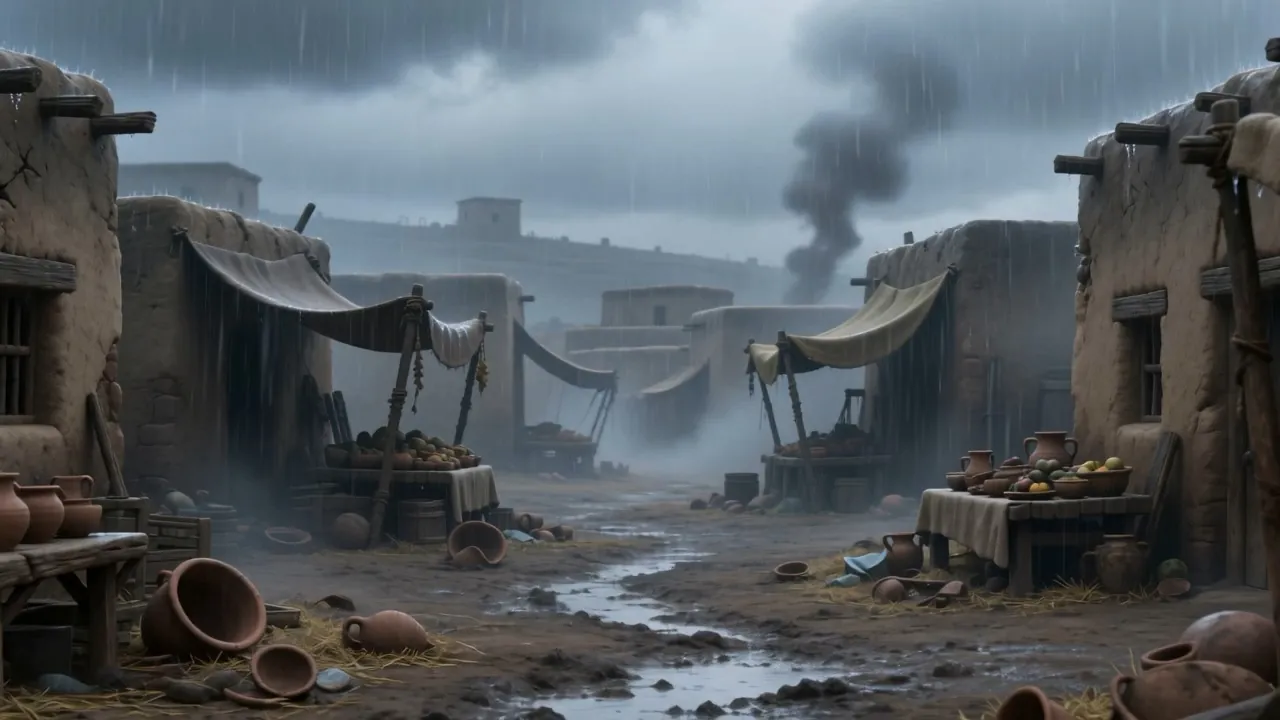
The anger of Yahweh burned against Israel, and he delivered them into the hands of raiders who despoiled them… and they could no longer stand before their enemies. The pattern the rest of the book runs on has now been set, and it will run seven more times. Judges 2 : 14–15
He sold them into the hands of raiders.
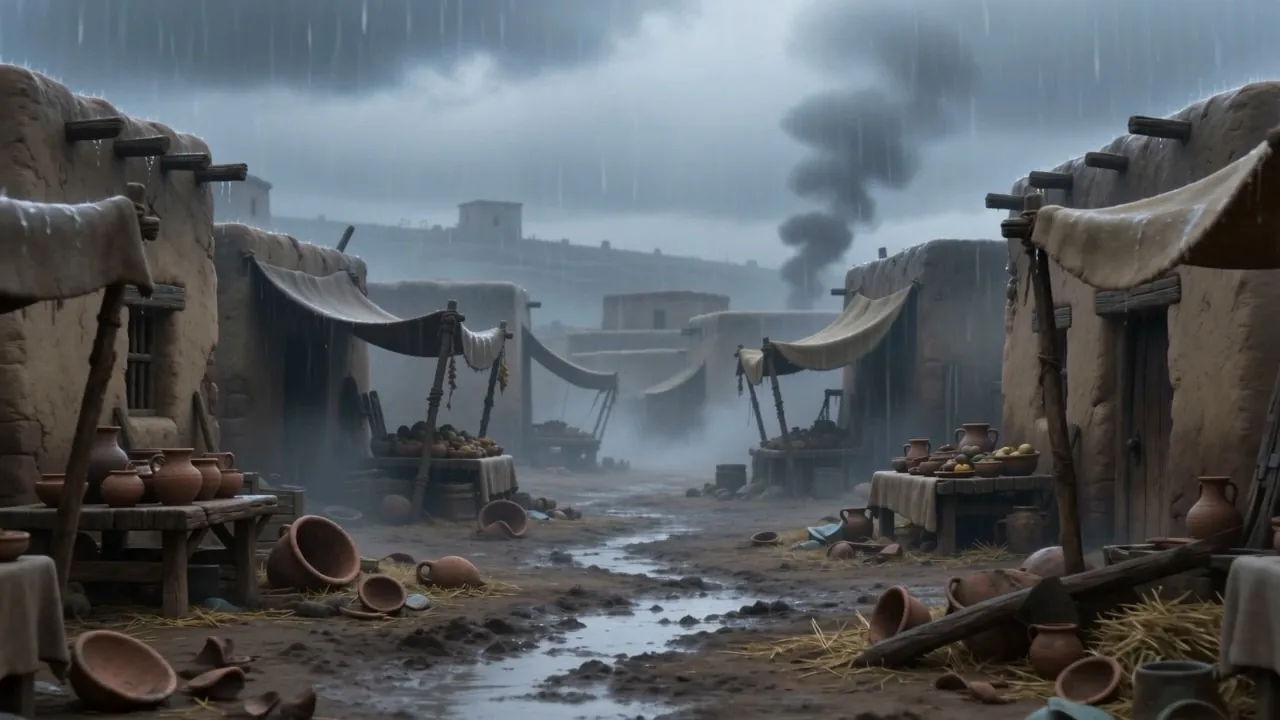




And there it is, everything the prologue has been building toward: the little god that came free with the figs, lying in a puddle in a ruined market, having done exactly nothing. Nobody has to say a word about it. Judges 2 : 15
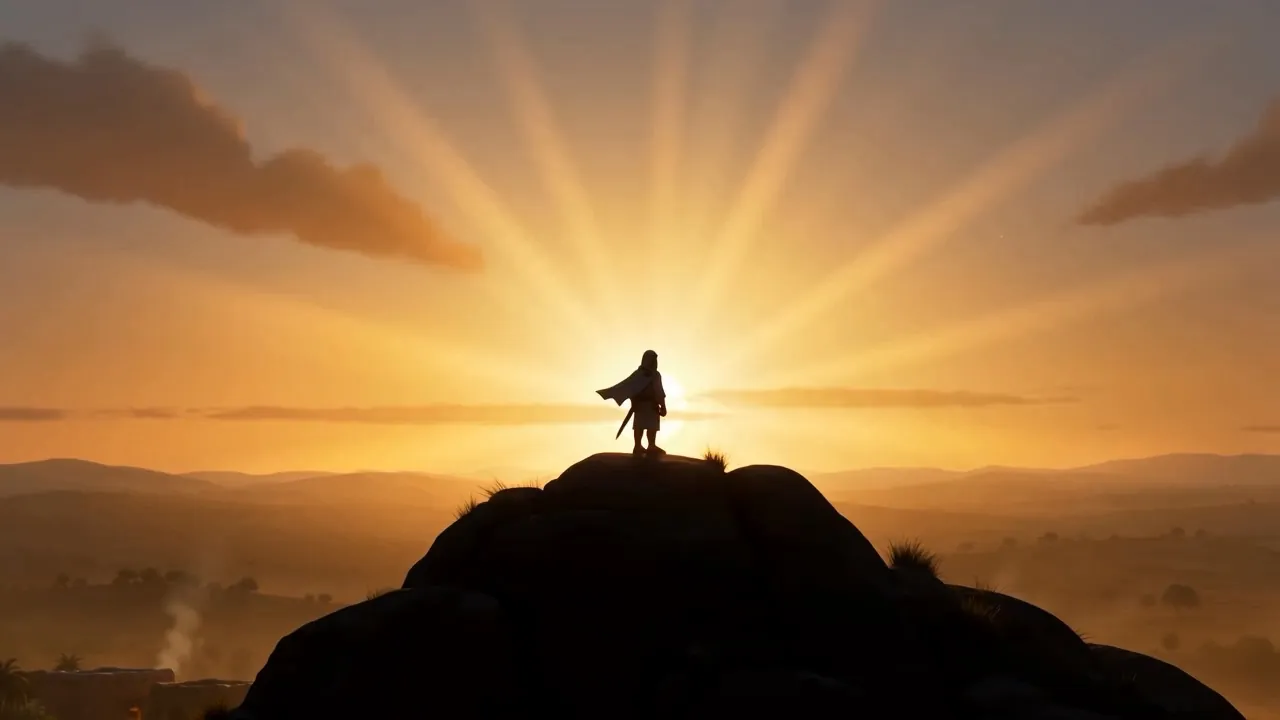
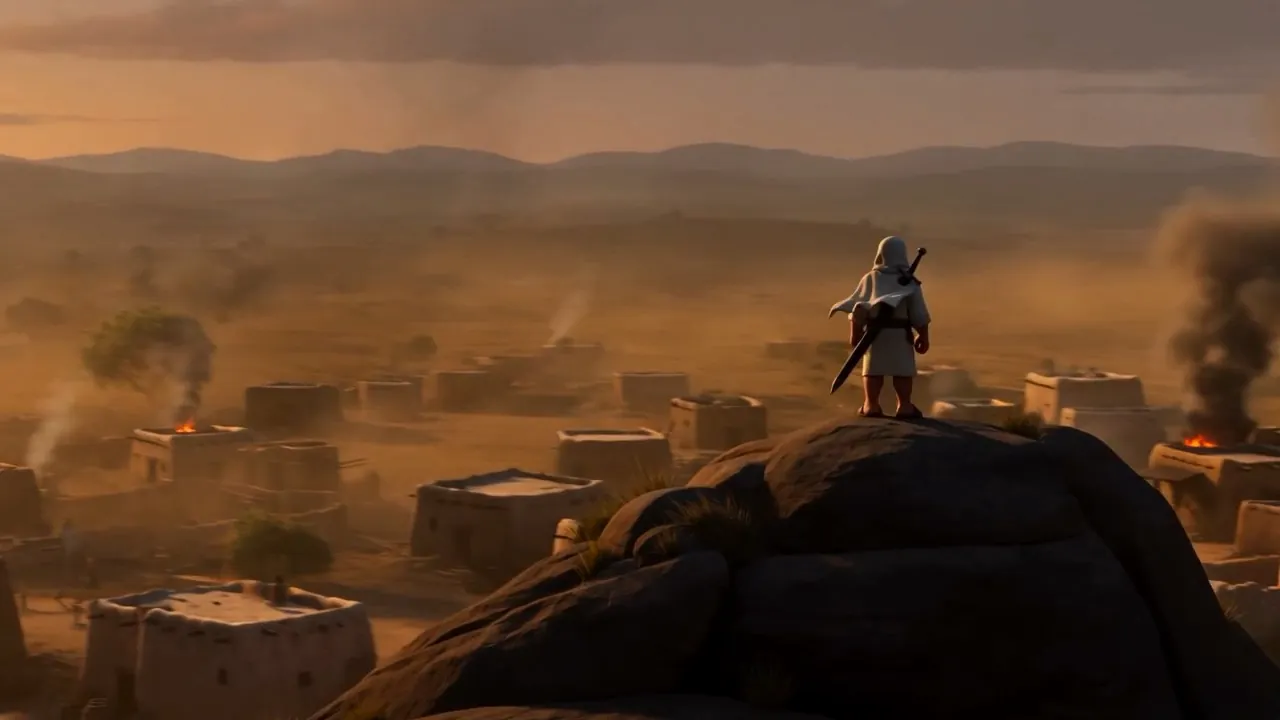
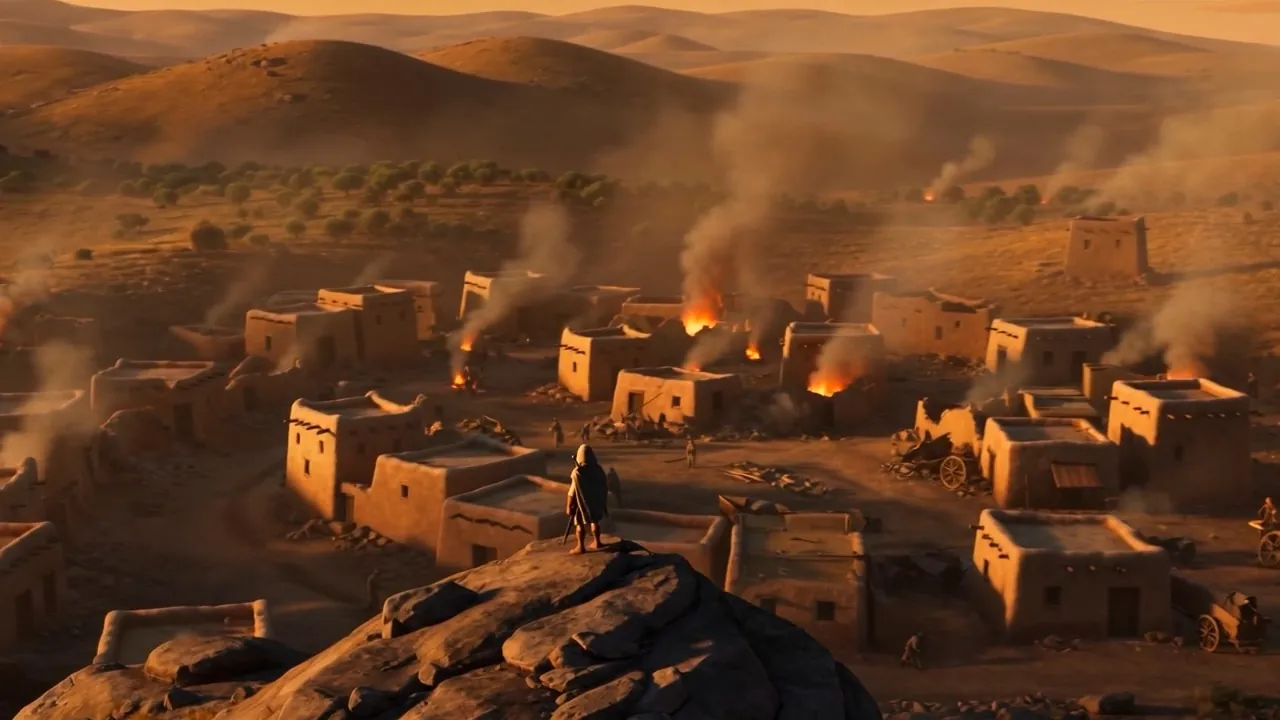
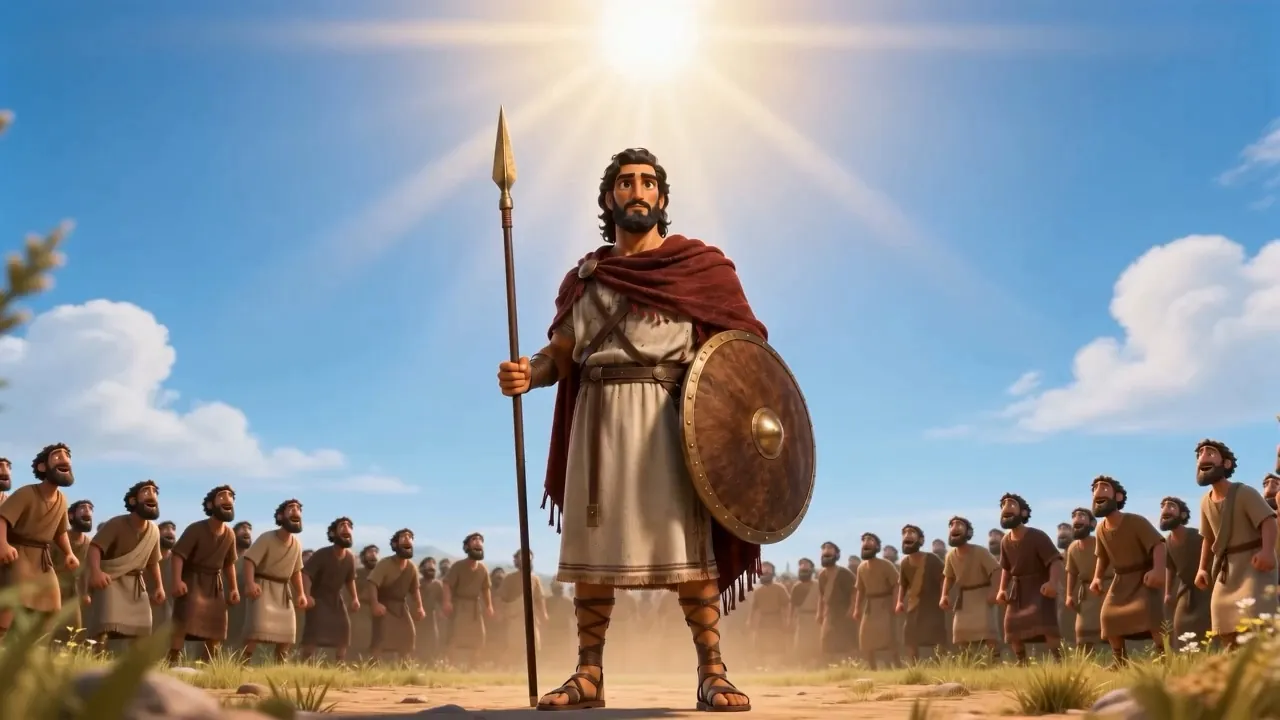
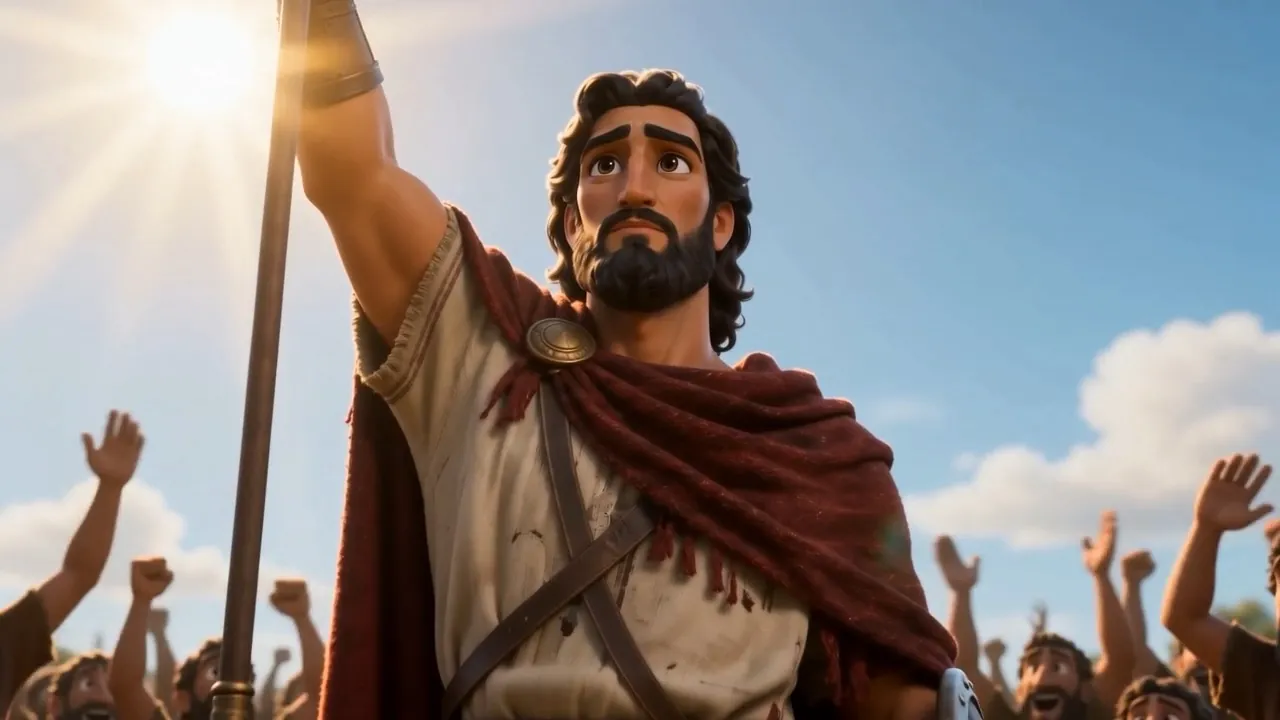
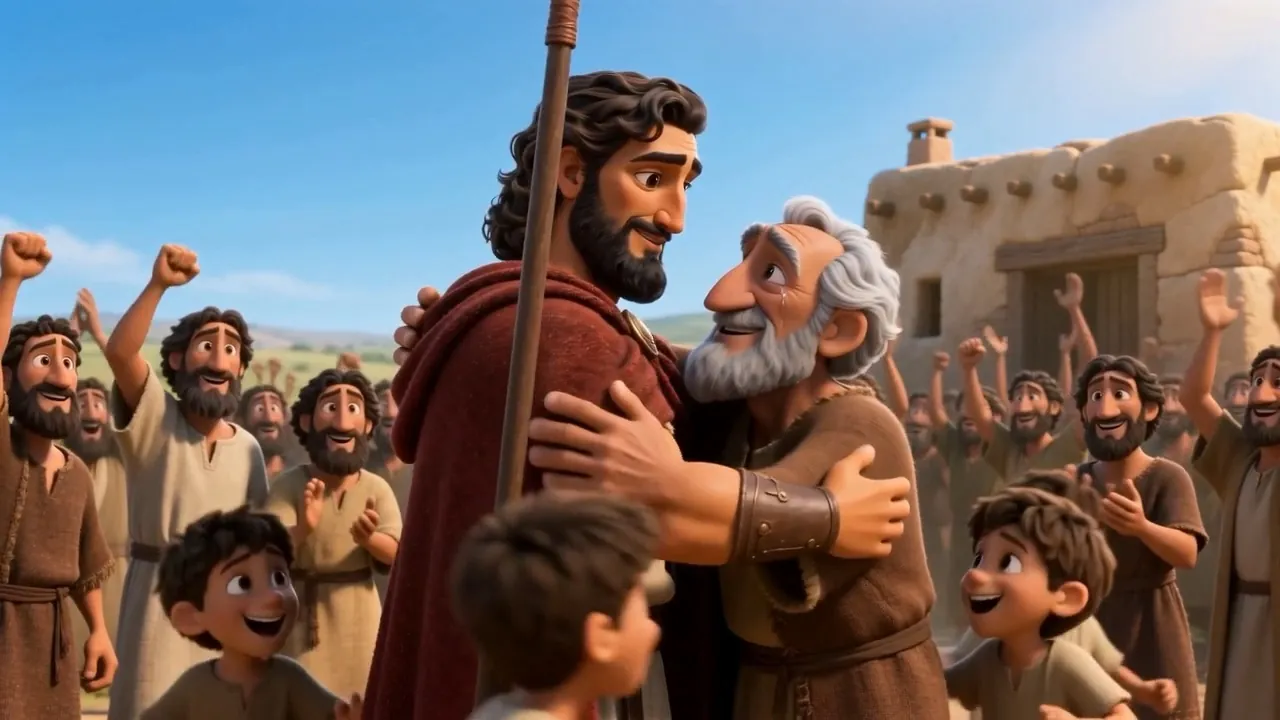
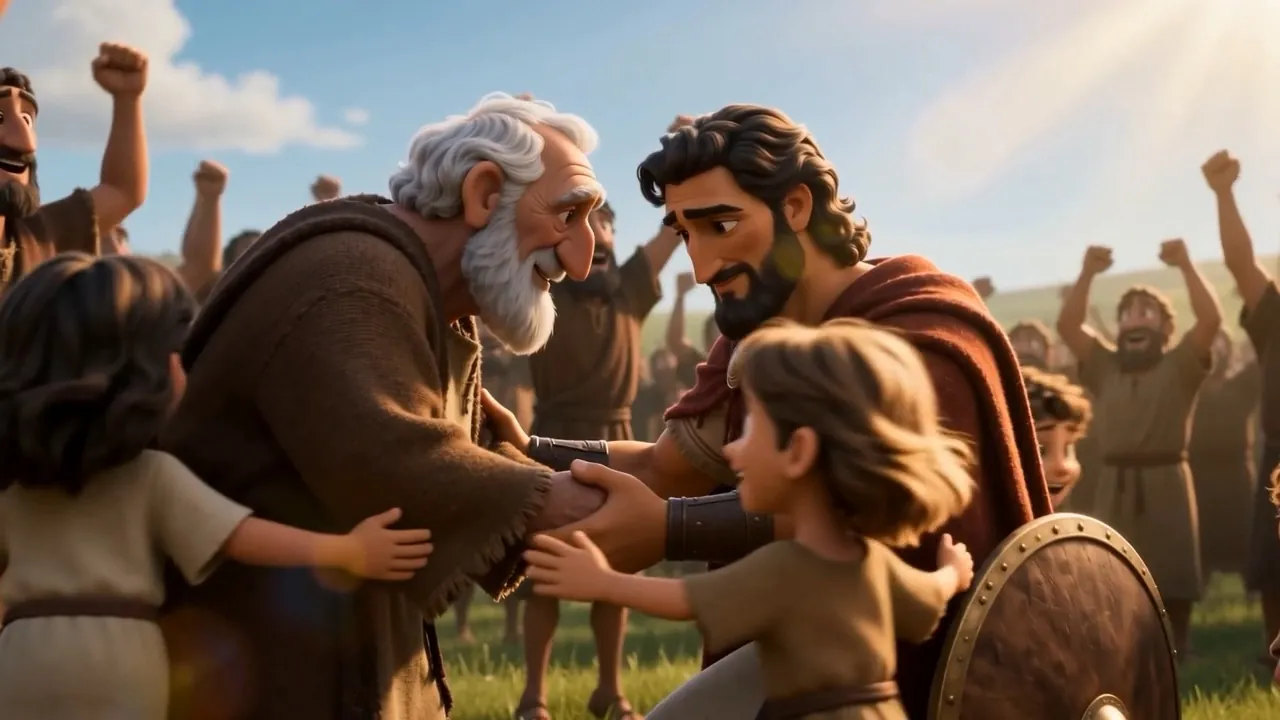
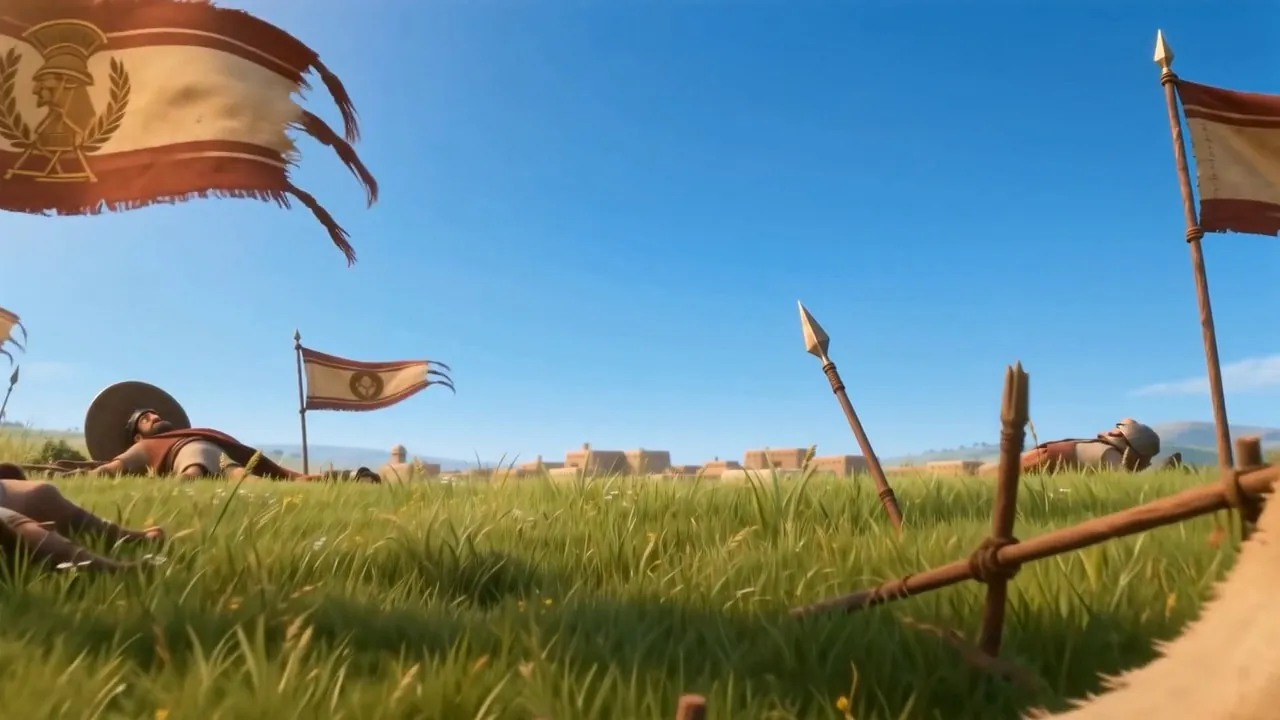
Yahweh raised up judges, who saved them out of the hand of those who plundered them… for it grieved him because of those who oppressed them. The first was Othniel. The land had rest forty years — which is to say, a whole lifetime of peace, from one man who showed up. Judges 2 : 16–18 · 3 : 9–11
They cried out. He heard.
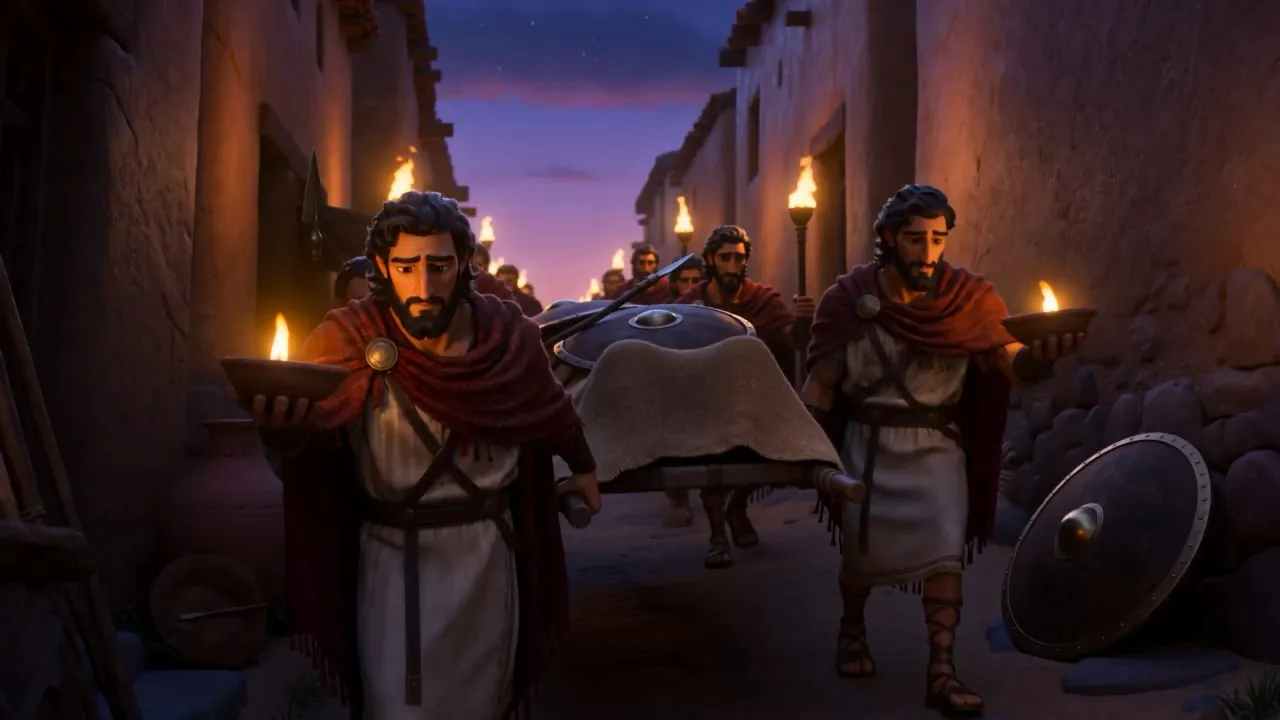
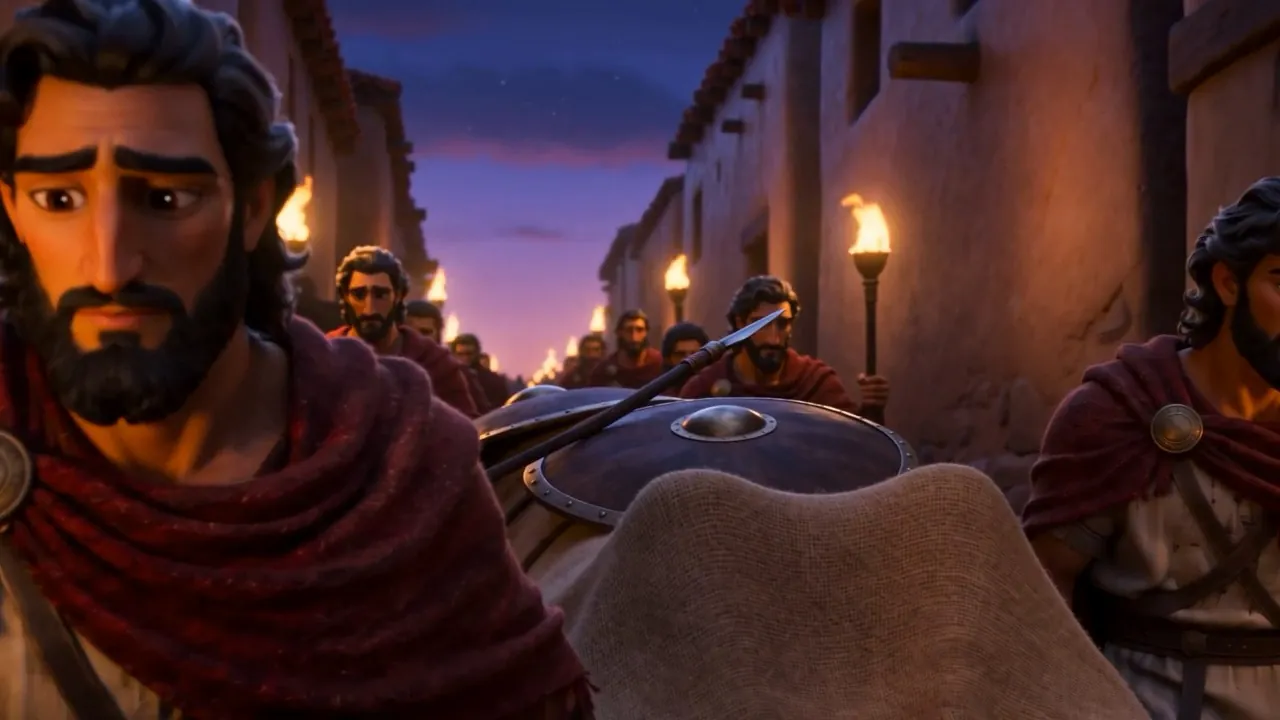
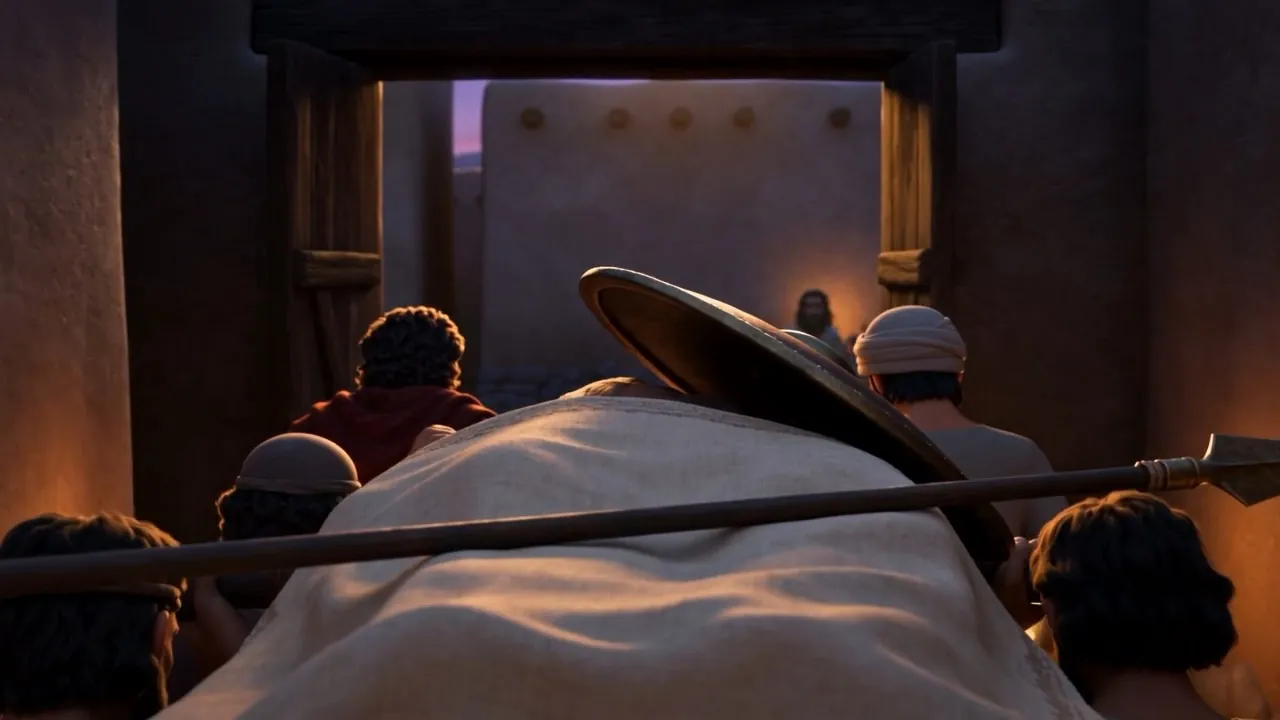
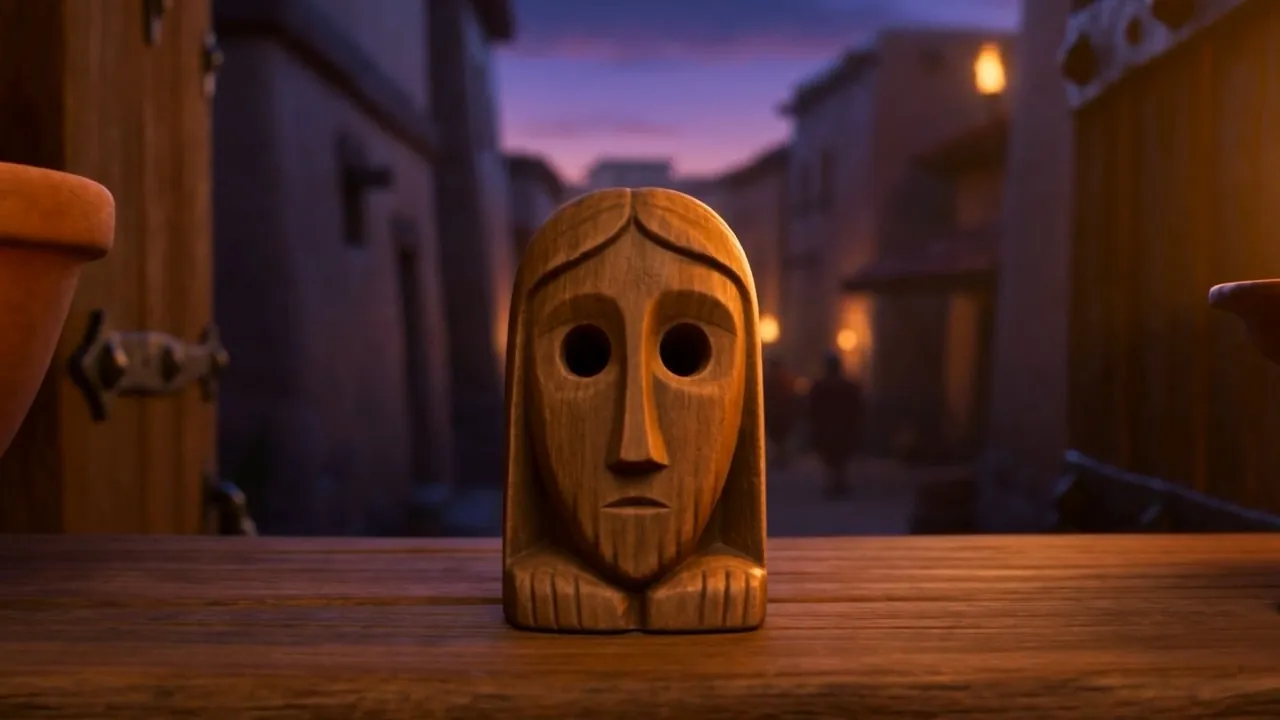
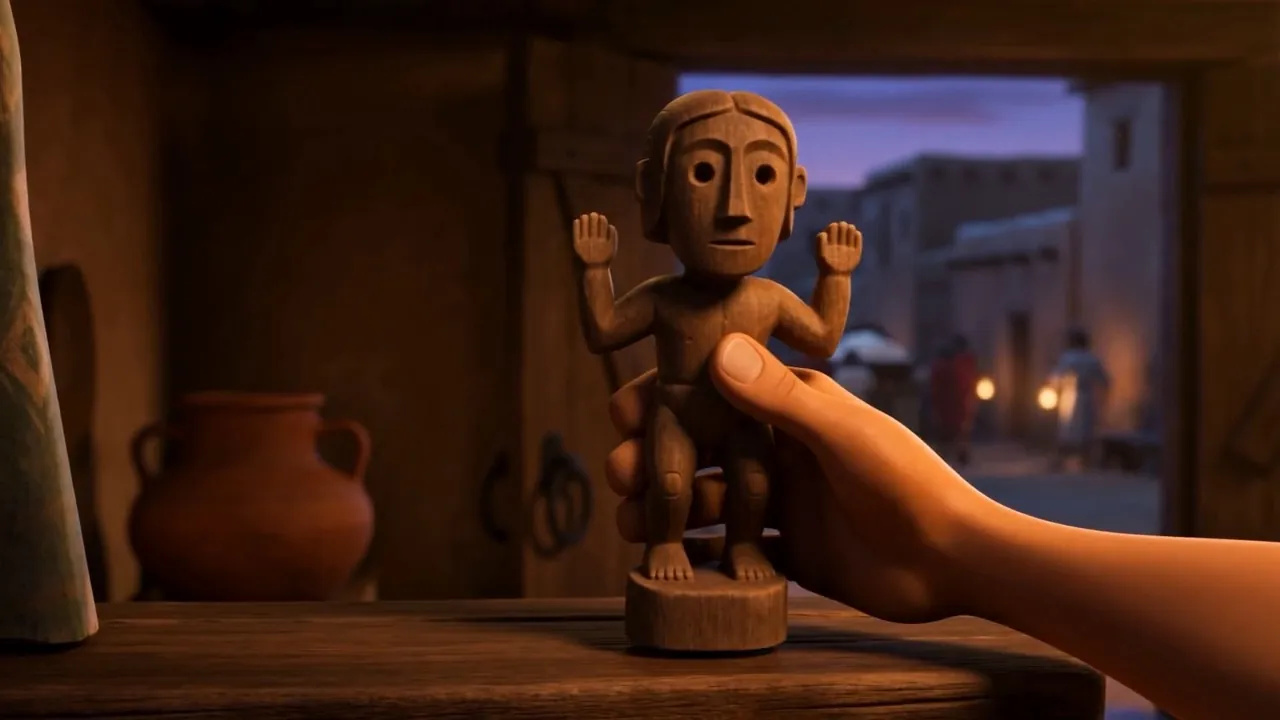
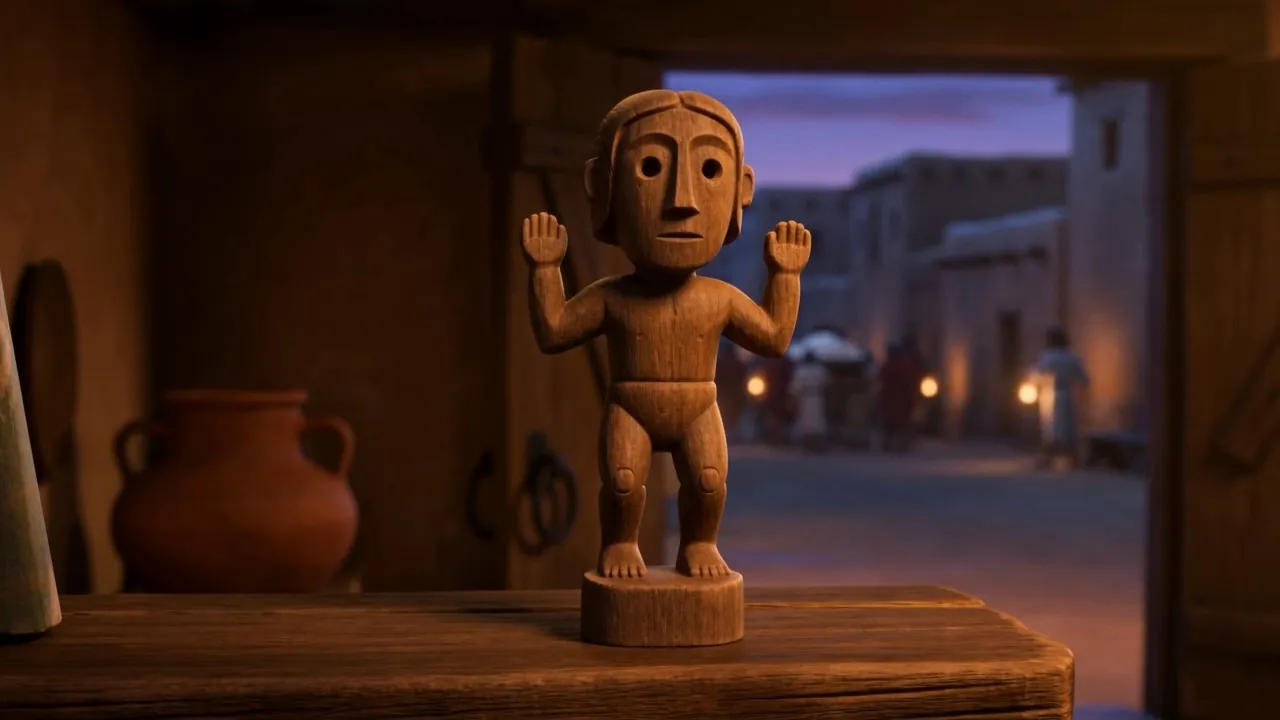
But when the judge was dead, they turned back, and dealt more corruptly than their fathers. It happens in one cut: the man who rescued them is being carried to his grave down one street, and on the next, somebody is quietly putting the figure back on the table. Judges 2 : 19
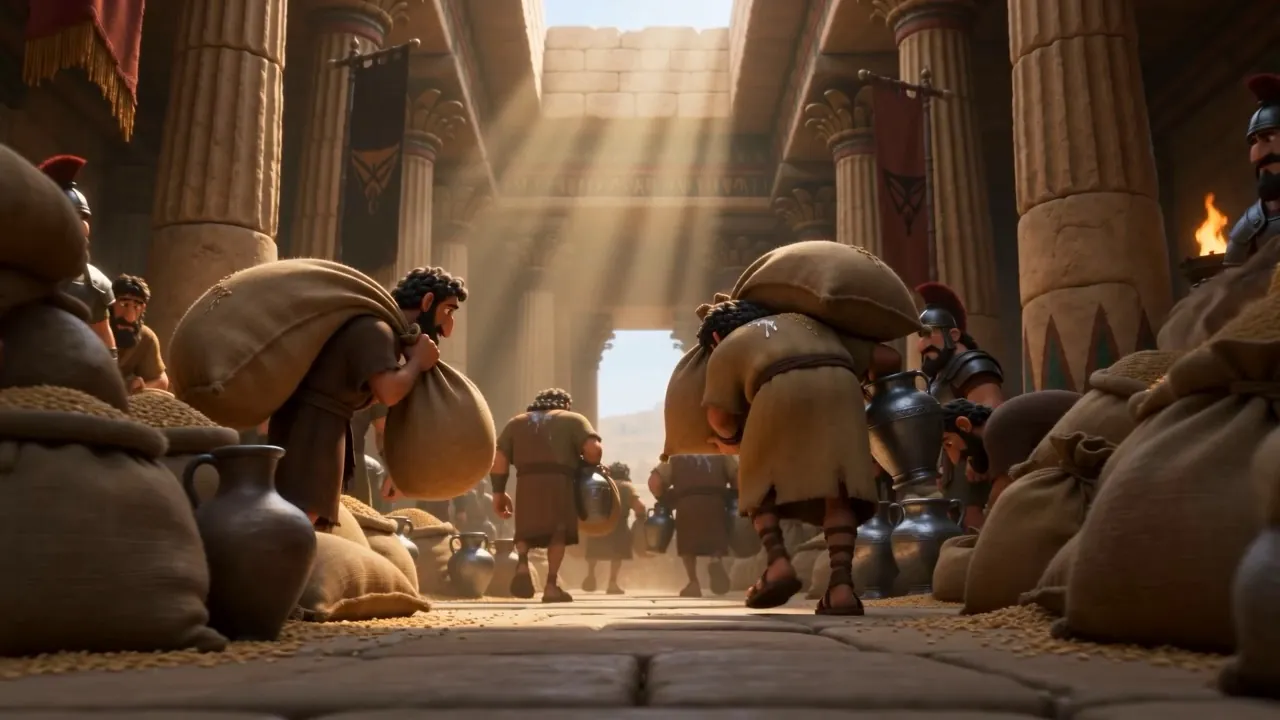
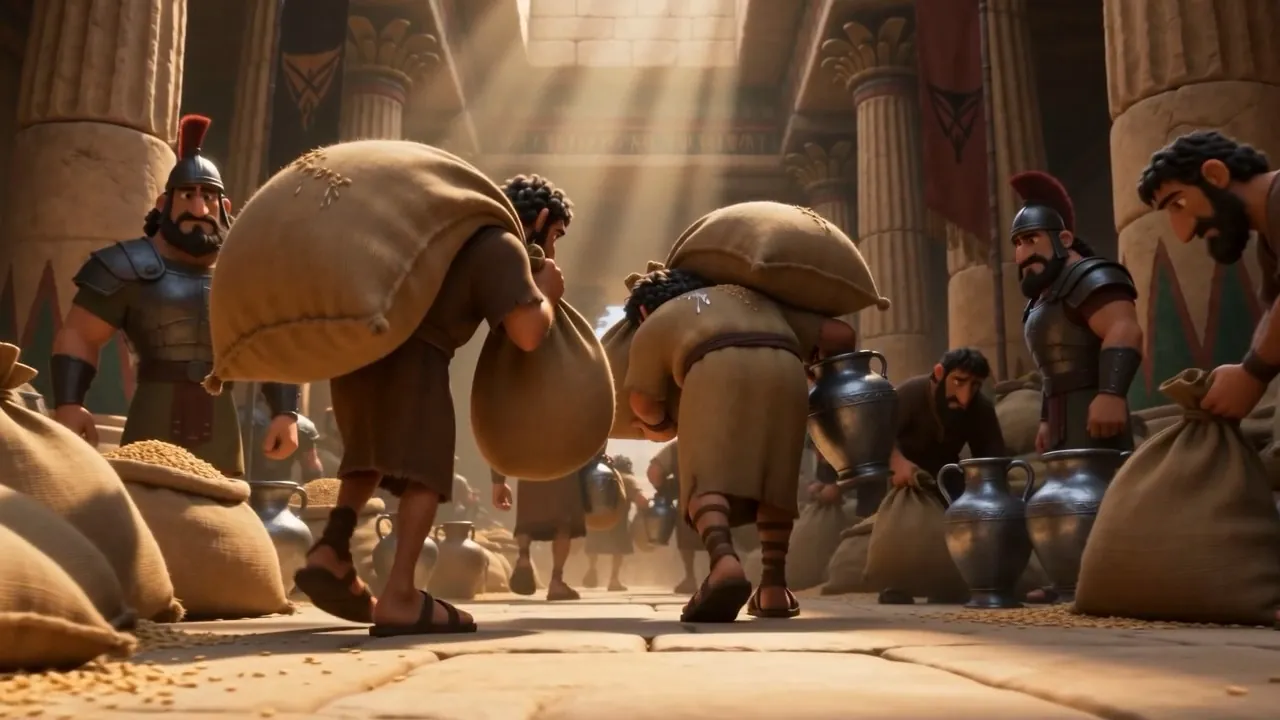

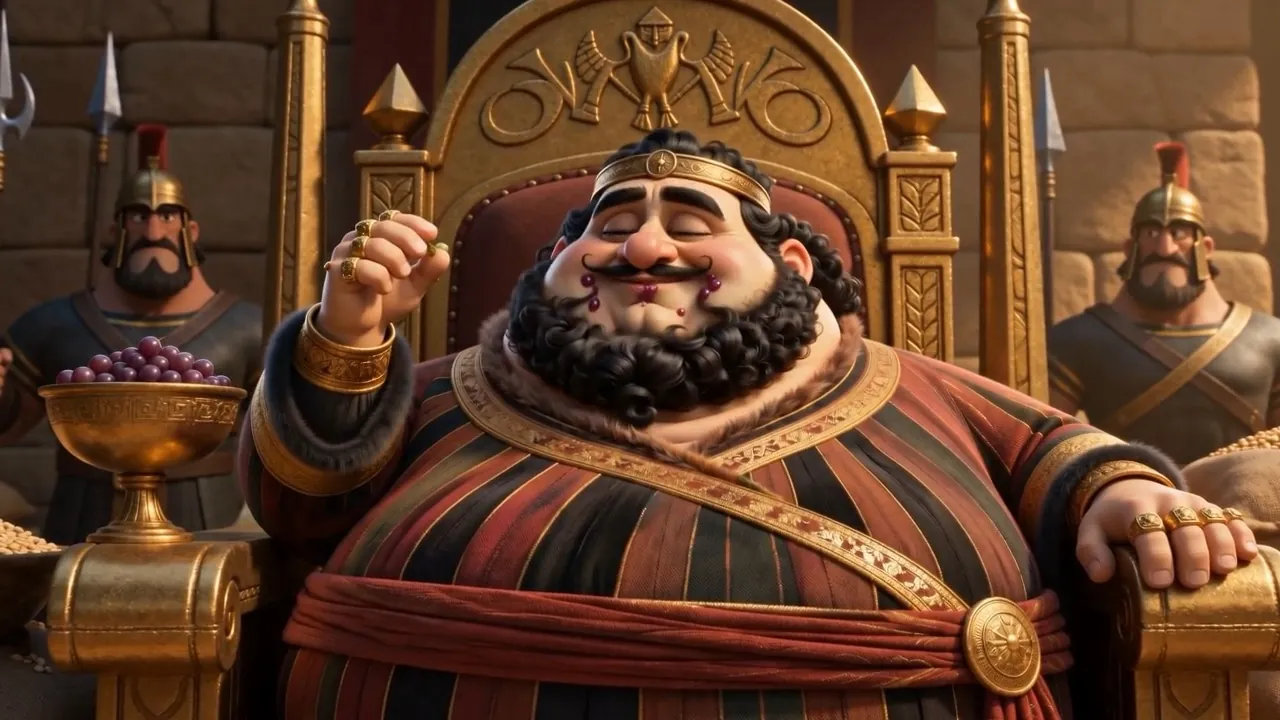
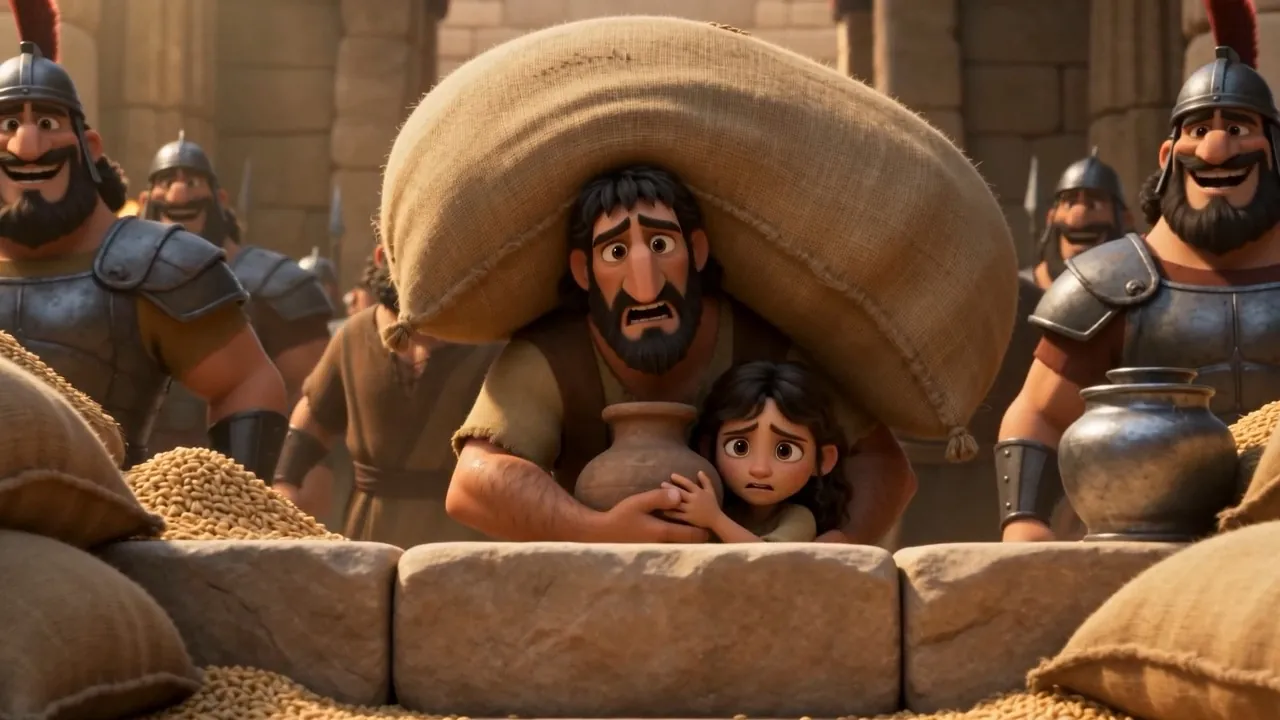
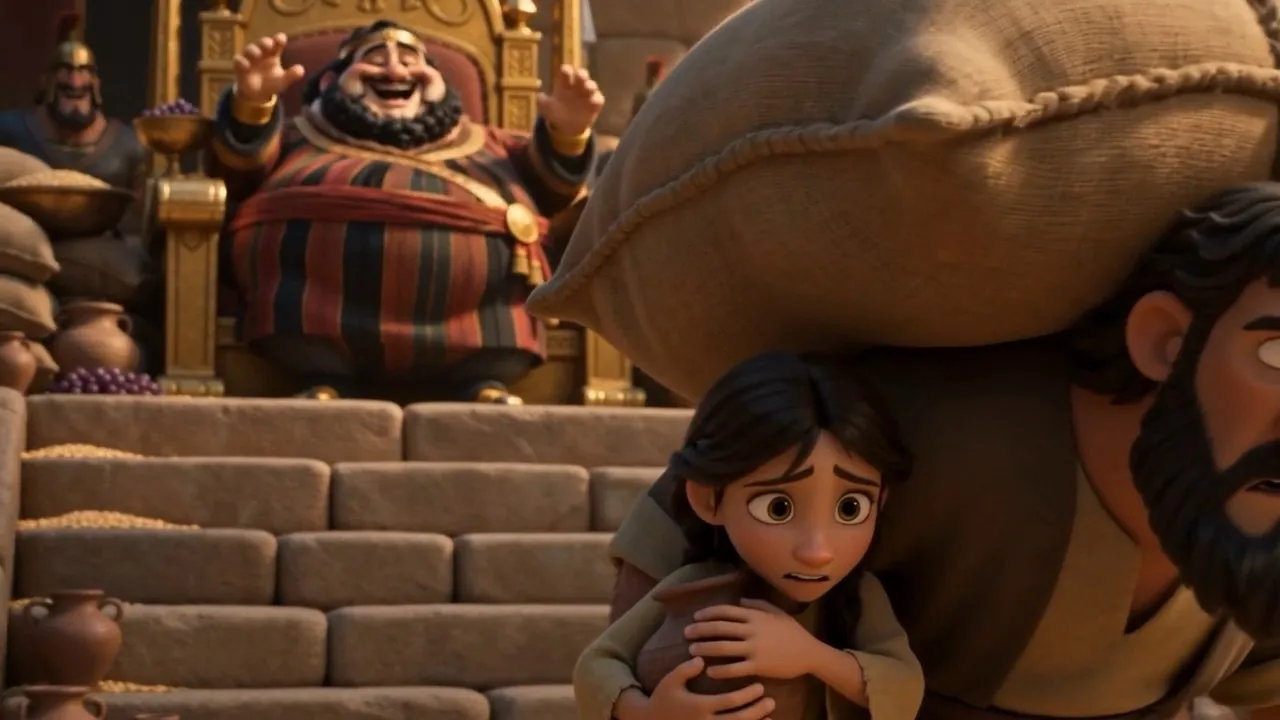
Eighteen years of tribute to Eglon king of Moab — and the text lands one editorial detail on him that has never quite been forgotten: Eglon was a very fat man. He is genuinely charming, which is worse. He is not a monster. He is comfortable. Judges 3 : 12–17

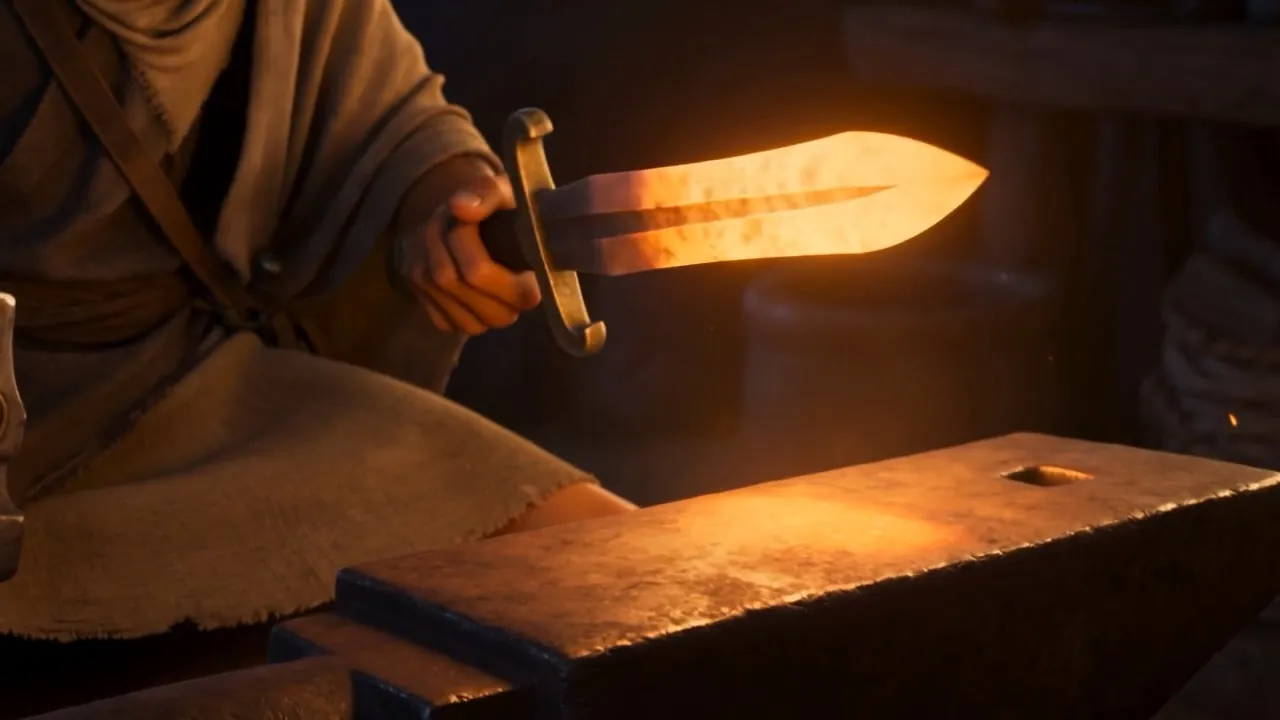

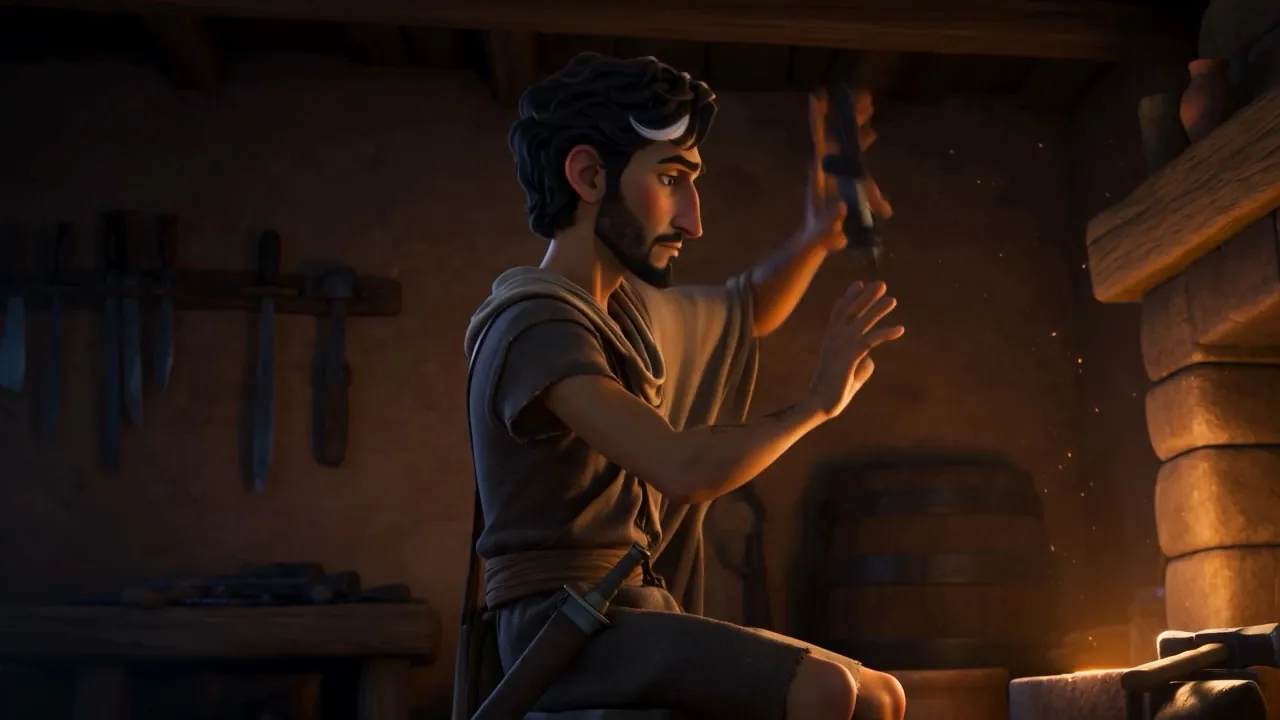
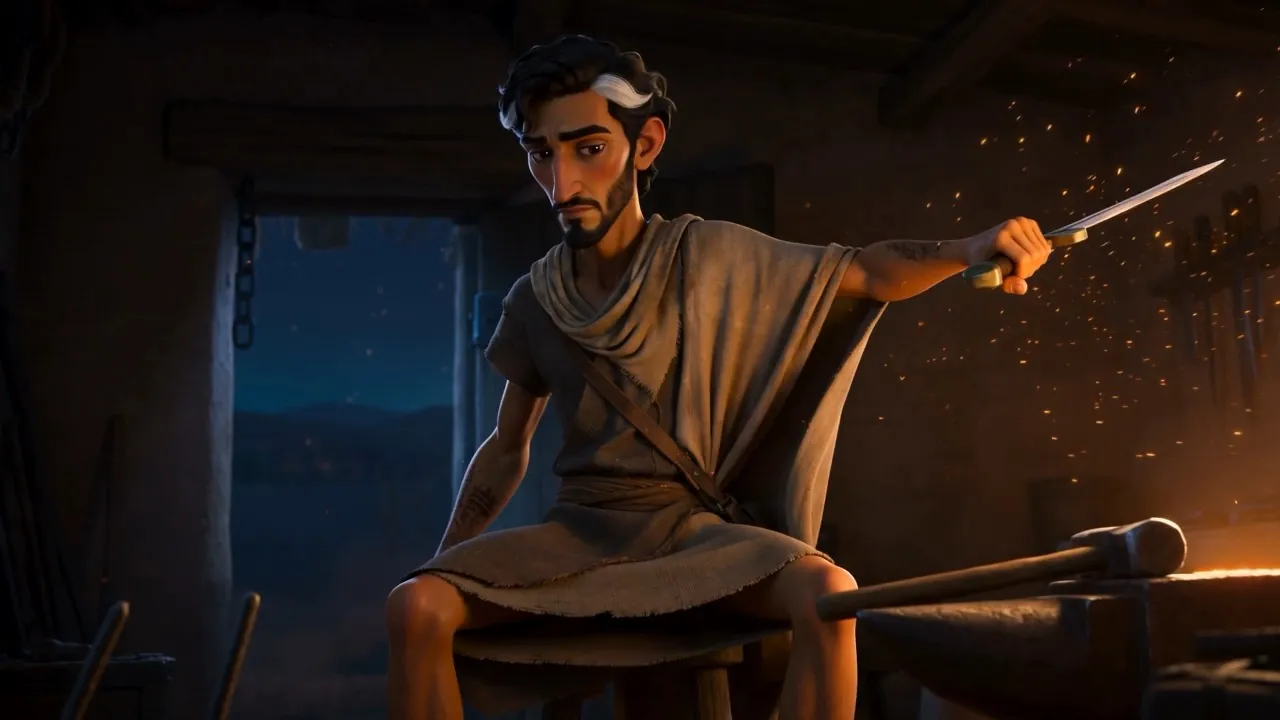
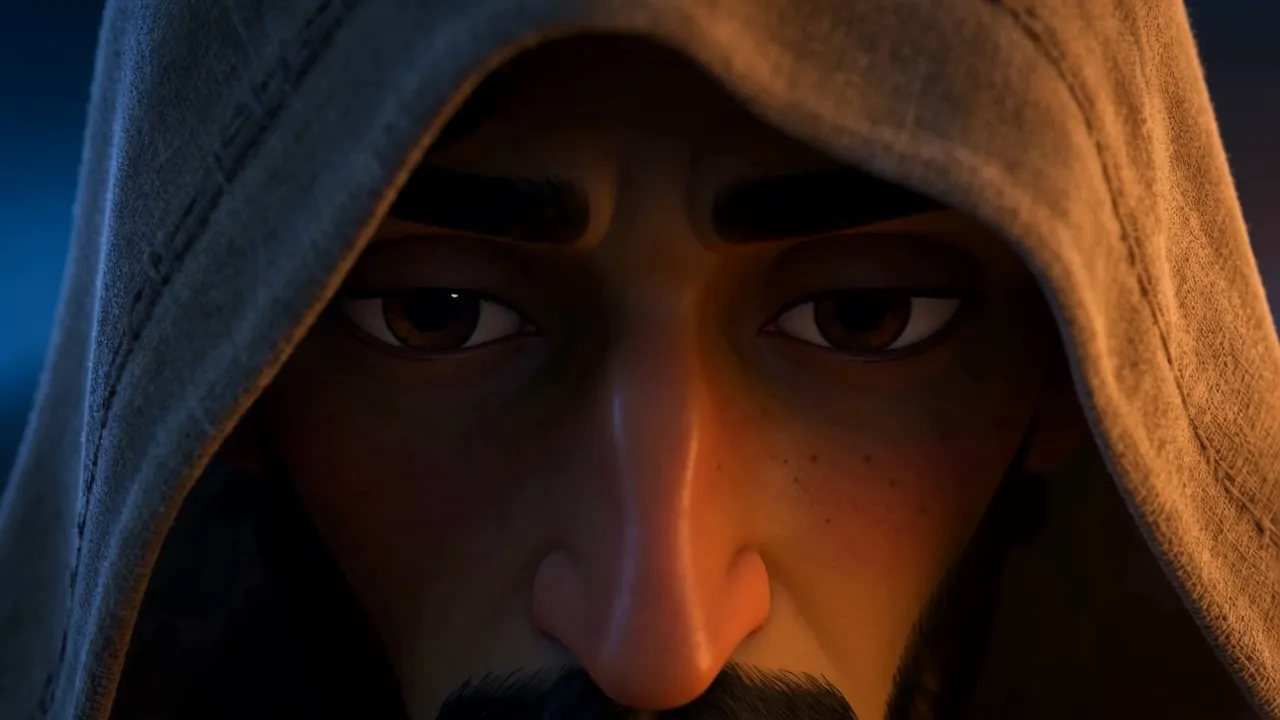

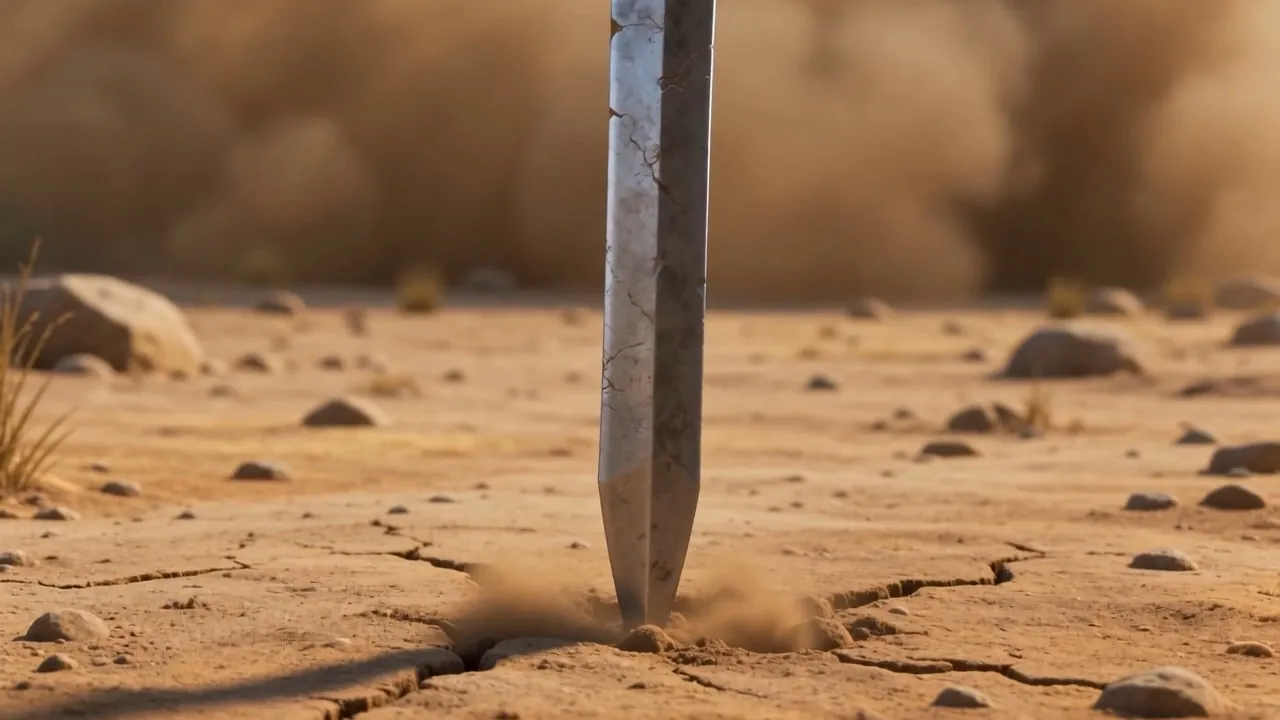
Israel cried out again, and Yahweh raised up Ehud — a man left-handed. He made himself a short two-edged sword and strapped it under his clothes on his right thigh, which is the wrong side, which is precisely why the guards never found it. The Bible's most famous detail about him is that he was left-handed, and the entire plan is built on it. Judges 3 : 15–16
A cubit long, and two-edged.
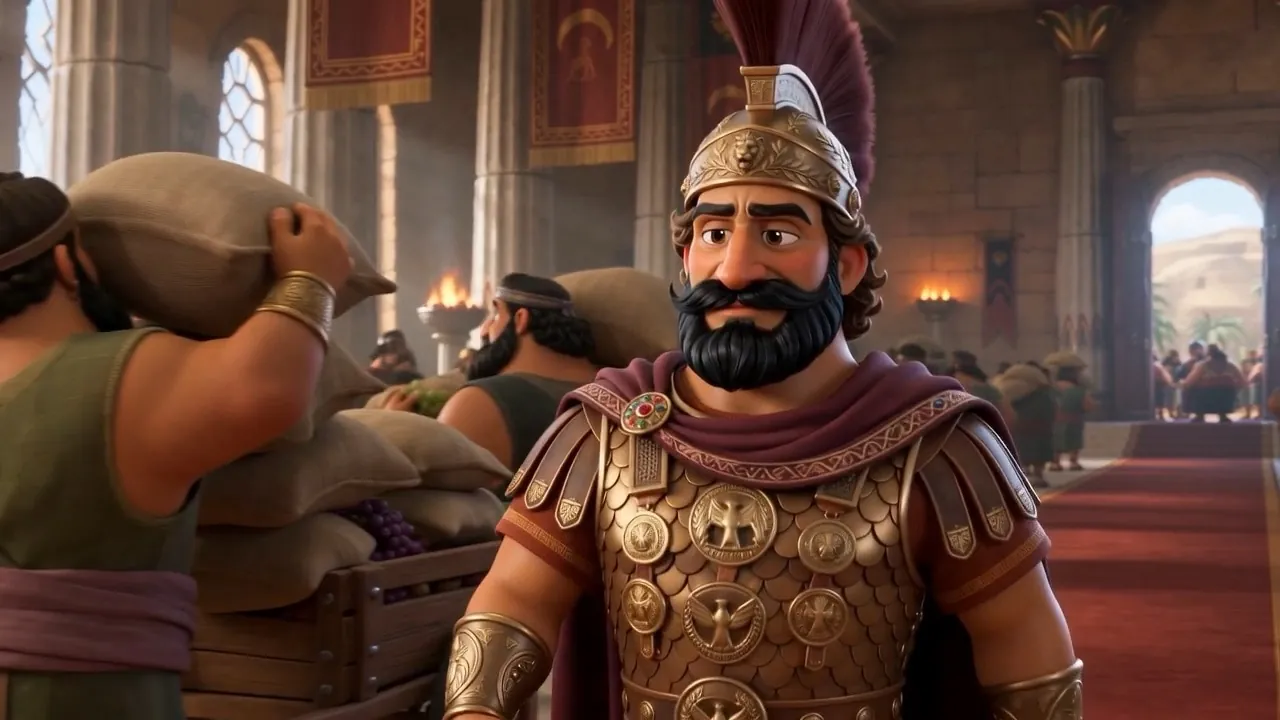
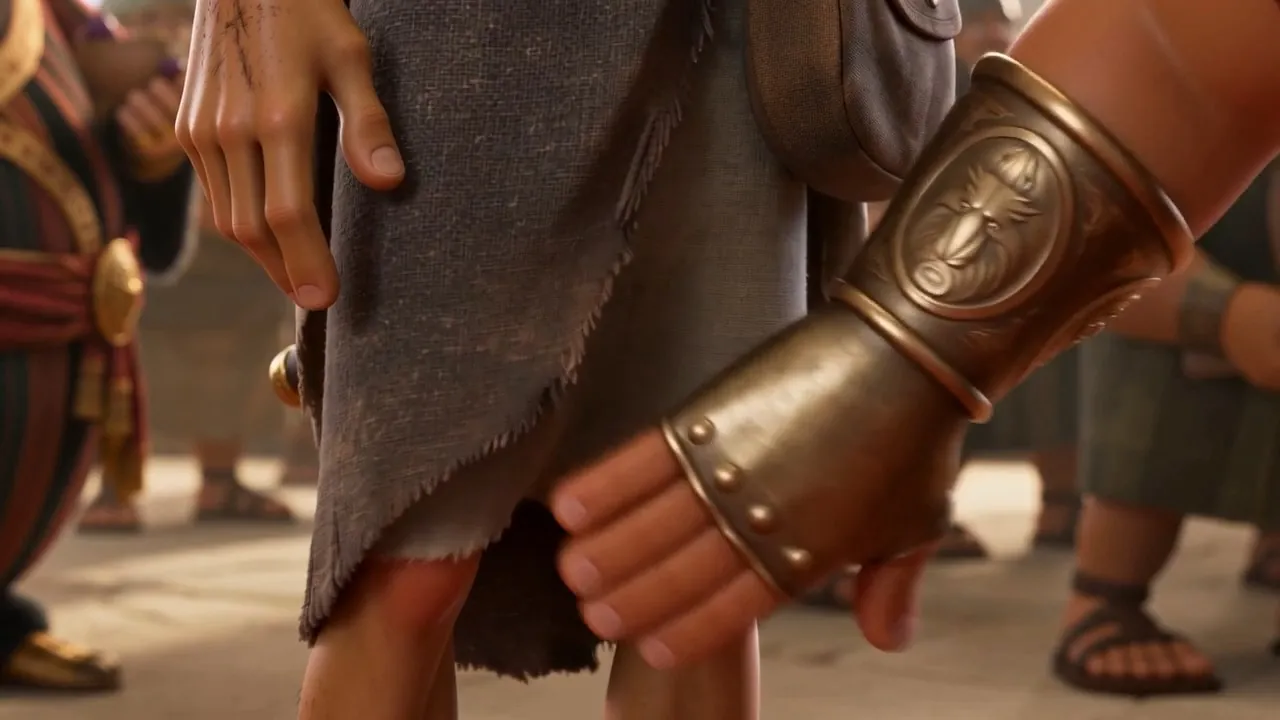
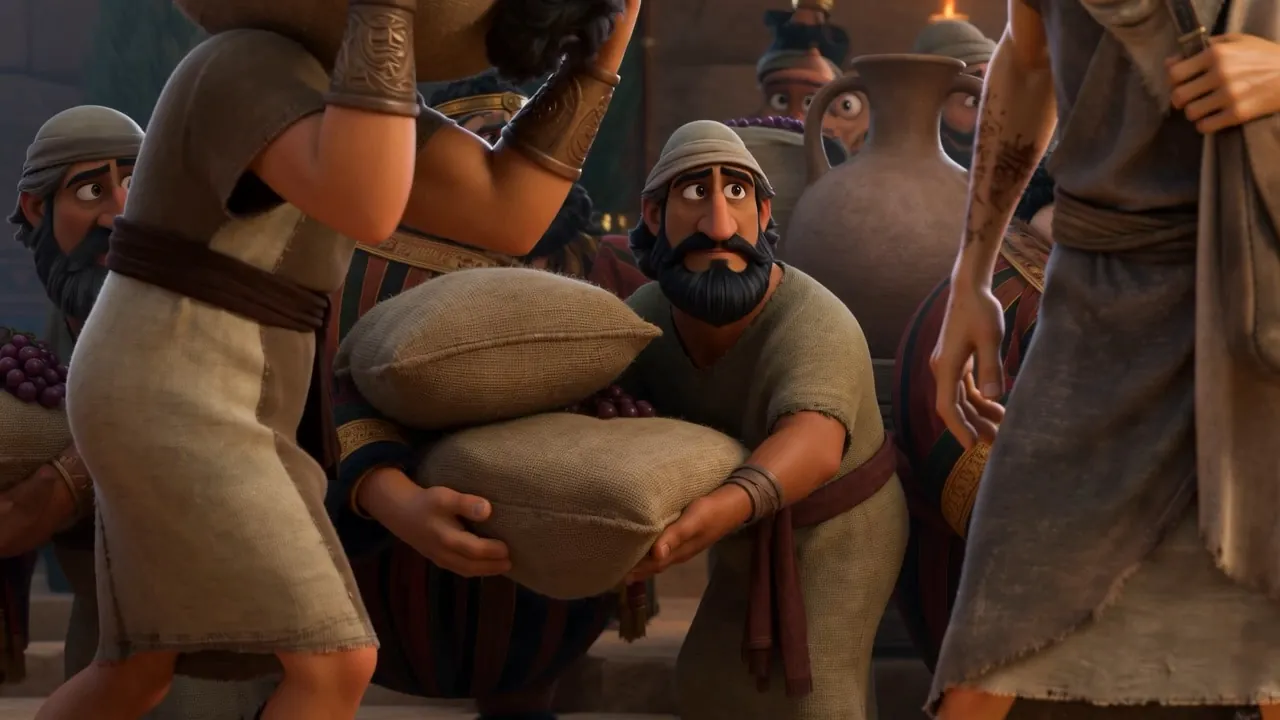
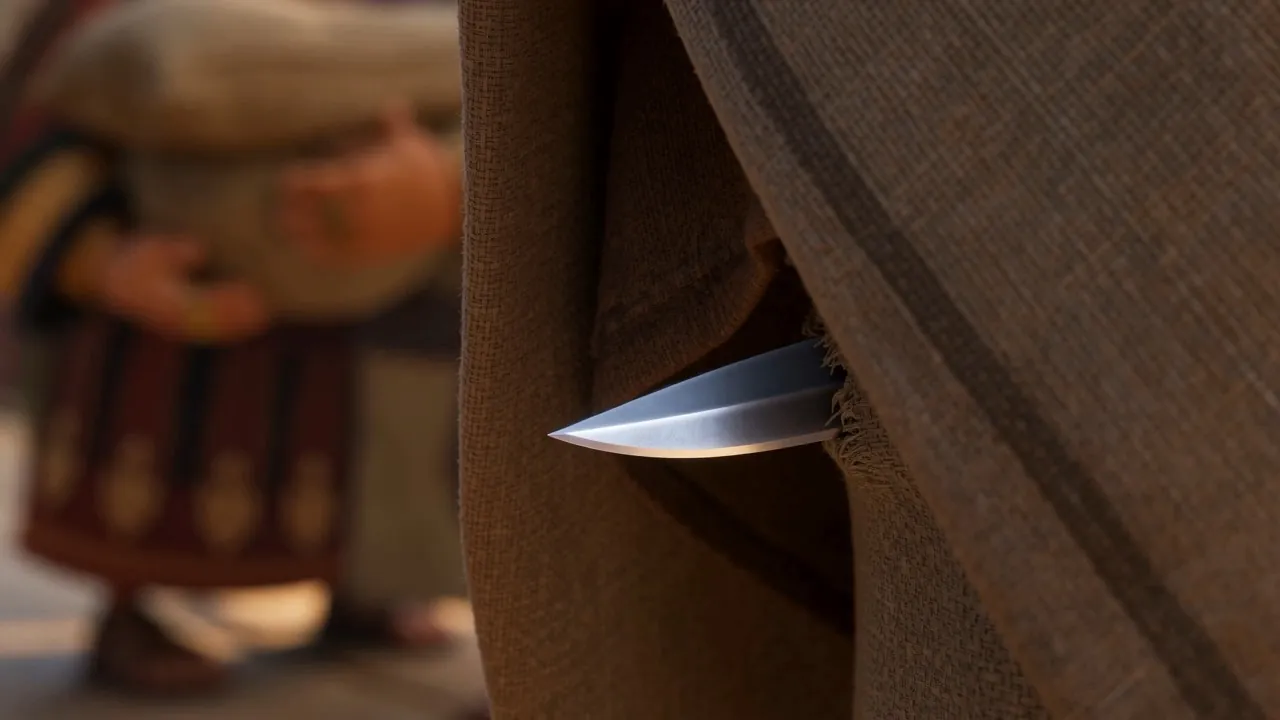
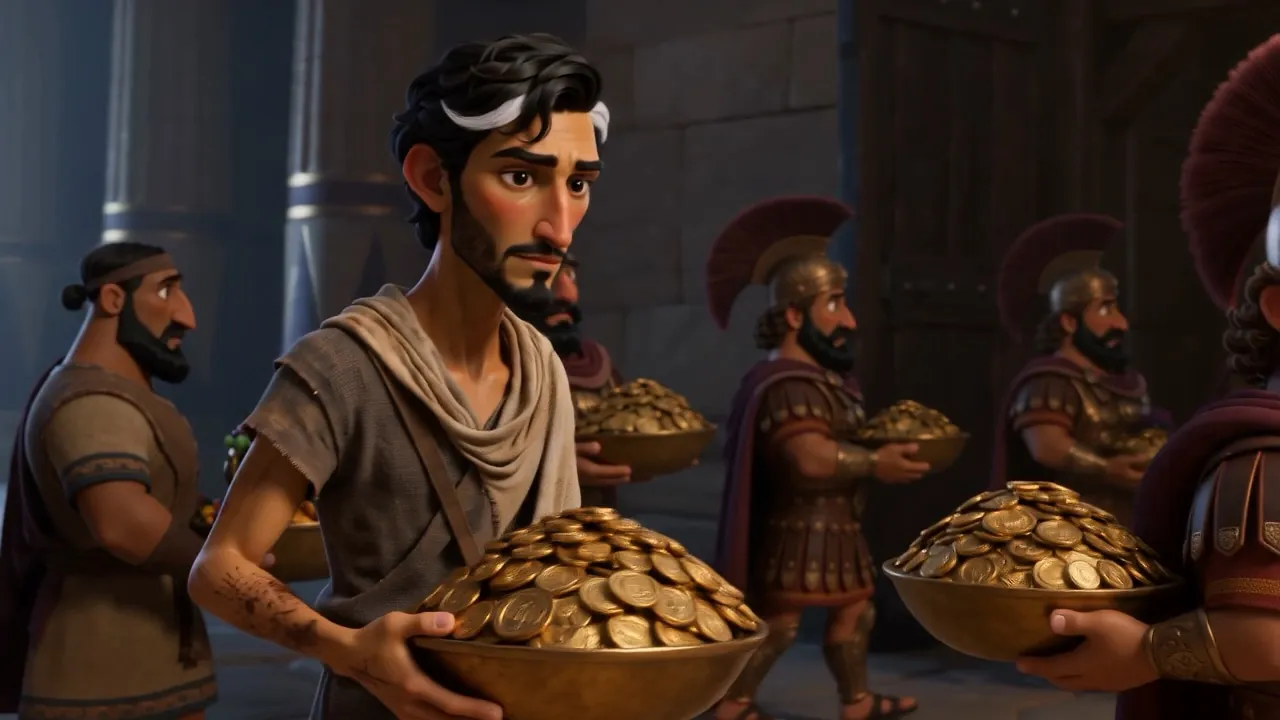


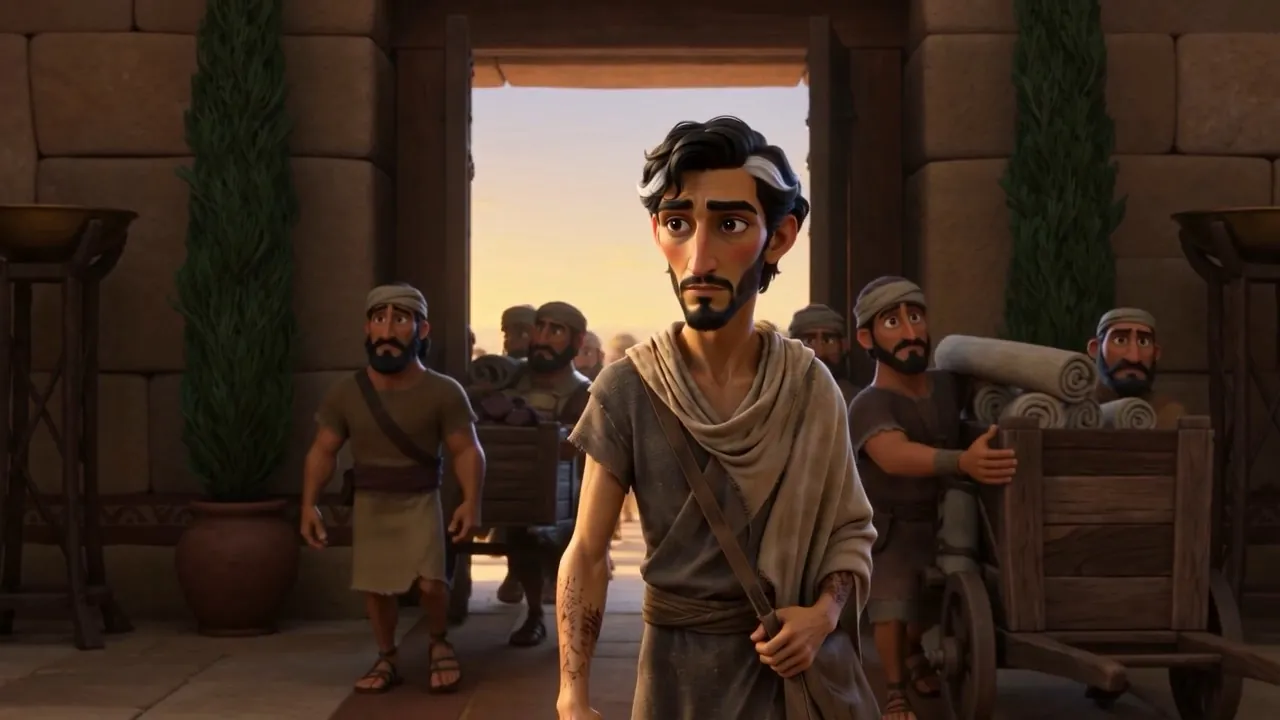
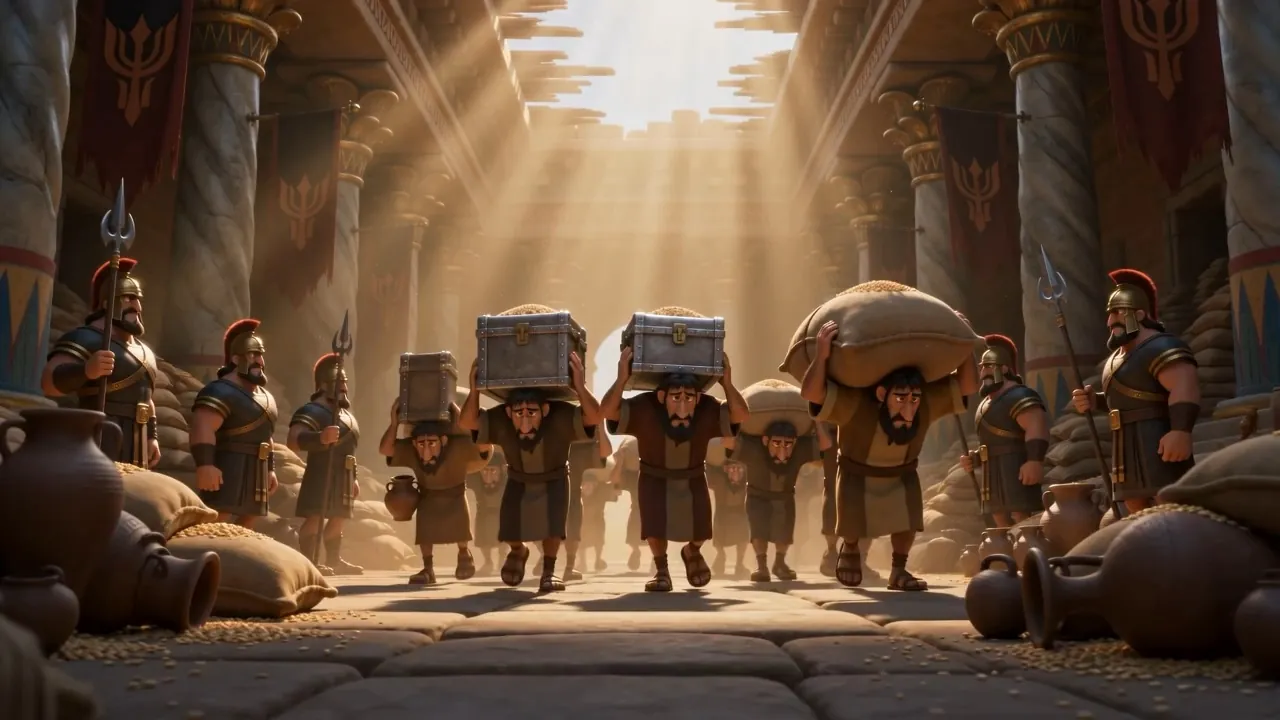
Ehud brought the tribute himself, with a crowd of men carrying it, and the search at the door felt down the left side of every visitor — where a right-handed man keeps a weapon. Then he sent the carriers home, went as far as the stone quarries at Gilgal, and turned round and came back alone. Judges 3 : 17–19
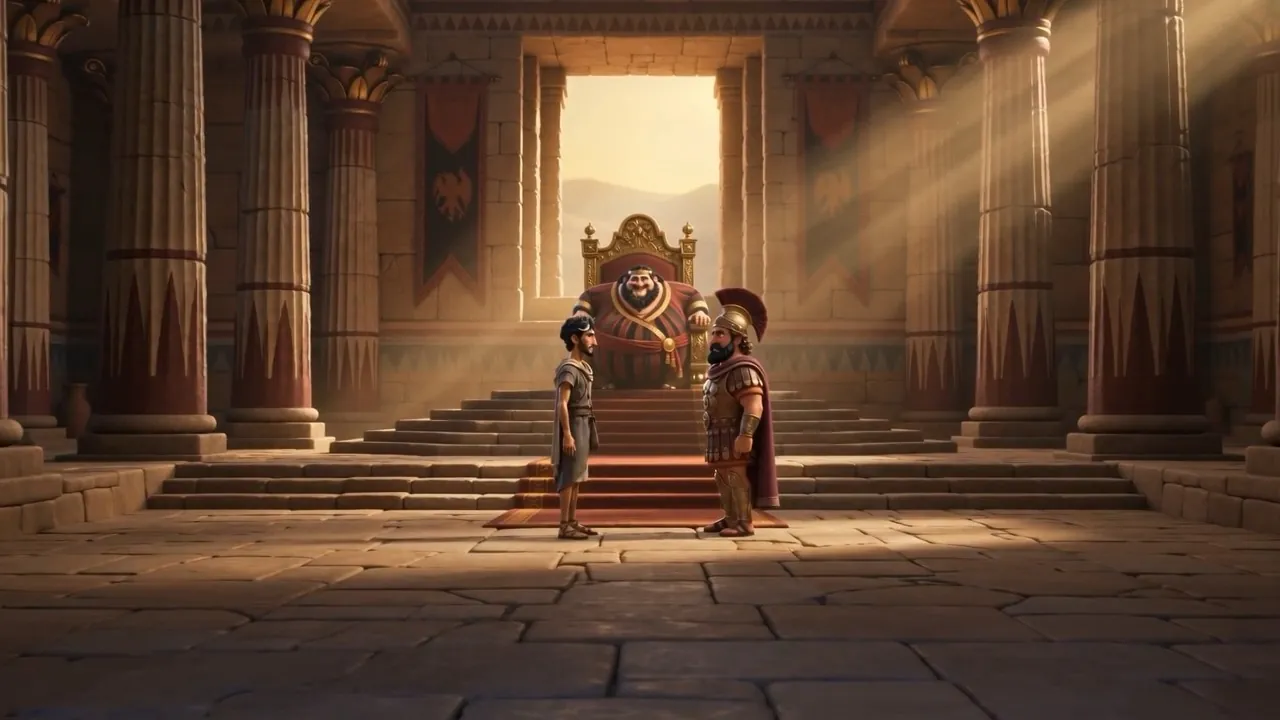
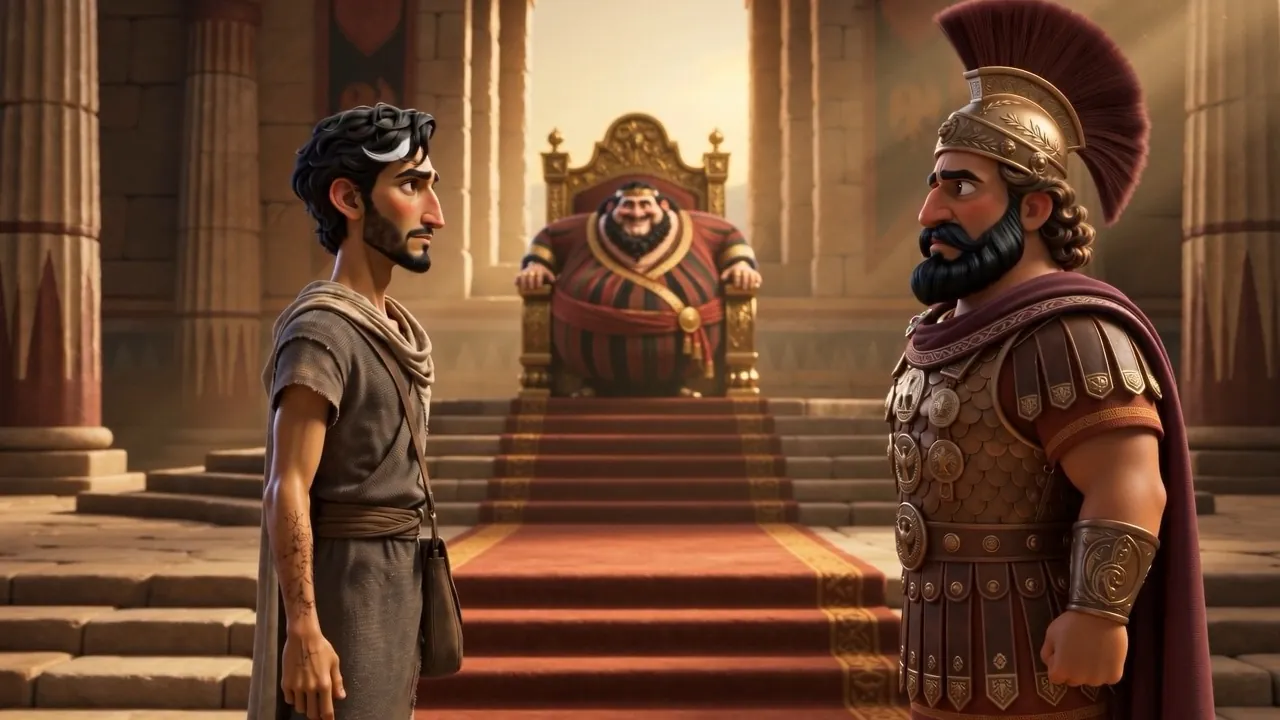

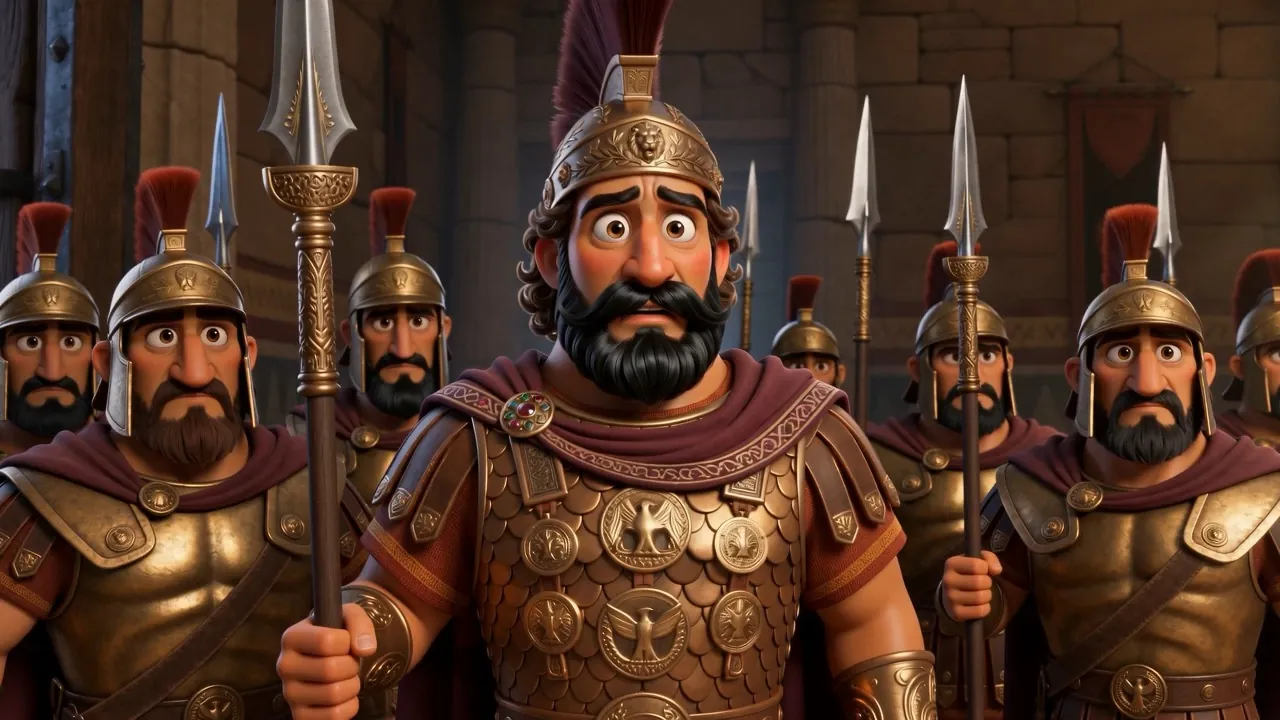
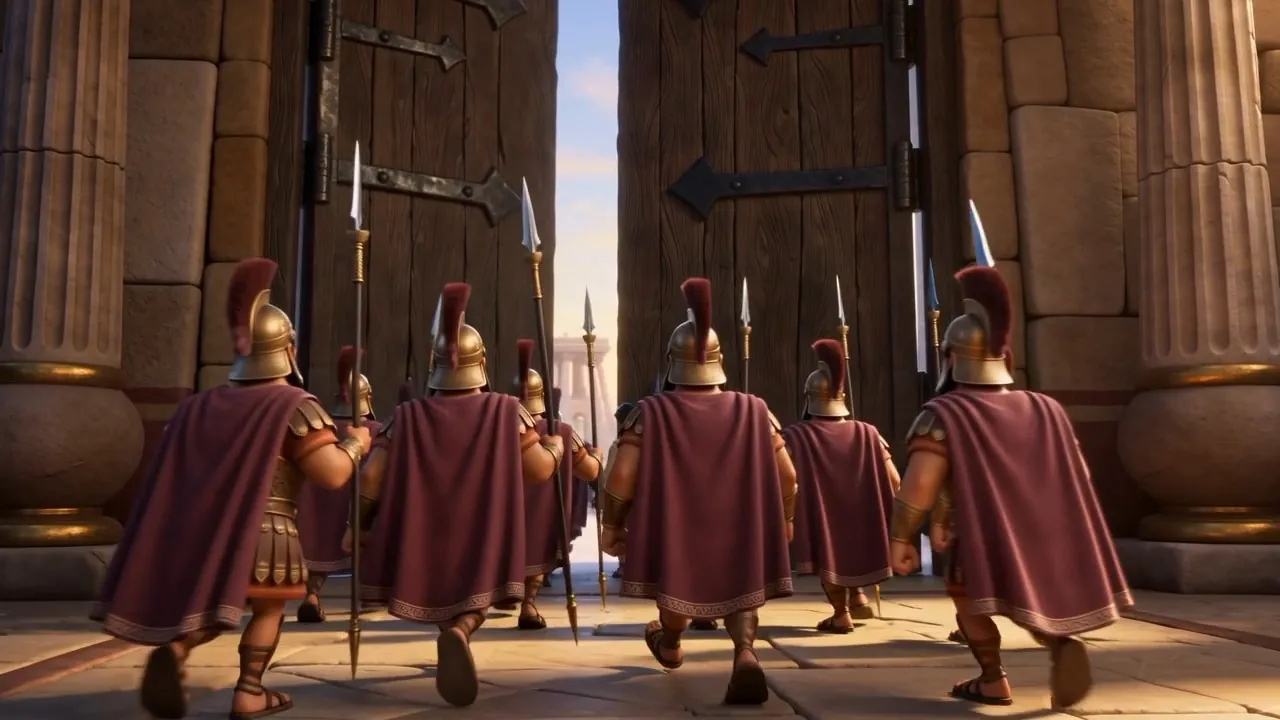
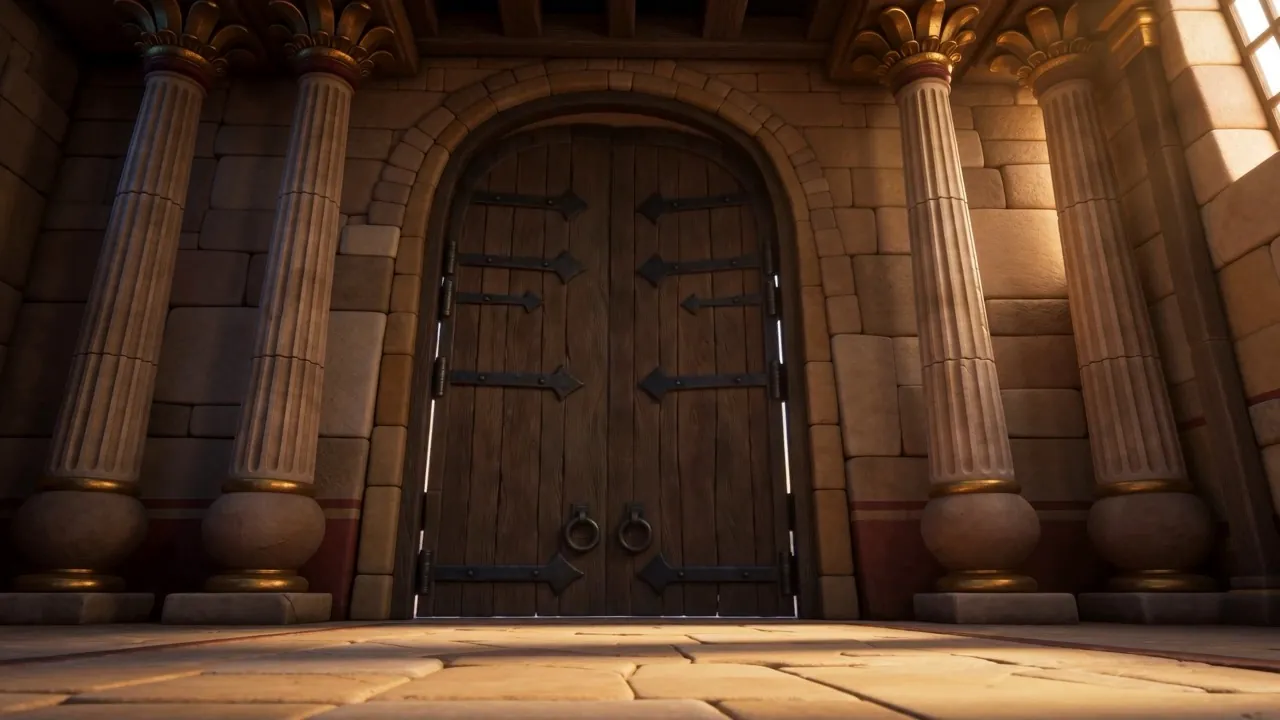
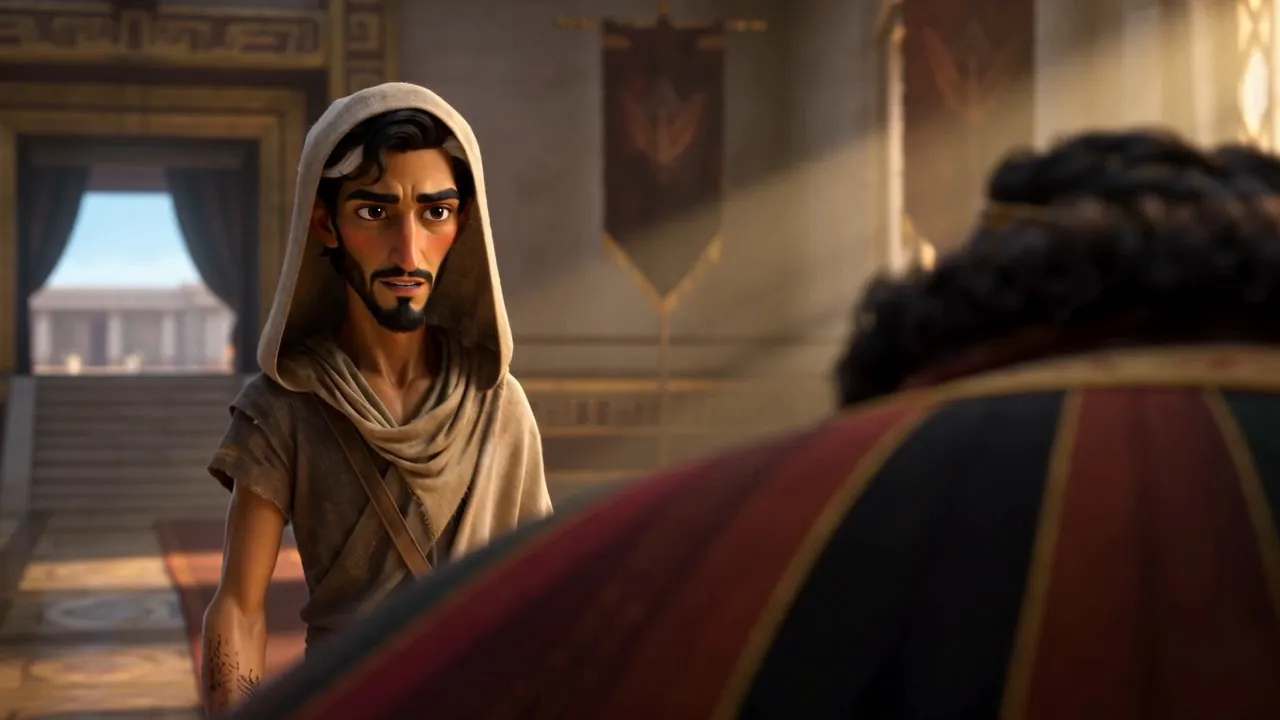

“I have a secret errand to you, O king.” The king said “Keep silence!” and everyone left. Then Ehud said the sentence that got him alone in a locked room with the most powerful man in the region: “I have a message from God for you.” And Eglon stood up out of his chair — out of respect. Judges 3 : 19–20
A message from God for you, O king.
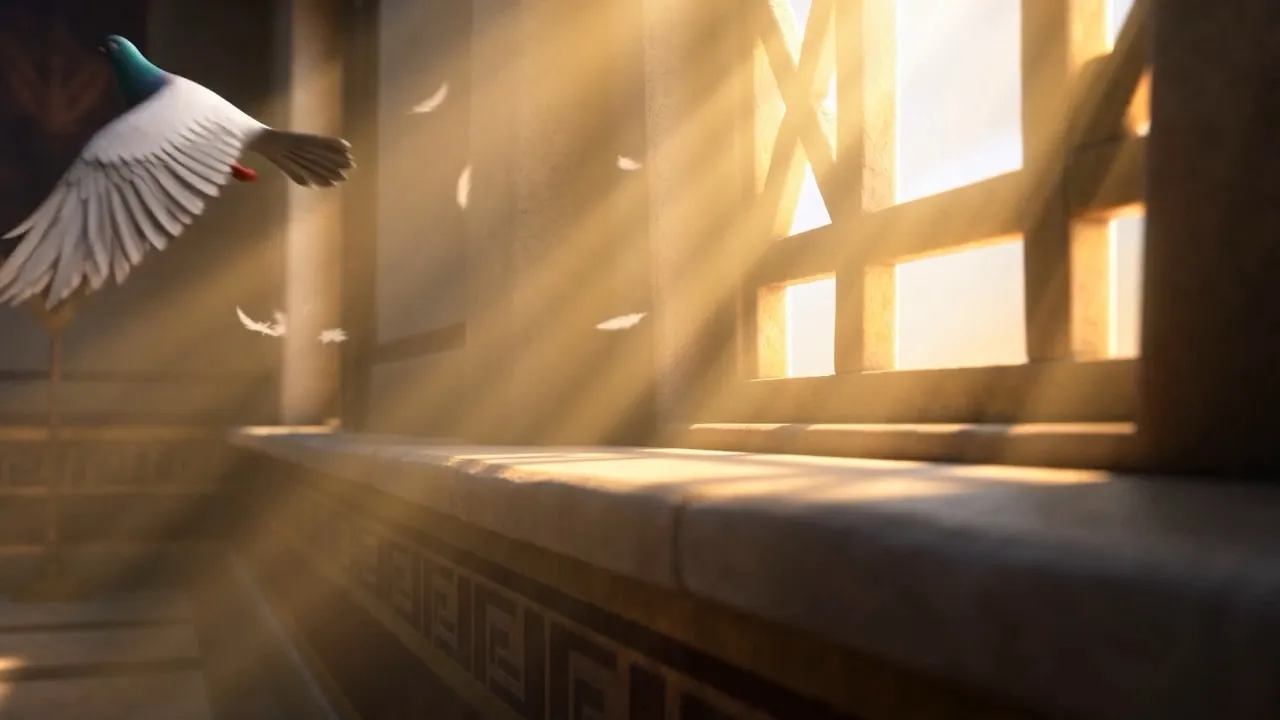
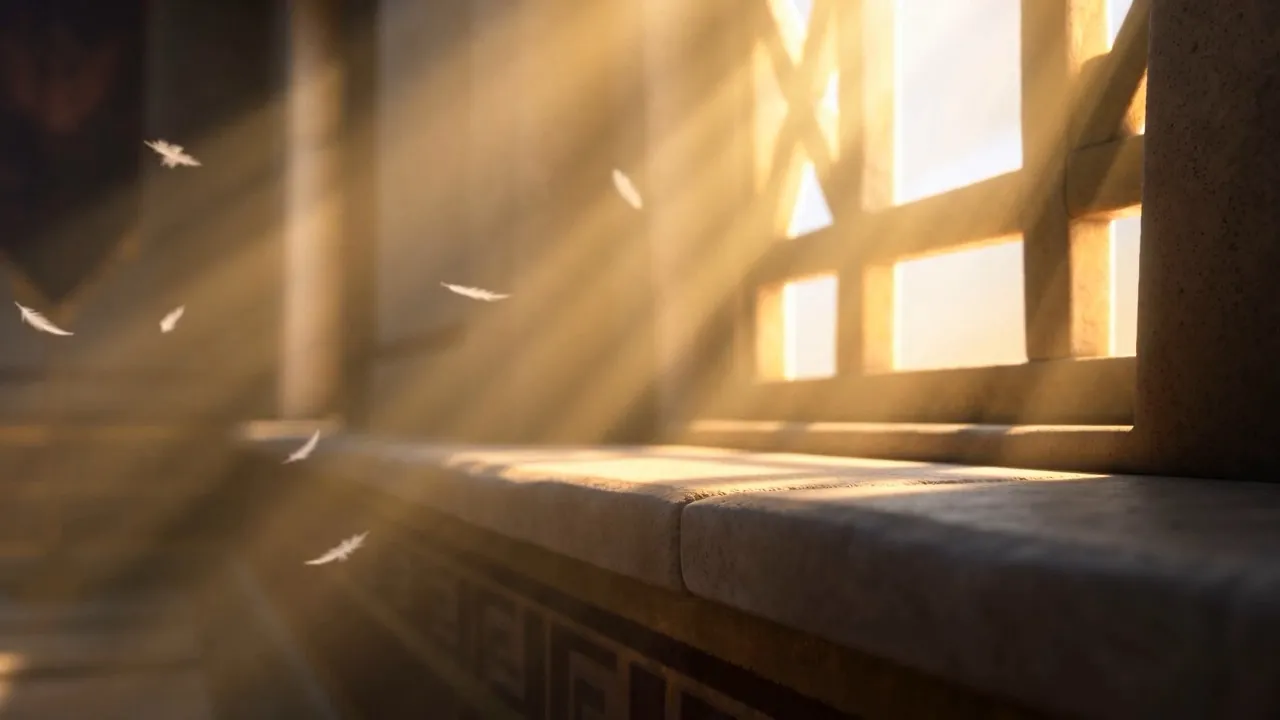
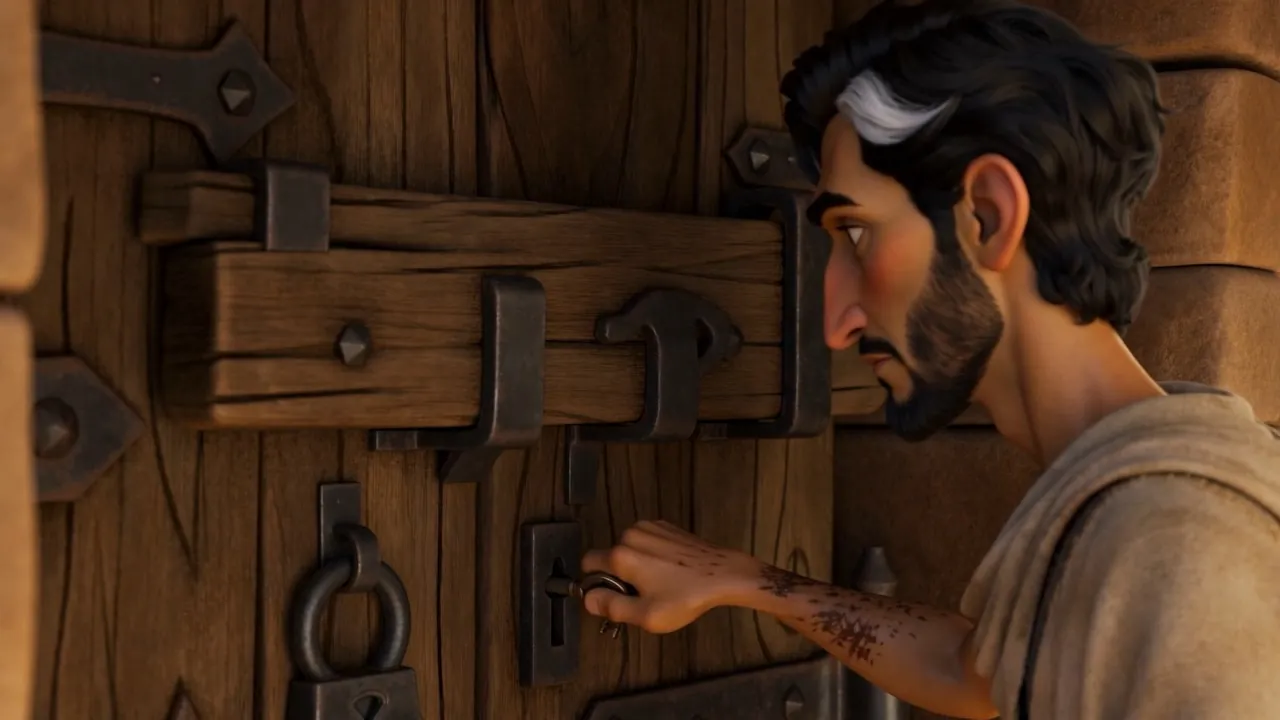
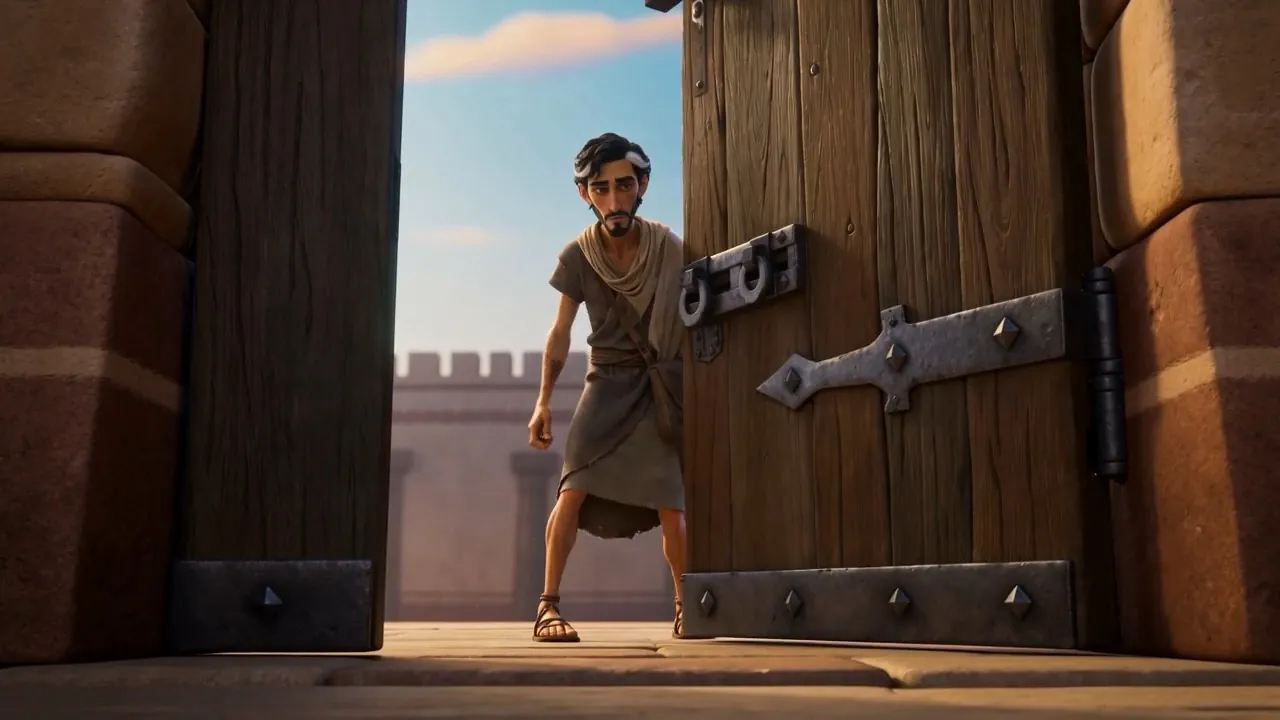
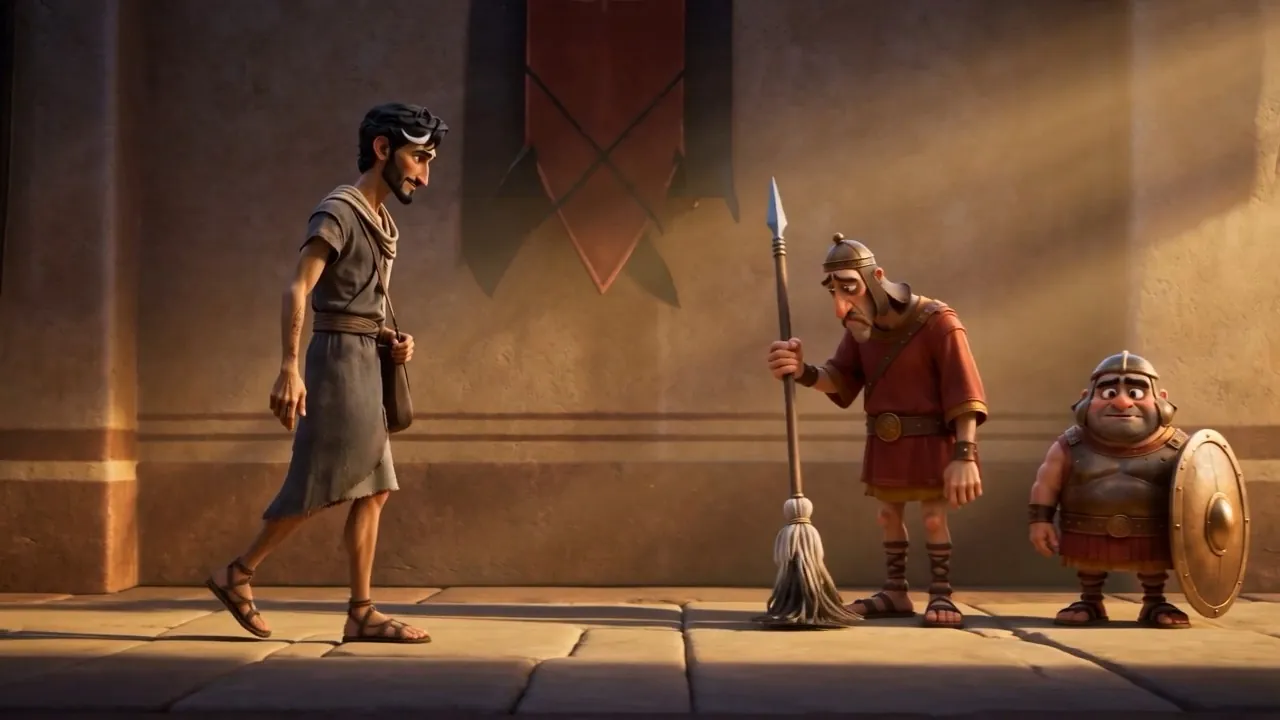
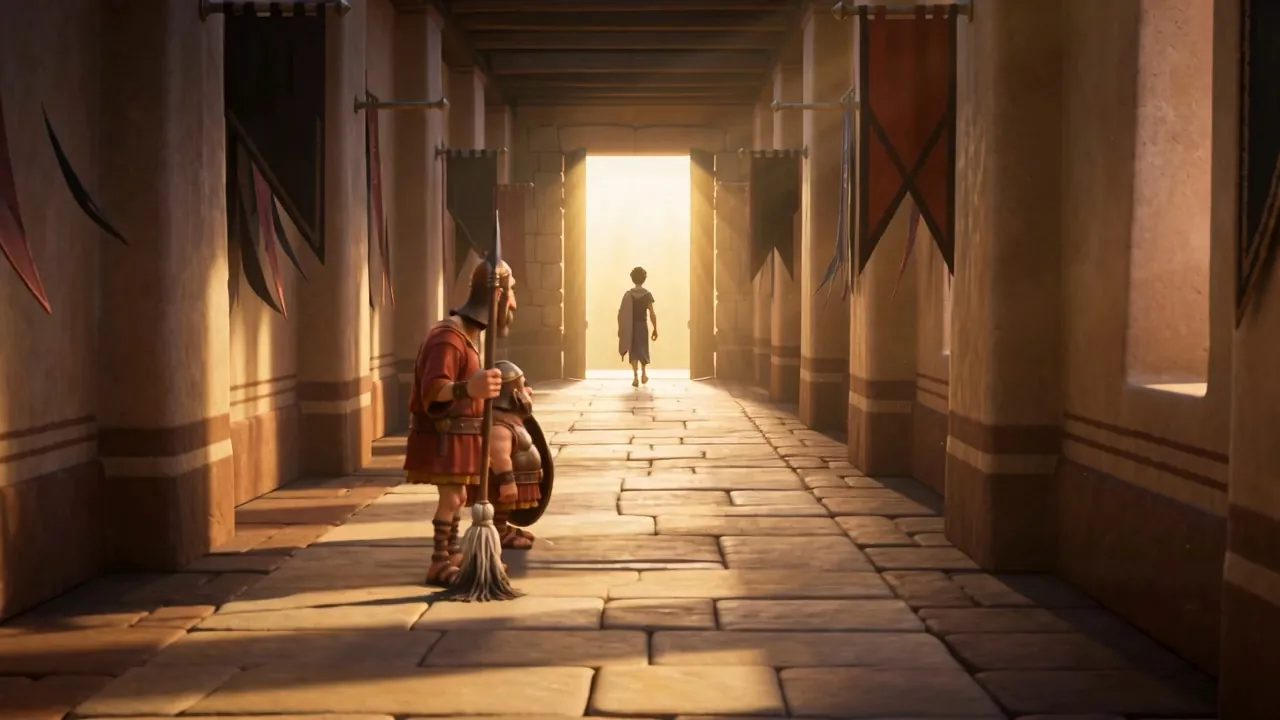
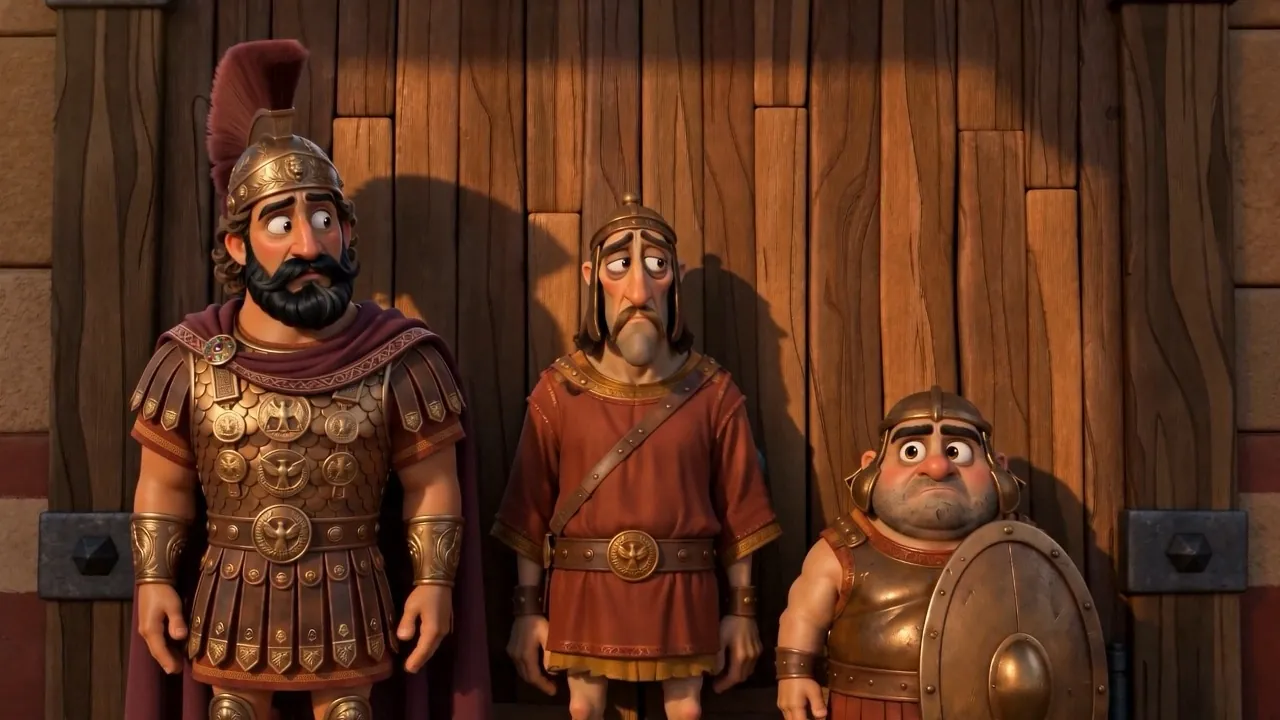

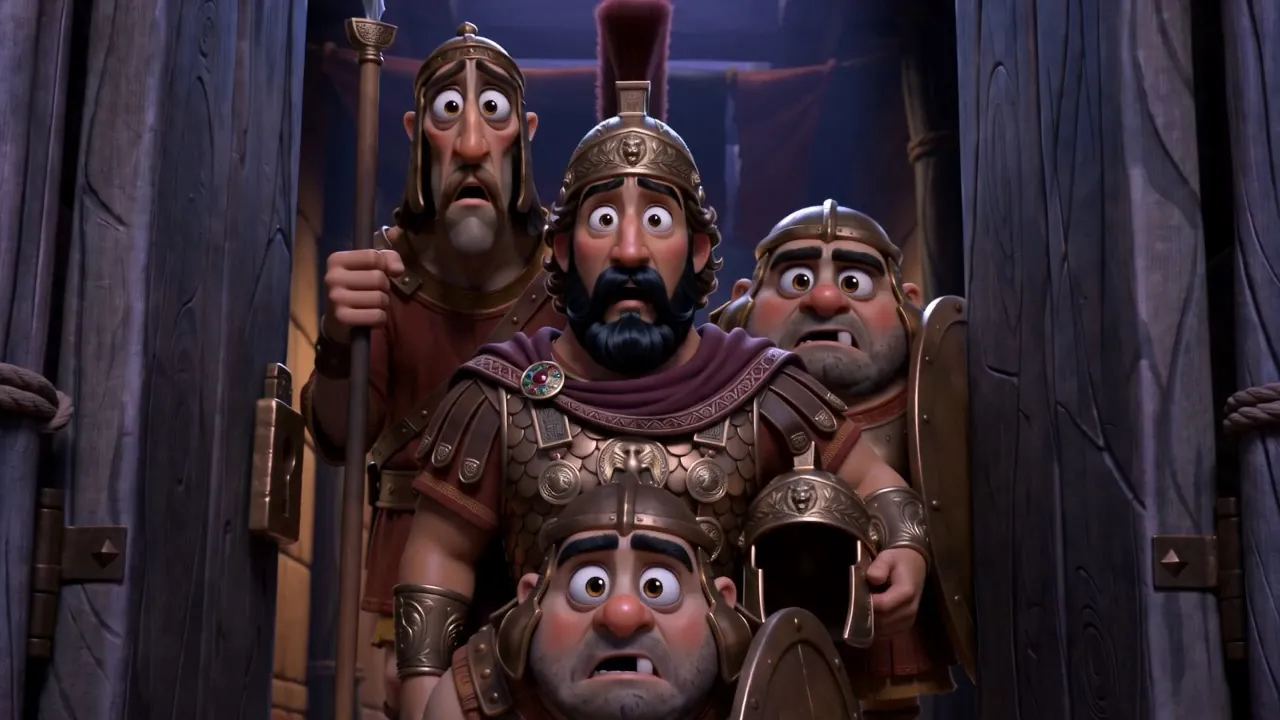
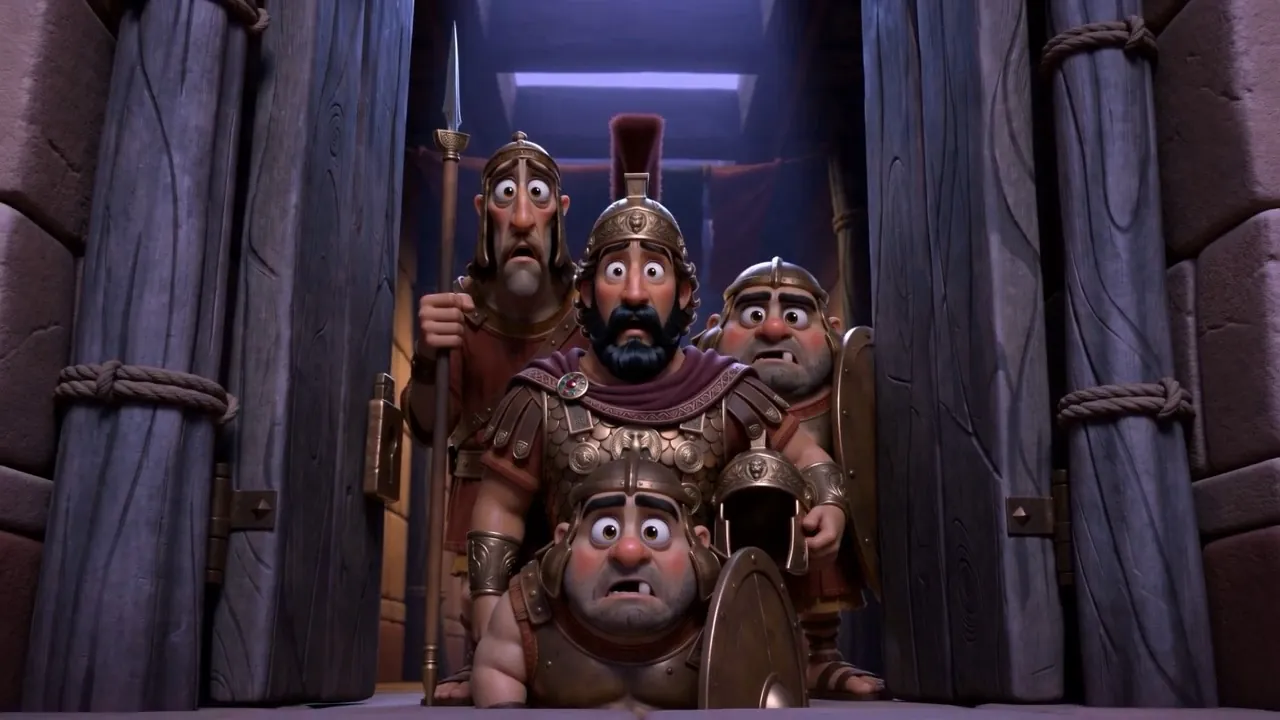
None of it is shown — a window, a feather, and a door being pulled shut. Ehud locked the doors behind him and walked out through the porch. The servants came back, found the doors locked, and decided the king must be relieving himself. They waited until they were ashamed, which in the Hebrew is a joke, and it is at Israel's oppressors' expense. Judges 3 : 21–25
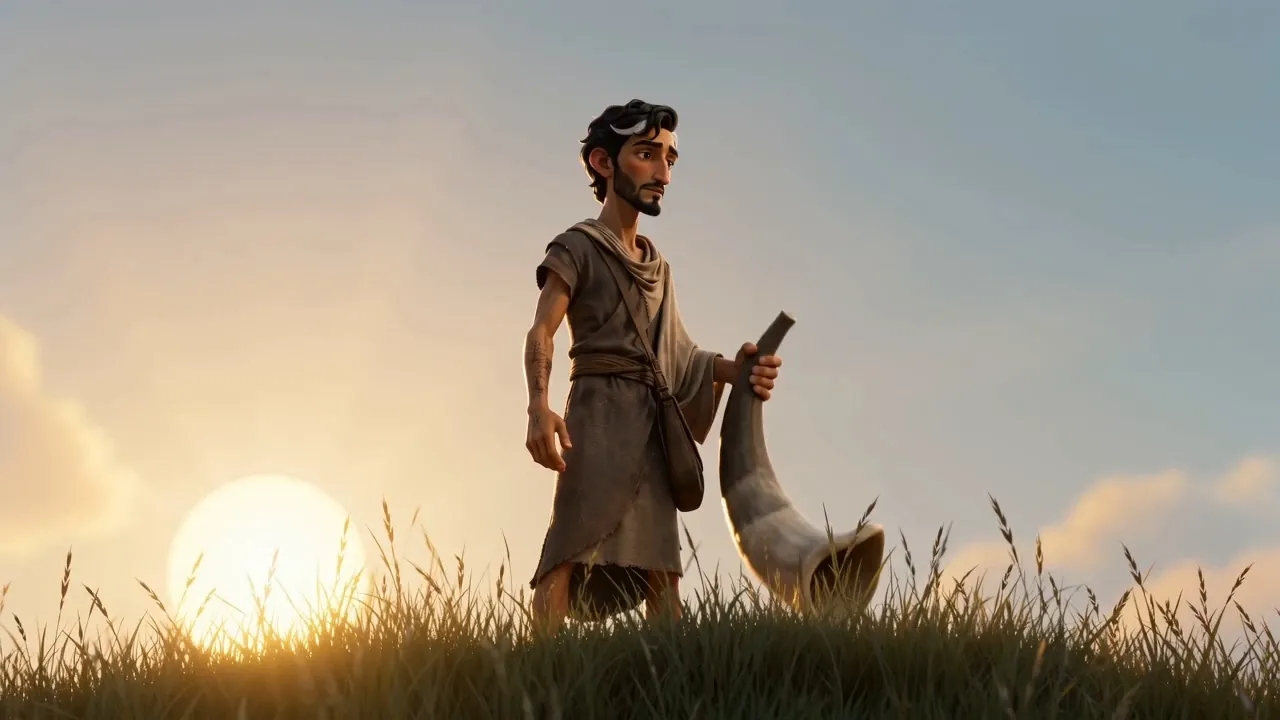
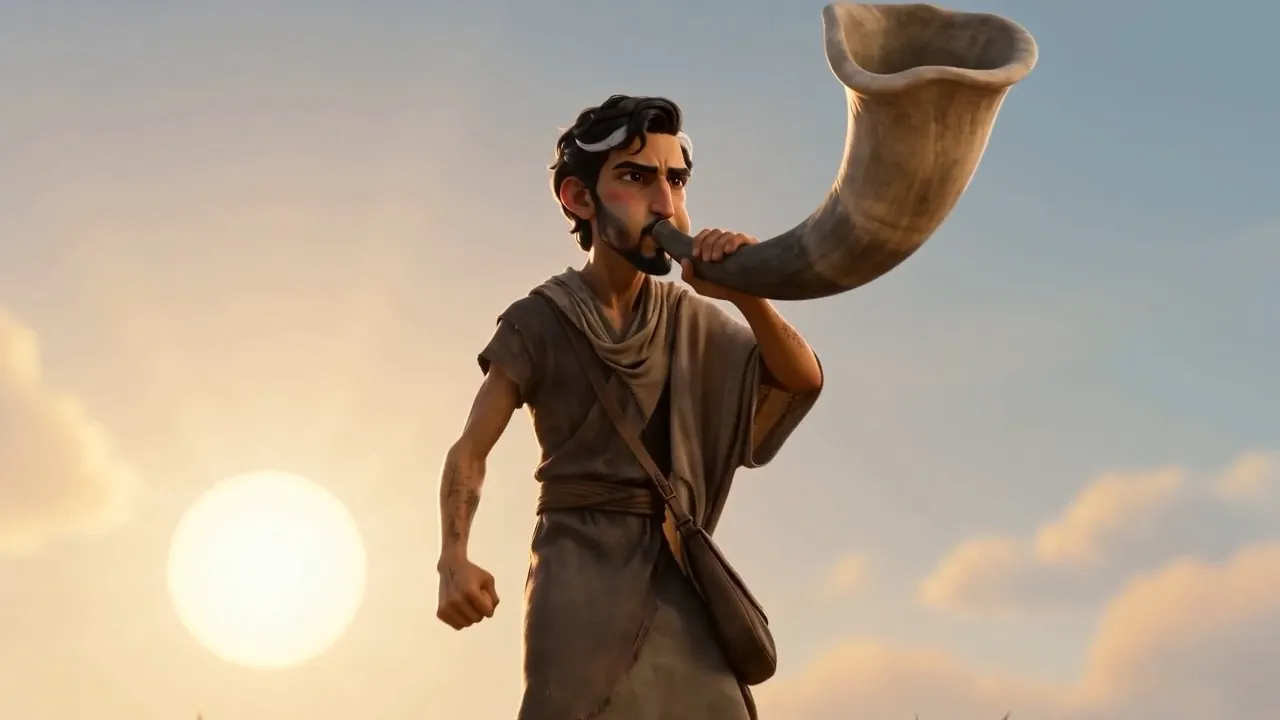

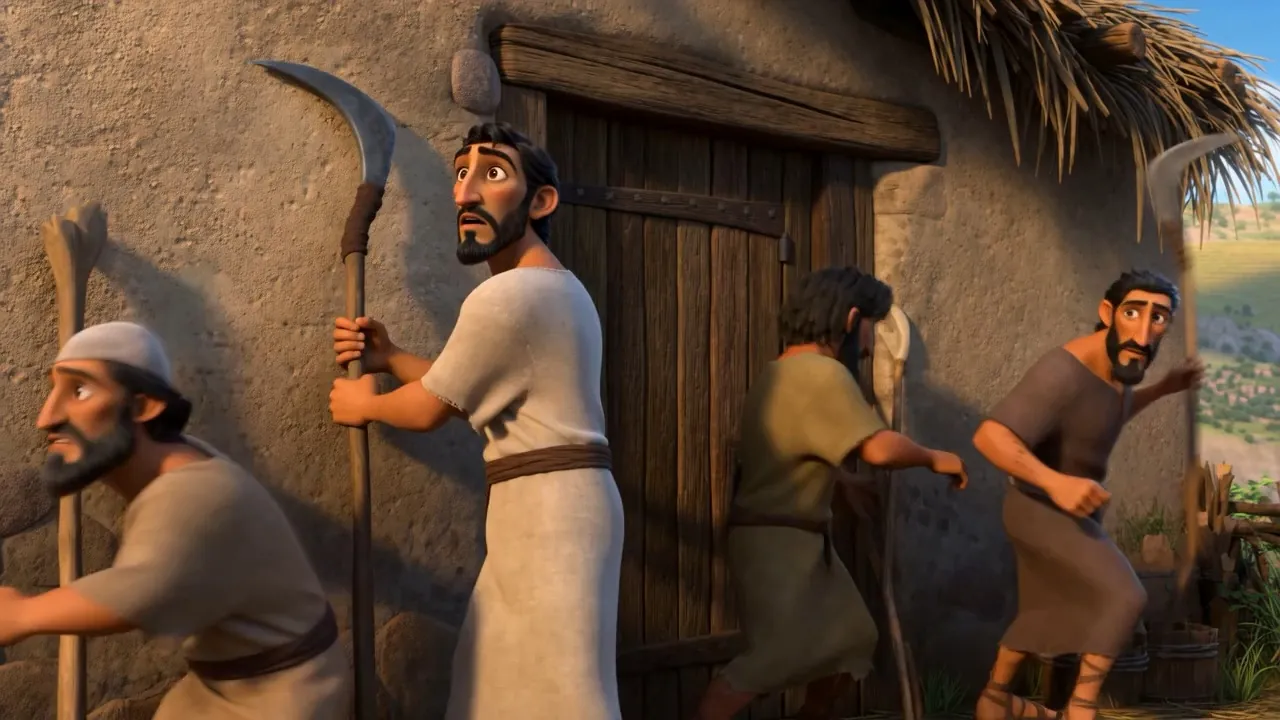
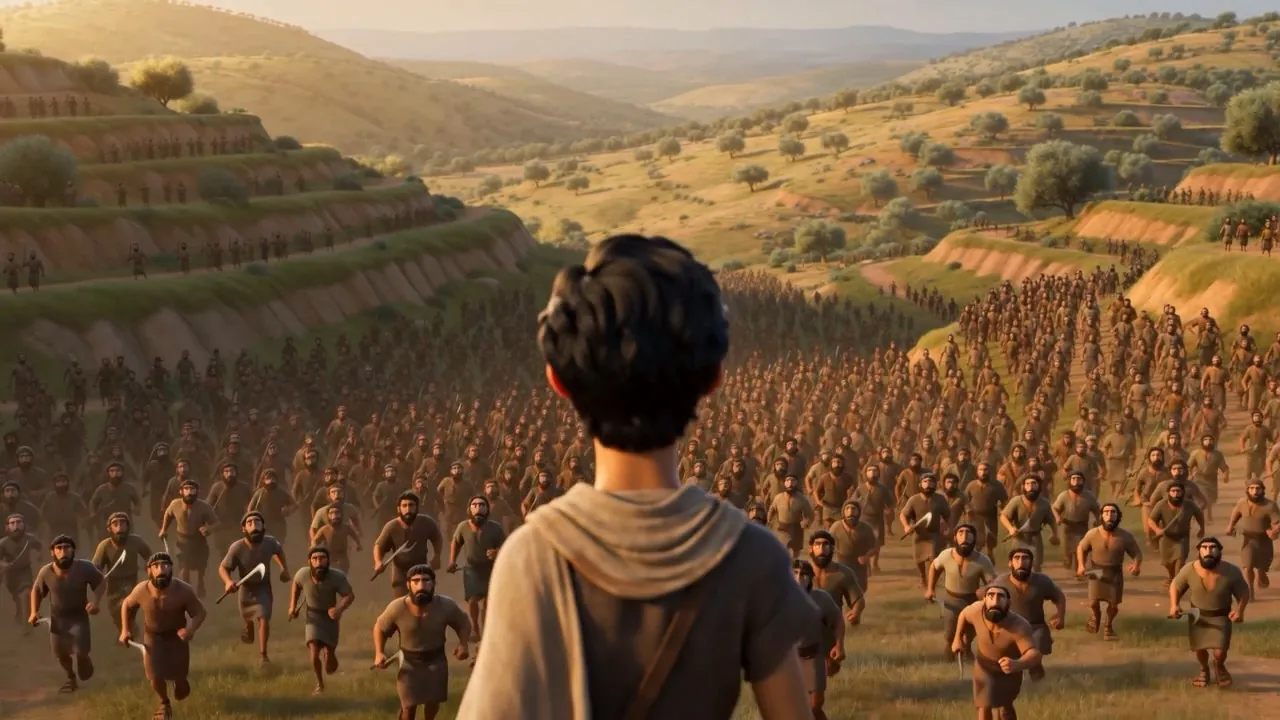

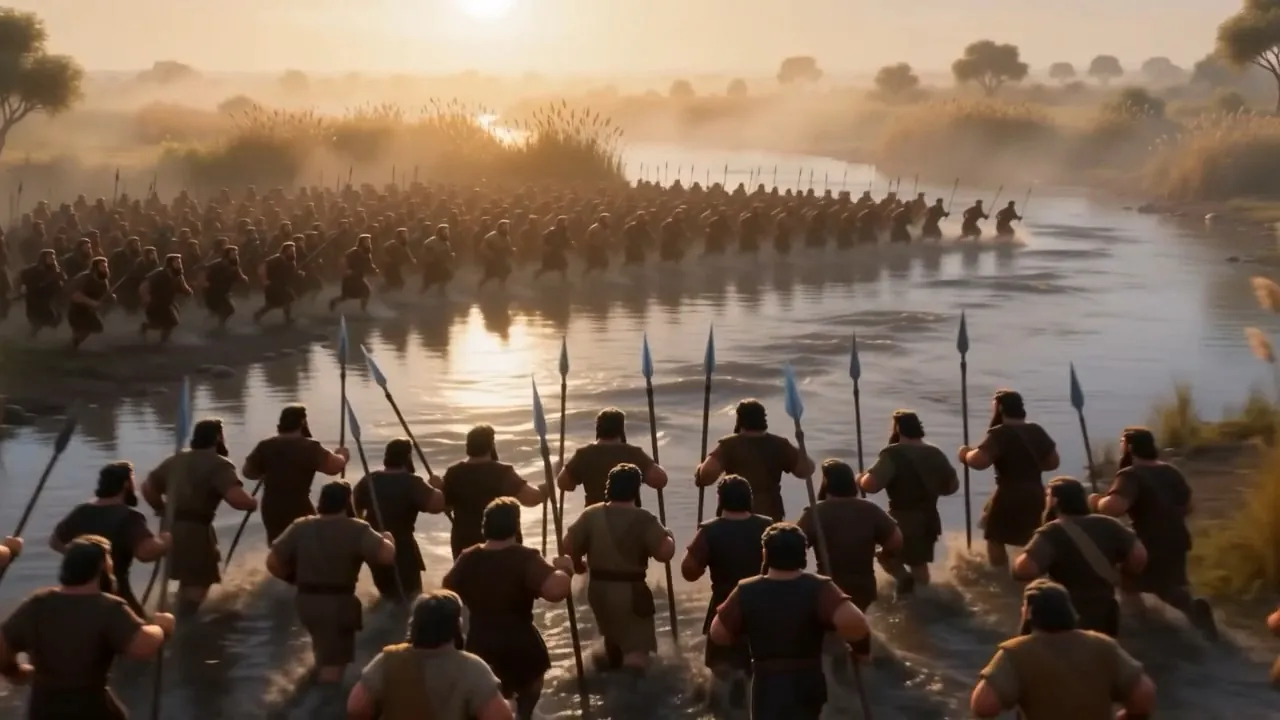


He escaped to the hill country of Ephraim and blew a trumpet, and the people came down after him. They took the fords of the Jordan and held them, and Moab was subdued that day. The land had rest eighty years. Eighty — the longest peace in the book, from the shortest plan in it. Judges 3 : 26–30
Follow me — Yahweh has given them to you.
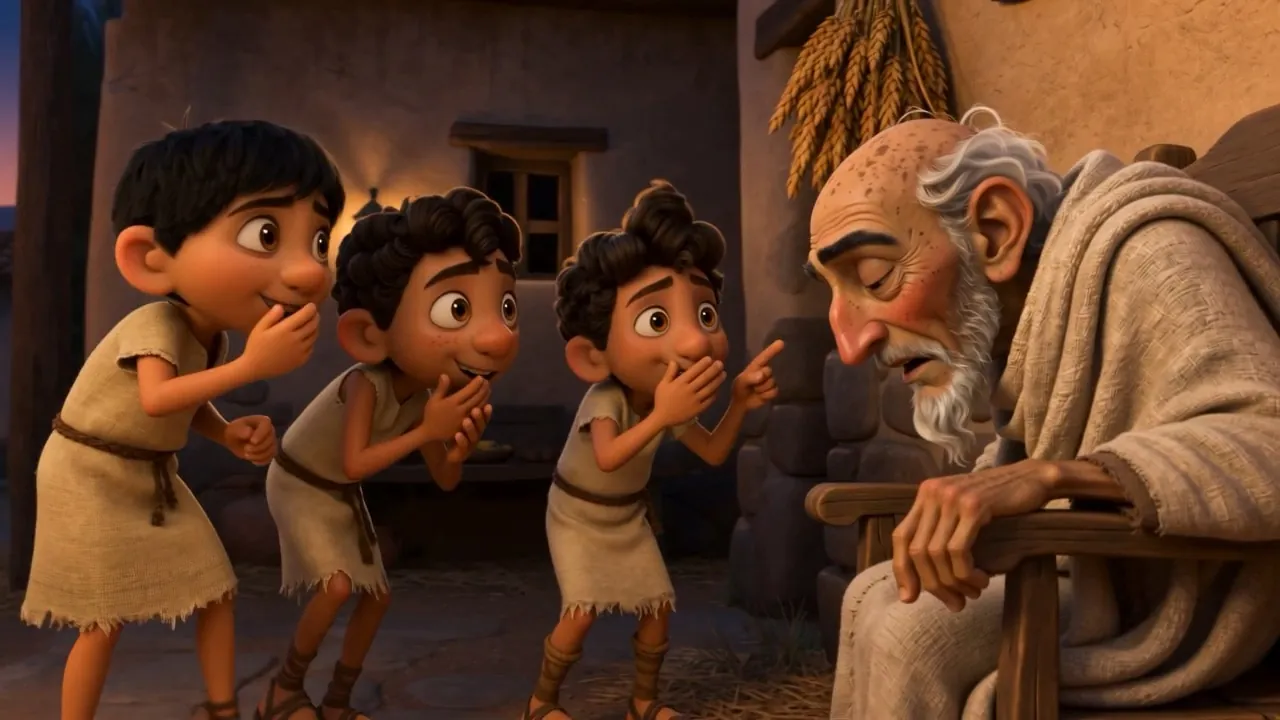
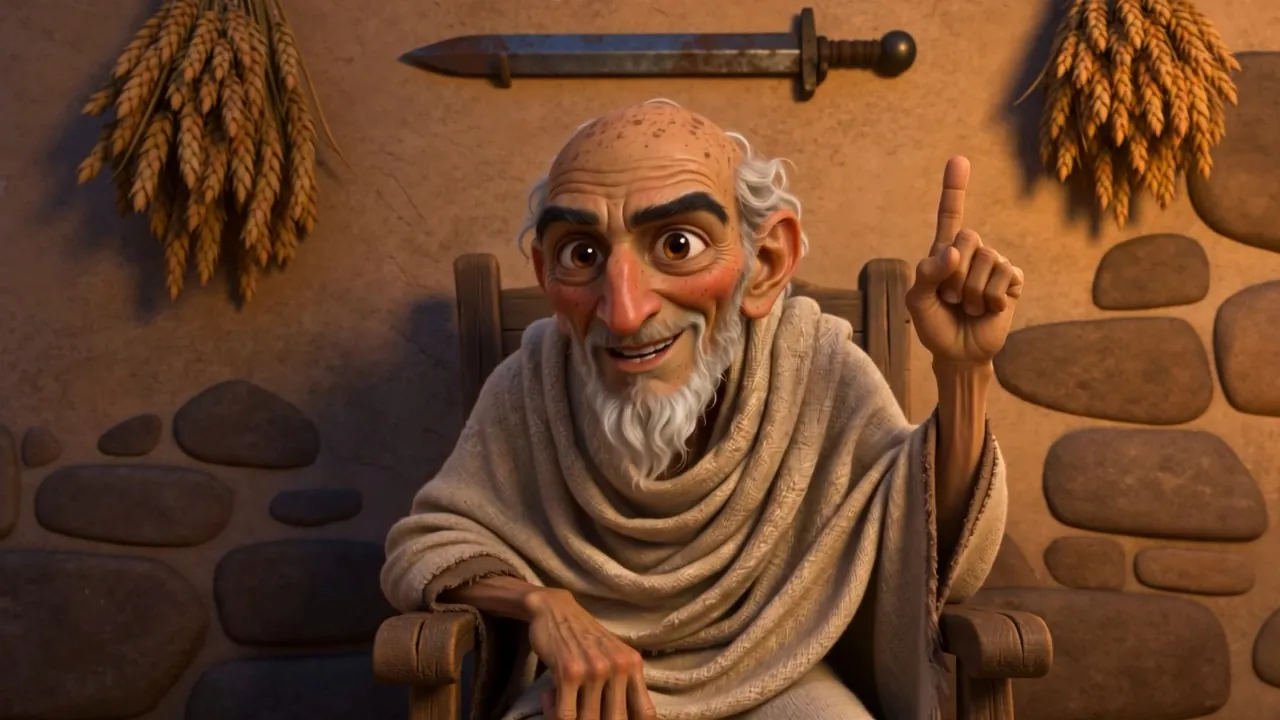
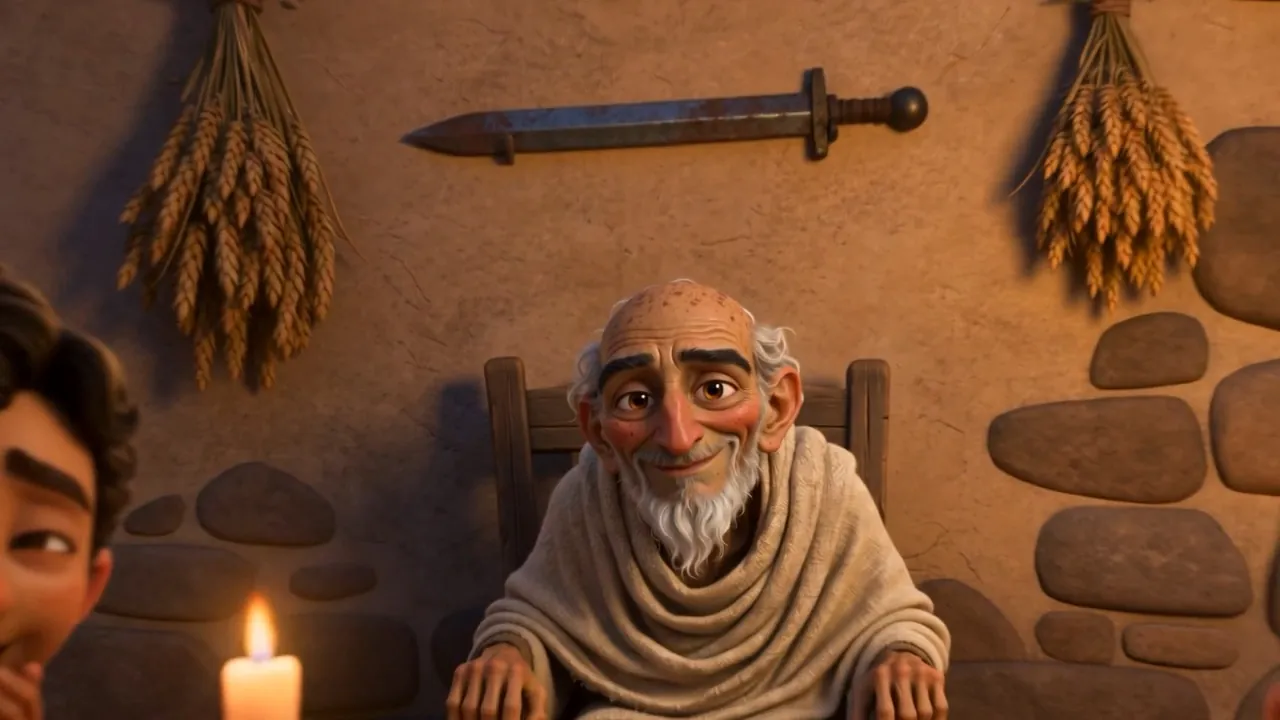
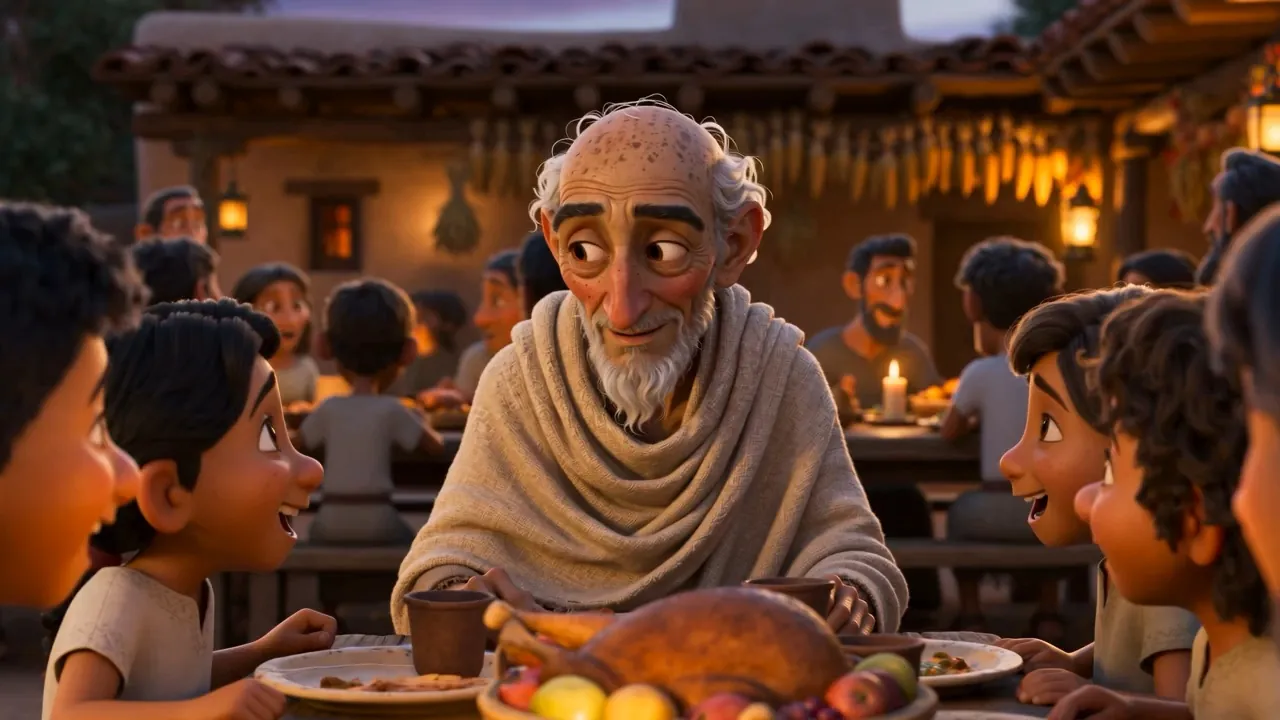
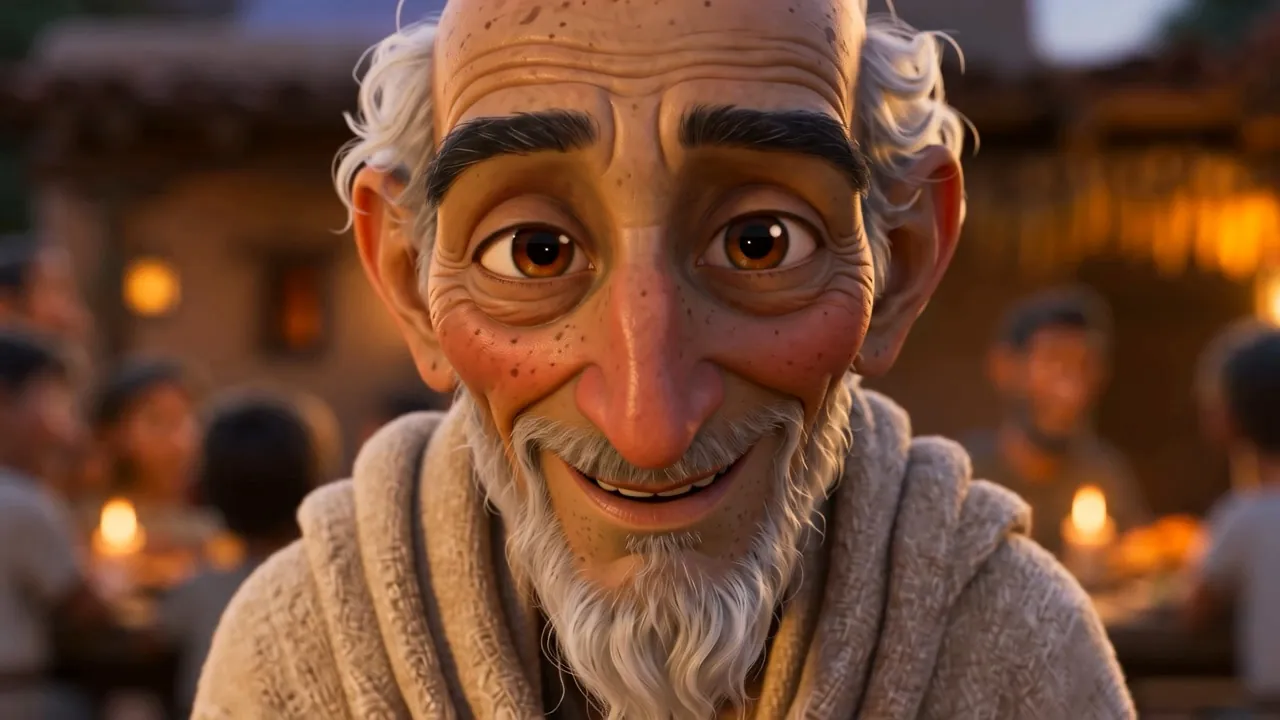
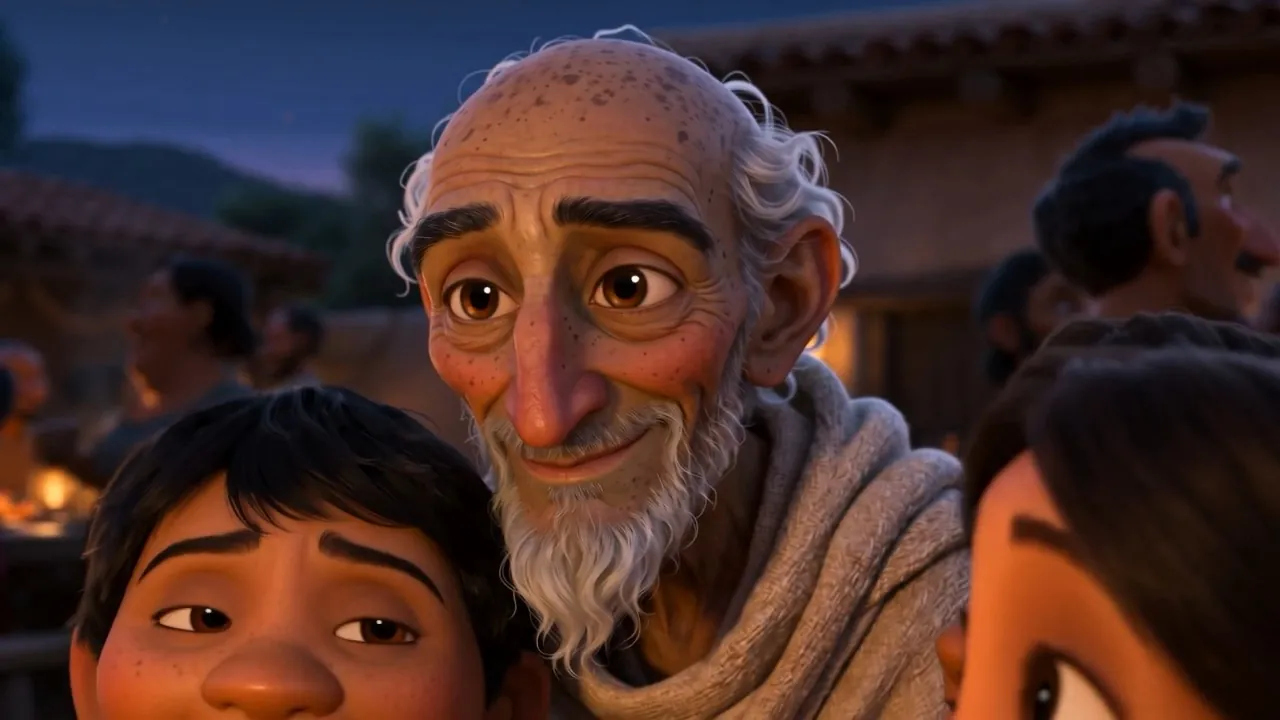
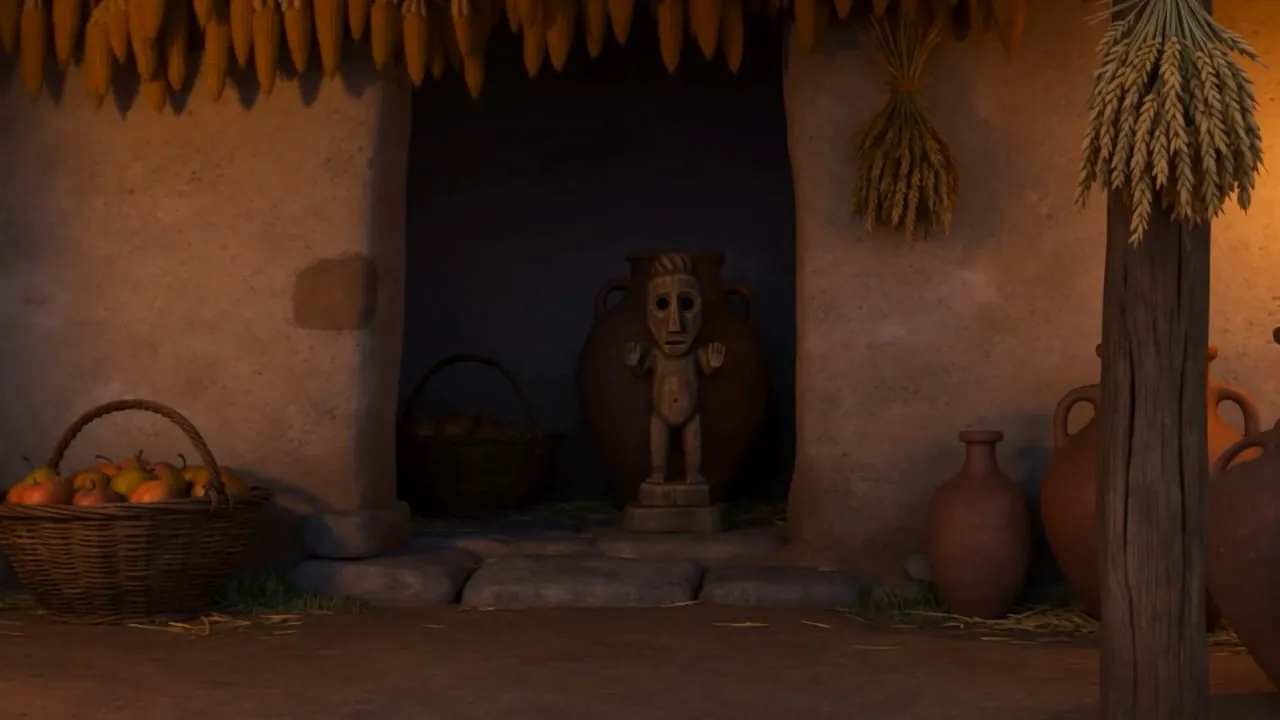
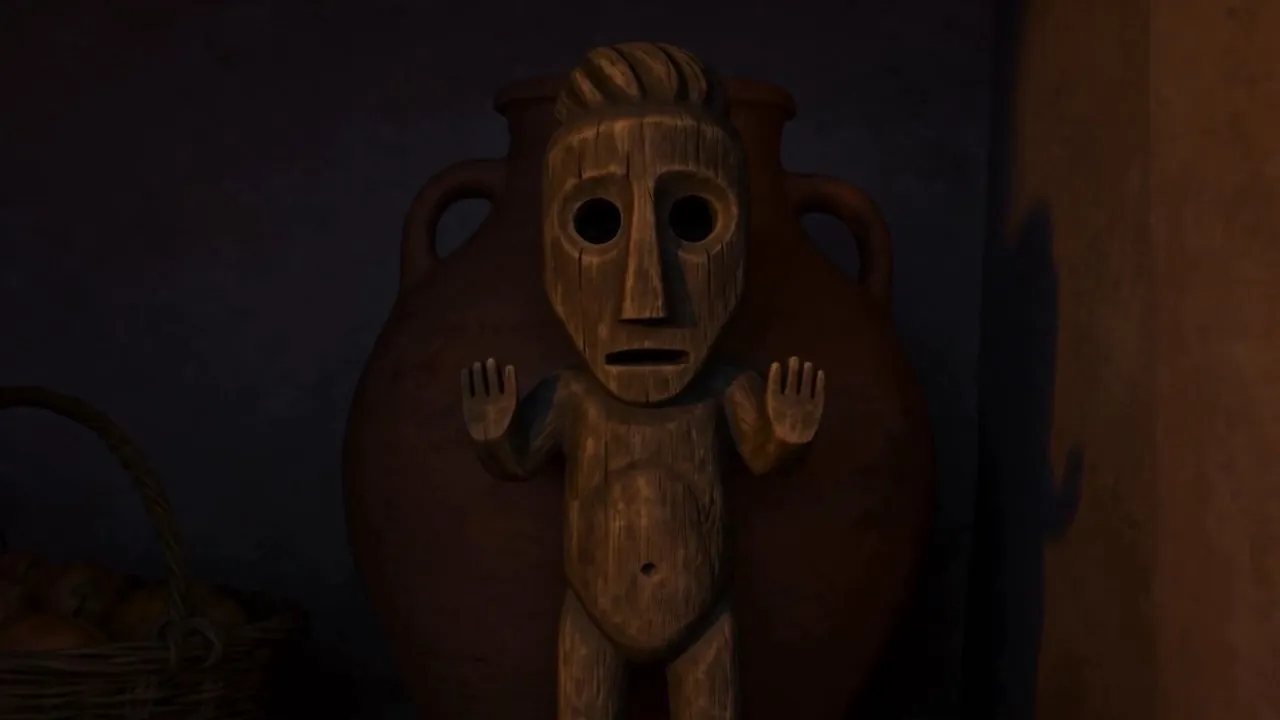
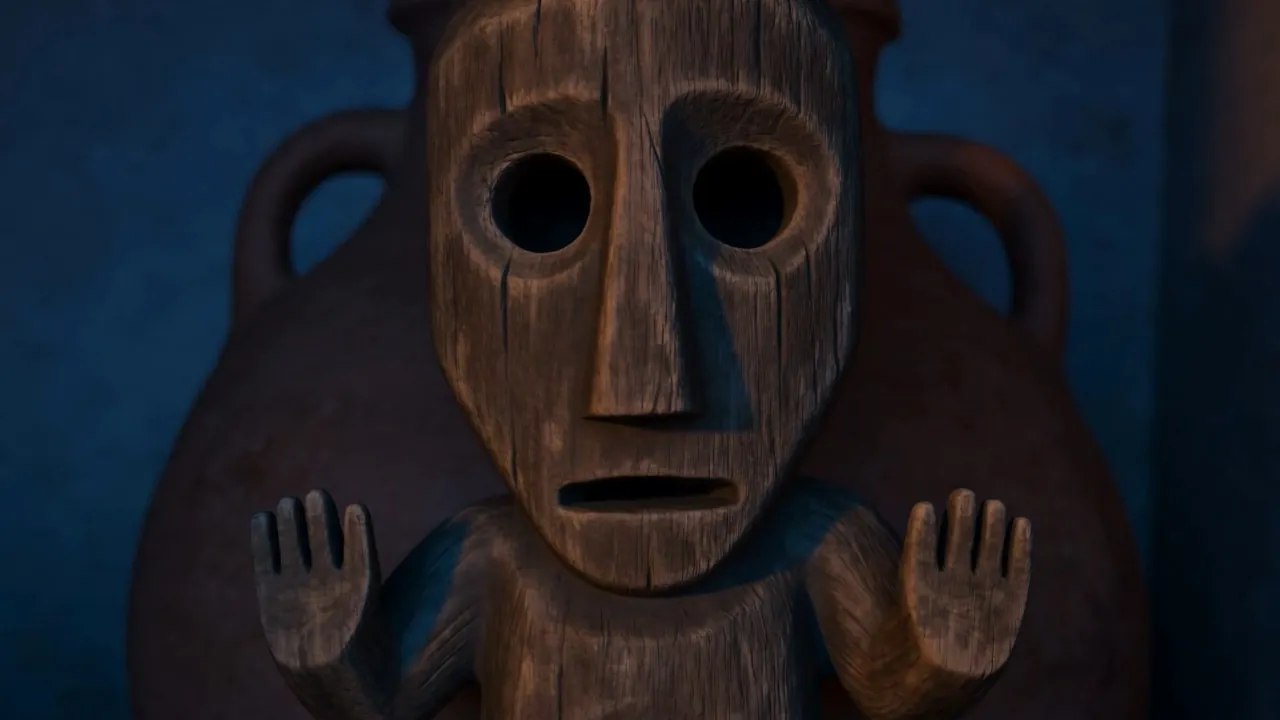
Eighty years later, an old man tells the story to children who were not born when it happened — which is exactly how this book began. And while he tells it, something is standing in the shadows behind the table. Nobody at the party is looking at it. Turn the page and it starts again. Judges 3 : 30 – 4 : 1
After the story
This is the shape of the whole book.
Judges 2 lays the pattern out in advance so that you can watch it happen seven more times: the people forget, they are handed over, they cry out, God raises a rescuer, there is peace — and then the rescuer dies and it starts again, a little worse. Everything that follows in the book, Deborah and Gideon and Samson and the rest, is one more turn of the wheel described here.
Voices of the cycle · hover or tap to turn
Ehud
"I have a message from God to you."
— Judges 3:20
Eglon
"Keep silence!"
— Judges 3:19
Another Generation
"Another generation arose after them, who didn't know Yahweh, nor the work which he had done for Israel."
— Judges 2:10How it begins
How closely were you watching?
1. What does Judges 2:10 say went wrong?
Not rebellion — memory. The generation that had seen the sea, the river and the walls died, and the next one had only heard about them (Judges 2:10).
2. What are the steps of the cycle in Judges?
Judges 2:11–19 sets the pattern out in advance, and the rest of the book runs it seven more times, each one a little worse.
3. Why did the guards miss Ehud's sword?
A search felt down the left side, where a right-handed man carries a weapon. The Bible's one physical detail about Ehud is the hinge of the entire plan (Judges 3:15–16).
4. How long did the land have rest after Ehud?
Eighty years of quiet from one man with a homemade sword and a good idea (Judges 3:30).
What this story teaches
Faith is not inherited.
The generation that crossed the sea served God their whole lives. Their grandchildren were not rebels — they simply had no memory of it. What one generation experiences, the next has to be told, on purpose.
"Another generation arose after them, who didn't know Yahweh…" Judges 2:10It always starts small and free.
Nobody chose Baal over Yahweh. Somebody accepted a carved figure as a gift with the fruit, and a generation later it had its own shelf and its own lamps and nobody could remember the wall without it.
"They abandoned Yahweh, the God of their fathers… and followed other gods." Judges 2:12God keeps answering anyway.
The cycle repeats because the people repeat. It never stops repeating because God keeps hearing. "It grieved him because of those who oppressed them" is the reason given, and it is the only reason given.
"Yahweh raised up judges, who saved them out of the hand of those who plundered them." Judges 2:16Read the scripture itself. Judges 2 – 3 · World English Bible
Judges 2
1Yahweh’s angel came up from Gilgal to Bochim. He said, “I brought you out of Egypt, and have brought you to the land which I swore to give your fathers. I said, ‘I will never break my covenant with you.
2You shall make no covenant with the inhabitants of this land. You shall break down their altars.’ But you have not listened to my voice. Why have you done this?
3Therefore I also said, ‘I will not drive them out from before you; but they shall be in your sides, and their gods will be a snare to you.’”
4When Yahweh’s angel spoke these words to all the children of Israel, the people lifted up their voice, and wept.
5They called the name of that place Bochim, and they sacrificed there to Yahweh.
6Now when Joshua had sent the people away, the children of Israel each went to his inheritance to possess the land.
7The people served Yahweh all the days of Joshua, and all the days of the elders who outlived Joshua, who had seen all the great work of Yahweh that he had worked for Israel.
8Joshua the son of Nun, the servant of Yahweh, died, being one hundred ten years old.
9They buried him in the border of his inheritance in Timnath Heres, in the hill country of Ephraim, on the north of the mountain of Gaash.
10After all that generation were gathered to their fathers, another generation arose after them, who didn’t know Yahweh, nor the work which he had done for Israel.
11The children of Israel did that which was evil in Yahweh’s sight, and served the Baals.
12They abandoned Yahweh, the God of their fathers, who brought them out of the land of Egypt, and followed other gods, of the gods of the peoples who were around them, and bowed themselves down to them; and they provoked Yahweh to anger.
13They abandoned Yahweh, and served Baal and the Ashtaroth.
14Yahweh’s anger burned against Israel, and he delivered them into the hands of raiders who plundered them. He sold them into the hands of their enemies all around, so that they could no longer stand before their enemies.
15Wherever they went out, Yahweh’s hand was against them for evil, as Yahweh had spoken, and as Yahweh had sworn to them; and they were very distressed.
16Yahweh raised up judges, who saved them out of the hand of those who plundered them.
17Yet they didn’t listen to their judges; for they prostituted themselves to other gods, and bowed themselves down to them. They quickly turned away from the way in which their fathers walked, obeying Yahweh’s commandments. They didn’t do so.
18When Yahweh raised up judges for them, then Yahweh was with the judge, and saved them out of the hand of their enemies all the days of the judge; for it grieved Yahweh because of their groaning by reason of those who oppressed them and troubled them.
19But when the judge was dead, they turned back, and dealt more corruptly than their fathers in following other gods to serve them, and to bow down to them. They didn’t cease what they were doing, or give up their stubborn ways.
20Yahweh’s anger burned against Israel; and he said, “Because this nation transgressed my covenant which I commanded their fathers, and has not listened to my voice,
21I also will no longer drive out any of the nations that Joshua left when he died from before them;
22that by them I may test Israel, to see if they will keep Yahweh’s way to walk therein, as their fathers kept it, or not.”
23So Yahweh left those nations, without driving them out hastily. He didn’t deliver them into Joshua’s hand.
Judges 3
1Now these are the nations which Yahweh left, to test Israel by them, even as many as had not known all the wars of Canaan;
2only that the generations of the children of Israel might know, to teach them war, at least those who knew nothing of it before:
3the five lords of the Philistines, all the Canaanites, the Sidonians, and the Hivites who lived on Mount Lebanon, from Mount Baal Hermon to the entrance of Hamath.
4They were left to test Israel by them, to know whether they would listen to Yahweh’s commandments, which he commanded their fathers by Moses.
5The children of Israel lived among the Canaanites, the Hittites, the Amorites, the Perizzites, the Hivites, and the Jebusites.
6They took their daughters to be their wives, and gave their own daughters to their sons and served their gods.
7The children of Israel did that which was evil in Yahweh’s sight, and forgot Yahweh their God, and served the Baals and the Asheroth.
8Therefore Yahweh’s anger burned against Israel, and he sold them into the hand of Cushan Rishathaim king of Mesopotamia; and the children of Israel served Cushan Rishathaim eight years.
9When the children of Israel cried to Yahweh, Yahweh raised up a savior to the children of Israel, who saved them, even Othniel the son of Kenaz, Caleb’s younger brother.
10Yahweh’s Spirit came on him, and he judged Israel; and he went out to war, and Yahweh delivered Cushan Rishathaim king of Mesopotamia into his hand. His hand prevailed against Cushan Rishathaim.
11The land had rest forty years, then Othniel the son of Kenaz died.
12The children of Israel again did that which was evil in Yahweh’s sight, and Yahweh strengthened Eglon the king of Moab against Israel, because they had done that which was evil in Yahweh’s sight.
13He gathered the children of Ammon and Amalek to himself; and he went and struck Israel, and they possessed the city of palm trees.
14The children of Israel served Eglon the king of Moab eighteen years.
15But when the children of Israel cried to Yahweh, Yahweh raised up a savior for them, Ehud the son of Gera, the Benjamite, a left-handed man. The children of Israel sent tribute by him to Eglon the king of Moab.
16Ehud made himself a sword which had two edges, a cubit in length; and he wore it under his clothing on his right thigh.
17He offered the tribute to Eglon king of Moab. Now Eglon was a very fat man.
18When he had finished offering the tribute, he sent away the people who carried the tribute.
19But he himself turned back from the stone idols that were by Gilgal, and said, “I have a secret message for you, O king.” The king said, “Keep silence!” All who stood by him left him.
20Ehud came to him; and he was sitting by himself alone in the cool upper room. Ehud said, “I have a message from God to you.” He arose out of his seat.
21Ehud put out his left hand, and took the sword from his right thigh, and thrust it into his body:
22and the handle also went in after the blade; and the fat closed on the blade, for he didn’t draw the sword out of his body; and it came out behind.
23Then Ehud went out onto the porch, and shut the doors of the upper room on him, and locked them.
24After he had gone, his servants came and saw that the doors of the upper room were locked. They said, “Surely he is covering his feet in the upper room.”
25They waited until they were ashamed; and behold, he didn’t open the doors of the upper room. Therefore they took the key and opened them, and behold, their lord had fallen down dead on the floor.
26Ehud escaped while they waited, passed beyond the stone idols, and escaped to Seirah.
27When he had come, he blew a trumpet in the hill country of Ephraim; and the children of Israel went down with him from the hill country, and he led them.
28He said to them, “Follow me; for Yahweh has delivered your enemies the Moabites into your hand.” They followed him, and took the fords of the Jordan against the Moabites, and didn’t allow any man to pass over.
29They struck at that time about ten thousand men of Moab, every strong man, and every man of valor. No man escaped.
30So Moab was subdued that day under the hand of Israel. Then the land had rest eighty years.
31After him was Shamgar the son of Anath, who struck six hundred men of the Philistines with an ox goad. He also saved Israel.
World English Bible (WEB) — a public-domain modern English translation. Read it freely, share it freely.
The Book of Judges — animated film in production
These scenes are real frames from the film.
Help us finish it — and every story like it — free for the world.